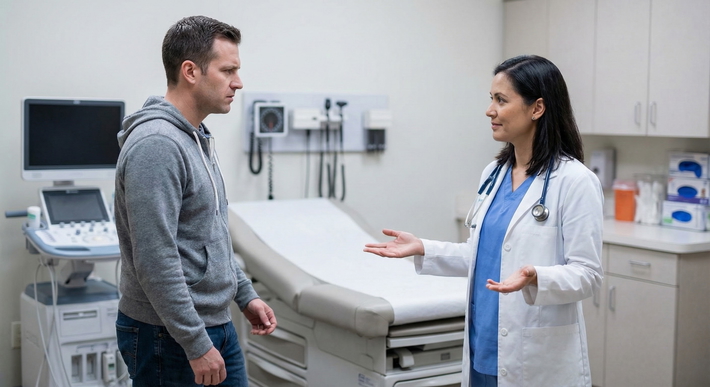
Confidentiality in Healthcare: Balancing Ethics, Law, and Modern Practice
Patient Confidentiality remains one of the most fundamental obligations in medical practice. For residency applicants, trainees, and practicing clinicians alike, understanding how to protect confidential information is no longer optional—it is a core clinical competency and a frequent focus in interviews, OSCEs, and day‑to‑day care.
As healthcare rapidly digitizes and Telemedicine Challenges grow more complex, clinicians must navigate not only the ethical dimensions of confidentiality, but also a dense web of legal requirements, institutional policies, and technological risks. Breaches—whether intentional or accidental—can damage trust, harm patients, and carry serious professional and legal consequences.
This enhanced guide explores:
- The ethical foundation of Patient Confidentiality
- Key legal obligations, including HIPAA Compliance and state laws
- Real-world and digital-era challenges to confidentiality
- Best Practices in Healthcare for protecting patient information
- Practical examples and scenarios relevant to trainees and residents
The Ethical Foundations of Patient Confidentiality
Why Confidentiality Matters for the Physician–Patient Relationship
When patients seek care, they disclose some of the most intimate aspects of their lives—medical history, mental health, substance use, sexual behavior, immigration status, family conflict, and more. They do this under an implicit promise: their information will be protected and used only to help them.
Confidentiality is central because it:
Enables full disclosure:
Patients are more willing to share sensitive details when they trust their information is safe. Without this, they may withhold key facts, leading to missed diagnoses, incomplete histories, or unsafe treatment plans.Supports accurate diagnosis and effective treatment:
Honest communication allows clinicians to understand risk factors, psychosocial context, and adherence barriers, leading to more appropriate care.Reinforces professional integrity:
Upholding confidentiality signals that the clinician is worthy of trust and committed to the patient’s best interests, not just to institutional or societal demands.
For residency applicants, programs increasingly expect you to articulate how you would handle confidentiality dilemmas—for example, when family members request information, or when a colleague discusses a patient in a public space.
Respect for Autonomy and Control Over Personal Information
Respect for autonomy means more than obtaining consent for procedures—it also includes respecting a patient’s right to control who knows what about their health.
Key autonomy-related principles include:
Control of disclosure:
Patients generally decide when and to whom their information is shared (e.g., spouses, parents, employers, schools).Right to withhold information from others:
For example, an adult patient may refuse to allow disclosure of a diagnosis to family members, even if they are involved in caregiving.Right to know how information will be used:
Patients should understand whether their data may be used for research, quality improvement, or teaching, and what protections are in place.
In practice, this means residents and students must avoid assuming that “family” automatically has access to information. Asking, “Is it okay if I discuss your care with your family while they’re in the room?” is both ethically appropriate and increasingly expected.
Core Ethical Principles Underpinning Confidentiality
Patient Confidentiality is not an isolated concept; it is deeply linked to the four classic principles of healthcare ethics:
Beneficence (doing good)
- Protecting confidentiality encourages patients to seek care, adhere to treatment, and return for follow-up.
- For example, adolescents may be more likely to seek STI testing if they trust their privacy will be maintained where legally permitted.
Non-maleficence (avoiding harm)
- Breaches of confidentiality can lead to real-world harms:
- Stigmatization (e.g., HIV, mental illness, substance use)
- Job loss or workplace discrimination
- Family conflict or even interpersonal violence
- Emotional distress and avoidance of future care
- Breaches of confidentiality can lead to real-world harms:
Justice (fairness and equity)
- Vulnerable groups—such as undocumented patients, LGBTQ+ individuals, those with substance use disorders, or people with mental illness—may be especially sensitive to confidentiality risks.
- Ensuring robust confidentiality protections helps reduce access barriers and supports more equitable care.
Fidelity and professional trustworthiness
- The profession’s social contract with society depends on clinicians being trusted guardians of private information.
- Codes of ethics from organizations such as the AMA, APA, and specialty societies explicitly frame confidentiality as a core duty.
For trainees, mastery of these principles is not only relevant to exams but vital in daily bedside decision-making when ethical and legal duties collide.
Legal Frameworks Governing Confidentiality and HIPAA Compliance
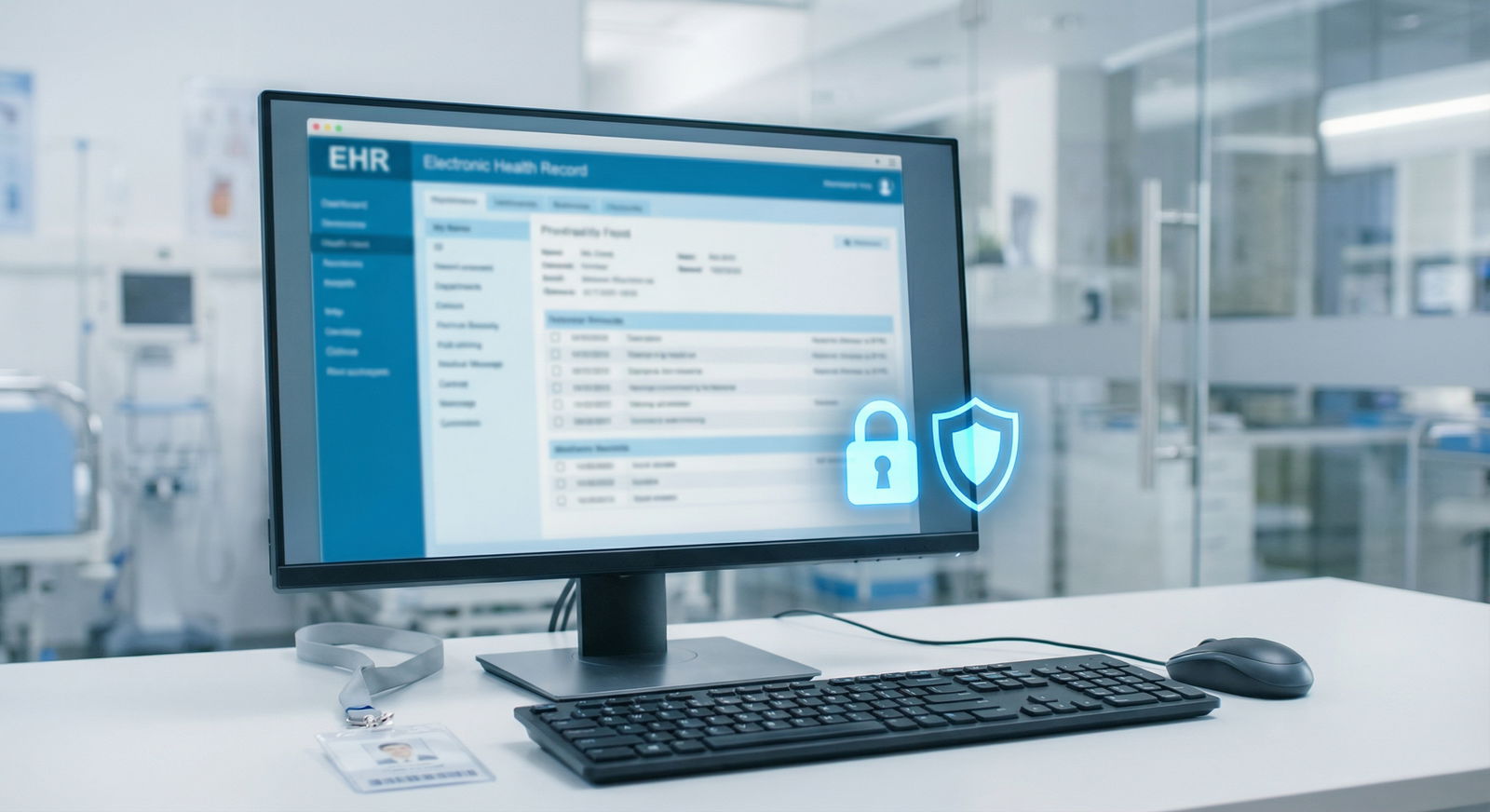
HIPAA: The Cornerstone of Privacy and Security in the U.S.
In the United States, the Health Insurance Portability and Accountability Act (HIPAA) provides the primary federal framework for protecting health information. Understanding its major provisions is a baseline expectation in modern clinical practice.
HIPAA defines Protected Health Information (PHI) as any individually identifiable health information in any form—oral, paper, or electronic—related to a person’s health, treatment, or payment.
Three major HIPAA rules are particularly relevant:
HIPAA Privacy Rule
- Sets national standards for when PHI may be used or disclosed.
- Limits disclosures to the “minimum necessary” information for a given purpose (except in certain clinical or patient-authorized situations).
- Gives patients rights to:
- Access their medical records
- Request corrections
- Obtain an accounting of certain disclosures
HIPAA Security Rule
- Focuses specifically on electronic PHI (ePHI).
- Requires administrative, physical, and technical safeguards, such as:
- Unique user IDs and passwords
- Role-based access control
- Encryption of data at rest and in transit
- Locked server rooms and secure device disposal
- For residents and students, this includes responsibilities like logging off shared computers, not sharing passwords, and being cautious about where and how you access the EHR.
Breach Notification Rule
- Requires covered entities and business associates to notify affected individuals, HHS, and in some cases the media, when unsecured PHI is compromised.
- “Unsecured PHI” generally means PHI that has not been properly encrypted or destroyed.
Failure to maintain HIPAA Compliance can lead to significant civil and criminal penalties, institutional sanctions, and disciplinary actions by licensing boards.
State Laws and Special Protections for Sensitive Information
Beyond HIPAA, state laws and specific federal regulations can add layers of protection—sometimes stricter than HIPAA—particularly for:
Mental health and psychotherapy notes
Many states require explicit written consent for disclosure of psychotherapy notes. Some differentiate between general mental health records and more detailed psychotherapy documentation.Substance use disorder treatment records (42 CFR Part 2)
Federal law provides heightened protection for certain substance use records, often prohibiting disclosure without specific, written patient consent except in limited circumstances.HIV status and STD records
Several states have special confidentiality rules for HIV and STI testing/diagnoses, including exact conditions under which results may be disclosed.Adolescent confidentiality
In some jurisdictions, minors can consent to services such as reproductive health, mental health, or substance use treatment without parental notification. In those cases, confidentiality may be owed to the minor, not the parents, within defined legal limits.
For trainees rotating in different states or systems, it is crucial to know your local laws and institutional policies, particularly in pediatrics, psychiatry, OB/GYN, and emergency medicine settings.
Legally Justified Exceptions to Patient Confidentiality
Confidentiality is not absolute. Healthcare providers may be obligated or permitted to disclose PHI without patient consent in specific situations, generally framed around preventing harm or fulfilling public health and legal duties. Common exceptions include:
Mandatory reporting
- Suspected child abuse or neglect
- Elder or dependent adult abuse
- Certain communicable diseases (e.g., tuberculosis, some STIs, COVID-19, depending on jurisdiction)
- Certain injuries (e.g., gunshot wounds, stab wounds) as mandated by local laws
Duty to warn or protect
- When a patient presents a credible and imminent threat of serious harm to an identifiable person or group (e.g., threats of violence), clinicians may be legally obligated to warn the potential victim and/or law enforcement, depending on state law (e.g., Tarasoff-type duties).
Court orders and subpoenas
- In some cases, courts may order release of specific information. Providers and institutions usually involve legal counsel to ensure only the required information is disclosed.
Public health and safety
- Reporting to public health authorities for disease surveillance, outbreak investigation, or vaccine monitoring.
In all such cases, limit disclosure to the minimum necessary, document the reasoning and legal basis, and, when safe and appropriate, communicate transparently with the patient about what must be reported and why.
Modern Challenges to Confidentiality: EHRs, Telemedicine, and Social Media
Technological advances have revolutionized care delivery—but they have also created new threats to privacy and raised complex Healthcare Ethics questions.
Digital Health Records and Cybersecurity Risks
Electronic Health Records (EHRs) improve care coordination, reduce errors, and support data analytics. However, they also:
- Increase the number of people with potential access to patient data
- Make large-scale data breaches and hacking attempts more feasible
- Raise risks of unintentional access (e.g., “curiosity” viewing of celebrity charts)
Common confidentiality risks in EHR use include:
- Accessing charts without a legitimate clinical reason
- Viewing records of colleagues, friends, or family members out of curiosity
- Leaving workstations unlocked in patient care areas
- Downloading PHI to personal devices or unencrypted USB drives
For residents and students, institutions typically monitor audit trails, so inappropriate access is traceable. A simple rule: If you are not directly involved in the patient’s care, quality review, or an approved educational activity, you should not open the chart.
Telemedicine Challenges and Remote Care
The rapid expansion of telemedicine has transformed access to care—but it has also introduced new Confidentiality and HIPAA Compliance concerns:
- Use of non-secure video platforms or messaging applications
- Patients connecting from shared spaces (e.g., workplace, home with family members nearby)
- Clinicians working remotely without adequate screen privacy or secure networks
- Recording of sessions (audio, video, or screenshots) without explicit policies
To manage Telemedicine Challenges ethically:
- Use HIPAA-compliant telehealth platforms approved by your institution.
- Confirm the patient’s identity and location at the start of each visit.
- Ask if it’s a private space and whether they are comfortable discussing sensitive issues.
- Use headphones and ensure your own environment protects audio and visual privacy.
- Clearly explain any limitations and what to do if the connection is lost.
Social Media, Teaching, and the “De-Identification” Pitfall
Social media and digital communication tools are now part of professional life. Yet they are a frequent source of confidentiality breaches, especially for trainees.
Risky scenarios include:
- Posting clinical stories, images, or “interesting cases” online, even when you think they’re de-identified
- Discussing patients in semi-public forums or group chats
- Sharing screenshots from the EHR, even with names and identifiers removed
- Using messaging apps that store or back up data insecurely
De-identification is more difficult than it seems. Unique combinations of age, diagnosis, date, and location can sometimes re-identify a patient, especially in small communities or rare conditions.
As a best practice:
- Do not post any patient-related content on personal social media, even if you believe it is anonymized.
- Use secure, institution-approved platforms for clinical communication.
- When teaching, use thoroughly de-identified or composite cases, and follow institutional policies on educational use of data.
Best Practices in Healthcare for Protecting Patient Confidentiality

Protecting confidentiality is not a one-time act but an ongoing, systemic effort. The following strategies are widely recognized as Best Practices in Healthcare and should be part of your professional habits from medical school onward.
1. Know the Law, Policies, and Professional Guidelines
- Learn the basics of HIPAA and how your institution applies it.
- Understand any state-specific rules relevant to your specialty or patient population (e.g., adolescent care, reproductive health, psychiatric care).
- Familiarize yourself with professional codes of ethics (e.g., AMA Code of Medical Ethics) on confidentiality and disclosure.
Action step for trainees:
Ask during orientation or early rotations for links to your institution’s privacy policies and required training modules; review them carefully and keep notes.
2. Use Strong Technical Safeguards
- Always log out of shared computers or lock screens when stepping away.
- Never share login credentials or use another person’s login.
- Avoid storing PHI on personal devices; if institutional policy allows mobile use, ensure appropriate encryption and remote wipe functions.
- Use institution-approved VPNs or secure networks when accessing EHRs remotely.
For telehealth and remote work, confirm that your device and network meet institutional security standards.
3. Practice Physical and Conversational Discretion
- Avoid discussing identifiable patient information in elevators, hallways, cafeterias, or public spaces, even within the hospital.
- Be mindful of who may be within earshot—patients’ family members, other patients, non-clinical staff.
- In shared rooms or multi-bed settings, use curtains, lower your voice, and keep sensitive details as private as possible.
- Position monitors so that screens are not easily visible to unauthorized individuals.
Simple habit: Before you start a sensitive conversation, quickly scan your surroundings—who can see or hear you?
4. Obtain and Document Informed Consent for Disclosures
Informed consent for disclosure goes beyond a signature:
- Explain what information will be shared, with whom, and for what purpose (e.g., with a specialist, insurer, or family caregiver).
- Clarify potential risks, especially for non-routine disclosures (e.g., research, case reports, media involvement).
- Use language the patient can understand; avoid jargon.
- Document the discussion and the patient’s preferences clearly in the record.
Example:
“If you’re comfortable, I’d like to update your daughter about your treatment plan. Is there anything you would prefer I not share with her?”
5. Create and Support a Culture of Confidentiality
Healthcare organizations that truly protect confidentiality do so through culture, not just policies:
- Encourage team members to speak up if they witness potential breaches (e.g., unattended charts, open screens, hallway conversations).
- Participate seriously in privacy training sessions instead of viewing them as bureaucratic checkboxes.
- As you advance in your training, model good behavior for junior trainees and students.
For residents, part of your leadership role is to set expectations on rounds and in team rooms about how PHI is handled and discussed.
6. Monitor, Audit, and Learn From Errors
Even in well-intentioned systems, mistakes occur. Best practice includes:
- Reporting suspected breaches promptly through institutional channels.
- Cooperating with audits and using them as learning opportunities.
- Advocating for systems-level improvements where you see recurring risks (e.g., computer placement, printer locations, sign-out procedures).
An ethical response to errors includes transparency, remediation, and systemic change—not blame and silence.
FAQs on Patient Confidentiality, Ethics, and Legal Obligations
Q1: What is the difference between privacy and confidentiality in healthcare?
A1:
- Privacy refers to a patient’s right to control access to their body, space, and personal information—essentially, the right “to be left alone.”
- Confidentiality refers specifically to the obligation of healthcare professionals and systems to protect information that patients share in the context of care.
In practice, privacy is about what information a patient chooses to share; confidentiality is about how clinicians handle and protect that information once it is shared.
Q2: When can a healthcare provider breach confidentiality without patient consent?
A2:
Clinicians may be required or permitted to disclose information without consent in situations such as:
- Mandatory reporting of suspected child, elder, or vulnerable adult abuse
- Certain communicable diseases reportable to public health authorities
- Serious and imminent threats of harm to self or others (duty to protect/warn, depending on jurisdiction)
- Compliance with court orders or specific legal requirements
Even when disclosure is justified, providers should limit information to the minimum necessary, document the rationale, and when safe, explain the situation to the patient.
Q3: How has telemedicine changed the way we approach Patient Confidentiality?
A3:
Telemedicine has amplified both opportunities and risks:
- Opportunities: Better access for rural or mobility-limited patients, more convenience, and continuity of care.
- Risks: Use of non-secure platforms, privacy issues in shared home environments, potential recording or interception of sessions.
To address these Telemedicine Challenges ethically, providers should:
- Use HIPAA-compliant platforms and secure internet connections
- Confirm the patient’s identity and location at each visit
- Ask about privacy in the patient’s environment
- Use headphones and protect screens on the clinician’s end
- Follow institutional telehealth policies and documentation requirements
Q4: What are practical steps residents and students can take to stay HIPAA compliant?
A4:
Key habits include:
- Access only the charts of patients you are actively involved in treating or reviewing for legitimate educational or quality purposes.
- Log off or lock computers when not in use; never share passwords.
- Avoid discussing patients in public spaces or on unapproved messaging systems.
- Do not share patient images or case details on personal social media.
- Ask supervisors when in doubt about disclosures, especially in complex situations (e.g., adolescent care, psychiatry, substance use).
These behaviors not only reduce legal risk but demonstrate professionalism and respect for Healthcare Ethics.
Q5: How does informed consent relate to confidentiality in clinical practice?
A5:
Informed consent is crucial for ethically sound disclosure:
- Before sharing PHI beyond what is needed for direct care or required by law, clinicians should obtain the patient’s informed consent.
- This includes explaining who will receive the information, what will be shared, why it’s necessary, and any foreseeable risks.
- Patients have the right to refuse certain disclosures, and their preferences should be documented and respected within legal limits.
Respecting informed consent reinforces patient autonomy, strengthens trust, and aligns both with ethical best practices and legal requirements.
By understanding Patient Confidentiality through both an ethical and legal lens—and by adopting concrete Best Practices in Healthcare—you not only protect your patients but also strengthen your professional credibility. As a future or current resident, demonstrating nuanced understanding of confidentiality in interviews, exams, and clinical encounters signals that you are prepared for the complex realities of modern practice.