
Starting a medical practice after residency is both exciting and intimidating. You finally have control over how you deliver care, but you’re also responsible for filling your schedule, sustaining revenue, and building a reputation from scratch. Clinical excellence alone is not enough. To grow a thriving medical practice, you must become intentional about Networking, Community Engagement, Healthcare Collaboration, and Patient Referrals.
This doesn’t mean becoming a pushy self-promoter. Effective networking in medical practice is about building authentic, mutually beneficial relationships—with patients, other clinicians, local businesses, and community organizations. Done well, it improves patient outcomes, increases referrals, and anchors your practice as a trusted community resource.
Below is a comprehensive, practical guide to networking as a new practice owner in the post-residency and early career phase.
The Strategic Role of Networking in a New Medical Practice
Networking is not an optional “extra” when starting a private practice; it is a core business strategy.
Why Networking Matters for New Practice Owners
1. Patient Referrals and Practice Growth
Word-of-mouth and professional referrals remain the most powerful drivers of patient volume, especially in the first 2–3 years of a new practice. Thoughtful networking:
- Creates referral pipelines from primary care, subspecialists, therapists, and ancillary providers
- Increases your visibility among community members who may later become patients
- Helps you attract the right patients—those aligned with your specialty areas and practice philosophy
2. Community Engagement and Trust-Building
Healthcare is deeply local. When you are visible, approachable, and consistently present, your community begins to see you as:
- A reliable medical resource
- An advocate for local health priorities
- A partner, not just a business owner
This builds trust, which is crucial for patient adherence, word-of-mouth referrals, and long-term loyalty.
3. Healthcare Collaboration and Better Patient Care
Networking with other healthcare professionals improves care coordination:
- Easier to consult and co-manage complex patients
- Better understanding of local resources (PT, behavioral health, nutrition, home health, etc.)
- More comprehensive, patient-centered care that sets your practice apart
4. Professional Support and Mentorship
Private practice can be isolating, especially right after residency. A strong professional network:
- Provides mentors to help with clinical dilemmas and business decisions
- Offers peer support when facing burnout or complex practice challenges
- Creates opportunities for shared resources, group purchasing, or call coverage
1. Community Engagement: Showing Up Where Your Patients Live and Work
Community engagement is one of the most powerful—and underutilized—strategies for new practice owners. Your goal is to become a familiar, trusted presence in the places your patients already gather.
Attend and Add Value at Community Events
Look for events where health and wellness naturally intersect with community life:
- Local health fairs and wellness expos
- School or college health events
- Faith-based health ministries or wellness days
- Charity runs, walks, and fitness events
- Senior center programs
- Chamber of Commerce or civic club meetings (Rotary, Kiwanis, etc.)
How to make these events count:
Offer on-site services:
- Simple screenings: blood pressure, BMI, basic vision checks, depression screenings (if appropriate)
- Brief risk assessments (e.g., diabetes risk, cardiovascular risk)
- Quick consultations on common concerns (back pain, sleep, nutrition)
Educate, don’t sell:
Provide short, clear handouts with practical tips (e.g., “5 Ways to Lower Your Blood Pressure at Home”) branded with your practice information.Capture permission to follow up:
Have a sign-up sheet or QR code for:- Email newsletter
- Updates on community talks or classes
- New patient welcome information
Track and follow through:
- Enter contacts into a simple CRM or spreadsheet
- Send a brief “nice to meet you at [event]” email with one useful resource (e.g., a downloadable guide)
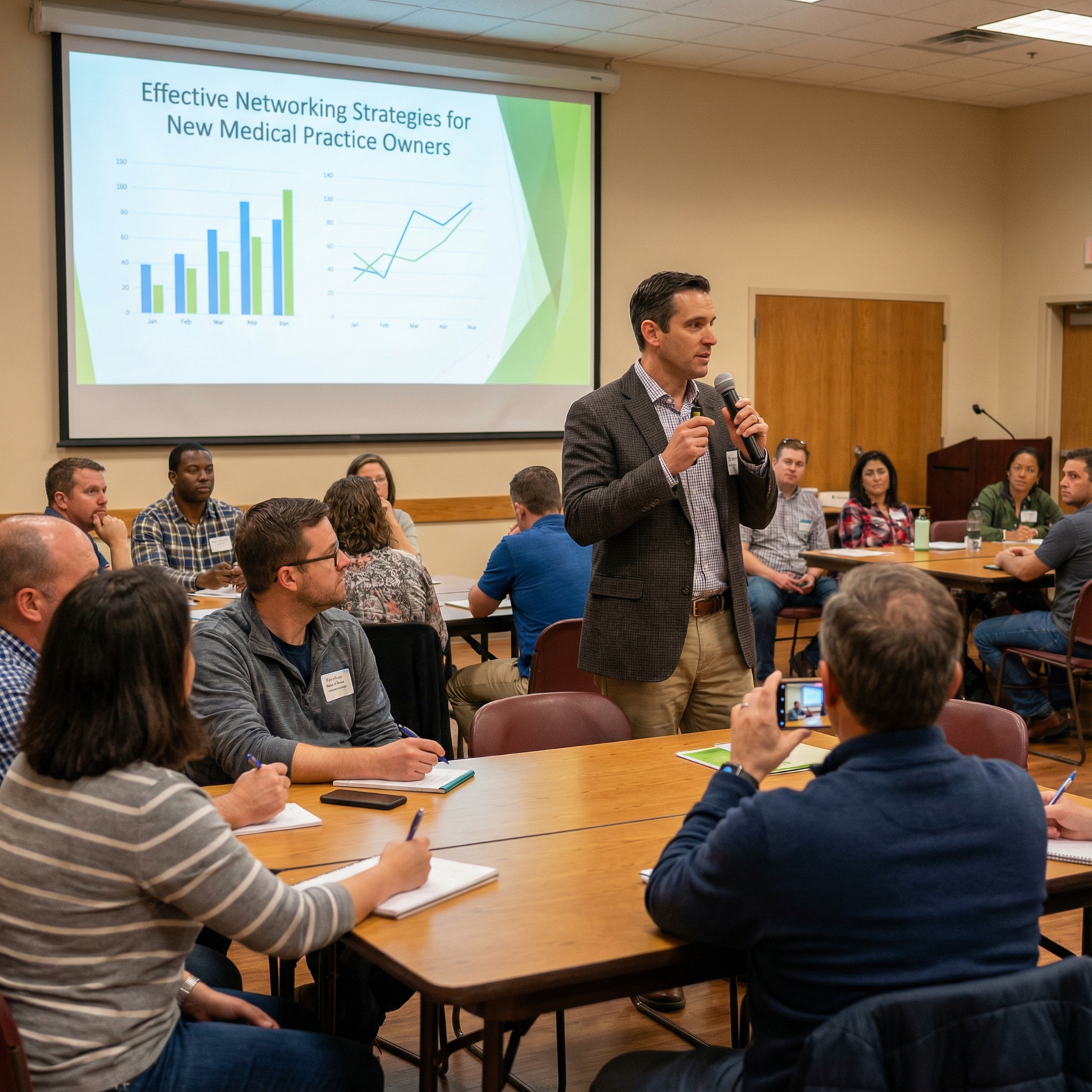
Become a Recognized Voice on Local Health Issues
Position yourself as a go-to expert in local conversations about health:
- Offer to write a monthly or quarterly column for a neighborhood newsletter, local paper, or community blog.
- Volunteer as a speaker for schools, PTAs, senior centers, or civic clubs.
- Be available to local media as a source on seasonal topics (flu, RSV, heat-related illness, mental health awareness months, etc.).
Tip: Keep your messaging non-promotional and focused on community benefit. Your credibility—and eventual patient referrals—will grow naturally.
2. Professional Associations and Medical Societies: Building Your Clinical and Business Network
Joining professional associations relevant to your specialty and geographic area is one of the most efficient ways to connect with other clinicians.
Local, State, and National Organizations
Consider joining:
- Your county or state medical society
- Specialty societies (e.g., American College of Physicians, ACOG, AAFP, AAOS, etc.)
- Subspecialty or interest groups (sports medicine, obesity medicine, pain, integrative medicine)
These groups often host:
- Local networking dinners or journal clubs
- Regional conferences and CME events
- Practice management workshops focused on billing, coding, compliance, and risk management
How Associations Support Your Practice Growth
1. Education and Resources
- Updates on clinical guidelines, coding changes, and regulatory requirements
- Templates for policies, consent forms, and compliance checklists
- Practice management tips specific to your specialty
2. Networking Platforms and Referrals
- Member directories where you can list your practice, specialties, and preferred referrals
- Listservs or online communities where physicians seek referral recommendations
- Relationships formed at meetings often translate directly into Patient Referrals
3. Visibility and Credibility
Being an active member—serving on a committee, speaking at an event, or contributing an article—signals:
- Professionalism and commitment to your field
- Stability and trustworthiness to both patients and peers
Action Step: Choose 1–2 organizations to engage with deeply rather than joining many passively. Aim to attend at least 2–3 events per year and volunteer for one small, manageable role (e.g., helping organize a local meeting).
3. Collaborating with Local Businesses and Organizations
Strategic partnerships with local businesses create win–win relationships that increase your reach and impact.
Identify High-Impact Partners
Look for organizations whose clientele overlaps with your target patient population:
- Gyms, yoga studios, and fitness centers
- Physical therapy and chiropractic clinics
- Pharmacies (independent and chain stores)
- Behavioral health practices and counselors
- Nutritionists, dietitians, and wellness coaches
- Large employers and HR departments
- Schools, universities, and athletic departments
Types of Healthcare Collaboration with Local Businesses
1. Co-Branded Events and Workshops
Examples:
- “Injury Prevention for Runners” at a local running store (for orthopedics, sports med, or primary care)
- “Managing Stress and Burnout” at a corporate office (for primary care, psychiatry, psychology)
- “Healthy Pregnancy Basics” at a maternity or baby store (for OB/GYN, family medicine, pediatrics)
2. Employer Partnerships and On-Site Programs
- Offer on-site screenings or lunch-and-learn sessions for companies.
- Provide discounted or prioritized appointments for their employees.
- Create chronic disease management programs (e.g., diabetes, hypertension) tailored to their workforce.
3. Cross-Promotion and Shared Marketing
- Display each other’s brochures or flyers.
- Collaborate on social media campaigns (e.g., “Heart Health Month” with a gym and pharmacy).
- Share blog posts or educational content and tag each other’s businesses.
Compliance Note:
Always ensure that any referral-related arrangement complies with federal and state regulations (e.g., anti-kickback statutes, Stark Law). Avoid anything that could be construed as paying for referrals. Focus on education, access, and mutual support, not financial incentives tied to specific referrals.
4. Building a Strategic Online Presence for Networking and Referrals
In modern medical practice, your digital presence is a central part of your networking strategy. Patients, peers, and community partners will often “meet” you online before they meet you in person.
Optimize Your Practice Website for Connection and Community
Key elements:
- Clear “About the Doctor” page: Include your training, clinical interests, language skills, and a brief statement about your approach to care.
- Community Engagement page or section: Highlight talks, events, outreach programs, and partnerships.
- Easy Contact Options: Online appointment requests, phone number, and clear office hours.
- Resources section: Short, patient-friendly articles or FAQs that you can share during networking interactions.
Use Social Media as a Professional Networking Tool
Choose 1–2 platforms you can maintain consistently:
- LinkedIn: For professional connections, healthcare collaboration, and visibility among other clinicians and administrators.
- Facebook or Instagram: For community-facing engagement, practice updates, and patient education.
Best practices:
- Share short, practical health tips tailored to your community (e.g., seasonal allergies in your region, local air quality, school health issues).
- Highlight your community activities (with proper patient privacy safeguards).
- Engage with other local healthcare pages, businesses, and organizations—comment thoughtfully and share relevant posts.
- Join local neighborhood or city groups where health questions come up frequently, and provide general education without giving individual medical advice.
Professional Boundaries and Compliance:
- Never provide diagnosis or specific medical advice on public posts.
- Keep all patient-related content fully de-identified and HIPAA-compliant.
- Maintain a clear social media policy for your practice.
5. Educational Seminars and Workshops: Becoming the Local Health Authority
Hosting educational seminars is a powerful way to combine Community Engagement, Networking, and Patient Referrals into a single activity.
Designing High-Impact Educational Events
1. Choose Topics That Solve Real Problems
Base your content on:
- Frequently asked questions in clinic
- Local health data (e.g., high rates of diabetes, obesity, smoking)
- Seasonal concerns (flu, back-to-school health, sports injuries, heat safety)
- Life-stage transitions (new parents, perimenopause, retirement, etc.)
Examples:
- “Understanding Pre-Diabetes: What You Can Do Now”
- “Preventing Youth Sports Injuries”
- “Heart Health for Busy Professionals”
- “Navigating Anxiety and Depression in Teens”
2. Select Accessible Locations
- Your practice waiting room (after hours)
- Community centers or libraries
- Schools, churches, or employer conference rooms
3. Promote Strategically
- Flyers at partner businesses, schools, and community centers
- Posts on your website and social media
- Emails to your contact list and referral partners
- Announcements in local event calendars or neighborhood groups
4. Use Events as Networking Catalysts
During and after the event:
- Introduce yourself personally to as many attendees as you can.
- Invite questions and open discussion.
- Provide a sign-up sheet for follow-up resources or a newsletter.
- Offer a one-page handout summarizing key takeaways with your practice info.
Educational events position you as a trusted authority while giving potential patients and referrers a low-pressure way to get to know you.
6. Building Strong Relationships with Other Healthcare Providers
Deep, respectful relationships with other clinicians are often the backbone of a successful referral network.
Identifying Key Referral Partners
Map out:
- Primary care of various types (MD/DO, NP, PA, FQHCs, urgent care)
- Specialists in adjacent fields (e.g., PCP with cardiology, endocrinology, orthopedics; OB/GYN with pediatrics; psychiatry with therapy practices)
- Allied health professionals (PT/OT, speech therapy, dietitians, behavioral health, pharmacists)
- Post-acute services (home health agencies, rehab facilities, hospice providers)
Approaches to Strengthening Provider Relationships
1. Proactive Introductions
- Send a concise, professional email or letter introducing yourself and your practice.
- Offer a brief in-person or virtual meeting to understand their needs and how you can help care for their patients.
- Bring or attach a one-page “referral guide” describing:
- Which patients you see
- How to refer (phone, fax, EHR, online form)
- Typical availability
- Languages spoken
- Insurances accepted
2. Provide Excellent Communication on Shared Patients
- Send timely consult notes, impression summaries, and clear follow-up plans.
- Make yourself available for brief phone calls when needed.
- Respect the referring provider’s relationship with the patient; avoid “poaching” primary care patients.
When referring out from your practice, be equally clear and appreciative. Strong two-way communication encourages consistent Healthcare Collaboration.
3. Show Appreciation and Reliability
- Send a brief thank-you message (paper or email) when another clinician begins referring patients.
- Deliver consistent, high-quality care and feedback so they feel confident sending more patients your way.
- Invite key referral partners to your educational events or open house.
7. Following Up, Staying Organized, and Nurturing Your Network
Networking is not a one-time project; it’s an ongoing habit. The long-term benefits depend on consistent, thoughtful follow-up.

Build a Simple Relationship Management System
You don’t need complex software to stay organized at first. A spreadsheet or basic CRM can track:
- Name, role, and organization
- Contact information
- How/where you met
- Shared interests or potential collaborations
- Last contact date
- Next follow-up date or action
Effective Follow-Up Strategies
1. Personalized Gratitude Notes
After meeting someone—a colleague, business owner, or community leader—send:
- A short email or handwritten note thanking them for their time
- A brief mention of something you appreciated from your conversation
- One practical resource or helpful link if relevant
2. Consistent Check-Ins
For key contacts (top referral sources, major partners):
- Check in every 3–6 months
- Share practice updates (new services, new team members, expanded hours)
- Ask how you can support their work or patients
3. Periodic Newsletters
Create a simple quarterly email newsletter for:
- Fellow clinicians and professional contacts
- Community partners and organizations
Include:
- Short clinical or public health updates
- New services or programs at your practice
- Upcoming seminars or community events
- Links to patient-friendly resources
Putting It All Together: A Sample 90-Day Networking Plan
For a new practice owner in the post-residency phase, here’s a realistic starter plan:
Month 1: Foundation
- Join your local medical society and one key specialty organization.
- Create or refine your LinkedIn profile and practice website “About” page.
- Identify 10–15 potential referral partners and send introductory emails.
- Schedule at least 2 one-on-one meetings (coffee, virtual, or office visit).
Month 2: Community Engagement
- Attend one community event (health fair, charity run, school function).
- Host or co-host one small educational session (in-person or virtual).
- Reach out to 2 local businesses (e.g., a gym and a pharmacy) to explore potential collaboration.
Month 3: Follow-Up and Expansion
- Send thank-you notes to anyone who has referred to you.
- Launch a simple quarterly email newsletter.
- Reconnect with initial contacts and schedule 2–3 additional meetings.
- Evaluate what worked best and refine your plan for the next quarter.
Over time, these small, consistent actions compound into a powerful network that supports both your patients and your practice.
FAQs: Networking and Community Engagement for New Practice Owners
How soon should I start networking after opening my medical practice?
Begin as early as possible—ideally 3–6 months before opening your doors. You can:
- Inform potential referral partners of your upcoming opening date
- Participate in local groups and events
- Build an online presence and share your planned services
If your practice is already open, start now. Aim for at least one networking activity (meeting, event, or educational effort) each week, even if small.
What if I’m introverted or uncomfortable with traditional networking?
You don’t need to be extroverted to be effective. Focus on:
- One-on-one or small group conversations instead of large mixers
- Educational activities (talks, workshops, writing articles) where you share expertise rather than “selling”
- Online networking through thoughtful LinkedIn posts, emails, or small virtual meetings
Authentic, low-pressure interactions are often more effective than aggressive self-promotion.
How can I encourage more patient referrals from other clinicians without seeming pushy?
Focus on service and communication:
- Make referrals easy with clear instructions and rapid appointment access
- Provide excellent consult notes and follow-up communication
- Show appreciation for each referral without expecting anything in return
- Periodically check in with referring clinicians to ask how you can better support their patients
When providers feel their patients are well cared for, referrals naturally increase.
How do I balance networking with my clinical workload and personal life?
Set realistic, sustainable goals:
- Block 1–2 hours per week on your calendar for networking activities
- Choose a few high-yield strategies (e.g., provider meetings, one community event per month, one quarterly seminar)
- Delegate logistics (flyers, social media posts, email lists) to staff or a virtual assistant when possible
Treat networking as part of your practice development time, not an optional extra.
Are there any legal or ethical issues I should consider when networking for patient referrals?
Yes. Always:
- Avoid any arrangement that involves paying for, or receiving payment for, specific referrals
- Steer clear of quid pro quo agreements tied directly to referral volume
- Ensure co-marketing and collaboration comply with federal and state laws (e.g., anti-kickback, Stark, state-specific regulations)
- Maintain patient privacy and HIPAA compliance in all public communications and collaborations
When in doubt, consult healthcare legal counsel or your state medical society’s guidance.
By approaching Networking, Community Engagement, and Healthcare Collaboration strategically—and with genuine respect for patients and colleagues—you can build a medical practice that is not only financially sustainable but also deeply integrated into and valued by your community.