
Introduction: Why Communication Skills Make or Break Your Clinical Rotations
Clinical rotations are where medical education shifts from abstract facts to real people and real consequences. You move from memorizing guidelines to applying them in dynamic, unpredictable settings. In this transition, one competency consistently predicts how smoothly you’ll adapt: communication skills.
Strong communication skills are the foundation of safe, compassionate patient care, effective collaboration with healthcare teams, and professional growth. They influence how well you gather information, present cases, advocate for your patients, and function under pressure.
This guide breaks down the core communication skills you need during clinical rotations and offers practical, real-world strategies to strengthen them. You’ll learn how to communicate with patients and families, work smoothly with interprofessional healthcare teams, and use technology and documentation to support high-quality patient care.
The Critical Role of Communication in Clinical Rotations
Enhancing Patient Care and the Therapeutic Relationship
During clinical rotations, your primary responsibility is patient care—often through history taking, physical exams, counseling, and follow-up. Effective communication is what transforms those tasks from checklists into meaningful encounters.
Key ways communication improves patient care:
- More accurate histories: Patients disclose more and give clearer details when they feel heard, respected, and not rushed.
- Better shared decision-making: When you explain diagnoses and treatment options in understandable language, patients can participate meaningfully in decisions.
- Improved adherence: Patients are more likely to follow treatment plans they understand and feel they had a role in shaping.
- Reduced anxiety and distress: Empathetic, clear explanations significantly lower fear around diagnoses, procedures, and hospitalizations.
Clinical example:
A patient with uncontrolled diabetes repeatedly misses follow-up visits. A rushed interaction might focus only on lecturing about A1c goals. A student with strong communication skills would ask open-ended questions, uncover transportation or financial barriers, and collaborate on a realistic plan—leading to better outcomes.
Strengthening Collaboration Within Healthcare Teams
Clinical rotations immerse you in complex healthcare teams that may include attending physicians, residents, nurses, pharmacists, physical therapists, social workers, and more. Your ability to communicate clearly and respectfully is essential for:
- Aligning on goals of care
- Clarifying responsibilities and plans
- Preventing duplicated work or missed tasks
- Building trust as a reliable team member
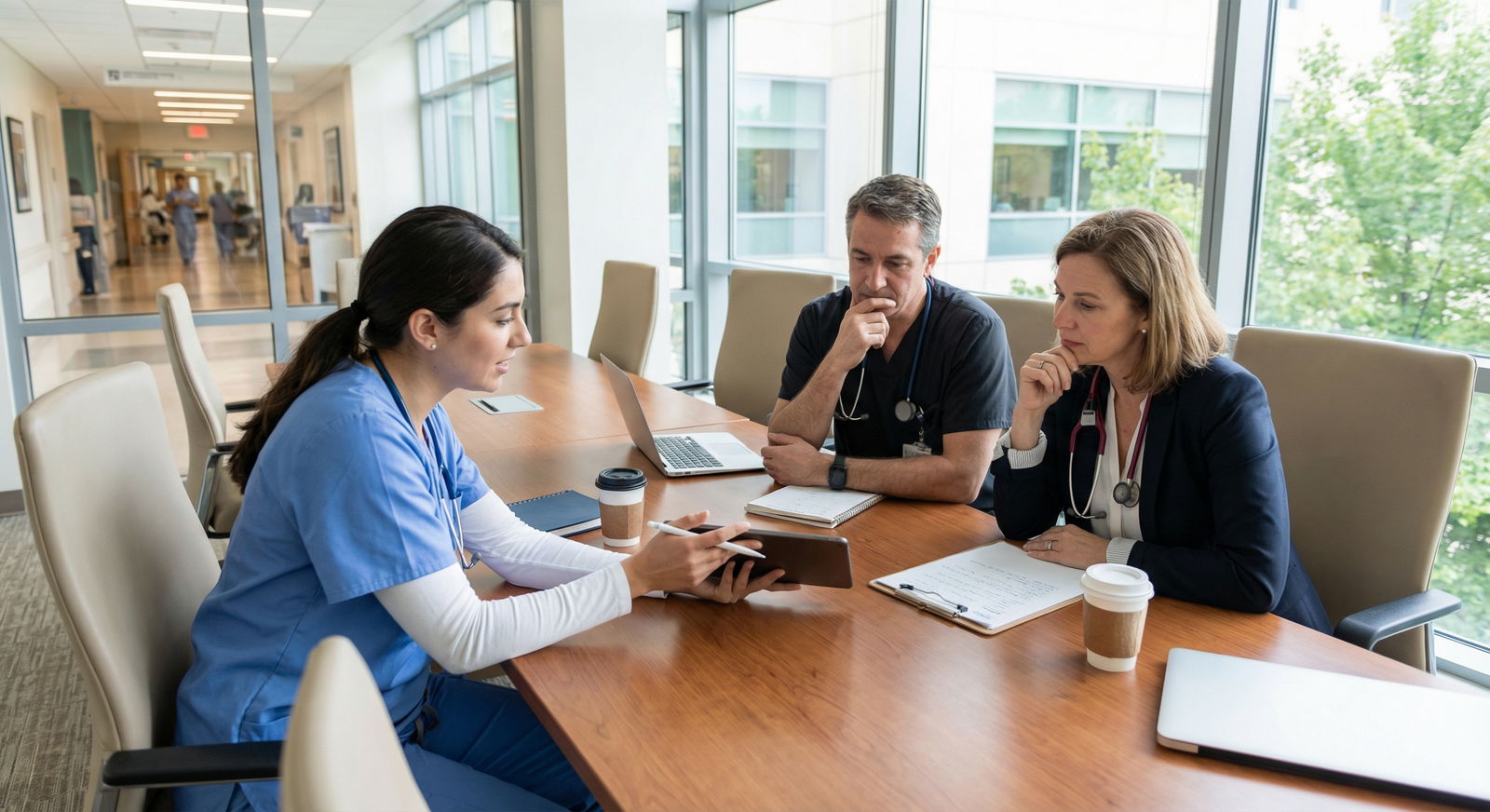
You’ll frequently present patients on rounds, call consults, receive feedback, and relay information between team members. Direct, concise, and professional communication helps the team function efficiently and keeps patient care at the center.
Examples of strong team communication:
- Giving a focused, structured oral case presentation.
- Asking clarifying questions when an order or plan is ambiguous.
- Communicating changes in patient status promptly and accurately to the appropriate team member.
Reducing Risk and Enhancing Patient Safety
Many medical errors stem from miscommunication—unclear handoffs, incomplete documentation, or assumptions that others understood the plan. During clinical rotations, you can support patient safety by:
- Confirming critical information (e.g., allergies, medications) with patients and the team.
- Using structured communication tools like SBAR (Situation, Background, Assessment, Recommendation) for handoffs or calls.
- Double-checking verbal orders and read-backs of essential details.
Even as a student, you are often the person who has spent the most time with a patient in a single day. You may be the first to notice subtle changes. Communicating those observations effectively can prevent deterioration or complications.
Navigating Cultural Diversity and Individual Patient Needs
Modern healthcare serves diverse populations with varying:
- Cultures and beliefs
- Languages
- Health literacy levels
- Expectations about the doctor–patient relationship
Effective communication skills in clinical rotations include cultural humility and adaptability:
- Avoid assumptions: Ask, “What matters most to you as we make decisions about your care?” rather than assuming priorities.
- Respect beliefs: Some patients may decline certain treatments or tests based on cultural or religious reasons—your role is to understand and communicate, not judge.
- Use professional interpreters: Rely on certified interpreters, not family members, for complex or sensitive conversations.
- Adjust language and tools: Use simple, plain language and visual aids where appropriate.
By bridging cultural and communication gaps, you improve trust, satisfaction, and outcomes for your patients.
Core Communication Skills to Develop for Clinical Rotations

1. Active Listening: Your Most Powerful Diagnostic Tool
Active listening goes beyond simply hearing words. It’s a deliberate effort to understand the content and emotion of what someone is saying.
Key behaviors of active listening:
- Give undivided attention: Put down your phone or tablet unless needed for the encounter. Position yourself at eye level with the patient.
- Use minimal encouragers: Short verbal prompts (“I see,” “Go on,” “Tell me more about that”) to show you’re engaged.
- Reflect and paraphrase:
- “It sounds like the pain is worse in the evenings and that’s when you feel most anxious. Did I understand that correctly?”
- Clarify rather than assume:
- “When you say ‘dizzy,’ do you mean the room is spinning, or do you feel lightheaded, like you might pass out?”
- Allow silence: Patients often need a few extra seconds to gather their thoughts or share something difficult.
Practical tip:
During your next history, consciously wait at least 2–3 seconds after a patient finishes speaking before you jump in. You’ll often get richer, more nuanced information.
2. Verbal Communication: Clear, Compassionate, and Concise
Your spoken words are central to every part of clinical rotations—presentations, patient counseling, difficult conversations, and teaching moments.
Elements of strong verbal communication
- Clarity:
- With patients: Replace jargon with everyday language (“heart attack” instead of “myocardial infarction”), and verify understanding.
- With colleagues: Use precise medical terms and structured presentations.
- Conciseness:
- On rounds, aim for focused, relevant details rather than exhaustive lists.
- Tone and pace:
- Speak calmly and at a moderate pace. Avoid sounding impatient, dismissive, or overly casual.
- Empathy:
- Acknowledge emotions explicitly: “I can see this is really upsetting for you, and that’s completely understandable.”
- Checking understanding:
- Use teach-back: “Just to be sure I explained it clearly, can you tell me in your own words what the plan is for tonight?”
Clinical example:
When consenting a patient for a procedure as a student (under supervision), you might say:
“We’re recommending a colonoscopy. That means using a flexible camera to look inside your large intestine. The main reasons are to check for causes of your bleeding and to remove any polyps if we find them. There are some risks, like bleeding or a small risk of a tear, but these are uncommon. What questions do you have so far?”
3. Non-Verbal Communication: What You Say Without Words
Non-verbal communication is often what patients and colleagues notice first—and remember most.
Key non-verbal skills:
- Eye contact: Signals attention and respect, but adjust based on cultural norms and patient comfort.
- Posture: An open, relaxed posture (uncrossed arms, leaning slightly forward) conveys interest and approachability.
- Facial expressions:
- A gentle, appropriate smile at the start of encounters can build rapport.
- Avoid expressions that may be misinterpreted as annoyance or boredom.
- Physical positioning:
- Sit when possible; patients often perceive the interaction as longer and feel more respected.
- Professional appearance:
- A clean white coat or professional attire, visible ID badge, and neat appearance contribute to perceived competence and trust.
Example in practice:
On a busy service, you enter a room to discharge a patient. Instead of staying standing in the doorway with your hand on the doorknob, you sit down, face the patient, and ask, “What questions do you still have before you go home?” The patient feels you’re not rushing them out the door, even if you only spend three minutes.
4. Written Communication: Documentation That Truly Supports Patient Care
Written communication in clinical rotations happens mostly through clinical notes, orders (under supervision), and sometimes patient instructions. Good documentation is:
- Accurate: Reflects what actually happened, what the patient said, and what you observed.
- Specific and objective:
- Instead of “patient doing better,” write: “Patient reports pain improved from 8/10 yesterday to 3/10 today, ambulating 50 feet with minimal assistance.”
- Structured and organized:
- Use standard formats (SOAP, H&P, daily progress note structure).
- Timely:
- Document important events (falls, changes in mental status, new symptoms) as soon as feasible.
Impact on patient care:
Clear notes help the next team member understand what changed, what you were thinking, and what the plan is. Poor or vague notes create confusion, delays, and risk.
Practical tip:
Ask residents or attendings for feedback on a sample note early in each rotation. Incorporate their preferences on detail level, structure, and key elements they prioritize.
5. Technology and Digital Communication in Modern Healthcare
Modern patient care heavily involves digital tools. As a student, you should develop comfort and professionalism in using them.
Key areas:
- Electronic Health Records (EHRs):
- Learn keyboard shortcuts, templates, and order sets specific to your institution.
- Avoid copy-paste errors—ensure everything you sign reflects the current encounter.
- Telehealth encounters:
- Look into the camera (not the screen) to simulate eye contact.
- Check audio and video in advance.
- Minimize distractions and ensure a private, professional background.
- Secure messaging systems:
- Use institutional messaging or paging systems for brief, focused communication (e.g., “Pt 425 – BP 82/50, new confusion. Can you come evaluate?”).
- Avoid using unsecured channels for patient information.
Professionalism reminder:
Everything you write in the EHR or secure messages is part of the permanent medical record or institutional system. Be concise, factual, and professional—never sarcastic or casual about patients or colleagues.
Real-World Communication Scenarios in Clinical Rotations
Scenario 1: Anxious Patient Facing a New Diagnosis
You’re seeing a patient newly diagnosed with congestive heart failure. They look worried and keep asking, “Does this mean I’m going to die soon?”
How to approach:
Start with active listening and empathy:
- “I can see this is very frightening news. Many people feel overwhelmed when they first hear this diagnosis. Can you tell me what worries you the most right now?”
Use clear, tailored explanations:
- “Heart failure doesn’t mean your heart has stopped working. It means it’s not pumping as strongly as we’d like. There are medications and lifestyle changes that can help your heart work better and help you feel better.”
Address emotions and expectations:
- “It’s normal to think about worst-case scenarios, but part of our job is to work with you on a plan to improve your symptoms and reduce risks. Would it help if I went over the next steps in your care?”
Check understanding and involve the patient:
- “In your own words, what’s your understanding of what heart failure means for you now?”
This approach builds trust, reduces anxiety, and models compassionate patient care that attendings and residents will value.
Scenario 2: Communicating Within a Multidisciplinary Healthcare Team
You’re on an internal medicine rotation. During rounds, the team is discussing a complex patient with new confusion, kidney dysfunction, and a recent medication change.
Your communication tasks:
Present the overnight events concisely:
- “Overnight, Mr. L developed new confusion and disorientation. Nursing noted he was pulling at his IV lines. Vitals remained stable. This morning, his creatinine increased from 1.0 to 1.8, and he’s had poor oral intake.”
Invite input from other team members:
- “I’m concerned about possible medication toxicity or dehydration. I’d be interested in pharmacy’s thoughts on whether any of his medications could be contributing.”
Clarify plans and responsibilities:
- “So to summarize, we’ll get a CT head, draw a repeat BMP this afternoon, hold the ACE inhibitor, and start IV fluids at 75 mL/hr. I’ll update the nurse about watching for any worsening confusion and follow up on the scan results.”
This kind of clear, structured communication makes you a valued member of the healthcare team and directly supports patient safety.
How Strong Communication Skills Improve Patient Outcomes and Your Training
Research in medical education and patient care consistently shows that effective communication leads to:
- Higher patient satisfaction scores.
- Better adherence to medications and follow-up visits.
- Reduced malpractice claims against physicians.
- More accurate diagnoses and fewer errors related to misunderstanding.
For you as a learner, communication skills also:
- Improve your evaluations in clinical rotations—attendings frequently comment on professionalism, teamwork, and bedside manner.
- Make it easier to receive and integrate feedback.
- Help you advocate for your patients and yourself effectively.
- Build relationships that may lead to mentorship and stronger letters of recommendation.
Communication is not a “soft” add-on to your medical knowledge. It is a core clinical skill set that amplifies—or undermines—everything else you do.
Practical Strategies to Build Communication Skills During Clinical Rotations
Seek and Use Feedback Intentionally
- Ask residents and attendings:
- “Could you give me feedback on my oral presentation today?”
- “How could I have explained that diagnosis more clearly to the patient?”
- Reflect after challenging encounters:
- What went well?
- What would you do differently next time?
Practice Difficult Conversations in Low-Stakes Settings
- Use role-play with classmates or standardized patients to practice:
- Delivering bad news (with structured protocols like SPIKES).
- Discussing code status or goals of care.
- Managing an angry or dissatisfied patient.
Observe Role Models and Anti-Role Models
- Notice which clinicians patients seem to trust quickly—and what they do non-verbally and verbally.
- Reflect on interactions where communication seemed to break down and consider what could have been done differently.
Build a Personal Communication Checklist
Before and after patient encounters, mentally review:
- Did I introduce myself and my role clearly?
- Did I use open-ended questions?
- Did I check understanding and invite questions?
- Did I close the encounter by summarizing and confirming the plan?
Over time, these habits become automatic and will greatly strengthen your patient care.
FAQ: Communication Skills in Clinical Rotations
1. What are the most essential communication skills for success in clinical rotations?
The most critical communication skills include:
- Active listening to understand patients’ symptoms, concerns, and values.
- Clear verbal communication tailored appropriately to patients versus colleagues.
- Effective non-verbal communication (eye contact, posture, facial expressions).
- Accurate, structured written communication in clinical documentation.
- Professional use of technology (EHR, telehealth, secure messaging).
- Team communication skills, such as concise case presentations and clear handoffs.
Together, these skills support safe, efficient, and compassionate patient care.
2. How does effective communication directly influence patient care and outcomes?
Effective communication:
- Leads to more accurate histories and diagnoses.
- Increases patient understanding of their condition and treatment.
- Improves adherence to medications and follow-up.
- Reduces anxiety and enhances trust.
- Decreases the likelihood of errors due to misunderstanding or poor handoffs.
In short, when communication is strong, patients are more engaged, more informed, and more likely to experience better outcomes.
3. Why is non-verbal communication so important in healthcare settings?
Non-verbal communication often sets the tone of an interaction before a single word is spoken. In healthcare:
- Eye contact, posture, and facial expressions can convey respect, empathy, or—if misaligned—disinterest or impatience.
- Patients may forget specific words you used but remember how you made them feel.
- Team members also form impressions of your professionalism and reliability partly based on your non-verbal cues.
Aligning your non-verbal behavior with your verbal message is essential to building trust with both patients and colleagues.
4. How can I improve my communication skills while balancing the heavy workload of rotations?
You can integrate communication practice into your daily routine without adding extra time:
- Set one micro-goal per day, such as “Today I’ll focus on using open-ended questions during all my initial histories.”
- Reflect briefly after key encounters—even 2–3 minutes between patients.
- Ask for targeted feedback: “Could you give me one suggestion to improve my presentations?”
- Observe attendings and residents and consciously adopt effective behaviors you see.
Over weeks and months, these small, consistent efforts lead to substantial improvement.
5. How does technology help—or hurt—communication in clinical rotations?
Technology can enhance communication by:
- Providing rapid access to patient information via EHRs.
- Facilitating telehealth visits for patients who can’t easily come to clinic.
- Enabling prompt secure messaging between healthcare team members.
However, it can also hinder communication if:
- You focus more on the computer screen than on the patient.
- Overreliance on copy-paste in notes leads to outdated or inaccurate information.
- Messages are vague, incomplete, or sent through inappropriate channels.
The key is to use technology as a tool in service of human connection, not a substitute for it.
By deliberately building your communication skills throughout medical school and especially during clinical rotations, you are not only improving your evaluations—you are laying the foundation for a patient-centered, collaborative, and fulfilling career in medicine.