
I've watched admissions committee members skim an activities section in under two minutes and say one word out loud: "Filler."
That word should scare you. Because here's the brutal truth about clinical volunteering: it's one of the only parts of your application where doing more can actually mean less. Two hundred hours in the wrong role reads worse than forty hours in the right one. Adcoms have read tens of thousands of applications. They've seen every trick. And they can smell checkbox volunteering from across the conference table.
The good news? Every single mistake on this list is avoidable, if you know what the red flags look like before you commit your time. Let's walk through the seven ways applicants sabotage their own clinical hours, and exactly how to make sure none of them end up on your file.
The Core Challenge: 7 Mistakes That Scream "Filler"
Mistake #1: The Panic Sprint
Don't make this mistake: cramming 90% of your clinical hours into the six months before you apply.
Admissions committees see your dates. When your application shows 10 hours across freshman and sophomore year and then 150 hours jammed into junior spring, the message is loud and clear, you didn't do this because you cared. You did it because you realized you had to.
Same total. Completely different story. Applicant A looks like someone testing a career. Applicant B looks like someone checking a box. Longitudinal commitment is the single cheapest credibility you can buy, it just costs you starting early.
Mistake #2: The Blanket-Warmer Shuffle
This is the most common trap on the list, and it catches thousands of premeds every year.
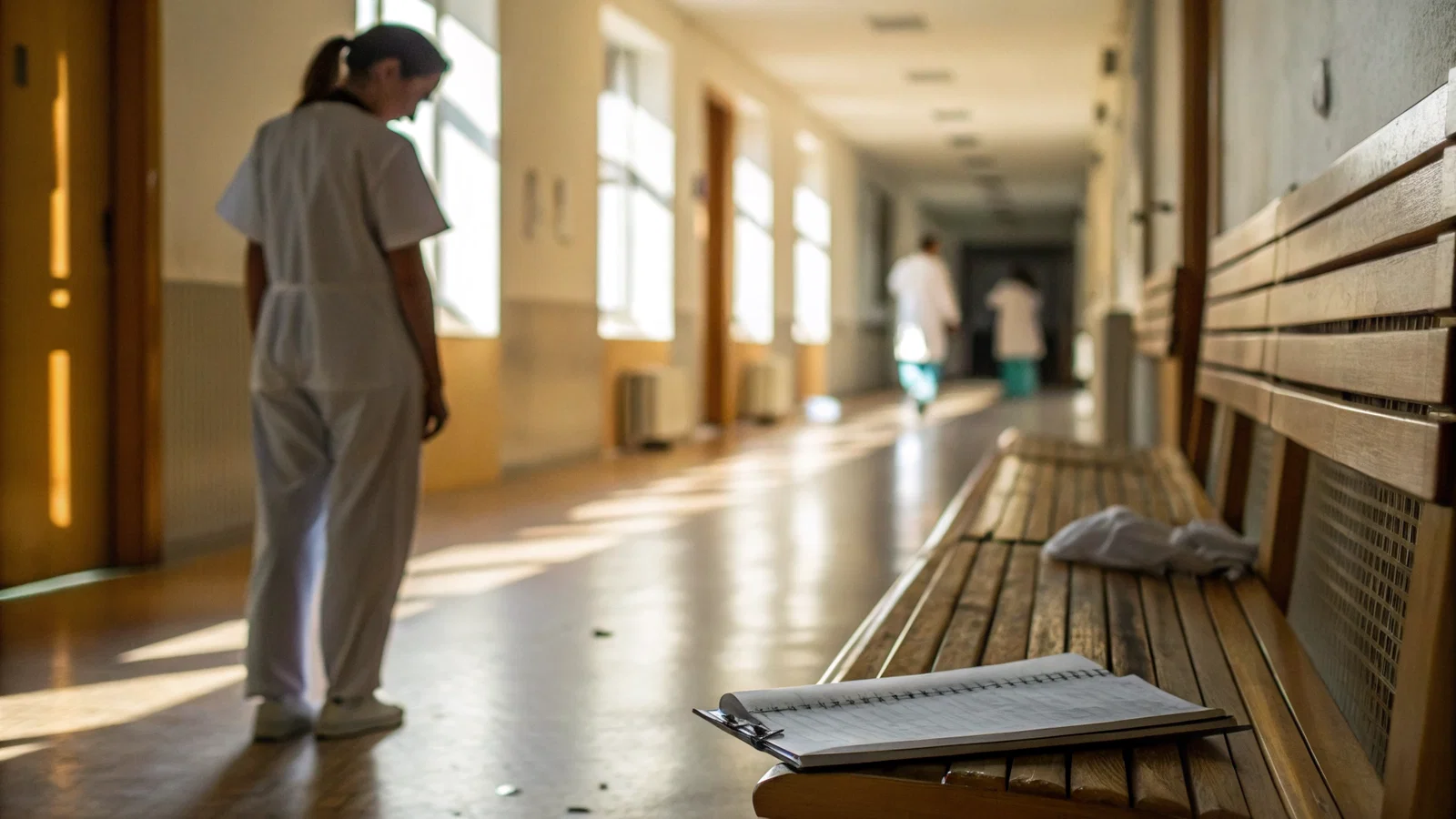
You sign up through the hospital's volunteer office. They hand you a vest. Your job: restock blanket warmers, deliver flowers, wheel discharged patients to the lobby, tidy the waiting room. You log 200 hours. You feel productive. Then an interviewer asks, "Tell me about a patient you worked with," and you have nothing. Because you never actually worked with a patient, you worked near them.
Tasks are not experiences. If your role could be done by a particularly motivated room service cart, it isn't clinical.
Mistake #3: The Gift Shop Trap
Close cousin of Mistake #2, but sneakier: hospital-adjacent volunteering that has zero clinical content.
Gift shop cashier. Front-desk greeter. Information booth. These roles happen inside a hospital building, which tricks applicants into thinking they count. They don't. A hospital is a building; clinical experience is contact with patients in a care context. Selling magazines to visitors is retail with worse parking.
The rule I give students: if you removed every patient from the building and your job stayed exactly the same, it isn't clinical volunteering. Full stop.
Mistake #4: The Collector
Some applicants respond to this anxiety by hoarding experiences, five different sites, 30 hours each, nothing sustained anywhere.
This reads as filler too. Here's why: depth is where the growth happens. Your first 20 hours anywhere are orientation and awkwardness. The meaningful stuff, the hard conversations, the moments that change you, the trust you build with staff, lives on the other side of hour 50. An applicant who spent 18 months at one free clinic and can describe exactly how the triage system fails diabetic patients on Fridays? That's a future physician. An applicant with six scattered stints and nothing to say about any of them? Filler.
Mistake #5: The Ghost
You showed up. You did the tasks. You never talked to anyone. Nobody knows your name.
This mistake stays invisible until it detonates: you ask the volunteer coordinator for a letter of recommendation and get a generic paragraph confirming your hours. Committees read those letters and learn exactly nothing, which itself says something. If 200 hours of your life produced zero humans who can vouch for you, adcoms wonder whether you were present at all.
You need supervisors, nurses, or physicians who've actually seen you work. That means introducing yourself, asking questions, staying after your shift when something interesting is happening. Presence is a choice.
Mistake #6: The Script-Reader
This one shows up in interviews and personal statements, and it's a dead giveaway.
Ask a script-reader about their volunteering and they recite duties: "I transported patients, restocked supplies, and assisted staff." Ask them about a specific patient, one face, one conversation, one moment that stuck, and they freeze or invent something vague.
Real clinical exposure changes you in specific, narratable ways. I once heard an applicant describe holding a hospice patient's hand during her final hour, and how the silence in that room rewired how he thought about medicine. The room went quiet. That's what hours are supposed to produce. If you can't produce three specific patient stories from your experience, the problem isn't your memory, it's the experience.
Mistake #7: The Disappearing Act
You submit your primary application in June. You quit volunteering in July.
Admissions committees notice, especially at schools that ask for updates or that interview you months later. "Are you still involved at the clinic?" is a real interview question, and "No, I stopped once I applied" is a real answer people give. It confirms everything the committee suspected: the volunteering was instrumental, not genuine. Medicine is a 40-year commitment. If you can't sustain four hours a week through an application cycle, you're telling them something you don't want to say.
Actionable Next Steps: Fix It Before They Flag It
Enough warnings. Here's the repair plan.
Step 1: Audit your current hours with the litmus test. Run every experience through this filter honestly:
Step 2: Replace or upgrade one weak experience this semester. Don't nuke everything, swap your weakest role for one with direct patient contact:
- Hospice volunteering, Medicare-certified hospices are federally required to use volunteers for a slice of patient care hours, which means real bedside contact is built into the model.
- Free clinics and FQHCs, understaffed by definition, so volunteers do more than push carts.
- ED volunteer programs with patient liaison duties, verify the actual job description, not the posting title.
- Paid upgrades if you can manage it: EMT, CNA, phlebotomist, medical assistant. These end the "is it clinical?" debate permanently.
Step 3: Spread your hours across semesters. Even 3-4 hours a week compounds into a story of sustained commitment. Consistency beats intensity every time.
Step 4: Build two relationships on purpose. Identify one supervisor and one clinician who see you work regularly. Ask them questions. Let them know your goals. These are your future letter writers, treat that like it matters, because it does.
Step 5: Keep a patient encounter journal. After each shift, write one paragraph: who you met, what happened, what it made you think. De-identify everything. This journal becomes your personal statement, your secondaries, and your interview answers. Applicants who skip this step end up as Script-Readers. Don't.
Resources worth your time: the AAMC's guidance on clinical experience, your school's prehealth advising office, local hospice organizations, and community health center volunteer coordinators. Verify every role's actual duties before you commit a semester to it.
Key Takeaways
- Hours are not the metric. Patient contact, longevity, and relationships are.
- Adcoms read dates and depth. Sprints and scattered stints both read as filler.
- If you can't tell a patient story, the experience isn't working, change the role, not the narrative.
- Never quit at submission. Continuity through application season is part of the signal.
- Journal everything. Your future essays are written on Tuesday night shifts, not in May of application year.