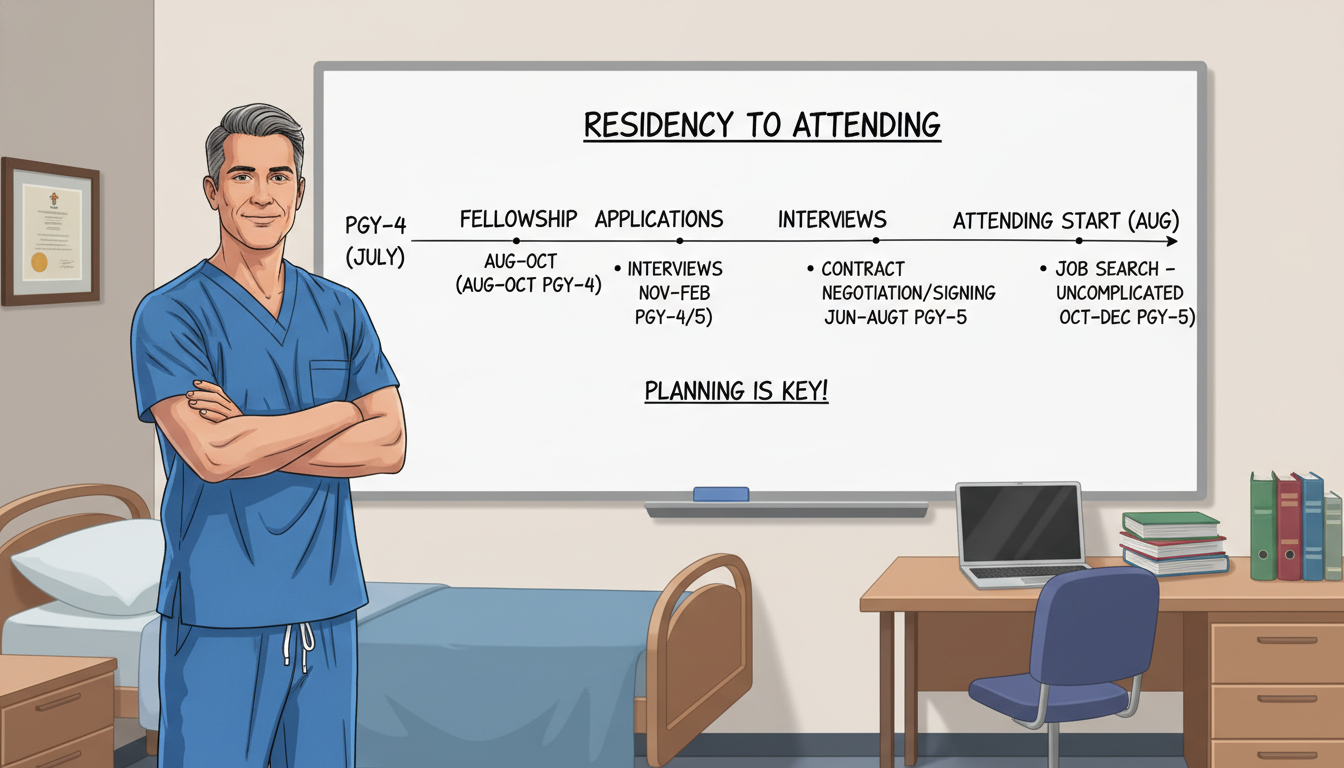
Crafting an Impressive CV for New Physicians Entering the Job Market
Entering the job market as a new physician is a major transition. After years of medical school, residency, board exams, and call nights, you’re finally ready to launch your professional career. At this stage, your Curriculum Vitae (CV) becomes one of your most powerful tools.
In a competitive landscape—whether you’re pursuing hospital employment, a fellowship, academic medicine, or private practice—your CV is often the first (and sometimes only) snapshot an employer or recruiter sees. A strong, well-crafted CV can move you quickly to the top of the interview pile; a weak or poorly organized one can keep you from being considered, even if you’re an excellent clinician.
This guide walks you through CV writing specifically for new physicians and early-career doctors, with practical Resume Tips, examples, and strategies tailored to modern medical careers and job applications.
Why Your CV Matters So Much in the Physician Job Market
Your CV does more than list dates and job titles—it tells the story of your development as a physician.
How Employers Actually Use Your CV
When health systems, group practices, or academic departments review applications from new physicians, they typically:
Screen quickly for basic qualifications
- Training and specialty
- Licensure and board status
- Fit with the practice setting (inpatient vs. outpatient, academic vs. community)
Assess alignment with the role
- Experience with certain patient populations
- Procedural skills or subspecialty interests
- Evidence of professionalism and reliability
Differentiate among strong candidates
- Scholarly activity (for academic positions)
- Leadership roles, teaching, and quality-improvement work
- Commitment to specific populations (e.g., underserved, rural, geriatric)
A clear, compelling CV makes this review process simple. If hiring teams can immediately see why you’re a match, you increase your chance of being shortlisted for interviews.
Qualities of a High-Impact Physician CV
To stand out in post-residency job applications, your CV should demonstrate:
Clarity and Readability
- Clean, professional layout
- Logical section order
- Adequate white space; concise bullet points
Tailoring to the Position
- Emphasis on the experiences most relevant to the specific role
- Strategic use of language that mirrors the job posting
- Adjusted emphasis depending on whether it’s academic, community, rural, or telemedicine-based
Comprehensive but Focused Content
- All key components present (training, licensure, skills, experience)
- Unnecessary information (e.g., high school) removed
- Emphasis on what matters most for new physicians entering the job market
Professional Tone and Consistency
- Formal, confident language
- Consistent tense, fonts, spacing, and formatting
- No slang, abbreviations without explanation, or casual phrasing
Error-Free Presentation
- Zero spelling or grammatical errors
- Dates, titles, and institutions double-checked
- Peer or mentor review before sending
Remember: in many settings, your CV is your first professional handshake. Make it as polished as you would want your in-person impression to be.
Essential Components of a Physician CV (With Examples)
While structures can vary slightly, most physician CVs include the following key sections. Order them based on what you want to highlight first—especially important in early medical careers.

1. Contact Information and Professional Identity
Start with a clear header that makes it easy to contact you and signals your professional status.
Include:
- Full name with credentials (e.g., Jane A. Smith, MD; John R. Lee, DO)
- Phone number (mobile, with voicemail set up professionally)
- Professional email (e.g., firstname.lastname@domain.com)
- City and state (full address is optional)
- LinkedIn profile or professional website (optional but helpful)
Example:
Jane A. Smith, MD
Internal Medicine – PGY-3
City, State • (555) 123-4567 • jane.smith.md@email.com
linkedin.com/in/janesmithmd
Avoid nicknames, personal email handles (e.g., “drjane4ever”), or multiple phone numbers.
2. Professional Summary or Objective (Optional but Helpful)
A brief, targeted summary can immediately frame your candidacy—especially useful for new physicians with limited independent practice experience.
When to Include:
- You’re targeting a specific type of role (e.g., hospitalist, outpatient primary care, academic position)
- You want to highlight a niche (e.g., women’s health, addiction medicine, rural care)
Example – Community Internal Medicine Position:
Professional Summary
Board-eligible internal medicine physician completing residency at a large academic medical center. Experienced in high-acuity inpatient and continuity clinic settings with a strong focus on patient-centered communication, chronic disease management, and care coordination. Seeking a full-time outpatient internal medicine position in a community-based clinic serving diverse populations.
Keep this 2–4 sentences, tailored to each job.
3. Education
List your medical education and relevant prior degrees in reverse chronological order.
Include:
- Degree (MD, DO, MBBS, etc.)
- Institution name
- City, State (or City, Country if international)
- Graduation month and year
Example:
Education
Doctor of Medicine (MD), University of Health Sciences, City, State — May 2023
Bachelor of Science in Biology, State University, City, State — May 2018
For new physicians, you do not need to list GPA, MCAT, or high school.
4. Clinical Training: Residency and Fellowships
For new physicians, this is often the most important section. Place it near the top of your CV.
Include:
- Program name and specialty
- Institution and affiliated hospitals
- City, State
- Dates of training (month/year to month/year)
- PGY status (if still in training)
Example:
Postgraduate Training
Internal Medicine Residency, General Hospital, City, State
PGY-3 (June 2023 – June 2026 expected)
You may add a short list of key experiences under your training program, especially if highly relevant:
- “High-volume tertiary care center with 800+ beds”
- “Continuity clinic with focus on underserved populations”
- “Significant exposure to ICU and step-down units”
5. Medical Licensure, DEA, and Board Status
Hiring entities must quickly confirm that you’re eligible to practice.
Include:
- State medical licenses (with state, license type, and status)
- DEA registration (if applicable)
- Board certification or board-eligible status (with specialty and year)
- Relevant national or international certifications
Example:
Licensure and Certifications
- State Medical License, State A — Active
- DEA Registration — Pending (application submitted March 2025)
- Board-Eligible, American Board of Internal Medicine — Expected Certification 2026
- Basic Life Support (BLS), American Heart Association — Expires 2026
- Advanced Cardiac Life Support (ACLS) — Expires 2026
- Pediatric Advanced Life Support (PALS) — Expires 2025
Make sure dates and statuses are accurate; nothing delays hiring faster than unclear licensure status.
6. Professional Experience (Clinical and Non-Clinical)
For new physicians, “Professional Experience” often includes:
- Moonlighting work
- Prior healthcare roles (e.g., scribe, nurse, EMT)
- Leadership roles with substantial responsibility
- Relevant non-clinical roles (e.g., health tech, quality improvement)
Organize in reverse chronological order and use bullet points to highlight impact.
Example (Clinical Experience):
Professional Experience
Internal Medicine Resident Physician
General Hospital, City, State — June 2023 – Present
- Managed inpatient care for a diverse adult population on general medicine and step-down units, averaging 10–14 patients per day.
- Led interdisciplinary rounds with nursing, case management, and pharmacy to optimize discharge planning and reduce readmission risk.
- Supervised and taught medical students on the wards, receiving positive feedback on clarity and bedside teaching.
Example (Moonlighting or Per Diem Work):
Per Diem Hospitalist (Moonlighting)
Community Medical Center, City, State — July 2024 – Present
- Provided independent night coverage for a 120-bed community hospital, admitting and cross-covering 20–30 patients per shift.
- Managed common inpatient emergencies and collaborated with tele-ICU services.
Use action verbs (“managed,” “coordinated,” “implemented,” “led”) and, when possible, add metrics (patient volumes, throughput, outcome improvements).
7. Research Experience and Quality Improvement (QI)
For many new physicians, research or QI is an important differentiator, especially for academic or hybrid roles.
Include:
- Project title or topic
- Role (e.g., Principal Investigator, Co-investigator, Research Assistant)
- Institution
- Dates
- One to three bullet points summarizing your contribution and outcomes
Example:
Research and Quality Improvement
Research Assistant, Department of Medicine
University of Medicine, City, State — June 2021 – May 2022
- Evaluated the impact of telemedicine follow-up visits on patient engagement and missed-appointment rates during the COVID-19 pandemic.
- Collected and analyzed data from 300+ patient encounters; findings presented at the State Internal Medicine Conference.
If you led QI initiatives (e.g., sepsis bundle compliance, handoff improvement), include them here as well.
8. Publications, Presentations, and Posters
List scholarly work using a consistent citation format (e.g., AMA). For new physicians, this might include:
- Peer-reviewed articles
- Review articles or book chapters
- Case reports
- Conference presentations and abstracts
- Grand rounds or invited talks
Example:
Publications
Smith JA, Lee T. The Impact of Telemedicine on Patient Engagement in a Community Health System. Journal of Health Communication. 2023;28(4):123–130.
Presentations
Smith JA. Telemedicine and Patient Engagement: Lessons from the COVID-19 Era. Oral presentation at the [Name] Annual Conference; City, State; October 2022.
If you lack publications, that’s common for new physicians—but list any posters, QI presentations, or talks you’ve given.
9. Professional Memberships and Leadership
Professional memberships show engagement with your field and commitment to ongoing development.
Include:
- National societies (e.g., ACP, AAFP, ACC, ACOG)
- Specialty interest groups
- Leadership roles held (e.g., Chief Resident, committee roles)
Example:
Professional Memberships and Leadership
- Member, American College of Physicians (ACP), 2021 – Present
- Resident Representative, Hospital Medicine Quality Committee, General Hospital, 2024 – Present
- Delegate, State Medical Society Resident Section, 2023 – 2024
10. Skills, Procedures, and Technical Competencies
Tailor this section to the type of role you are pursuing.
Clinical Skills:
- Core competencies (e.g., patient assessment, differential diagnosis, care coordination)
- Procedures appropriate to your specialty (e.g., central lines, lumbar puncture, IUD insertion, joint injections)
Technology & Systems:
- EHRs: Epic, Cerner, Meditech, etc.
- Telemedicine platforms
- Data analysis tools (e.g., Excel, R, SPSS) if relevant
Languages:
- Languages and fluency levels (e.g., Fluent in Spanish; Conversational Mandarin)
Example:
Skills and Competencies
- Clinical: Comprehensive adult inpatient and outpatient management, chronic disease management, transitions of care, end-of-life discussions.
- Procedures: Paracentesis, thoracentesis, bedside ultrasound-guided IV placement.
- Systems: Epic, Cerner; telemedicine visit workflows; secure messaging.
- Languages: Fluent in Spanish; basic medical French.
Advanced CV Writing Tips for New Physicians
Beyond structure and content, how you present your experience can significantly influence how you’re perceived in job applications.
1. Keep It Focused and Appropriately Lengthy
For most new physicians entering the job market:
- 2–3 pages is typical and appropriate.
- Avoid padding with unrelated part-time jobs or outdated honors.
- Focus on the last 5–10 years and medically relevant work.
If you’re heavily involved in research or academia, your CV might be longer—but ensure each section adds value.
2. Use Strong, Specific Action Verbs
Replace vague phrases with clear, active language that highlights your role.
Instead of:
- “Helped with patient care”
- “Responsible for discharges”
Use:
- “Managed daily care for 12–16 hospitalized patients, including diagnostic workup and treatment planning.”
- “Coordinated discharge planning and arranged follow-up for high-risk patients in collaboration with case management.”
This is a core Resume Tip that makes your CV more compelling and concrete.
3. Quantify When Possible
Numbers provide context and make your contributions more tangible:
- “Performed 80+ colonoscopies during PGY-4 year”
- “Reduced average clinic no-show rate from 20% to 12% over 6 months through reminder system redesign”
- “Taught weekly physical exam skills sessions to groups of 12 medical students”
Even approximate numbers can be useful if clearly indicated as such.
4. Highlight What’s Most Relevant for Each Job
For different types of medical careers, emphasize different strengths:
- Hospitalist roles:
- Inpatient volume, nocturnist experience, cross-coverage, codes, rapid responses
- Outpatient primary care:
- Continuity clinic, chronic disease management, behavioral health integration, panel management
- Academic roles:
- Teaching, curriculum development, research, publications, QI projects
- Rural/underserved medicine:
- Work with underserved populations, broad-scope practice, telemedicine use, limited-resource settings
Reorder bullets, adjust your summary, and selectively expand or compress sections based on the job description.
5. Optimize for Applicant Tracking Systems (ATS)
Many large employers now use Applicant Tracking Systems to pre-screen CVs and resume submissions.
To optimize for ATS:
- Use standard section headers: “Education,” “Professional Experience,” “Licensure and Certifications,” etc.
- Include keywords from the job posting naturally (e.g., “hospitalist,” “geriatric care,” “telemedicine,” “quality improvement”).
- Avoid graphics, text boxes, or unusual fonts that may confuse scanning tools.
- Submit as a PDF or Word document as requested.
6. Meticulous Proofreading and Peer Review
Before finalizing:
- Run a spell-check and grammar check.
- Print out your CV to catch formatting issues visible on paper.
- Ask a mentor, program director, or recently hired attending to review for clarity and impact.
- Confirm consistency of dates, formatting, and tense (past for previous roles, present for current).
Small errors can raise concerns about attention to detail—something employers watch closely in new physicians.
Common Pitfalls to Avoid in Physician CVs
Even strong candidates can undermine themselves with avoidable mistakes.
- Overly long, unfocused CVs
- Listing every volunteer activity since high school dilutes what matters now.
- Inconsistent or cluttered formatting
- Different fonts, random bolding/italics, uneven spacing—these distract from content.
- Jargon or unexplained abbreviations
- Spell out less common acronyms at least once.
- Personal information that is not relevant
- Marital status, age, photos, hobbies unrelated to medicine are not necessary (exceptions may apply internationally).
- No sense of direction or passion
- An optional summary or well-chosen experiences can quickly convey genuine interest in a field or patient population.
Keep your CV professional, focused, and aligned with current expectations in the physician job market.

FAQs: Physician CV Writing and Job Applications for New Physicians
1. How is a physician CV different from a standard resume?
A physician CV is:
- More comprehensive: It includes full education, training, research, publications, presentations, and professional activities.
- Chronological and detailed: It provides a complete professional history rather than a brief highlight reel.
- Standard in medicine: For medical careers—clinical or academic—CVs are the norm.
A resume is typically shorter (1–2 pages), more selective, and used more often outside of traditional clinical roles (e.g., industry, consulting, health tech).
2. How often should I update my CV as a new physician?
Update your CV:
- At least every 6–12 months, even if you’re not actively job hunting.
- Immediately after:
- New certifications or licenses
- Publications or conference presentations
- Promotions, leadership roles, or major project completions
Keeping it current ensures you’re always ready for unexpected opportunities—such as a new attending position or a competitive fellowship.
3. What is the ideal length for a new physician’s CV?
For physicians early in their careers:
- 2–3 pages is typical and acceptable.
- Academic or research-heavy CVs may extend further, but every section should serve a purpose.
- Focus on the experiences most relevant to your current job applications rather than everything you’ve ever done.
Recruiters and department chairs often scan CVs quickly, so clarity and relevance matter more than length.
4. Should I include references directly on my CV?
Generally, no.
- It’s usually sufficient to state: “References available upon request” or omit this line entirely.
- Prepare a separate references document with 3–5 professional references (program director, supervising attendings, research mentors) including names, titles, institutional affiliations, phone numbers, and emails.
- Share that document when an employer or recruiter requests it.
5. Do I need to customize my CV for each job application?
You don’t need to completely rewrite it every time, but you should customize key elements:
- Adapt your professional summary to each role.
- Reorder and refine bullet points to highlight the most relevant experience (e.g., more inpatient vs. outpatient).
- Emphasize skills and experiences that match the specific job posting.
This level of tailoring signals intentionality and increases the chance your CV resonates with the hiring team.
A well-crafted physician CV is not just a documentation of your past—it’s a strategic tool that frames your readiness for independent practice and your fit for specific medical careers. Treat it as a living document, refine it regularly, and use it in tandem with strong cover letters and thoughtful job applications to build the next phase of your professional life after residency.