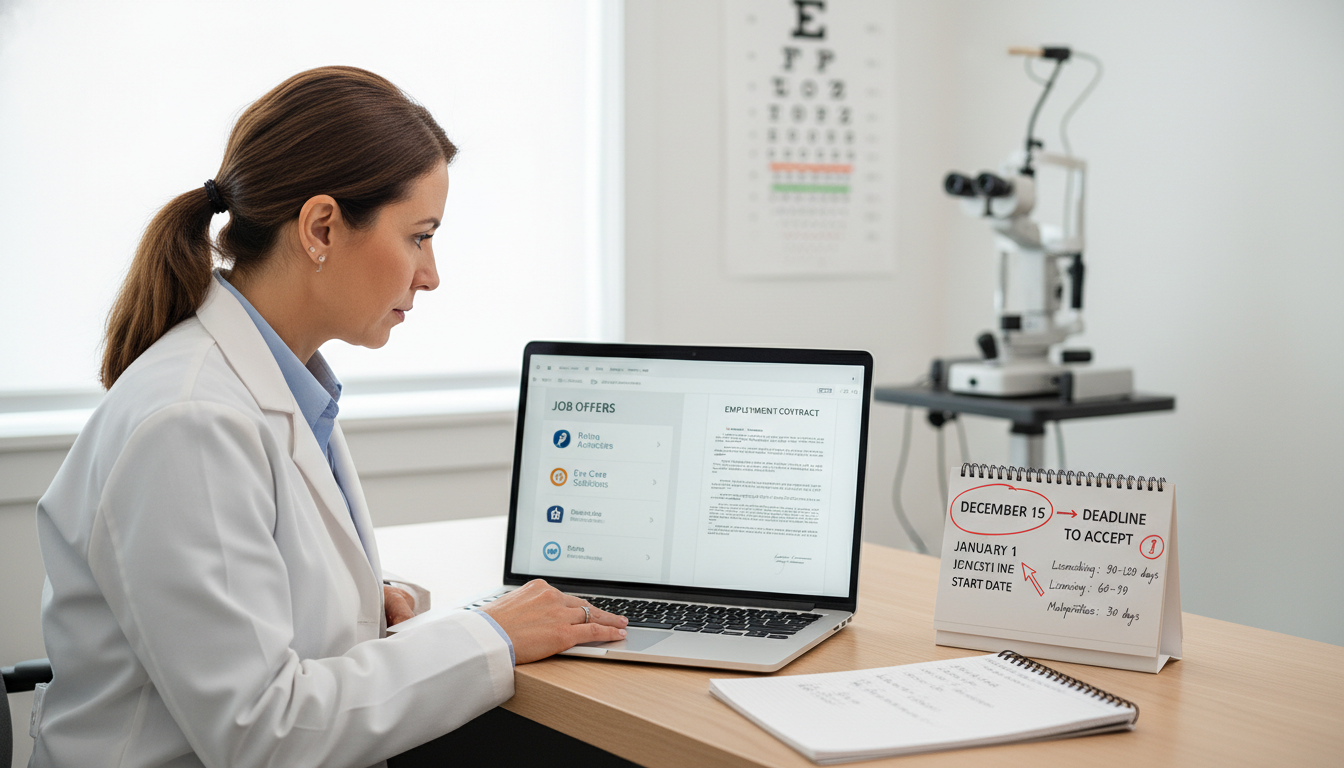
Finishing your dermatology residency means you're moving from structured training to independent practice. You've already gained hands-on experience that equips you for a wide variety of career options, and now it's time to find the right one. This stage can be nerve-wracking, with many directions you need to consider and decisions that carry long-term impact. To help you out, here's how to find a job as a new dermatologist.
Know What You Want From Your Dermatology Career
Before you begin your search, take the time to clarify what's important to you. Dermatology is expected to face a 28% workforce shortage by 2036, driven by rising demand for care. While this creates more opportunities for you, it also makes it even more essential to choose a path that's sustainable and fulfilling.
Start thinking about the level of clinical autonomy you want. Do you want full control over how you treat patients, or are you more comfortable following more structured protocols? Next, think about your preferred setting. Private practice, academic medicine and hospital-based roles each come with different expectations, growth paths and patient populations. There's no single right or wrong here, so choose what truly aligns with your goals.
Use the Right Channels to Find Opportunities
How dermatology residents find jobs after residency depends on several factors, but one of the most important is using the right channel. A 2025 survey by AAPPR reveals that 21.7% of healthcare organizations recruited physicians through job boards. Therefore, they're a great starting point for you. They give you a broad view of available roles and help you understand market demand.
Keep in mind, however, that not every listing is reliable. Only apply through legitimate websites and verified organizations to help you avoid wasting time on unreliable postings.
Aside from searching online, consider attending dermatology-focused job fairs. These events allow you to speak directly with hiring teams and learn about practices in a more transparent way. Your chances of getting interview invitations may be higher, since employers can assess you in person.
Activate Your Network and Mentorship
A large part of the dermatology job market operates through connections. Speaking with attending physicians, program directors and alumni can give you access to insights that are rarely written in job descriptions. You can learn about practice culture, leadership style and long-term satisfaction directly from those who have experienced it.
Your peers are another important resource for finding your first dermatology job after residency. Fellow residents and recent graduates typically hear about openings before they're publicly posted. Staying connected gives you an opportunity to tap in to these informal channels and expand your options.
Take advantage of your residency opportunities, as well. If you build a good relationship with your mentors, they may help you evaluate opportunities, spot potential concerns and think through decisions. They can also introduce you to people within their network, which might lead to conversations that turn into job offers.
Look Outside of General Job Boards
Job boards may give you a wide range of openings, but they sometimes lack the detail needed to help you make a confident decision. Listings may not fully reflect a practice's culture, expectations or long-term fit. Exploring more specialized options is how many dermatology residents find jobs after residency.
Companies like DermCare Management can connect you directly with practices and the physicians who lead them. This means that you get access to dermatology-specific career opportunities that aren't always visible on general job boards. You can browse a variety of positions on its platform, including freelance, full time, part time, internship, temporary and remote roles. You can also speak directly with a recruiter who works to match your skills and preferences to the right opportunity.
With a personalized method and no cross-competition between candidates, the company's support can help you find a role that fits both your career goals and working style. Additionally, practices that partner with DermCare Management are known to have stronger retention and a focus on treating employees well, which can be important when choosing your first dermatology job after residency.
Frequently Asked Questions
If you're still curious about finding the right dermatology job after residency, here are some commonly asked questions.
How early should you start your first dermatology job search after residency?
It's best to begin your job search 12 to 18 months before completing your residency. This gives you enough time to explore different opportunities, attend interviews and compare offers without feeling rushed. You also have more time for contract negotiations and credentialing.
What questions should you ask during a dermatology job interview?
Focus on questions that reveal how the practice operates. Ask about patient volume, scheduling expectations and support staff. Clarify how clinical decisions are handled and whether physicians have full autonomy. You can also ask about mentorship, onboarding and how success is measured within the practice.
How do you evaluate a practice's culture and retention?
Speak with current physicians and ask about their experience. High retention usually shows a supportive environment and manageable workloads that puts a priority on work-life balance. Moreover, observing how staff interact during your visit can help you see the day-to-day culture of the practice.
Finding the Right Fit
Opportunities in the dermatology field are growing, but finding the right job requires intention. Make sure to define your goals, use the right resources and build strong connections so you can approach the job search with more confidence.