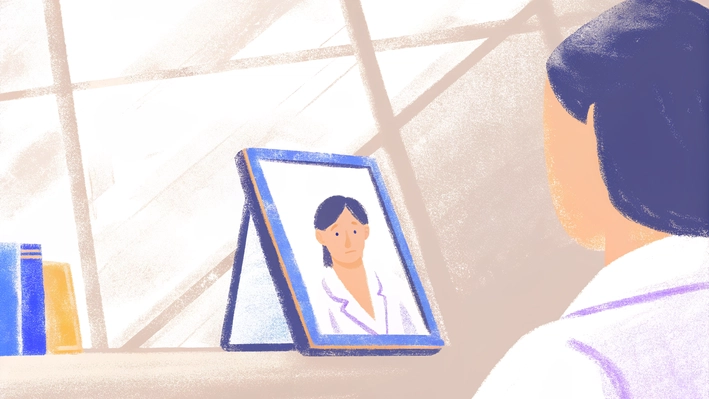
That email in November feels like a gut punch.
You opened it expecting an interview invite or a rejection. Instead you got limbo: "Your application has been placed on hold for further review."
Understanding what adcoms actually do with application updates is critical when you are in this limbo phase.
Let's be clear about what that means, and what it doesn't.
The November Reality: Decoding the 'Hold' Status
A hold is not a no. It's not a waitlist either. I know applicants treat all three the same. They aren't.
Understanding what the data says about post-submit updates can help you determine if your specific situation warrants a follow-up.
Rejection = closed file. Waitlist = you interviewed, they liked you, but there's no seat right now. Hold = they haven't decided if they want to meet you yet. You're in the maybe pile. In admissions committee language, that means your file was good enough not to cut, but not compelling enough to pull for an interview immediately.
November is when this hurts the most. And when it matters the most.
This is often the point where you must decide if it is too late in the cycle to submit or if you are still competitive.
Why? Because most schools have burned through 70-80% of their interview invites by Thanksgiving, even though they tell you they interview until February. The early high-stat, high-story applicants are done. Now committees are building the rest of the class - filling gaps, looking for fit, looking for growth.
At this point you should stop passively refreshing the portal. That's wasted energy. At this point you should shift from applicant to strategist. Your job changed. You are no longer selling the file you submitted in July. You are now building the case for why that file is already outdated.
I've seen too many students send a panicked email the same day they get a hold. Don't. You need data first.
This transition is a critical phase, and it is helpful to know why some average applications get in immediately while others remain on hold.
Week 1: The Tactical Audit of Your Application
This is your audit week. No writing, no emailing. Just brutal honesty. You have seven days.
Day 1-2: Pull your original file. Open your AMCAS primary and the specific secondary for the school that put you on hold. Read it like an admissions officer who is tired, has read 40 files today, and is looking for a reason to say no. Where is the fluff? Where did you claim 200 clinical hours but with zero patient story? Where did your "why us" secondary sound like it could have been sent to any school in the state?
Day 3-4: Identify the actual gap. Holds in November almost always come from one of three deficits:
- Not enough clinical depth. You have hours, but no continuity, no growth.
- No new academic data. Your GPA/MCAT was borderline for them and you gave them nothing since June.
- Mission misalignment. Your file screams research powerhouse, you applied to a service-heavy community school.
Be honest. Which one is it for this school?
Day 5-6: Check the policy. Then check it again. This is non-negotiable. Every school has a different rule on update letters. Some want them via the portal. Some say "do not send any updates unless requested." Others, like most of the low-yield giants, explicitly tell you they will not review extra material. Violating this is the fastest way to turn a hold into a rejection. I have literally seen an admissions dean say, "We told them not to send anything. They did. We rejected."
At this point you should create a master tracker. Simple spreadsheet. Columns: School | Hold Date | Update Policy | Portal Link | Contact Email | Last Communication. If the policy says no updates, you respect it. You pivot that energy to interview prep for other schools.
Day 7: Make the decision. Should you send anything at all? If you have nothing new since your secondary submission, no new hours, no grades, no publication, no leadership, then you have no update. Silence is better than noise.
Weeks 2-3: Executing High-Impact File Enhancements
You have a green light from the school and you have something real to add. Now you execute. Not everything counts. Admissions officers can smell padding from a mile away.
What counts as high-impact in November:
- Clinical escalation. 50 new hours at the free clinic where you are now taking vitals and doing intake is worth more than 100 hours of new shadowing you started last week. Continuity beats novelty. At this point you should log those hours, get a brief note from your supervisor, and quantify impact: "Now 180 total hours, with additional responsibility for..."
- Academic or research movement. An accepted abstract, a manuscript submitted, a poster presentation next week, fall grades with a 4.0 if you're in a post-bac. That is hard evidence. "Continuing to work in Dr. Smith's lab" is noise. "Co-author on manuscript submitted to Journal X on [date]" is signal.
- A targeted letter. Not five generic updates. One. Letters of Interest vs. Letters of Intent are misunderstood and misused constantly. An Interest letter: "You remain a top choice for me because of your specific program Y." An Intent letter: "If accepted, I will attend." You should NEVER send a Letter of Intent to more than one school. Ever. It's a professional commitment. If this hold school is truly your number one, save the Intent for late January/February. For November, an Interest letter combined with an Update is the right tool.
Your update letter formula? Keep it tight. 250-350 words. Three paragraphs. No life story.
Paragraph 1: Thank you, reaffirm interest, state purpose - "I am writing to provide a brief update to my file currently on hold." Paragraph 2: The substance. Bullet it. 2-3 concrete updates with dates and numbers. Paragraph 3: Connect back to their mission. One sentence. Why you fit them.
Then stop. No begging. No "I will do anything to get in."
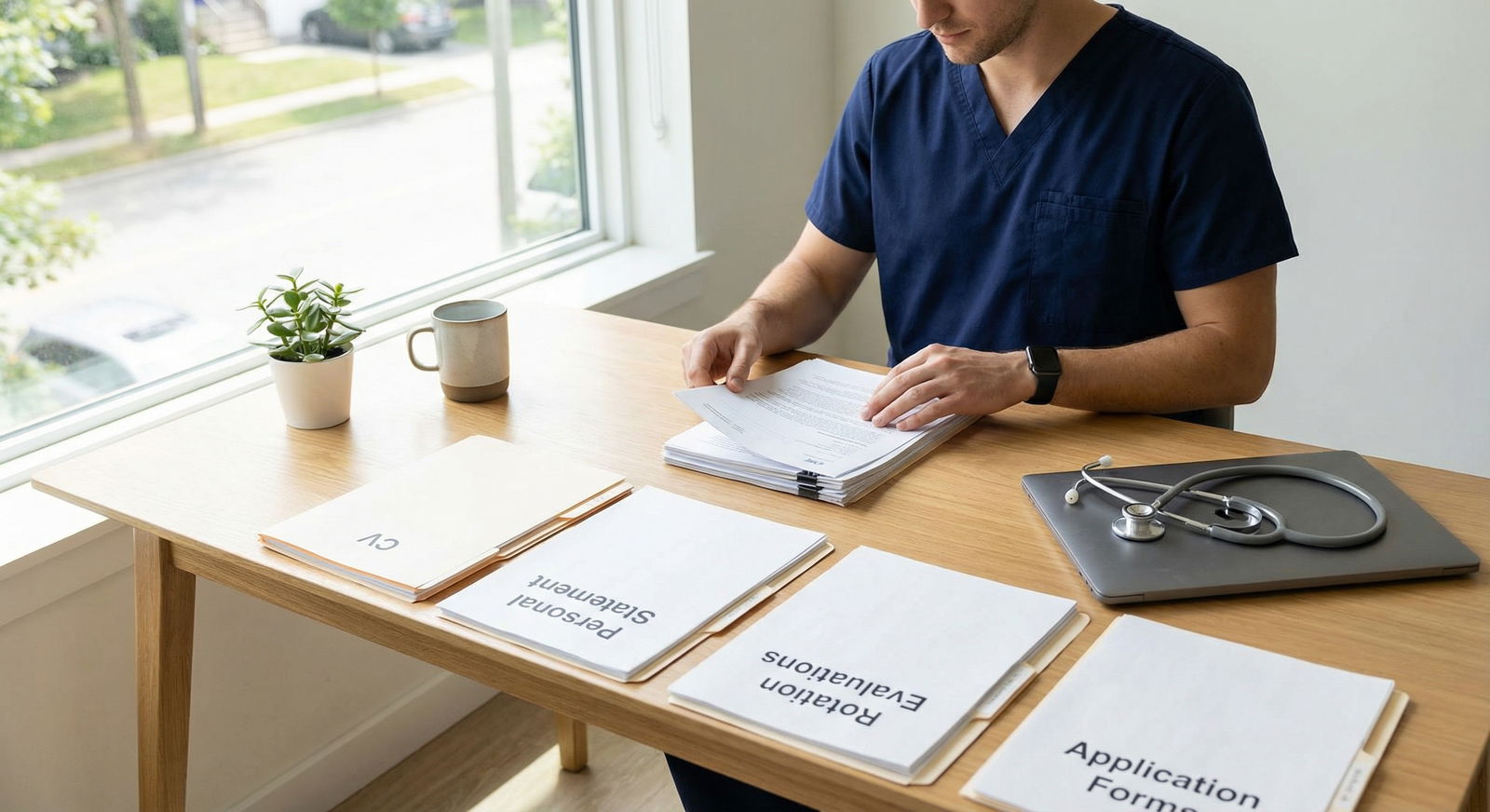
Week 4 and Beyond: Maintaining Momentum and Mental Health
This is where most applicants self-destruct. They send the update, then check the portal four times a day and spiral.
You need a system for the long wait.
Set a portal cadence. At this point you should check portals on Mondays and Thursdays only. Noon. Ten minutes. That's it. Turn off email push notifications for admissions emails if you can. Your nervous system will thank you.
Keep interviewing even without an invite. The cruelest part of a hold is you still need to be sharp. Spend 2 hours a week doing mock interview practice. Record yourself answering "Tell me about the hold?" Answer: Not defensive. Own it, show growth. "I was initially disappointed, but I took it as an opportunity to deepen my clinical experience at..." That is a winning answer.
Manage the mental load. A November hold feels personal. It isn't. It's enrollment management. They have 7,000 applications for 150 spots. They are not rejecting your worth as a future doctor.
Build your parallel plan. At this point you should also quietly start the reapplication audit. Not because you will need it, but because it puts you back in control. Open a doc. List two things you would do differently next cycle. If you end up not needing it, great. If you do, you are two months ahead in May.
Action Steps: Your December-to-Spring Strategy
You did the work in November. Now you play the long game.
Here is your exact timeline from here:
Early December (Dec 1-10): Your update should already be sent if you had substantive material. If you didn't, you do NOT send a letter just to "show interest." That's spam.
Early January (Jan 5-15): This is your second window, but only if you have NEW new material. Fall grades just posted? New winter clinical role started? That's a second, very brief update. Same rules: portal only, concise, value-driven.
Late January to Mid-February: The Letter of Intent window. If - and only if - this school is still your absolute #1 choice above all others, including where you've been accepted, you can now send a Letter of Intent. One school. One time. Make it powerful. Mention a specific faculty member, program, or community opportunity you spoke about. Make it clear you would withdraw all other applications and commit.
Your Final Etiquette Checklist:
- Never call the admissions office to ask why you are on hold. They will not tell you.
- Never have a parent, professor, or physician call on your behalf. That's a red flag.
- Never send more than two communications total between November and February unless the school explicitly invites it.
- Every upload goes through the portal unless they tell you to email. Follow instructions exactly.
- Proofread. One typo in an update letter to a school on hold? Instant no.
A hold email in November is not a rejection letter. It's a test. Can you take feedback without instructions, stay professional, and show growth without being told to?
At this point you should remember: the applicants who get off hold in February and March are the ones who did the quiet, strategic work in November when everyone else was either panicking or giving up.
Do the work. Then let it be.