Introduction
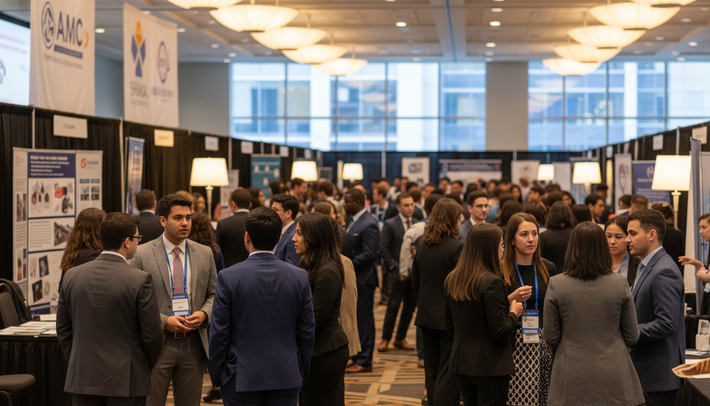
Your student organization just lost its funding, and application season is three months away. This is a crisis. I have watched executive boards completely implode when the Student Government Association slashes their budget in the middle of the spring semester. You planned a massive networking gala. You booked a high-profile keynote speaker. Now, you have zero dollars and a room full of anxious pre-medical students wondering if their leadership titles just became meaningless.
This matters immensely to your medical career. Admissions committees do not just want to see a title on your application. They want to see impact, resilience, and problem-solving. When you sit down to write your Work and Activities descriptions for the American Medical College Application Service, you need concrete metrics. You must report the number of members served, the events executed, and the tangible outcomes achieved. A defunct organization yields zero metrics. If your group goes dark because the money dried up, your leadership narrative dies with it.
Medical schools train future physicians to handle sudden resource shortages and systemic failures. How you manage this exact administrative disaster proves whether you possess the executive function required to lead a clinical team. Panic is not a strategy. Begging the student government for an emergency appeal is a waste of time. They will deny it. You must fix this yourself. Here is exactly how to salvage your organization, protect your application narrative, and deliver a high-yield semester despite the financial blackout.
The Core Challenge
The core challenge is overcoming the instinct to shrink. When funding disappears, most student leaders cancel their major events and retreat to hosting poorly attended, zero-effort virtual meetings. This is a fatal error. A dormant organization looks terrible on a secondary application essay. You must maintain operational momentum. To do this, you need to execute seven specific recovery protocols.
1. Execute a Ruthless Budget Audit Cut the fluff immediately. Review every single line item in your proposed budget. Eliminate catering. Eliminate printed flyers. Eliminate venue deposits. I have seen organizations blow two thousand dollars on mediocre pizza for an event that could have been held in a free lecture hall. Reallocate your remaining pennies strictly to high-yield items that directly benefit member outcomes, such as application fee waivers for underrepresented members or essential software licenses.
2. Pivot to Zero-Cost Institutional Partnerships Your university is full of free resources that you are currently ignoring. Partner with the career center to host application workshops. Use the alumni association to source free guest speakers. The university library often has free room booking privileges and complimentary printing quotas for registered student groups. Exploit every institutional loophole available to you.
3. Monetize Your Existing Assets You have an audience. Use it. Charge a nominal fee for premium services. If your organization runs a peer-mentoring program, offer a paid, intensive personal statement review service. Sell branded merchandise. I know a pre-medical society that designed high-quality study guides for organic chemistry and sold them for ten dollars each, generating enough revenue to fund their entire spring semester. Custom scrub caps and premium Anki deck templates also sell exceptionally well.
4. Launch a Micro-Sponsorship Drive Stop chasing massive hospital systems. They have bureaucratic red tape that takes six months to clear. Target local, agile businesses. Approach local medical scribe companies, boutique test-prep tutors, phlebotomy training centers, and nearby physical therapy clinics. Offer them a dedicated five-minute speaking slot at your meetings or a logo placement on your newsletter in exchange for two hundred dollars. Secure ten micro-sponsors, and you have fully replaced your student government grant.
5. Consolidate and Co-Host Events Pool your resources. Reach out to the biology club, the nursing society, and the public health organization. Propose a joint mega-event. If four organizations split the cost of a single high-profile speaker or a large venue, the financial burden becomes negligible. This also increases your attendance numbers, which looks fantastic when you report your metrics to the administration.
6. Hunt for External Micro-Grants Look beyond your campus. National organizations frequently offer small grants for local chapters. The American Medical Student Association, the Student National Medical Association, and various specialty societies often have application cycles for chapter funding. Dedicate one executive board member to spend three hours a week purely searching and applying for these external micro-grants.
7. Leverage Faculty Champions for Departmental Funds Find a sympathetic faculty member. The biology, chemistry, neuroscience, or public health departments often hold discretionary slush funds for student engagement. If a professor champions your cause and submits a requisition form to their department chair, you can often bypass the student government entirely and secure five hundred to one thousand dollars for an academic-focused event.
Actionable Next Steps
Knowing the seven strategies is useless without a strict execution timeline. You must implement these fixes immediately. Follow this step-by-step protocol to stabilize your organization within fourteen days.
Days 1 through 3: The Audit and the Pivot Call an emergency executive board meeting. Lock the doors. Do not leave until you have finalized the ruthless budget audit. Cancel all contracts that require non-refundable deposits. Immediately draft a revised semester calendar that relies exclusively on zero-cost institutional partnerships. Assign one board member to secure the free lecture halls and library spaces for the rest of the semester.
Days 4 through 7: The Sponsorship and Monetization Sprint Draft a one-page sponsorship prospectus. Keep it simple. Outline your membership demographics, your meeting attendance, and the specific benefits for the sponsor. Send this prospectus to fifty local businesses. Expect a five percent conversion rate. Simultaneously, launch your monetization strategy. Open pre-orders for your branded merchandise or premium application review services. Collect the cash upfront before you incur any production costs.
Days 8 through 14: Consolidation and External Outreach Finalize your co-hosting agreements with peer organizations. Sign a memorandum of understanding that clearly delineates who is paying for what. Submit your applications for external micro-grants. Finally, schedule a coffee meeting with your designated faculty champion to pitch your departmental funding request. Bring a highly detailed, one-page budget proposal to this meeting. Professors respect data, not desperation.
Resources to Use Do not reinvent the wheel. Use existing frameworks to accelerate your recovery.
- AAMC Group on Student Affairs (GOSA): Review their published guidelines on student organization management and financial sustainability to ensure your new models comply with national standards.
- University Alumni Directory: Filter for alumni who currently own local businesses or hold executive positions at regional healthcare startups. They are highly receptive to cold emails from current students.
- Canva for Nonprofits and Student Orgs: Use the free premium tier to design professional sponsorship prospectuses and marketing materials without spending a dime on graphic design software.
Document Every Victory Keep a meticulous spreadsheet of your pivoted budget, the new sponsors acquired, and the attendance numbers at your co-hosted events. When you write your medical school applications, you will use these exact numbers to prove your competency in resource management.
Key Takeaways
- Be prepared: Financial shocks happen. Build a contingency plan before the student government announces their budget cuts. Diversify your revenue streams early so you are never entirely dependent on a single institutional grant.
- Focus on high-yield areas: An intimate, high-value personal statement workshop held in a free library room looks infinitely better to an admissions committee than a poorly attended, lavish banquet that bankrupted your treasury. Prioritize member outcomes over superficial event aesthetics.
Losing your funding right before application season is a severe administrative shock, but it is entirely survivable if you act with precision. You must be prepared to abandon traditional funding models and embrace aggressive, unconventional revenue streams. Medical schools evaluate how you handle adversity. When the money disappears, the amateurs quit and the professionals adapt. Execute the audit. Secure the micro-sponsors. Co-host the events. Your organization will survive, your members will receive the support they need, and your application narrative will be significantly stronger for having overcome the crisis.