Silence doesn't kill interviews. Panic does. And the industry's obsession with filling every gap has trained a generation of residency applicants to sound rehearsed, breathless, and oddly desperate.
You've heard the advice. Never leave a question hanging. Fill the air. Talk through uncertainty so they don't think you're blanking. It's conventional wisdom dressed up as coaching, and it's mostly wrong. Here's what the data actually shows about pauses in behavioral interviews, and why the "silence is death" myth keeps producing worse candidates.
The Myth: Why Everyone Fears Silence in Behavioral Interviews
The conventional line is blunt: any silence in an interview is fatal. Most coaching scripts hammer the same point, keep talking, never leave a question unanswered, treat dead air like a career hazard. The fear underneath is simple and sticky. Silence supposedly signals weakness, ignorance, or a collapse in confidence. If you stop, they think you don't know. If you pause, they write you off.
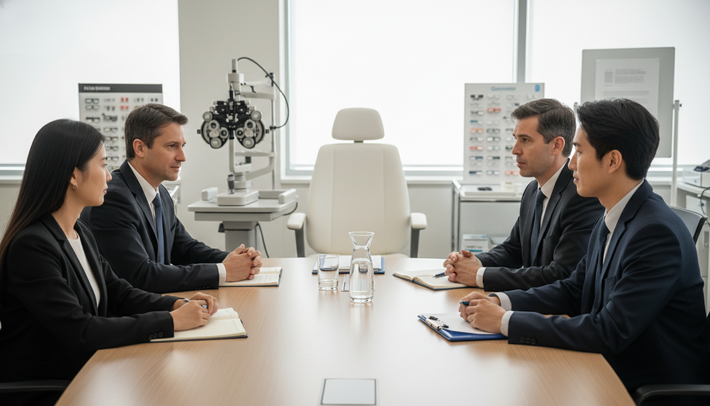
I've watched this play out in mock interviews more times than I can count. A student gets a multi-part behavioral prompt, "Tell me about a time you had a conflict with a team member and how you resolved it", and they launch immediately, tumbling through half-formed details because they're terrified of the one-second gap that would let them actually organize the story. The result isn't confidence. It's noise.
Where did this come from? Part of it is cultural. We equate verbal fluency with competence in high-stakes settings. Part of it is bad inheritance from sales training and old-school interview books that treated conversation like a vacuum, nature abhors it, so you must fill it. And part of it is pure anxiety projection. Candidates hate silence because it feels like judgment. So coaches teach them to erase it.
The problem: interviewers aren't sitting there with stopwatches waiting to ding you for thinking. They're trying to evaluate judgment, self-awareness, and how you handle complexity. Racing to fill the void often works against every one of those goals. The myth doesn't just misread the room. It trains you to perform the opposite of what strong clinicians actually do under pressure, pause, process, then speak with intention.
What Interviewers Actually Notice: Separating Signal from Noise
Research on conversational dynamics is inconvenient for the "never stop talking" crowd. Over-talking damages credibility faster than a brief pause. Interviewers consistently report they can tell the difference between a thoughtful pause and an awkward blank. They're not the same signal. One reads as cognition. The other reads as freeze.
Here's the paradox nobody puts on the glossy prep slide: candidates who fill every millisecond often come across as rehearsed, inauthentic, or slightly frantic. You can hear the script. You can feel the terror of empty space. That doesn't read as mastery. It reads as performance anxiety wearing a white coat.
Communication studies put numbers on what most experienced interviewers already sense. Pauses under about two seconds land as natural thinking. Stretch past three seconds without supportive body language or a verbal bridge, and concern can creep in. The sweet spot isn't zero silence. It's controlled silence.
Look at that pattern. The highest competence ratings don't go to the instant talkers. They go to the 1-2 second pause, the range where someone is clearly processing before answering. Zero-to-one is fine, but it doesn't peak. Past three seconds without structure, scores drop. The data doesn't say "never pause." It says "don't drift into a void with no signal you're still engaged."
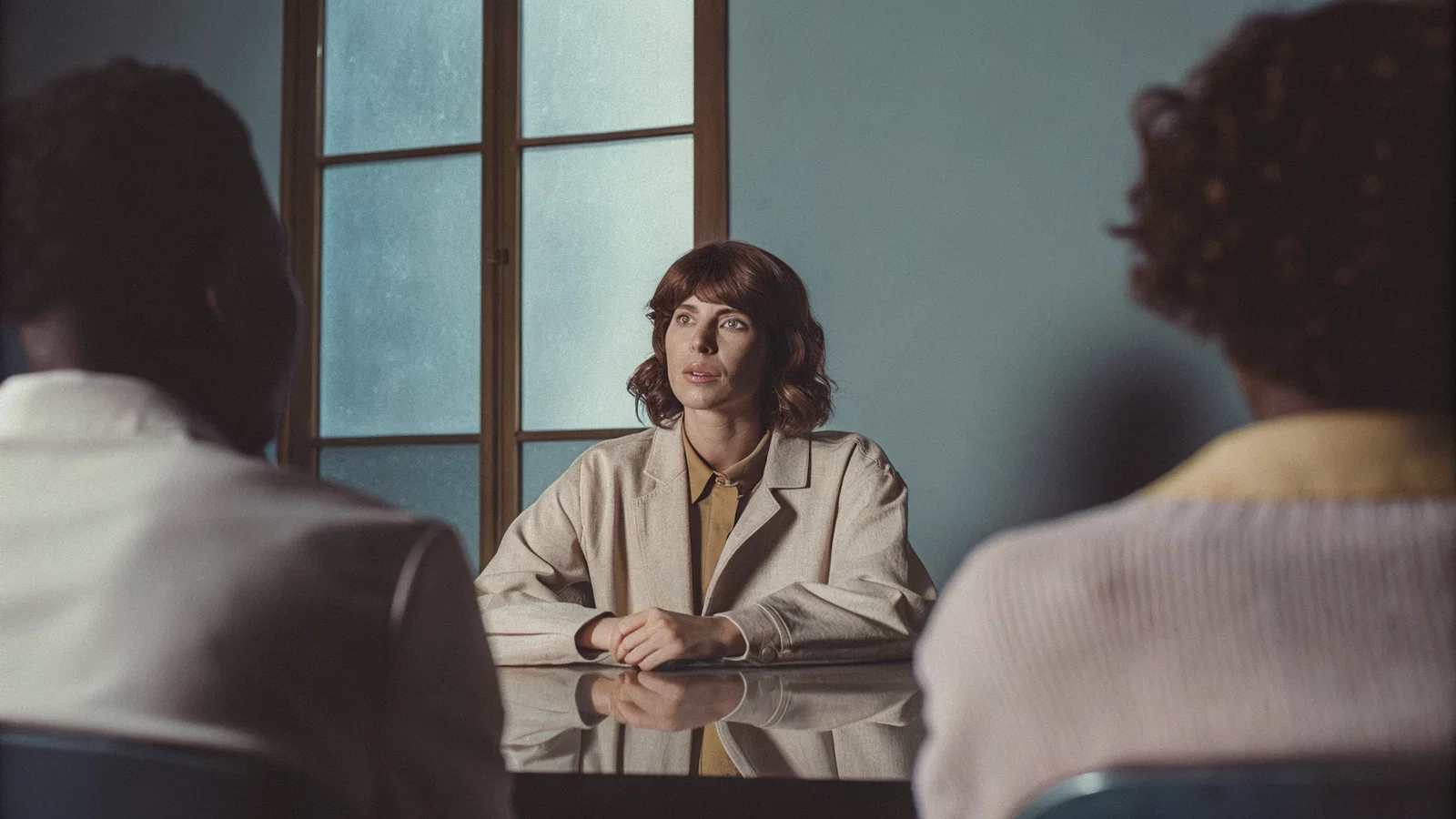
I've sat on both sides of this. When a candidate stares at the table for five seconds, yes, it gets weird. When a candidate holds eye contact, takes a clean breath, and then delivers a structured answer, the pause doesn't register as weakness. It registers as judgment. Interviewers are not allergic to silence. They're allergic to disorganization and inauthenticity. Those are different problems.
The Evidence on Strategic Pauses: What the Data Actually Shows
Cognitive science is blunt about complex questions. Behavioral prompts in residency interviews aren't trivia. They're multi-variable scenarios that require you to select a story, extract the conflict, show your reasoning, and land on a reflection. Deliberate pauses give working memory room to do that work. Skip the pause and you get the first story that surfaces, not the best one.
Look at adjacent evidence from physician-patient communication. Studies repeatedly show that well-timed pauses increase perceived empathy and thoughtfulness. Patients rate doctors who allow brief silence as more caring and more competent, not less. That finding doesn't magically reverse when the white coat is on the other side of the table. Thoughtful pacing signals that you're actually considering the human content of the question instead of spitting out a canned STAR paragraph.
Behavioral interview research points the same direction. Structured answers with strategic pacing score higher than rushed responses. Rate-of-speech studies and evaluation rubrics favor clarity and organization over sheer verbal volume. Speed is not a proxy for intelligence here. Coherence is.
Then there's the "pregnant pause" effect. Strategic silence right before a pivotal point increases impact and retention. Speakers who pause before the key insight get credited with more authority; listeners remember the line better. Comedians know this. Trial lawyers know this. Somehow interview coaches forgot it and replaced it with "keep the motor running."
The framework is not complicated. Complex scenario? Take the beat. Simple clarification or logistics question? Answer cleanly and move on. The pause is a tool, not a personality trait. Use it when the cognitive load justifies it. That's what the evidence supports, not mystical "power silence," not terrified filler monologues.
How to Deploy Strategic Pauses Effectively: A Practical Framework
Match pause length to question complexity. "Why this specialty?" might need a half-second to land your opening line. "Describe a time you made a mistake that affected patient care and what you changed afterward" deserves a real processing beat. Treating every prompt like a buzzer round is how you end up with shallow answers.
Use the strategic bounce. Sometimes you start an answer, realize midstream there's a stronger example, and you need a clean pivot. A brief pause plus a simple bridge, "Actually, a clearer example is...", beats barreling through a weak story because you're scared to stop. Interviewers prefer the better story. They don't award points for refusing to course-correct.
Body language carries the pause. Sit upright. Keep a steady gaze. Don't look at the floor or fidget with your notes like the silence is an emergency. Confident posture turns a thinking pause into a signal of control. Collapsed posture turns the same two seconds into "this person is drowning."
Practice the difference between thinking silence and panic silence. Thinking silence has intention: you're selecting, structuring, choosing what matters. Panic silence is free-fall, eyes darting, breath held, mind looping. You can feel the difference when you watch recordings of yourself. So record yourself. Most candidates wildly overestimate how long their pauses last. What feels like an eternity in your head is often 1.2 seconds on tape. That calibration alone kills a lot of unnecessary anxiety.

One more practical note: you can buy a half-second with a short verbal marker if you need it, "That's a good question, let me take the strongest example." That's not filler soup. It's a controlled bridge. Then pause. Then deliver. The combination reads as composed, not evasive.
The Bottom Line: Silence Isn't a Killer - Poor Execution Is
Strategic pauses, used correctly, demonstrate thoughtfulness and emotional intelligence. That's not spin. That's how interviewers actually score presence and judgment. The goal was never to manufacture awkward silences for dramatic effect. The goal is to allow natural cognitive processing so your best answer shows up instead of your fastest one.
Data beats dogma. Moderate, intentional pauses improve perceived competence. Rushing and over-talking erode it. The real myth isn't just "silence kills." The real myth is that every moment of an interview must be stuffed with talking or you've failed. That's bad advice dressed up as professionalism, and it produces candidates who sound like they're trying not to drown.
Stop fearing the beat. Use it. Match it to the question. Hold your posture. Let the stronger answer form. Then speak like someone who thinks before they act, because that's exactly what residency programs are trying to select for.
Key takeaways:
- Strategic pauses of about 1-2 seconds are rated as the most competent by interviewers, not as silence killers.
- Over-talking and rushing answers damage credibility more than brief, thoughtful pauses.
- Intentionality is the whole game: match pause length to complexity and keep confident body language.
- A pregnant pause before your strongest point increases impact and what interviewers actually remember.
- Record yourself. You'll discover your "endless" pauses are usually shorter than you think, and that calibration builds real control.