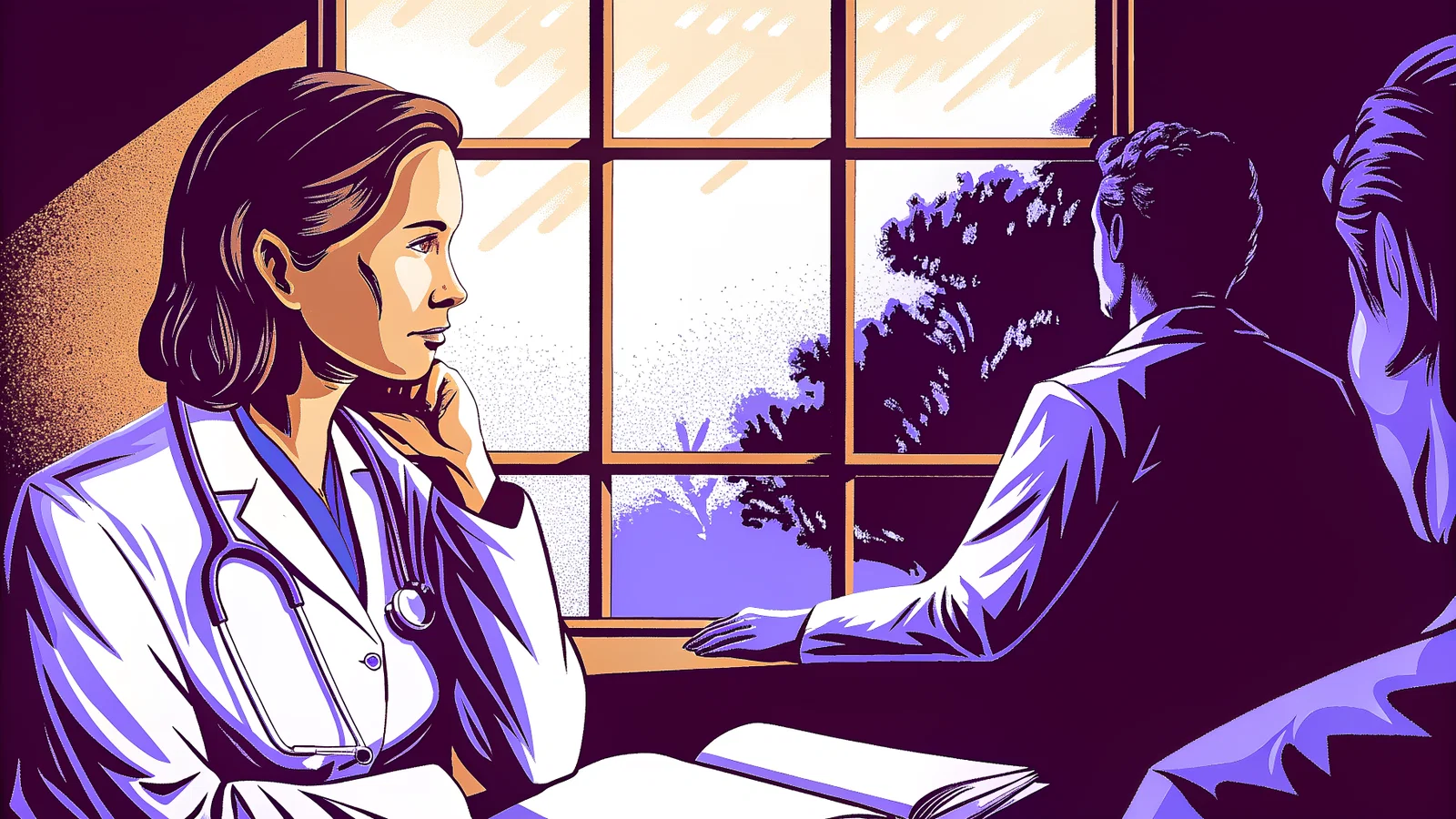
You finish the shift. Your feet hurt. Your brain is soup. You tell yourself you'll write it down tomorrow. That single decision quietly wrecks more clinical volunteering essays than bad grammar ever will.
The Hidden Danger of Skipping Post-Shift Notes
You're exhausted. The charge nurse just thanked you. The parking garage is empty. Your phone is already open to TikTok. Sitting down to scribble notes feels like unpaid overtime after unpaid overtime. So you skip it. Almost everyone does, at first.
I've watched premeds make this exact trade-off for years. Fatigue wins. Time pressure wins. The vague promise of "I'll remember the important parts" wins. Then nine months later they sit down to write the AMCAS Most Meaningful essay and discover their memory has turned every powerful patient encounter into beige mush.
The long-term cost is brutal. You lose the specific words the patient used. You lose the exact sequence of what you did with your own hands. You lose the ugly, honest emotion you actually felt in the moment, fear, frustration, awkward pride, quiet awe. What's left is emotional distance and the temptation to manufacture details that "sound right." Admissions committees can smell that fabrication from three rooms away.
Here's the thesis you cannot afford to ignore: skipping post-shift notes means you are throwing away the only raw material that makes an essay authentic and compelling. Everything else is reconstruction. Reconstruction reads like reconstruction.
See also: 10 clinical volunteering mistakes that quietly undermine your apps for additional pitfalls to avoid.
Mistake #1: Relying on Memory, How Time Erodes Critical Details
Memory is not a hard drive. It's a leaking sieve.
Ebbinghaus's forgetting curve isn't abstract psychology. It's the reason your essays sound like everyone else's. Within 24 hours you lose 50-80% of the specific details. By 72 hours you're left with the broad outline and a few emotionally charged fragments that your brain has already rewritten to make you look better.
I've seen the damage up close. A student swears she remembers "the elderly man who coded." Three months later the essay becomes "I observed a cardiac arrest and learned the importance of teamwork." Which patient? What did she actually do? Was she holding the bag or standing uselessly in the doorway? She can't say. The timeline of the night has collapsed. The daughter's exact words are gone. The feeling of her own hands shaking while she handed over the defibrillator pads has been replaced by a tidy lesson about "remaining calm under pressure."
Adcoms read thousands of these. Vague language is a red flag. It signals either shallow experience or, worse, an applicant polishing a story they never fully lived. They don't need proof you were there, they need proof you were present.
For more on how to avoid sounding generic, read how not to talk about clinical volunteering in your med school essay.
Look at that drop. That is your essay dying in real time.
Mistake #2: Substituting Vague Reflections for Concrete Actions
The classic error looks like this: "I observed a code blue and was struck by the team's coordination."
No. That sentence is worthless. It could have been written by someone who watched a medical drama.
What the note should have captured: "I compressed the chest for two full minutes while the senior resident intubated. I felt the ribs give. I saw the ET tube fog on the third try. The tech next to me whispered 'we've got ROSC' and I almost cried from relief."
Generic reflection equals zero differentiation. You become one more face in the pile of 5,000 applicants who "learned humility in the ED."
Use the Specific-Action-Impact framework every single time you write a note. Force yourself through it while the details are still hot.
If your note doesn't move through those boxes, it's not finished. Do not trust future-you to invent the missing pieces. Future-you is a terrible novelist.
Mistake #3: Losing Emotional Authenticity, The 'Safe' Story Trap
Without immediate notes, something sneaky happens. Your brain sanitizes. The fear you felt when the patient's sats tanked gets edited into "I remained composed." The frustration at a dismissive resident becomes "I learned to advocate respectfully." The pure awe of watching a life return disappears into "I gained deeper appreciation for medicine."
Those "safe" stories all sound identical. Scripted. Forgettable. Robotic. They check the boxes of growth and reflection without ever making a reader feel anything. Adcoms are humans. They remember the essay that made them lean forward, not the one that recited the correct emotional arc.
I've graded enough secondaries to know the difference. The applicants who kept raw notes write sentences like "I was terrified I would break her ribs and still I kept pushing." The ones who relied on memory write "This experience taught me resilience." One shows a person. The other shows a checklist.
How to Build a Bulletproof Post-Shift Note Habit (Even When Exhausted)
You will be tired. Build the system for tired you, not ideal you.
Practical moves that actually work:
- Voice memos on the walk to the car. No typing required. Thirty seconds of rambling is better than nothing.
- Five-sentence minimum rule. Force it. Patient initials + what you physically did + one thing they said + one thing you felt + one thing you still don't understand.
- Set a 4-minute timer the second you sit down. Race the clock. Stop when it rings. The constraint kills perfectionism.
Here's a template that has saved dozens of essays:
- Time and unit: "0230, Bay 4, trauma"
- Patient identity (initials only) and one concrete detail: "Mr. R, 68, whiskey breath, lac over left brow"
- Your exact action: "Held pressure while resident sutured, counted 14 throws"
- Verbatim scrap: "He kept repeating 'don't tell my daughter'"
- Honest emotion + residual question: "Felt weirdly protective and angry at once. Why did no one call social work?"
Review these notes the week you start drafting. You will find stories you completely forgot existed. That's the point. The gold was already mined; you just have to go back to the claim.
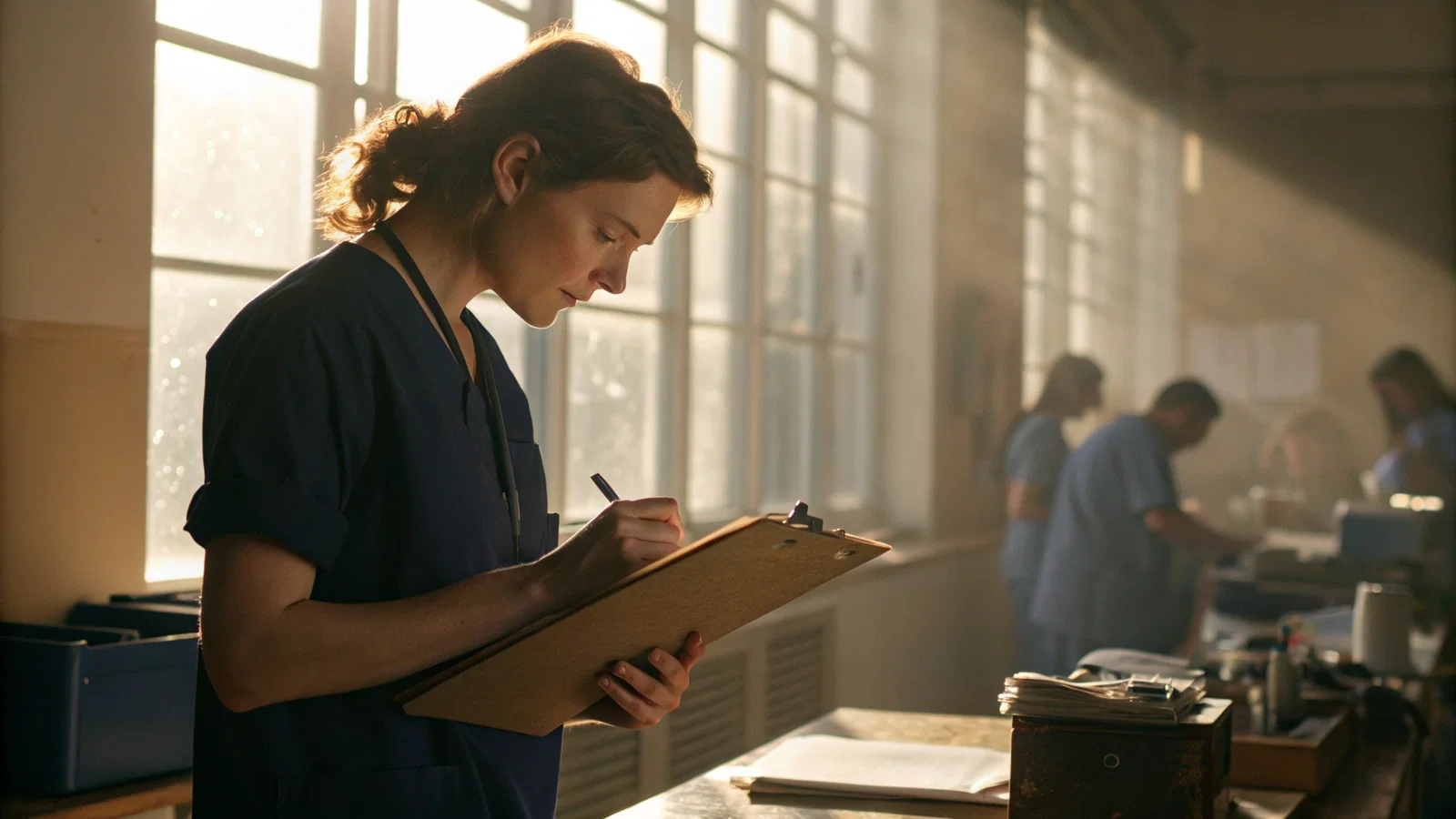
The Cost of the Mistake: Real Consequences Drawn from Admissions Stories
I still remember the essay that opened with "During my volunteering I saw many patients in pain and it motivated me to become a doctor." Rejected everywhere. The student had logged 300 hours. Zero usable details. Memory had erased everything distinctive.
Contrast that with the applicant who wrote about the exact moment she realized the "noncompliant" dialysis patient was skipping sessions because he couldn't afford the bus fare after his wife's hours were cut. She had the post-shift note: date, the patient's half-joke about "choosing between kidneys and groceries," her own flash of anger at the system, the awkward conversation she started with the social worker the next day. That essay got her three Ivy interviews.
Adcoms are not fooled. They distinguish lived experience from manufactured reflection the way you can taste fresh basil versus the dried stuff at the back of the cabinet. One has life in it. The other is dust.
The numbers are ugly for a reason.
Post-shift notes are not optional. They are the raw ore from which you mine every compelling story you will ever tell about clinical volunteering. The single best habit you can build is recording three concrete details within thirty minutes of finishing a shift, specific patient interaction, your action, and your honest emotional response. Memory degrades fast: after 24 hours you lose authenticity and specificity. Adcoms spot vague writing and treat it as a sign of shallow experience. You don't need long journal entries; a five-sentence voice memo or bullet entry is enough to preserve the gold. When you sit down to write essays months later, you will either thank yourself or curse yourself based on this one habit. Choose the version of the story where you don't have to invent what you actually lived.