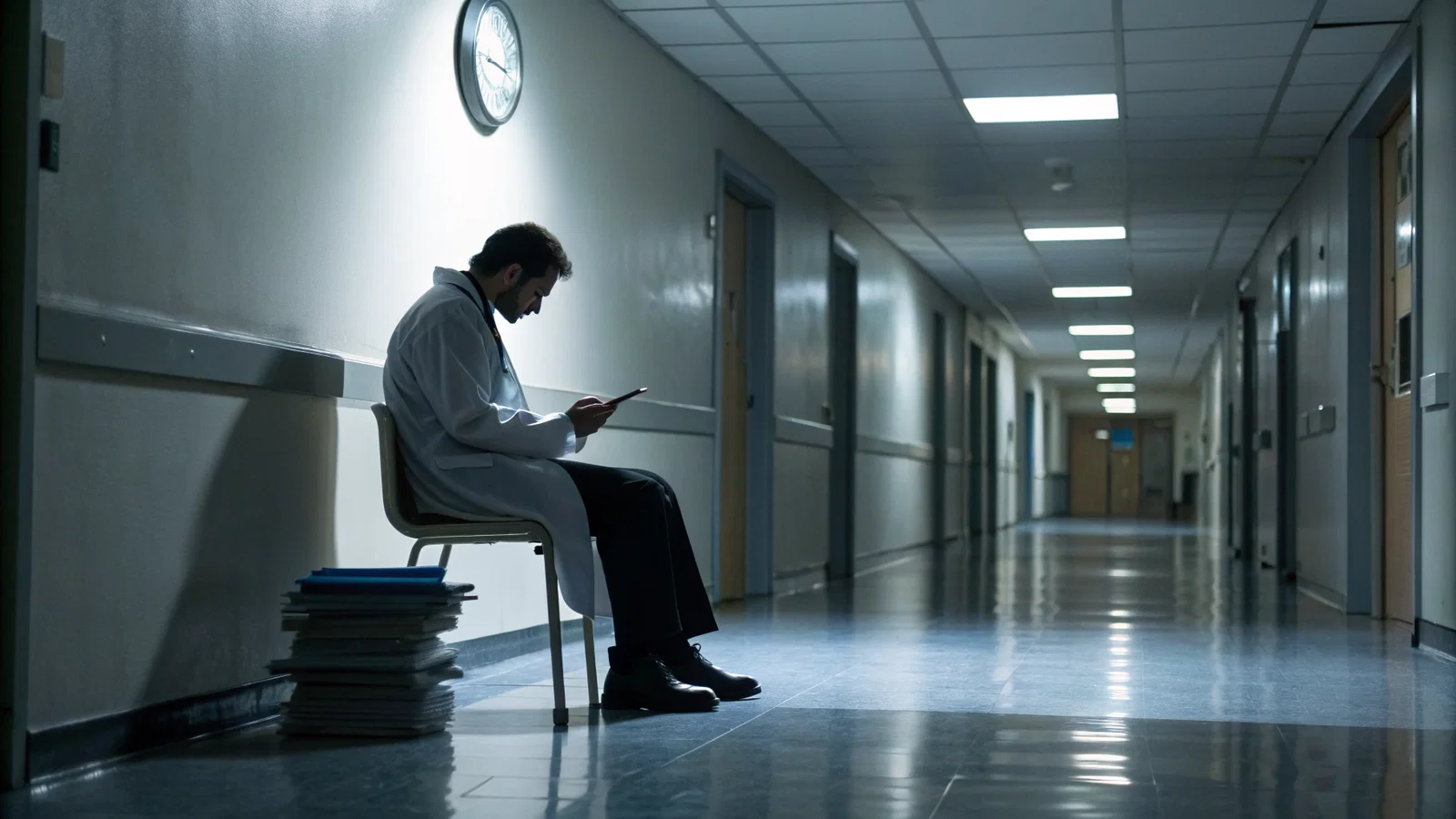
You finished the interview. You felt decent. Maybe even strong. Then comes the part applicants routinely mess up: the follow-up.
I will say it plainly. A bad follow-up strategy can damage an otherwise solid IMG application. Not because programs are cruel, but because residency selection is a pattern-recognition exercise. Programs look for judgment, professionalism, communication style, and emotional maturity. Your post-interview behavior reveals all of that fast. Sometimes faster than the interview itself.
I have seen this happen repeatedly. An IMG interviews well, sends five emails in nine days, copies the program coordinator on every note, mentions ranking intentions too early, and follows up again after getting no reply. That applicant thinks they are showing interest. The program sees pressure, poor reading of signals, and extra administrative work. Wrong message. Wrong timing. Wrong outcome.
This matters more for IMGs because margins are thinner. You are often fighting old assumptions about visa complexity, communication style, or "fit" before anyone says those words out loud. That means every touchpoint after the interview carries more weight, not less. A smart follow-up can reinforce your strengths. A sloppy one can confirm doubts that were never fully spoken.
The good news: this is fixable. Completely fixable.
You do not need a manipulative script. You do not need to "stay on their radar" every week. You need a clean system. Thoughtful timing. Brief, targeted communication. Restraint. That last one especially.
This article is about exactly that: why the usual post-interview advice fails IMGs, which mistakes are quietly hurting your odds, and what to do instead so your follow-up supports your application rather than sabotaging it.
Introduction
Most IMG applicants are taught to fear silence. No reply after an interview feels ominous, so they compensate by sending more. Another thank-you email. Another update. Another "just checking in." That instinct is understandable. It is also often counterproductive.
Residency programs do not reward volume. They reward professionalism and clarity. If your follow-up strategy is built on anxiety, it will show. Programs can tell the difference between genuine interest and nervous over-contacting. Coordinators can tell too, and they often become the first people to label you as easy or difficult. That label sticks.
For IMGs, follow-up strategy matters because your application is already being reviewed through a risk-management lens. Can this person communicate well? Do they understand professional boundaries? Will they create extra work? Will they be dependable under pressure? Your post-interview conduct becomes evidence.
That is why I push applicants to stop treating follow-up as a courtesy task and start treating it as part of interview performance. Same professionalism. Same discipline. Same preparation.
A good follow-up does three things:
- Thanks the right people
- Reinforces 1-2 memorable points from the interview
- Leaves the program with a sense that you are mature, organized, and easy to work with
A bad follow-up does the opposite:
- Repeats generic praise
- Creates inbox fatigue
- Signals insecurity
- Pressures the program for reassurance
And yes, I have seen candidates hurt themselves this way. One applicant sent a heartfelt but rambling 900-word thank-you to six faculty members. Another emailed the program director twice in one week asking whether updates would "improve rank consideration." Brutal. You do not want to be remembered for that.
The Core Challenge
The core problem is simple: most IMG applicants confuse visibility with value.
Being visible is not automatically helpful. If what programs see is repetitive, needy, poorly timed, or self-serving, then visibility becomes a liability. You do not win points for making yourself memorable in the wrong way.
Here are the most common follow-up mistakes that hurt IMGs.
1. Sending too many emails
This is the biggest error. One thank-you note is normal. Multiple follow-ups without a real reason are not. Programs are busy, coordinators are overloaded, and faculty are not sitting around waiting to exchange pleasantries after interview day.
What applicants think:
- "I am showing enthusiasm."
What programs often see:
- "This person may be high-maintenance."
My rule is blunt: if your follow-up exists mainly to reduce your own anxiety, do not send it.
2. Writing generic thank-you notes
"Thank you for your time. I enjoyed learning about your program. I look forward to hearing from you." That email says nothing. It could have been sent to 40 programs. Because it probably was.
Generic notes are not harmful in the way over-contacting is, but they are wasted opportunities. If you are going to send a note, make it specific enough to sound real:
- Mention a clinical conversation
- Reference a program feature discussed in the interview
- Connect that feature to your goals
Specificity signals attention. Generic language signals mass production.
3. Contacting too many people
Applicants often think they need to email everyone they met. No. You do not.
In most cases:
- Send one thoughtful note to the program director or associate program director if you interviewed with them
- Send one to a faculty interviewer if the conversation was meaningful
- Send one brief thank-you to the coordinator if they were heavily involved and helpful
That is usually enough. More is rarely better.
4. Declaring rank intentions badly
This is where people get reckless.
Telling multiple programs they are your "number one." Bad idea. Making promises you cannot ethically or practically keep. Worse. Pushing rank-related communication too early. Unnecessary.
If you plan to send a genuine letter of intent, send it to one program only, and only if it is truly your top choice. Anything else is sloppy and risks your credibility. Programs talk. Even when they should not, people talk.
5. Asking questions that were already answered
Nothing screams unprepared like emailing a coordinator to ask for details that were on the website, in the handbook, or covered during interview day. This is especially damaging for IMGs because programs may already be watching for signs that you miss details or need extra hand-holding.
Before you send any question, check:
- The program website
- ERAS information
- Your interview notes
- Any PDF or slide deck they sent
If the answer is there, do not ask.
6. Turning updates into spam
An update should be meaningful. Not every small activity deserves an email.
Reasonable updates:
- New Step 3 result
- Newly accepted publication
- ECFMG certification update
- Visa status clarification if relevant
- Significant clinical or research milestone directly related to your candidacy
Weak updates:
- "I attended a webinar"
- "I remain interested"
- "I am continuing to work hard"
- "I completed another shift"
That is not an update. That is filler.
7. Ignoring program signals
Some programs explicitly state they do not expect post-interview communication. Believe them. Do not try to outsmart the instruction by sending a "brief exception." That is not clever. That is failure to follow directions.
Other programs are more open to communication. Fine. But even then, keep it limited and purposeful.
Programs notice when applicants can read the room. They also notice when they cannot.
What successful applicants do instead
Strong IMG applicants use follow-up strategically, not emotionally.
They:
- Document each interview immediately afterward.
- Decide in advance who, if anyone, should receive a thank-you.
- Send concise, specific messages within 24-72 hours.
- Save updates for genuinely important changes.
- Avoid asking for reassurance or hidden signals.
- Respect silence.
That last one matters. Silence is not always rejection. Often it means the program is busy, following policy, or simply not interested in ongoing email exchanges. Do not invent meaning and then react to your own invention. That spiral hurts applicants every year.
Actionable Next Steps
Here is the fix. Simple, structured, repeatable.
Step 1: Build your post-interview template before interview season
Do not improvise when you are tired and overstimulated.
Create:
- A thank-you email template
- An update email template
- A letter of intent template
- A tracking sheet for dates, recipients, and replies
Your tracking sheet should include:
- Program name
- Interview date
- Names of interviewers
- Unique talking points
- Follow-up policy if stated
- Thank-you sent yes/no
- Update sent yes/no
- Letter of intent yes/no
This alone prevents half the usual mistakes.
Step 2: Take notes right after every interview
Within 30 minutes, write down:
- Who interviewed you
- What they emphasized
- What you genuinely liked
- Any specific conversation worth referencing
- Whether they invited follow-up
Memory fades fast. By your sixth interview, programs blur together. If you wait until nighttime or the next day, your thank-you note will sound generic because your memory will be generic.
Step 3: Use the 3-sentence thank-you structure
This is the format I recommend:
- Thank them for their time.
- Mention one specific part of the conversation or program.
- Reinforce fit in one sentence.
Example:
- Thank you for taking the time to speak with me during interview day.
- I especially appreciated our discussion about resident autonomy in the ICU and the way your program supports IMGs during the transition into U.S. clinical systems.
- Our conversation strengthened my interest in your program because that balance of supervision and responsibility fits how I learn and work best.
Done. Clean. Memorable enough.
Step 4: Set hard limits on communication
Use this protocol:
- Thank-you notes: once, within 24-72 hours
- Updates: only for meaningful changes
- Letter of intent: once, to one program only
- "Checking in" emails: zero
Zero. That category causes more harm than good.
Step 5: Match the message to the recipient
Use the right target:
- Program director: overall fit, values, strong interest
- Faculty interviewer: specific interview discussion
- Coordinator: gratitude for logistics, brief and professional
- Residents: only if they invited connection or shared contact information
Do not send the same email to everyone. People notice duplicate wording.
Step 6: Use verified resources, not applicant gossip
A lot of bad follow-up behavior comes from group chats. Someone says, "I emailed three times and matched there." That is not strategy. That is anecdote plus survivorship bias.
Use:
- Official program websites
- ERAS and NRMP guidance
- ECFMG resources
- Your medical school advisors or trusted IMG mentors
- Specialty-specific advising communities with track records, not rumor mills

Step 7: Prepare a ranked communication plan
Before January, decide:
- Which programs get only thank-you notes
- Which programs may receive updates if a milestone occurs
- Which single program may receive a letter of intent
This prevents emotional, last-minute emailing after a difficult week or a rumor from social media.
Step 8: Audit your tone
Before sending anything, read it and remove:
- Flattery
- Repetition
- Apology language
- Pressure
- Desperation
If your email sounds like you need comfort, delete it and rewrite. Programs are not your emotional support system.
What to Do Instead: The Better IMG Follow-Up Strategy
If I had to reduce this entire article to one workable system, it would be this:
- Be brief
- Be specific
- Be honest
- Be limited
- Be done
That is the better strategy.
You do not need to chase a program to prove interest. You need to show good judgment. For IMGs, that matters enormously. Every email either lowers perceived risk or raises it. That is the real game.
Here is the high-yield version:
- Send one solid thank-you if appropriate
- Save contact for major updates only
- Send one truthful letter of intent only if a program is truly your top choice
- Follow instructions exactly
- Let silence stay silent
That approach is not flashy. Good. Flashy loses. Professional wins.
Key Takeaways
- Be prepared. Your follow-up strategy should be built before interviews begin, not improvised afterward.
- Focus on high-yield areas. A concise thank-you, a meaningful update, and disciplined restraint matter more than frequent contact.
- Specific beats generic every time.
- More communication is not better communication.
- Programs remember professionalism. They also remember avoidable annoyance.