
Stop panicking. Your Step score is what it is. We're not negotiating with the numbers anymore. The moment you see that "did not match" email, the clock starts. And I mean literally, SOAP doesn't wait for you to grieve your score.
I've sat with dozens of students in your exact spot: a low Step 1 or Step 2 CK, a rising wave of shame, and a suffocating fear that no program will take you. Here's the truth no one says out loud: Panic is a luxury you can't afford right now. But a 72-hour strategic sprint? That's a weapon.
This is step-by-step. No motivational fluff. Just a timeline that gets you from "what now?" to "I have a plan", and then into a program.
The 72-Hour Countdown: Shifting from Panic to Strategy
At this point you should stop looking at your score report. Full stop. Every extra glance feeds anxiety. Your only job in the 72 hours before SOAP opens is to convert chaos into a system.
Hour 0-12: Accept and Compile
- Bookmark the official NRMP SOAP schedule. Write these times on a sticky note and slap it on your laptop.
- Open a master folder on your desktop or Google Drive labeled "SOAP MASTER." Inside, create subfolders: Personal Statement(s), CV, MSPE, LORs, Headshots, and Transcript.
- Pull every document you'll need into that folder. I don't care if it's 2 AM, get it done. A disorganized scramble Monday morning is what sinks people.
Hour 12-36: Build Your "Low Step" Narrative
You don't lead with apologies. You lead with a tight, confident pivot. I want you to write down, not memorize, a three-sentence bridge that does this:
"My Step score sits lower than I'd like, but it captured one stressed test day, not my clinical performance. Since that exam, my clerkship evaluations have been consistently strong, and I've led two QI projects that improved patient throughput in my sub-I."
Notice what that does: acknowledges, pivots, proves. You'll weave this into interviews, not personal statements. But you need it ready.
Hour 36-72: Map Targets
SOAP is a different marketplace. Forget the big academic centers. Target community-based and university-affiliated programs in Family Medicine, Internal Medicine (prelim and categorical), Pediatrics, and Psychiatry. These programs routinely consider applicants who bring clinical grit over test perfection.
Make a spreadsheet with 30-40 programs across three tiers:
- Safety (10-12): Programs with a history of taking lower-score candidates, often in rural or underserved areas.
- Target (12-15): Mid-tier community programs where your clinical letters and personal story will land.
- Reach (5-10): Some prelim surgery spots or IM programs in less competitive regions, worth a shot if your narrative is airtight.
By Sunday 6 PM ET, this spreadsheet is finished. No new columns. No overthinking. You're ready.
SOAP Week Day-by-Day: Your Low-Step Playbook
The actual SOAP process runs Monday through Thursday at breakneck speed. If you don't have a day-by-day checklist etched into your brain, you'll miss a window. Here's exactly what to do when.
Monday: Submit Like Your Career Depends on It
NRMP releases the List of Unfilled Programs at 10:00 AM ET. You have until 12:00 PM ET, two hours, to submit up to 45 applications via ERAS. That's criminal, but it's the system.
At this point you should:
- Open the list and immediately filter for programs in your target specialties that you pre-loaded onto your spreadsheet. Speed matters.
- Submit your primary application to all programs that fit, but prioritize your Safety and Target tiers first. Skip the Reach if you're short on time, you can circle back.
- Customize your personal statement for each specialty group. I don't mean rewriting it 40 times. Write one version for FM, one for IM, one for Peds, and so on. Change the opening paragraph to show you understand that specific program's mission. No program wants to read a generic "I want to be a compassionate physician" statement.
- Hit submit by 11:45 AM ET. The portal crashes, and you don't want to be the person who missed the cutoff because of a server slowdown.
Tuesday-Wednesday: Pre-Apply, Interview, Repeat
Programs can begin reviewing applications Monday afternoon. By Tuesday morning, interview invitations start rolling, or they don't. Proactive students create their own luck.
At this point you should:
- Pre-apply: As soon as you submit Monday, email the program coordinator of your top 10 programs. A crisp, professional two-line email stating you've applied and you're "eager to be considered" can nudge your application out of the pile. Attach your ERAS application PDF for convenience.
- Rehearse your responses: That three-sentence low-step pivot? Drill it until it sounds like honest reflection, not a recitation. I strongly suggest practicing a 30-second version for the "tell me about yourself" opening, and a two-minute version for when they directly ask about challenges. Use your phone camera. Watch your eyes. If you look down when mentioning the score, people will assume it still haunts you. Keep your chin up.
- Schedule interviews immediately: When an invite pings your phone, respond within the hour. SOAP interviews are often first-come, first-served. There's no "I'll think about it."
By Wednesday night, you should have done 5-8 interviews, sometimes back-to-back. Keep a small journal of key takeaways from each program. You'll need it for ranking Thursday.
Thursday: The Four-Hour Fire Drill
Thursday is offer day. NRMP sends offers in rounds. You get a maximum of 4 hours to accept one, and you can only hold one offer at a time. This is where preparation prevents disaster.
At this point you should:
- Already have your personal rank-order list written down. Not in your head. On paper. What's your #1 program and why? If that offer comes, you accept instantly. If not, you know your second choice immediately.
- Accept the best offer you get by the deadline. Do not gamble that a "maybe" program will come through in the next round. I've seen students hold out for a better program and lose the only offer they had. Don't be that story.
- If you match Thursday, log off, call your family, and take a breath. You're a resident.
Friday: Week 2 is Not Failure
If Thursday closes and you're still unmatched, you move into SOAP Week 2. It's not over; it's just a different game. Fewer programs, but also fewer applicants. Register for the NRMP SOAP Assistance line and be ready to interview Friday or Monday. Treat this like a second Monday, re-evaluate your program list, and stay aggressive.
Turning the Conversation: Explaining Your Low Step Without Excuses
Your interview is when the score stigma dies, or grows. The worst thing you can do is mumble a weak justification or, conversely, ignore the elephant in the room. Programs notice.
Craft a Narrative, Not an Excuse
Your explanation must have three parts:
- Acknowledge without shame. "My Step score is lower than I wanted", period.
- Provide concrete counter-evidence. This is where your clinical evaluations, research publications, or teaching awards shine. Numbers help: "In my last three rotations, I received honors in clinical reasoning and was rated in the top 10% of my cohort by attendings."
- Demonstrate growth. Mention that you've already started a structured study plan for Step 3, or that you sought a mentor to improve test-taking strategies. Show forward movement.
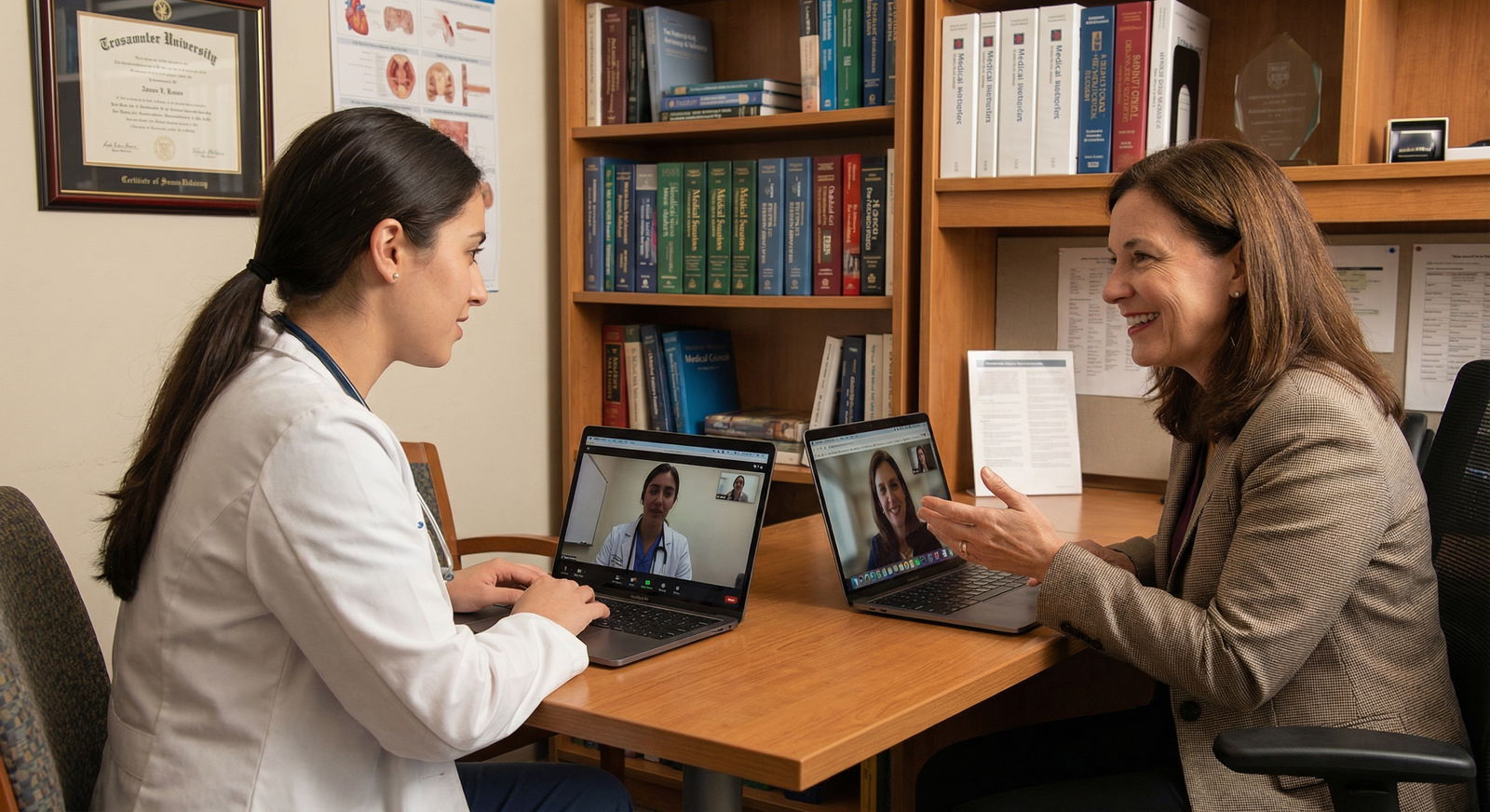
Match the Message to the Audience
Community programs often value interpersonal skills and work ethic over raw test numbers. Lean into stories about connecting with patients, leading teams, or adapting to challenging rotations. If you're interviewing for a prelim surgery spot, highlight your ability to work long hours without complaint and your hands-on procedural interest. Don't give the same generic answer everywhere.
Practice Out Loud, It's Uncomfortable, Do It Anyway
Record yourself on video. Yes, it's cringey, but it's the fastest way to kill verbal tics. I've seen students transform from apologetic to authoritative in two practice sessions simply by being forced to hear how they were sabotaging themselves with "um" and downcast eyes.
After the Match: Your 90-Day Post-SOAP Growth Plan
Congrats, you matched. Now the real work begins. Programs won't forget a low Step, but they will watch how you respond. A disciplined, transparent 90-day plan turns your weakness into a story of resilience.
Day 1-7: Close the Loop
Send a thank-you email to every program you interviewed with, even the ones that didn't pick you. Then email the program director you matched with and ask this: "I'm eager to start strong. Is there any area of my application you'd recommend I focus on before orientation?" You'll get respect and actionable feedback.
Day 8-30: Start a Structured Remediation
This is non-negotiable. Use UWorld, AnKing, or a dedicated Step 3 prep course (like Doctors In Training or Kaplan) to build a daily study habit. Aim for 20-30 questions a day with thorough review, not just volume. The goal is to dominate Step 3 well before residency, which silences any lingering doubt about your test-taking ability.
Day 31-90: Set Rotation Milestones
As you start clinicals, meet with your residency mentor within the first month. Say: "I want to document my clinical competency clearly. Can we set quarterly feedback checkpoints?" Then keep a personal log of positive attending comments, procedure numbers, and teaching moments. When fellowship applications come, you'll have a folder of evidence that your Step score was a blip.
Most academic support offices in residency are underutilized. Book an appointment with the resident wellness or academic coach early. Programs want you to succeed; they've invested in you.