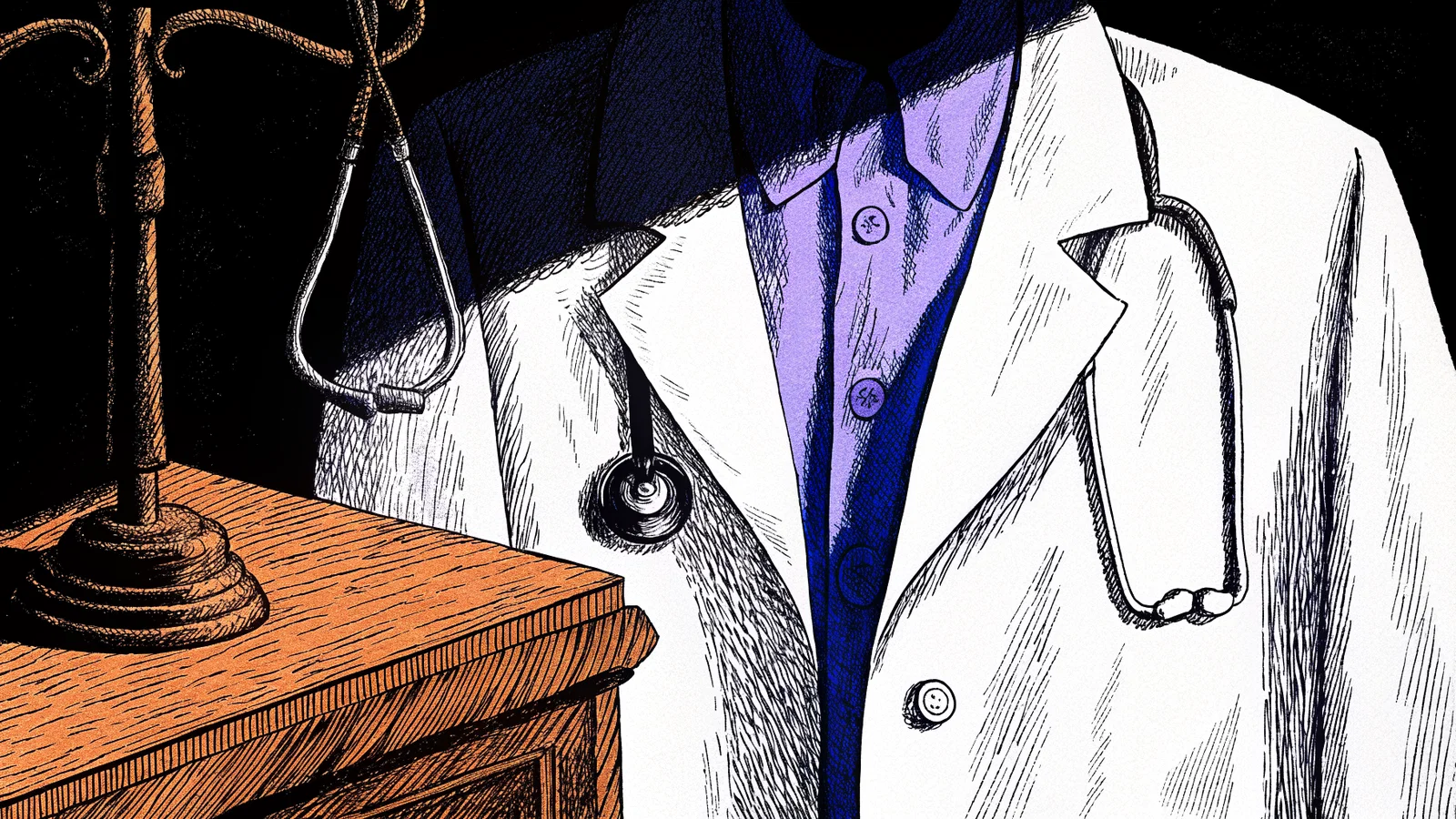
Medical ethics law isn't a subject you cruise through once in medical school and forget. It's the invisible architecture of every patient interaction, every chart entry, every referral decision, every text message you send about a case. And here's what I wish someone had told me early on: most physicians don't fail ethics because they're malicious. They fail because they assume the rules are obvious and skip the deliberate practice of applying them.
I've watched colleagues get hit with board complaints, lose hospital privileges, or settle malpractice suits, not because they were bad doctors, but because they ignored the legal scaffolding around their clinical decisions. The patient who felt "dismissed." The off-record text message about a difficult family. The "small" gift from a patient that went undeclared. These aren't dramatic failures. They're slow erosion.
This is a deep dive into where medical ethics law actually bites, and where you'll get hurt if you're not paying attention. I'm going to walk you through the landmines, the red flags, and a practical framework so you don't become another cautionary tale.
Before we go further, a quick note: the legal analysis in this article is for educational purposes only and does not constitute legal advice, financial advice, or tax advice. Figures vary, and you should consult a qualified professional for your specific situation, particularly for employment contracts, compliance matters, or any active regulatory concern. Treat this as a map of the terrain, not a substitute for a guide.
Introduction: Why Ethics Law Is the Career-Saver Most Doctors Ignore

Medical ethics law is the intersection of three forces: clinical judgment, regulatory frameworks, and human vulnerability. It governs how you document, how you communicate, how you handle conflicts of interest, and how you navigate the moments when doing the "right thing clinically" runs into the "wrong thing legally."
Here's the part that should concern you: most medical ethics violations aren't dramatic. They're quiet. They're the times you:
- Document "patient seems fine" instead of specific findings.
- Skip the consent process because "everyone knows this procedure."
- Accept a pharmaceutical lunch without questioning the agenda.
- Discuss a patient in an elevator.
- Text a colleague about a case without encryption.
Why does this matter to your career? Because state medical boards, malpractice attorneys, and federal regulators all read your behavior through this lens. The same chart that protects you in a lawsuit is the same chart a board investigator will dissect if a complaint is filed. Documentation isn't admin work, it's defensive architecture.
The uncomfortable truth: ethics law isn't about being a good person. It's about building habits that protect your license when you're tired, rushed, distracted, or simply having a bad day. Good intentions don't shield you from a process failure.
The Core Challenge: Where Doctors Actually Get Burned
Let's get specific. I've categorized the failure modes by frequency and severity, because not all pitfalls are created equal. Some will end your career. Others will cost you a few hours with risk management. Knowing the difference is critical.
Pitfall #1: Documentation as an Afterthought
This is the single biggest mistake I see. Physicians treat charting as clerical overhead. It's not. Your note is your legal record, your memory aid, and your only defense when a patient claims something different happened.
Don't: Write "discussed options with patient" and move on.
Do: Specify which options. Document the patient's questions, their stated concerns, their expressed preferences. If they refused a recommended test, write that refusal, and quote them. If you explained risks, list the specific risks. "Discussed risks" is a lawyer's dream; "discussed risks of hemorrhage, infection, and need for reoperation, with patient verbalizing understanding" is your fortress.
The red flag: if you can't reconstruct the conversation from the chart, it didn't happen. Courts believe the record, not your memory.
Pitfall #2: Informed Consent as a Formality
Informed consent isn't a signature. It's a process. The standard isn't whether the patient signed something, it's whether they actually understood what they were agreeing to.
I've seen consent failures destroy careers. The patient who wasn't told a procedure was experimental. The family who didn't understand a surgery had a 30% complication rate. The teenager whose parents weren't consulted for a sensitive procedure.
The rule: informed consent requires disclosure of material risks, reasonable alternatives, and the consequences of refusal. "Material" means what a reasonable person would want to know, not what you assume is obvious. Use teach-back methods. Document the patient's questions and your answers.
If your consent process takes less than five minutes for a non-trivial procedure, you're probably doing it wrong.
Pitfall #3: Confidentiality as Background Noise
HIPAA isn't a suggestion. It's a federal statute with criminal penalties. And the breaches are everywhere:
- The elevator conversation.
- The whiteboard with full names and room numbers.
- The text message to a colleague with a patient's name attached.
- The social media post about "this crazy case."
- The laptop left open at a coffee shop.
The trap: you get comfortable. The team has been discussing Mrs. Jones's CT findings in the break room for months. It feels normal. Then a complaint comes in, and suddenly every casual mention is a breach.
The fix: assume every patient identifier is radioactive. Don't use names in non-secure communications. Don't post anything that could identify a patient, even if you think it's anonymous. Review your workplace's actual privacy practices. Most "HIPAA-compliant" systems have weak links.
Pitfall #4: Boundary Crossings You Don't Notice
Boundary violations rarely start as boundary violations. They start as small accommodations:
- The patient who calls your cell phone "because it's easier."
- The patient who brings you gifts, which you accept without documentation.
- The patient who asks for "off the record" advice on a family member.
- The romantic interest that develops during a long course of treatment.
- The financial arrangement that starts as a favor and becomes entanglement.
State medical boards treat boundary issues seriously, even when the patient seems to consent. The standard isn't just whether the patient objected; it's whether a reasonable professional would recognize the risk.
Red flag: if you're making exceptions for a patient that you wouldn't make for ten others, you're already in the danger zone.
Pitfall #5: Conflicts of Interest You Rationalize
The pharmaceutical rep who brings lunch for your staff. The device manufacturer who pays your speaking fee. The lab that sends you referral kickbacks. The hospital that "requests" you use their preferred vendors.
These arrangements are legally fraught. Anti-kickback statutes, Stark laws, and state regulations govern how physicians interact with industry. The line between legitimate education and inducement is real.
The mistake: assuming small benefits don't matter. A free lunch costs nothing to flag, until a federal investigator is asking why your prescribing patterns align with a specific manufacturer's marketing. Then it's a pattern.
Pitfall #6: Impairment You Won't Acknowledge
This one's harder. Substance use, mental health crises, cognitive decline, these are ethics issues before they're clinical ones. A physician practicing while impaired doesn't just risk patient safety; they risk their entire career.
State physician health programs exist to help, but only if you engage with them. The alternative is a board investigation triggered by a single bad outcome. Don't gamble. If you or a colleague is showing signs of impairment, the ethical move is intervention, through the proper channels, not through gossip.
Actionable Next Steps: Building Your Ethics Defense
Now the practical part. Here's the framework I wish I'd had when I started. These aren't theoretical suggestions; they're habits that protect you.
Step 1: Master Your Documentation Habits
- Spend ten minutes at the end of each day reviewing your notes. Are they specific? Do they capture the patient's voice? Would a stranger understand what happened?
- Use templates for high-risk encounters: consent conversations, refusal of treatment, end-of-life discussions, adverse events.
- Never alter a record. If you need to correct something, add an addendum with a timestamp and reason.
Step 2: Build Your Consent Process
- For every procedure beyond the trivial, use a structured consent script. Document the discussion, not just the signature.
- Train your team on teach-back methods. If the patient can't explain what they're consenting to in their own words, you haven't consented them.
- Keep consent forms current with legal review. An outdated form is worse than no form, it creates false documentation.
Step 3: Audit Your Confidentiality Practices
- Review your messaging apps. Are they encrypted? Are patient identifiers stripped?
- Walk through your workspace. What's visible? What's audible?
- Train yourself to default to de-identified language, even in casual team discussions. It's a habit that compounds.
Step 4: Set Boundaries Proactively
- Establish communication policies with patients upfront. "I take messages through the portal, not personal calls."
- Document gifts received from patients and your rationale for accepting or declining.
- If a boundary is being tested, name it out loud: "I want to make sure I'm staying within professional guidelines here." This protects you and signals to the patient.
Step 5: Review Your Industry Relationships
- Disclose everything to your institution's compliance office. The disclosure is your protection.
- Track every meal, honorarium, and sponsored event.
- When in doubt, ask: "Would this look reasonable to a board investigator?" If not, decline.
Step 6: Know Your Resources
- Identify your hospital's ethics committee and risk management team before you need them.
- Keep your state medical board's contact information accessible.
- Subscribe to updates from the AMA's Code of Medical Ethics and your specialty society's ethics resources.
- Build relationships with a healthcare attorney, proactively, not when you're in crisis.
Step 7: Create Your Personal Ethics Check
Before any non-routine decision, run through this:
- Am I documenting this adequately?
- Have I obtained informed consent for what's actually happening?
- Have I protected confidentiality in every communication?
- Are any boundaries being stretched?
- Are there conflicts of interest I've failed to disclose?
- Would my reasoning hold up if read by a board investigator?
If any answer is fuzzy, slow down. Get a second opinion, from a colleague, an ethics consultant, or your institution's resources.
Key Takeaways
- Documentation is defensive architecture. Treat every note as if it will be read in court, because eventually it will.
- Informed consent is a process, not a signature. The standard is patient understanding, not patient agreement.
- Confidentiality is a habit, not a policy. Default to de-identified language in every setting.
- Boundaries erode gradually. Small accommodations compound into serious violations.
- Conflicts of interest must be disclosed. Even small benefits create patterns that investigators will notice.
- Impairment is an ethics issue. Engage with physician health programs proactively.
- Resources exist, use them before the crisis. Ethics committees, risk management, and healthcare attorneys are partners, not last resorts.
The physicians who thrive over decades aren't the ones with perfect clinical judgment. They're the ones who build systematic habits that protect them when judgment fails. Ethics law isn't about being a saint, it's about being defensible.
Build the habits now. Review them regularly. Treat them as seriously as your clinical training. Your license, your career, and your patients will thank you.