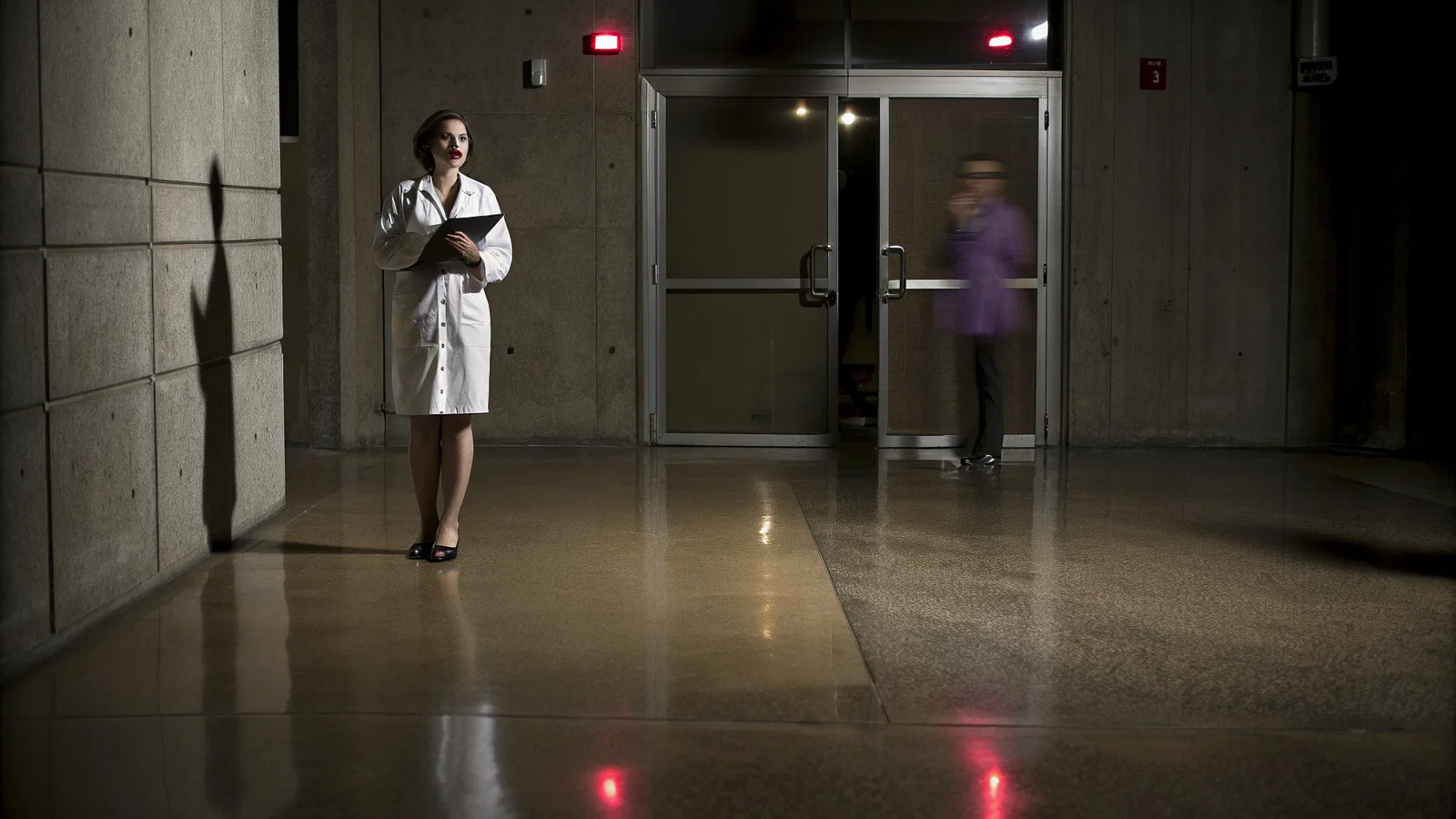
Stat consults don't forgive spectators who forget they're still on stage. Time is life. Mistakes stick. And the attending you're trailing today might be the same person writing your residency letter, or deciding you never get one. I've watched bright premeds and early med students torch relationships in under ten minutes because they treated a crash cart moment like a Netflix episode. Don't be that person.
Urgent and stat consults are high-stakes environments where the hierarchy is real, the cognitive load is brutal, and "just watching" is a trap if you do it wrong. Shadowing here isn't passive tourism. It's learning the rhythm of crisis management without becoming the crisis. One wrong move burns a bridge. Understanding the difference between shadowing and participating is your first survival skill. This piece flags the five critical red flags that scream you're failing to learn, and how to stop yourself before the attending writes you off.
This article is for educational purposes only. It is not financial advice, not legal advice, and not tax advice. Figures vary by individual circumstances, so consult a qualified professional before acting.
The Minefield of the Stat Consult: Why You Need to Be Careful
Here's the ugly truth: when the page says "stat," everyone in that room is already operating at capacity. The attending is holding the differential, the nurses are executing, the patient (or family) is terrified, and you, white coat, notebook, eager face, are either an asset in training or dead weight that needs managing. There is no neutral.
I've seen students get invited back for more shifts because they stayed sharp, quiet when required, and prepared. I've also seen the opposite: the student who got the "we'll call you" after hovering too close during a rapid response. Permanent impressions form fast. Your job is to absorb the hierarchy and the tempo without adding friction. This isn't the place to prove how smart you are. It's the place to prove you can be trusted near sick people.
The five mistakes below are the ones that keep repeating. Avoid them and you leave looking like someone who belongs. Make them and you're the cautionary tale the team jokes about later.
Mistake #1: The 'Passive Ghost' Syndrome
Silence isn't golden here. It's invisible. And invisible students don't get asked back, don't get teaching pearls, and don't build the relationships that matter later.
If you park yourself in the corner and stare at the wall, or worse, at your phone, you're not learning. You're furniture. You must actively listen to the HPI and the physical exam findings. Track what the attending asks and what they skip. Notice which vitals make them pause. Don't just watch them write orders; anticipate the next one. That's the whole point.
Being a ghost makes the attending forget you exist until they need someone to fetch coffee. Active engagement means mental notes on clinical reasoning, not just the actions. When they order a CT angio after a neuro exam, you should already be thinking "rule out dissection" in your head. You don't announce it. You just stay locked in.
I've watched students transform a shift by quietly tracking the case and later asking one precise question during the debrief. That's the difference between "nice kid, quiet" and "bring that one back."
Don't confuse activity with noise. Engagement is internal first. Eyes up. Brain on. Mouth mostly closed until invited.
Mistake #2: Interrupting the 'Stat' Flow
Stat consults are controlled chaos. The attending is multitasking, examining, thinking, talking to the patient, signaling the nurse, often in the same breath. Your question mid-stream is the fastest way to earn the finger-up "not now" look. I've seen it. It's not subtle. And it sticks.
Wait for the teaching moments. They usually arrive after the patient is stabilized or the plan is locked. Do not ask "Why did you do that?" the second they order push-dose pressors. Respect the cognitive load. Let them finish the thought process. Your curiosity is valid. Your timing is the problem.
The students who survive these shifts develop a sixth sense for when the room's temperature drops enough for questions. Until then, you absorb. You note. You wait. Interrupting doesn't make you look eager. It makes you look like you don't understand urgency. That's a career-limiting signal in any high-acuity specialty.

Protect the flow. Your future self will thank you when that same attending remembers you as the one who didn't derail the code.
Mistake #3: Overstepping Boundaries (The 'I'm a Med Student' Trap)
In urgent care and stat consults, the attending owns the room. You observe. You do not perform. Do not touch the patient. Do not offer unsolicited advice. Do not "help" with the physical exam unless explicitly told. Offering advice without being asked is a neon red flag that you don't understand hierarchy, and hierarchy keeps patients safe.
If they want your hands, they'll say so. Until then, assume you are not needed for the hands-on work. Your value lives in your eyes and ears. Keep your hands to yourself. I've watched well-meaning students reach for a blood pressure cuff or start explaining a finding they half-remembered from class. The air leaves the room. Trust evaporates.
This isn't about ego. It's about scope. You are not the decision-maker. Acting like one, even politely, tells the team you might become a liability under real pressure later.
Stay in your lane. The students who get strong letters are the ones who never needed to be corrected on this.
Mistake #4: Walking into the Room Blind
Never walk into a consult room without reading the chart first. This is both a safety failure and a professionalism failure. You need the patient's name, age, and the reason for the consult before you knock. Walking in blind makes you look unprepared and wastes the team's time, time they don't have.
Use the minutes before the consult. Review vitals, recent labs, previous notes, allergies. Preparation is the gap between a confident student and a stumbling novice who asks "so what brings you in?" while the attending is already three steps ahead.
I've seen attendings test this quietly. They'll glance at you after the intro and expect you to already know the creatinine is climbing or the troponin just came back. If you blank, the impression is set. Don't be the person who needs a full re-brief because you were scrolling in the workroom.
Two minutes of chart review buys you credibility for the entire encounter. Skip it and you start every case in a hole.
Mistake #5: Losing Your Cool (Emotional Regulation)
Stat consults involve sick patients and raw stress. Panic is contagious. If you look terrified or overwhelmed, the team now has to manage you on top of the patient. That's unacceptable.
Maintain professional composure even when the situation is grim. Do not gasp. Do not freeze with wide eyes. Do not whisper dramatic commentary to another student in the hallway. Your calm is a tool. Use it to show you can handle the pressure of residency. Attendings notice who stays steady when the monitor starts alarming and who becomes part of the noise.
I've stood next to students who went pale during a messy airway and others who simply stepped back, stayed quiet, and kept watching. Guess who got the "you did well today" comment afterward. Emotional regulation isn't optional. It's a core competency they're already evaluating, whether they say it out loud or not.
Breathe. Ground your feet. Keep your face neutral. You can process the horror later with your journal or your mentor. In the moment, you are professional or you are a problem.
Conclusion: Protect Your Future
Urgent consults are a crucible. They test professionalism and clinical instincts under real heat. Avoid these five mistakes and you leave a clean, positive impression. A strong recommendation letter starts with showing up prepared, staying engaged without being loud, and staying out of the way when the stakes are high.
Go shadow with your eyes open and your mouth mostly shut, unless you've been given the green light. Discipline today is the letter, the interview story, and the reputation you'll need tomorrow. Your future self is watching. Don't make the cheap mistakes that cost you later.
Now get in there, prepare harder than you think you need to, and prove you can handle the real thing.
Key takeaways worth tattooing on your brain:
- Active engagement is mandatory; silence makes you invisible.
- Never interrupt the attending during a stat consult; respect the cognitive load.
- Keep your hands to yourself and your eyes open; do not overstep your scope.
- Always read the chart before entering the room; never walk in blind.
- Maintain professional composure to prove you can handle residency pressure.