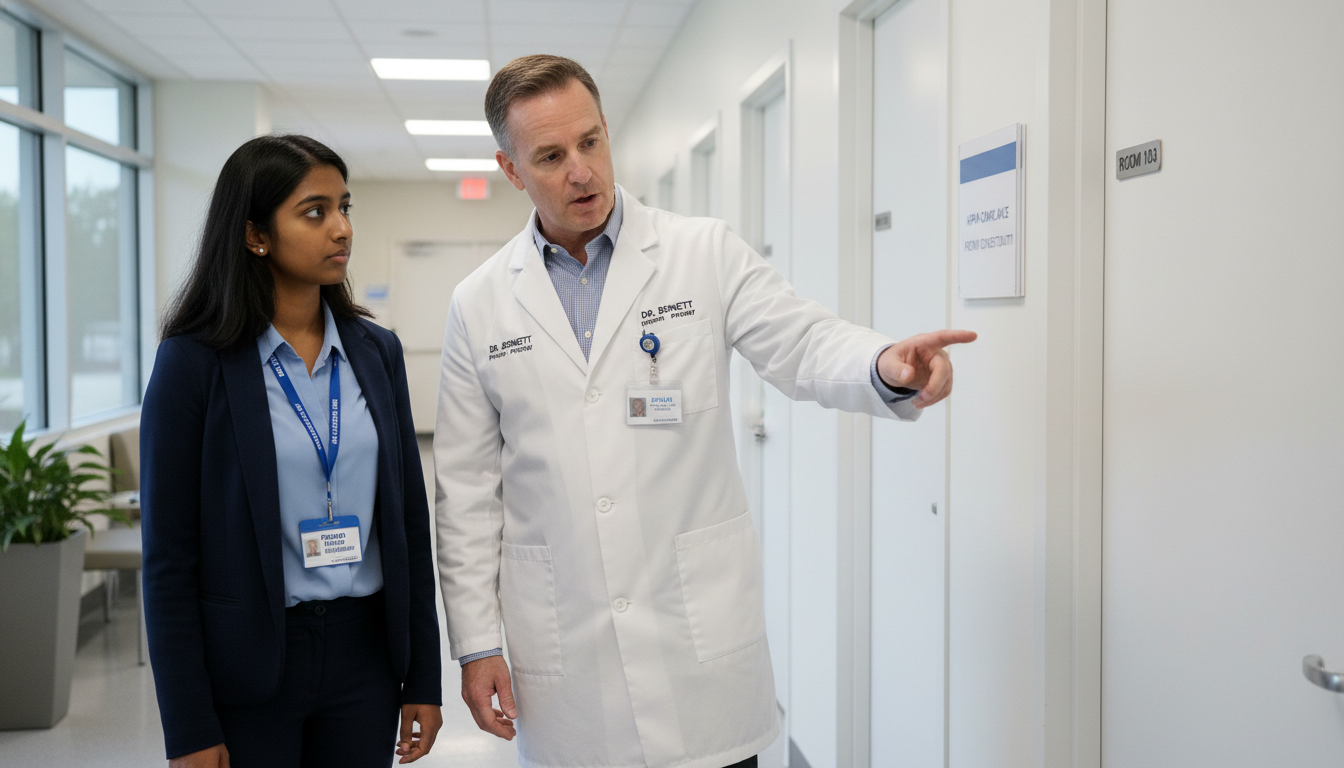
Shadowing Your Way to Medical School: What You Need to Know
Embarking on a Career in Medicine is both exciting and demanding. Long before you submit your medical school application, you’ll be expected to demonstrate that you understand what being a physician truly entails. One of the most powerful ways to gain this insight—and to strengthen your application—is through Medical Shadowing.
For pre-med students, shadowing is more than just standing in the corner and watching. Done thoughtfully, it can clarify your motivation, help you assess whether a career in medicine fits you, and generate meaningful stories and reflections for your personal statement, secondaries, and interviews.
This guide walks you through what medical shadowing is, why it matters so much, how to find and secure opportunities, and how to get the most out of every hour you spend in the clinic or hospital.
What Is Medical Shadowing and Why Does It Matter?
Defining Medical Shadowing
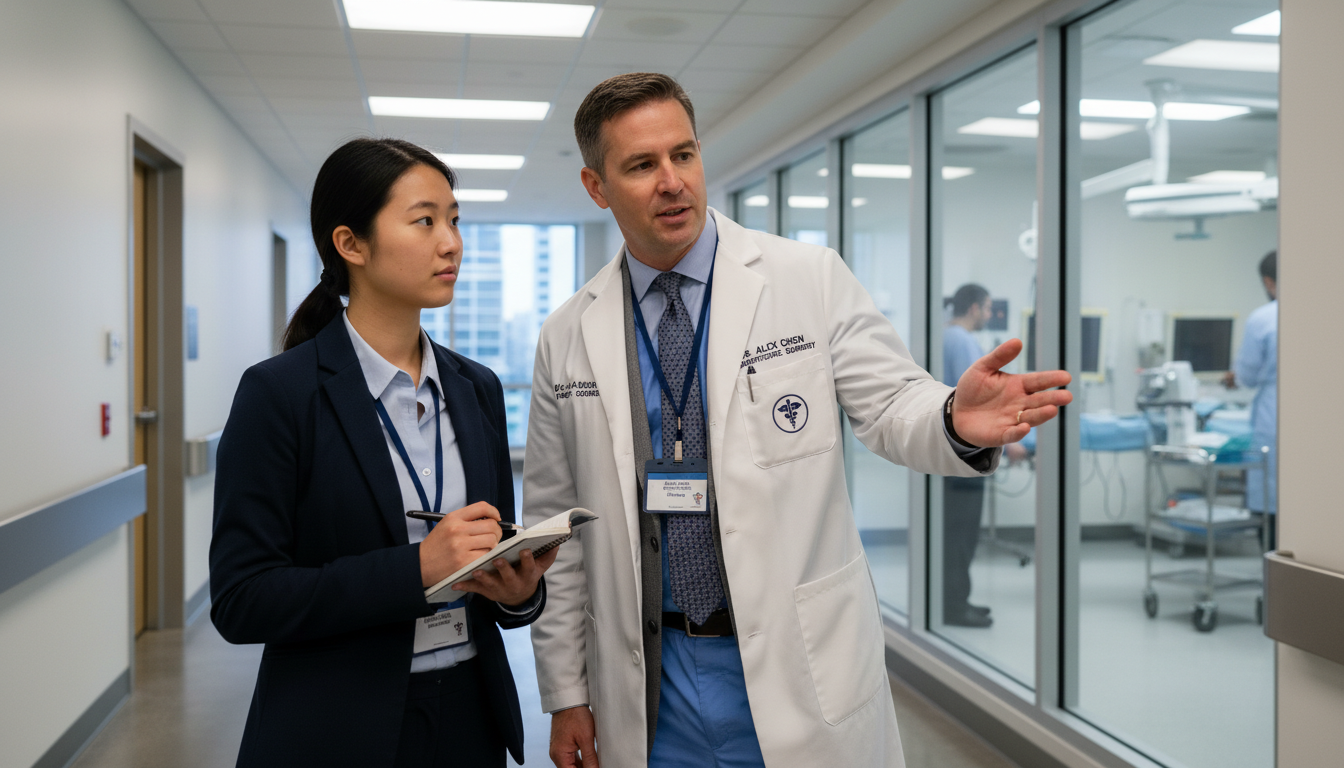
Medical shadowing is an observational experience where a pre-med or early medical student follows a physician or other healthcare professional through part or all of their workday. You are not providing hands-on patient care; instead, you:
- Observe patient encounters and communication styles
- Watch clinical decision-making in real time
- See how healthcare teams collaborate
- Get a sense of the pace, stressors, and rewards of medical practice
Shadowing can occur in many settings, including:
- Outpatient clinics (family medicine, pediatrics, internal medicine, specialties)
- Inpatient hospital wards and ICUs
- Emergency departments
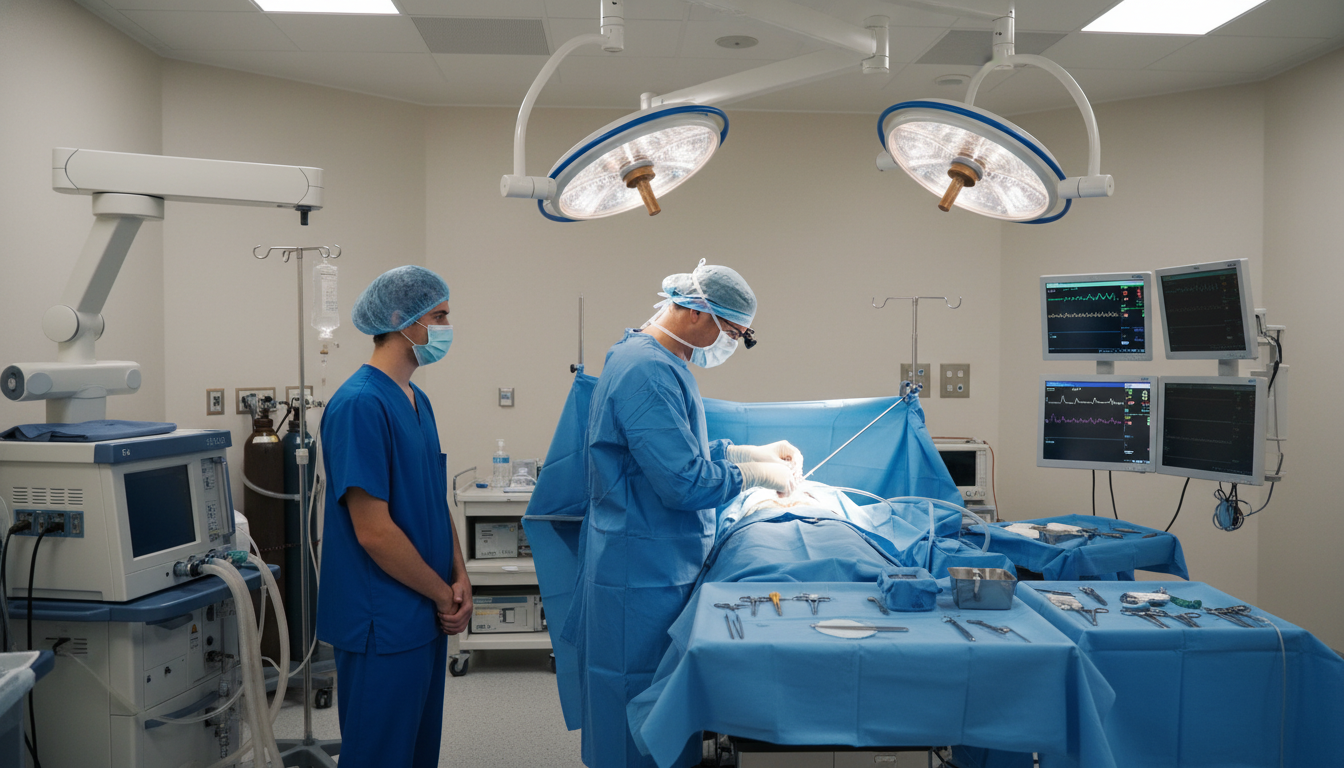
- Operating rooms and procedural suites
- Community health centers and free clinics
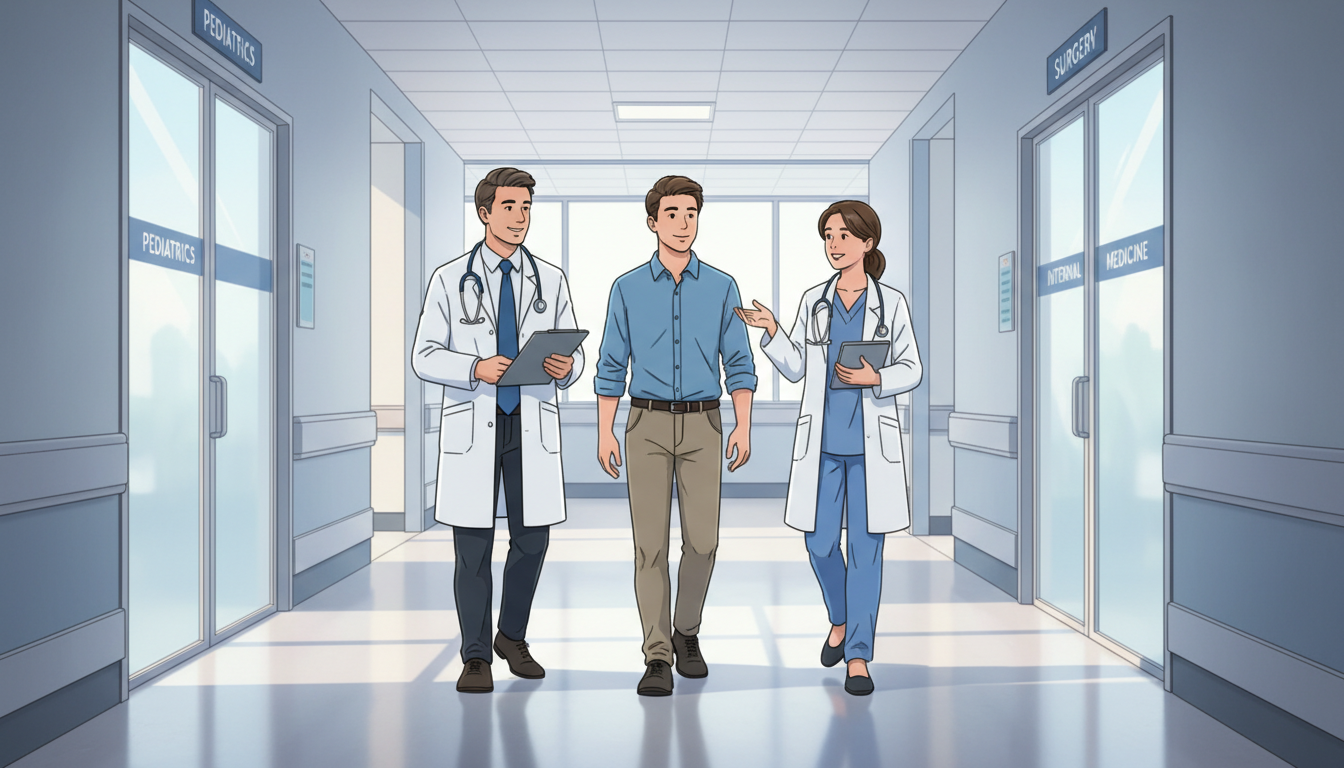
You might shadow a single physician intensively over weeks, or multiple physicians across different specialties to broaden your healthcare experience.
Why Shadowing Is Crucial for Pre-Meds
Shadowing sits at the intersection of Pre-Med Tips, career exploration, and application strategy. It matters for several reasons:
Understanding What Physicians Actually Do
Textbooks and TV dramas can’t show you the full reality of medicine. Shadowing reveals:- How much time physicians spend with patients vs. documentation
- The complexity of diagnostic reasoning
- The emotional burden of delivering bad news
- The importance of interprofessional teamwork (nurses, pharmacists, social workers, etc.)
Developing Insight Into Patient Care and Professionalism
By watching closely, you’ll see subtle but critical elements of high-quality care:- How physicians build trust quickly with new patients
- Techniques for explaining complex information clearly
- Approaches to navigating disagreement or nonadherence
- Ways clinicians show empathy and maintain boundaries
These observations can become powerful reflections in your personal statement and interviews.
Informing Your Career in Medicine Decisions
Shadowing can confirm your desire to pursue medicine—or reveal that another healthcare path might be a better fit. It also helps you:- Compare different specialties (e.g., surgery vs. psychiatry vs. pediatrics)
- Notice what kind of patient population energizes you
- See whether you prefer outpatient continuity or fast-paced acute care
Admissions committees value applicants who have made an informed, mature decision about pursuing medicine.
Building Mentorship and Networking Relationships
Physicians you shadow can become:- Long-term mentors
- Sources of career advice and specialty guidance
- Potential authors of strong letters of recommendation
- Connectors to research projects, quality improvement initiatives, or volunteer opportunities
Strengthening Your Medical School Application
Many schools don’t list a strict minimum shadowing requirement, but they do expect evidence of clinical exposure. Strong shadowing experiences help you:- Demonstrate exposure to the realities of healthcare
- Provide concrete examples in personal statements and interviews
- Show sustained commitment to a career in medicine
When combined with clinical volunteering and other experiences, shadowing rounds out a competitive medical school application.
How to Find and Arrange Medical Shadowing Opportunities

Securing shadowing isn’t always straightforward. HIPAA, hospital policies, and physician workloads can be barriers, but with a strategic and professional approach, you can find meaningful opportunities.
Step 1: Clarify Your Goals and Constraints
Before you send a single email, spend some time thinking about:
What you hope to learn
- Early broad exposure?
- Confirming interest in a specific specialty?
- Understanding outpatient vs. inpatient care?
Your practical constraints
- How many hours per week can you commit?
- Are you limited to a certain geographic area?
- Are you aiming for a short intensive block (e.g., school break) or a long-term weekly commitment?
Being clear on your goals lets you communicate professionally and target the right settings.
Step 2: Leverage Your Existing Network
You may already be closer to a shadowing opportunity than you think.
Family, friends, and acquaintances
Ask if they know any physicians, PAs, NPs, or other providers willing to be contacted about potential shadowing. Emphasize that you’re seeking observational experience and are happy to comply with all institutional requirements.Academic connections
- Pre-health advisors and career services often maintain lists of local clinicians open to shadowing.
- Professors (especially in science departments) may have professional connections to nearby hospitals or clinics.
- Alumni networks (from your college or pre-med club) can be a powerful resource.
Student and professional organizations
- Pre-med clubs sometimes organize group shadowing or panels with local physicians.
- Specialty societies (e.g., American College of Physicians, American Academy of Pediatrics) may have student outreach initiatives or mentorship programs.
Step 3: Contact Local Clinics and Hospitals
If your personal network is limited, go directly to healthcare institutions.
Check hospital/clinic websites
Look for pages labeled:- “Student Opportunities”
- “Volunteer Services”
- “Education and Training”
- “Observerships” or “Shadowing”
Some hospitals have formal shadowing programs with specific application cycles, background checks, vaccinations, and orientation requirements.
Call or email the right department
If the website is unclear, contact:- Volunteer Services
- Graduate Medical Education (GME) office
- Medical Education or Academic Affairs departments
Ask if they host pre-med observers and what the process is.
Approach private practices and community clinics
Many pre-meds find their most meaningful experiences in smaller outpatient settings. When reaching out:- Identify providers from practice websites
- Send a concise, professional email that includes:
- Who you are (name, school, year, pre-med status)
- Your interest in medicine and that specialty
- Your requested timeframe (e.g., “4–6 half-days over the summer”)
- Your willingness to comply with their policies (HIPAA, vaccinations, background checks)
- Appreciation for their time and consideration
Keep your message under 200–250 words and proofread carefully.
Step 4: Demonstrate Professionalism From the Start
How you communicate initially sets the tone.
- Use a professional email address (e.g., firstname.lastname@university.edu)
- Address the physician formally (e.g., “Dear Dr. Smith”)
- Attach a brief resume if appropriate (1 page)
- Be flexible with dates and times
- Respond promptly and courteously
Remember: you’re asking a busy professional to add another responsibility to their day. Make it easy for them to say yes.
Step 5: Follow Up—Politely and Persistently
If you don’t receive a response after 7–10 days, it’s reasonable to send one brief follow-up:
- Reiterate your interest
- Acknowledge their busy schedule
- Offer to adjust your timeframe or shadow for a shorter period
If there’s still no response, move on and explore other options. Casting a wide net often yields the best results.
What to Expect During Medical Shadowing
Shadowing varies widely depending on the setting and specialty, but some common patterns can help you prepare mentally and logistically.
Typical Day-to-Day Activities
You might observe:
Outpatient clinic visits
- New patient evaluations
- Follow-up visits for chronic conditions (e.g., diabetes, hypertension)
- Preventive care (vaccinations, screening exams)
Hospital rounds
- Team discussions of overnight events
- Bedside updates and physical exams
- Coordination with consultants and nursing staff
Procedures or surgeries
- Pre-op patient counseling
- Intraoperative team communication and sterile technique
- Post-op checks and discharge planning
Non-patient-facing work
- Electronic documentation and chart review
- Reviewing labs and imaging
- Phone calls with patients and other providers
- Interactions with case management or social work
Seeing the full spectrum of a physician’s day helps you appreciate how much of medicine occurs outside of the exam room.
Patient Interactions and Your Role
You are there to observe, not to treat. Expect:
- To be introduced as a student observer (often “pre-med student”)
- To stand or sit slightly behind or to the side of the physician
- To remain quiet during sensitive conversations, unless invited to ask questions
Sometimes you’ll step out for certain encounters (e.g., sensitive exams, private discussions) if either the patient or physician prefers. Always respect these boundaries.
Many physicians will pause after a visit to explain:
- Why they asked certain questions
- How they interpreted exam findings
- Their reasoning behind a diagnosis or treatment plan
This is your chance to learn and connect clinical reasoning with the science you’ve studied.
Emotional and Ethical Dimensions
Shadowing exposes you to the human side of healthcare:
- Patients receiving life-changing diagnoses
- Families coping with chronic illness or loss
- Social determinants of health (e.g., poverty, language barriers, access issues)
It’s normal to feel deeply affected by some experiences. Use these moments to reflect:
- What aspects of this work resonate with you?
- What challenges concern you?
- How do physicians sustain themselves emotionally and ethically over time?
Keeping these reflections in a private journal (never including identifiable patient information) can be invaluable when you later write your application essays.
How to Maximize Your Shadowing Experience
Simply showing up isn’t enough. With some intention and preparation, you can turn standard shadowing into an outstanding, transformative experience.
1. Prepare Logistically and Professionally
Dress appropriately
- Business casual (e.g., slacks or dress pants, blouse/button-down, closed-toe shoes)
- Ask whether you should bring a white coat; many pre-meds do not wear one, but some institutions may prefer it
Bring essentials
- Simple notebook and pen (avoid taking notes in front of patients unless clearly appropriate)
- Photo ID
- Any required badges or paperwork
- A small bag—avoid bulky backpacks in clinical areas
Arrive early
Aim to be 10–15 minutes early on your first day to complete any final paperwork and avoid rushing.
2. Be Curious—But Choose Your Moments
Asking thoughtful questions is one of the best ways to learn, but timing matters:
- Avoid interrupting patient encounters
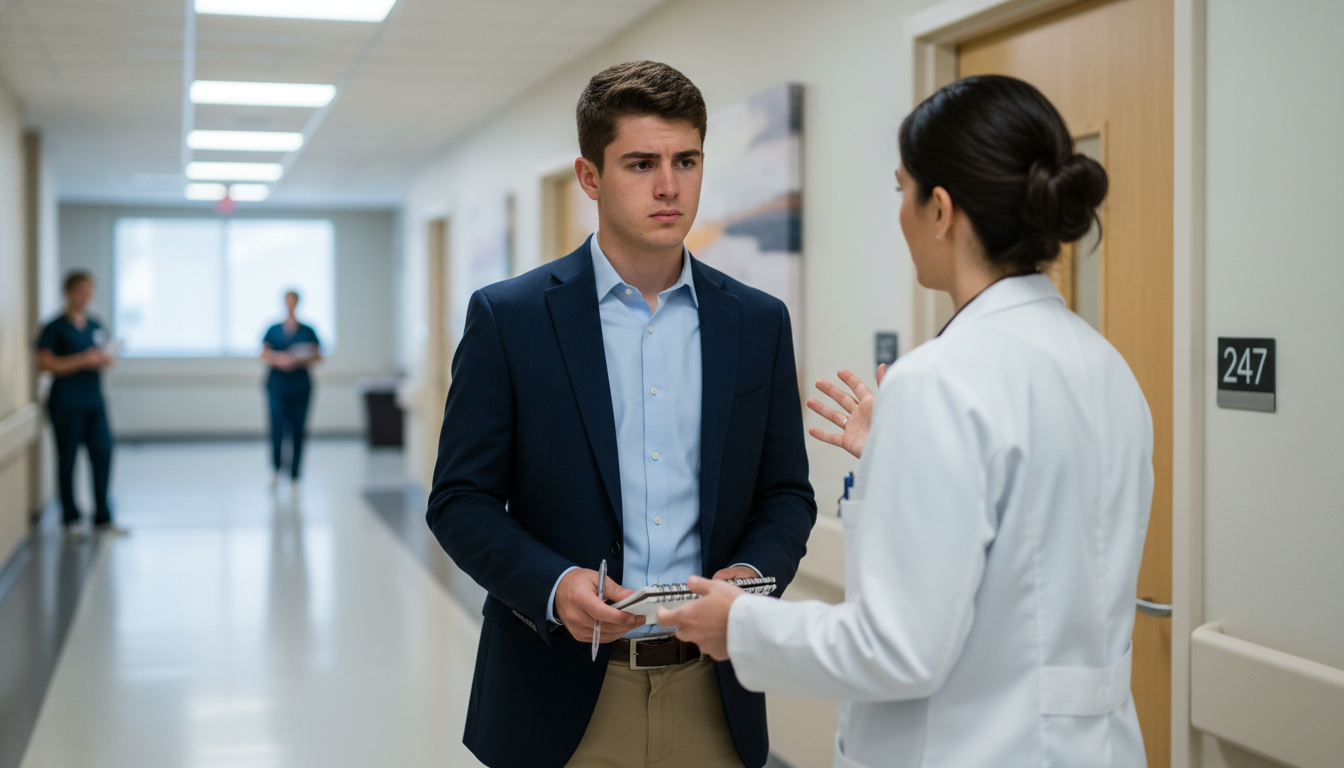
- Save complex questions for between visits, walking between rooms, or at the end of the day
- Start with open-ended prompts:
- “How did you decide on this specialty?”
- “What do you find most rewarding and most challenging about your work?”
- “In this case, what were the key factors that led you to that diagnosis?”
You can also ask process-oriented questions, such as how they manage time, documentation, or difficult conversations.
3. Respect Confidentiality and Boundaries
Protecting patient privacy is non-negotiable:
- You may be asked to sign a HIPAA or confidentiality form—read and follow it carefully
- Never record audio, video, or photos in clinical areas
- Never discuss specific patients outside the clinical context, especially on social media
- In your journal, use non-identifying descriptions (e.g., “middle-aged man with chest pain”)
If a patient seems uncomfortable with your presence, step out immediately and gracefully. Your sensitivity to these cues reflects your readiness for a career in medicine.
4. Stay Engaged and Present
Physicians notice when students are genuinely engaged:
- Maintain good eye contact with speakers (patient or physician)
- Put your phone away; silence notifications before entering clinical areas
- Track the flow of the day—try to predict next steps based on what you’ve learned
- Mentally practice what you might ask or say if you were leading the encounter as a future physician
Even during repetitive visits (e.g., multiple follow-ups for the same condition), challenge yourself to notice differences in patient communication, treatment adherence, and social factors.
5. Reflect Intentionally After Each Session
Set aside 10–15 minutes after each shadowing session to reflect:
What did you observe about:
- Communication and bedside manner?
- Ethical decision-making?
- Team dynamics?
What surprised you?
What reinforced or challenged your assumptions about medicine?
How did this experience affect your desire to become a physician?
Over weeks and months, these reflections will:
- Give you concrete stories for essays and interviews
- Help you articulate why you want to pursue medicine
- Clarify what kind of physician you aspire to be
6. Express Gratitude and Maintain the Relationship
At the end of your shadowing experience:
- Thank your physician verbally on your last day
- Send a brief, sincere thank-you email or handwritten note within a few days
- Mention a specific lesson or moment that was especially meaningful
If the experience was positive, you can:
- Ask whether they’d be open to staying in touch or offering future advice
- Consider asking for a letter of recommendation later, once you’ve built a more substantial relationship (possibly through extended shadowing, research, or additional collaboration)
How Shadowing Fits Into Your Overall Pre-Med Roadmap

Shadowing is one essential component among many experiences that collectively build a strong medical school application and prepare you for a career in medicine.
Balancing Shadowing With Other Experiences
Medical schools look for a portfolio of experiences, including:
Clinical volunteering or employment
Direct patient contact roles (e.g., medical assistant, EMT, scribe, hospital volunteer) show your comfort working with patients and teams.Research
Demonstrates intellectual curiosity, critical thinking, and perseverance.Community service and outreach
Reflects altruism, cultural humility, and a commitment to underserved populations.Leadership and extracurriculars
Showcases your ability to work with others, follow through, and manage responsibilities.
Shadowing complements these by demonstrating that you have specifically observed physicians and understand the physician’s role.
How Much Shadowing Is Enough?
There’s no universal magic number, but commonly:
- 20–40 hours across at least one or two specialties is a reasonable baseline.
- 50–100+ hours, especially across multiple settings (outpatient, inpatient, ED) and specialties, can strengthen your application and deepen your insight.
Admissions committees care more about:
- The quality and diversity of your experiences
- Your ability to reflect meaningfully on what you learned
- Evidence of sustained, thoughtful engagement with clinical environments
than about hitting a specific hour count.
Integrating Shadowing Into Your Application Materials
Your shadowing experiences will likely appear in:
Work/Activities section of AMCAS/AACOMAS
- List each major shadowing experience with physician name, specialty, location, and dates
- Use the description to highlight what you learned—not just what you did
Personal statement
- Use a specific patient encounter or physician interaction to illustrate your motivation, values, or understanding of medicine
- Focus on your reflection, not just the story itself
Secondary essays
- Many schools ask about clinical exposure or understanding of the physician role—shadowing is a prime source of examples
Interviews
- Be prepared to discuss what surprised you about shadowing
- Reflect on how it confirmed or reshaped your desire to be a physician
Thoughtful integration of shadowing into your narrative can significantly bolster your medical school application.
Frequently Asked Questions About Medical Shadowing
1. How many hours of medical shadowing do I need for a strong medical school application?
Most medical schools don’t specify a strict minimum, but many pre-meds aim for 20–50 hours as a baseline. Competitive applicants often accumulate 50–100+ hours across multiple settings and specialties. Focus on:
- Gaining exposure in more than one environment (e.g., clinic and hospital)
- Shadowing at least one primary care physician, if possible
- Reflecting deeply on what you learn, rather than just accumulating hours
Quality, variety, and insight matter more than sheer quantity.
2. Is it better to shadow multiple physicians or spend a long time with one?
Ideally, do both:
Multiple physicians and specialties
- Broaden your understanding of the healthcare system
- Help you compare different paths in a career in medicine
Longer-term relationship with one physician
- Allows you to see continuity of care and patient follow-up
- Builds rapport that can lead to mentorship and a more personalized letter of recommendation
If you must choose, prioritize a mix of at least two different settings or specialties.
3. What if I can’t find shadowing opportunities due to hospital policies or COVID-19 restrictions?
You’re not alone—many students have faced similar barriers. Consider:
- Clinical volunteering or paid roles (e.g., scribe, EMT, medical assistant, CNA)
- Virtual shadowing programs or online case-based experiences (some schools and organizations now offer these formally)
- Telehealth observation, if a physician mentor is willing and patients consent
When applying, be transparent about your constraints and emphasize what you did to gain clinical exposure within those limits.
4. Can I include medical shadowing in my personal statement and interviews?
Yes—and you should, if the experience was meaningful. Strong uses of shadowing in your application:
- Focus on a specific encounter or insight that shaped your understanding of medicine
- Emphasize what you learned and how it influenced your goals or values
- Avoid generic statements like “I learned that doctors help people”
Remember to maintain confidentiality: never include details that could identify a patient.
5. Do I ever get to interact with patients directly during shadowing?
Traditional shadowing is primarily observational, and in many institutions, pre-meds cannot perform physical exams or procedures. However:
- Some physicians may invite you to take a brief history or ask a few questions, under supervision
- In student-run free clinics or certain volunteer roles, you may have more structured patient interaction (still supervised)
If you’re seeking more hands-on experience, combine shadowing with roles like scribing, medical assisting, or volunteering in clinical settings where pre-meds are trained and allowed to interact with patients.
Gaining substantial, thoughtful medical shadowing experience is one of the most effective ways to explore and confirm your interest in a career in medicine, develop a deeper understanding of patient care, and strengthen your medical school application. Approach it with professionalism, curiosity, and reflection, and each day in the clinic or hospital will bring you closer—not just to medical school, but to becoming the kind of physician you hope to be.