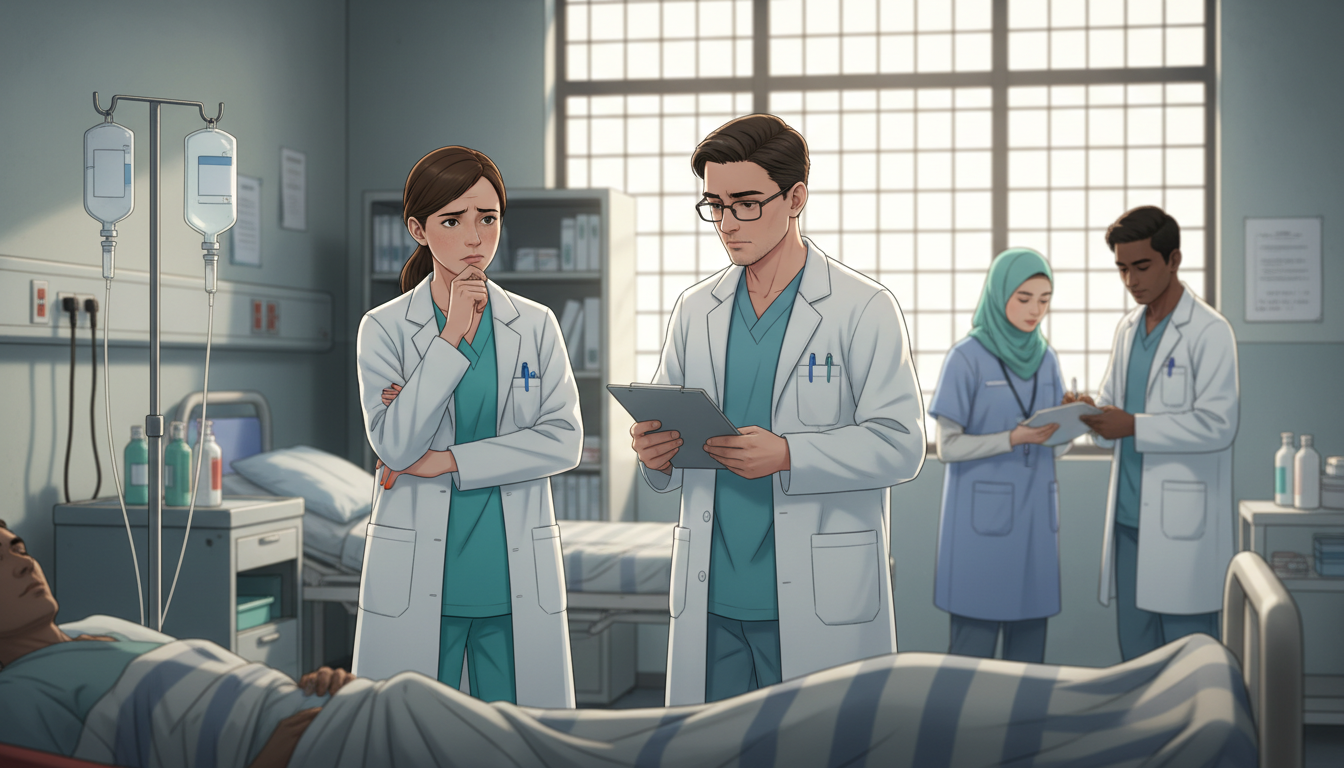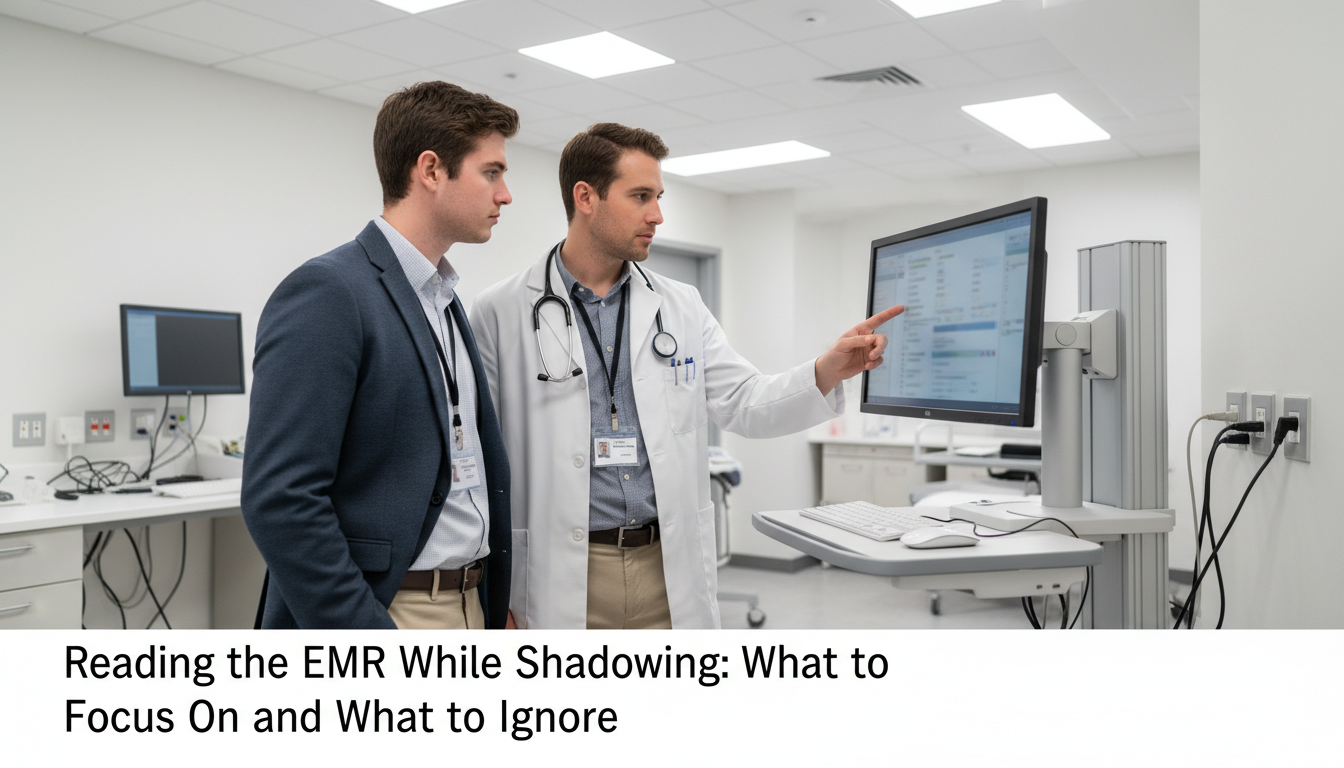
When aspiring physicians plan their path to medical school, they usually focus on GPA, MCAT scores, and extracurriculars. Yet one of the most powerful tools for career preparation often receives less attention: medical shadowing. Far more than simply watching a doctor at work, medical shadowing is a structured way to explore the realities of patient care, build professional networks, and test your fit for a demanding profession.
This expanded guide explores the hidden benefits of medical shadowing and offers practical advice on how to find, structure, and reflect on these experiences so they truly advance your medical education and healthcare career goals.
Understanding Medical Shadowing as a Career Preparation Tool
What Is Medical Shadowing?
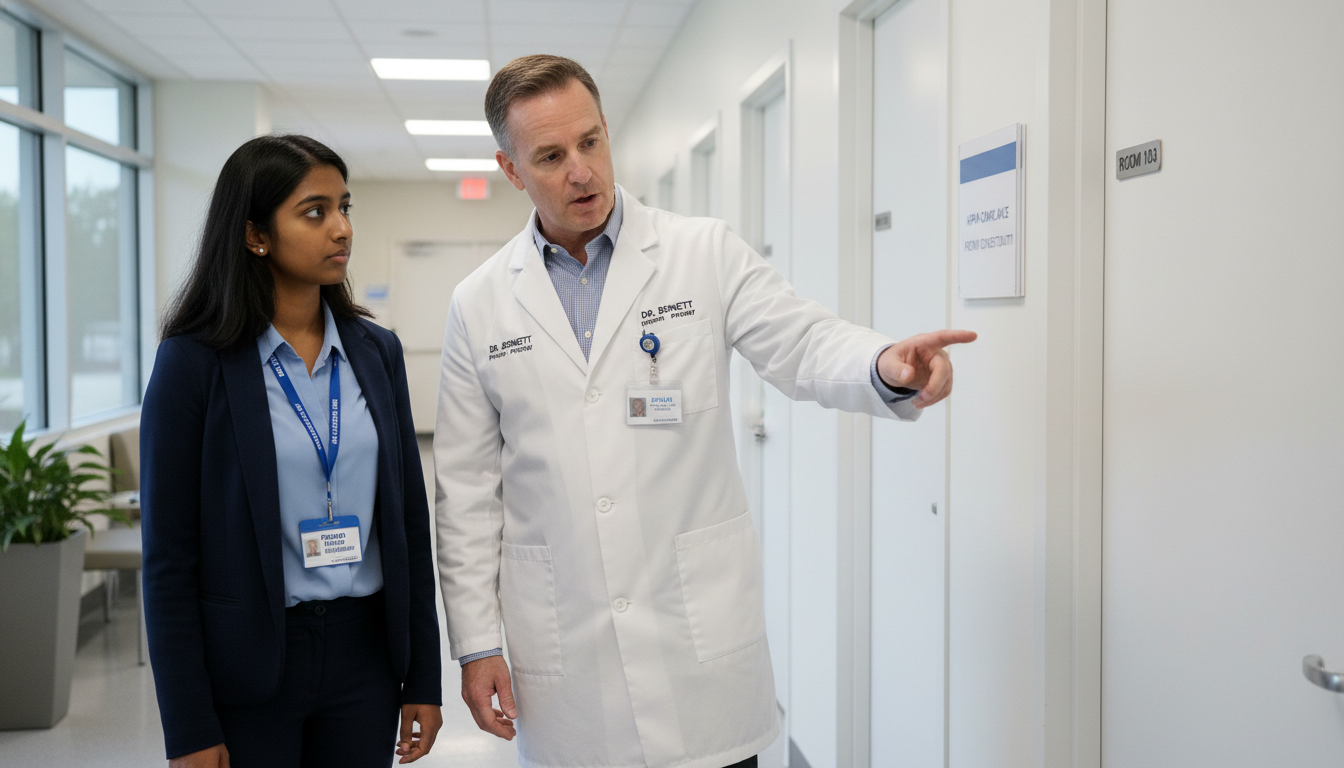
Medical shadowing is an observational experience in which a premed student, medical student, or aspiring healthcare professional follows a physician or other provider through their normal workday. The purpose is to gain firsthand exposure to:
- Patient–physician interactions
- Clinical decision-making
- Workflow in different healthcare settings
- Interprofessional collaboration among the care team
Shadowing is non-hands-on. You do not perform procedures, take histories, or provide medical advice. Instead, you quietly observe and learn, sometimes stepping out when sensitive discussions occur, depending on institutional policy and patient preference.
Why Medical Shadowing Matters in Medical Education
While textbooks and lectures teach the science of medicine, shadowing reveals:
- How medicine is actually practiced in real time
- The emotional and ethical dimensions of clinical care
- How healthcare systems, insurance, and policies affect patient outcomes
- What day-to-day life looks like in different specialties
Shadowing is where theoretical knowledge meets practical reality, bridging the gap between classroom learning and clinical practice. For many students, it is their first real exposure to healthcare experience beyond being a patient or family member.
Choosing the Right Shadowing Opportunities
Not all shadowing experiences are created equal. Strategic choices will significantly increase the value you gain.
Consider the following when selecting where and whom to shadow:
1. Specialty Alignment and Exploration
- Match your interests: If you’re drawn to cardiology, pediatrics, surgery, psychiatry, or emergency medicine, try to shadow in those areas first.
- Explore broadly early on: If you’re unsure about your path, aim for a mix of primary care and subspecialties. Seeing both outpatient clinics and inpatient services can widen your perspective.
- Consider lifestyle factors: Shadow specialties with very different schedules (e.g., emergency medicine vs. dermatology) to understand variations in work-life balance.
2. Diversity of Healthcare Settings
Your understanding of medicine will be richer if you see it practiced in varied environments:
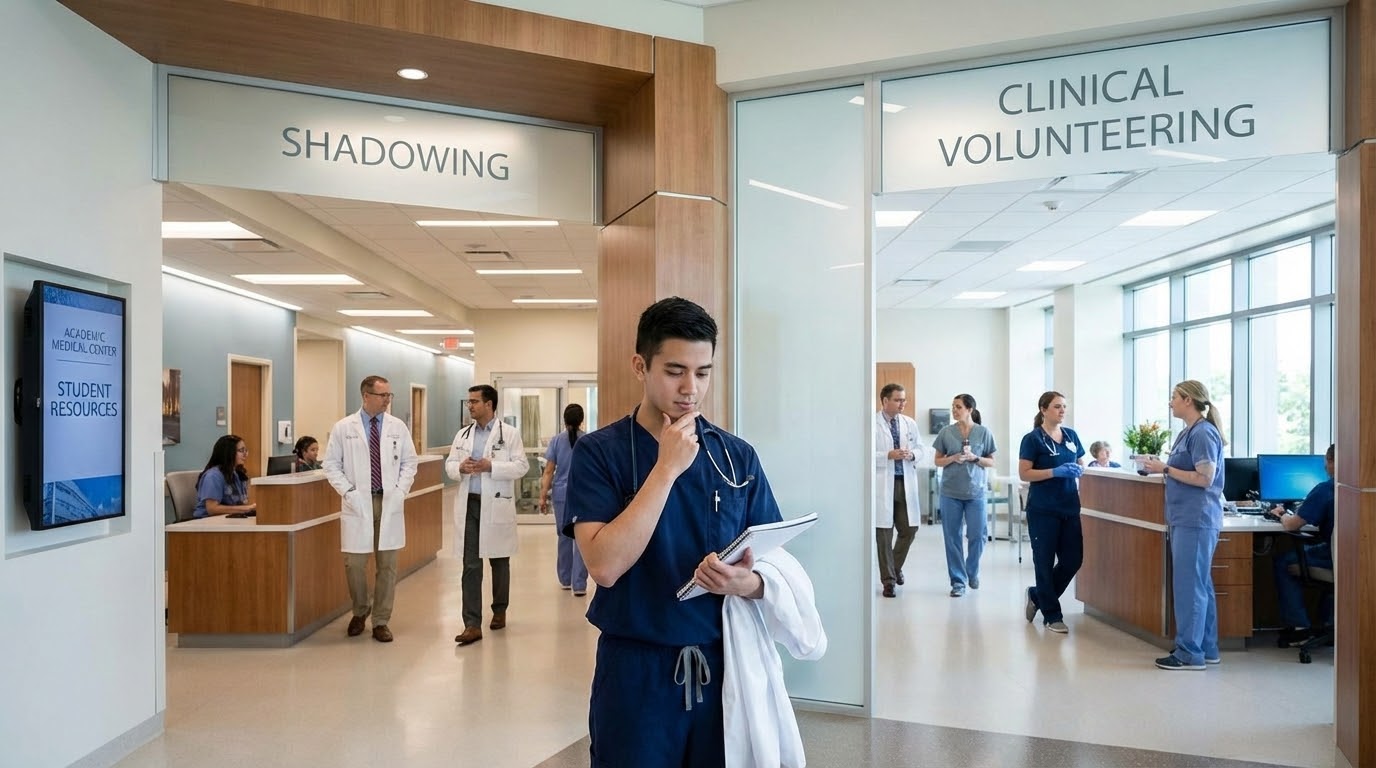
- Large academic medical centers
- Community hospitals
- Private practices
- Rural or underserved clinics
- Public health or free clinics
Each setting offers unique insights into healthcare delivery, patient demographics, and resource constraints.
3. Mentorship Potential
Look for physicians who:
- Enjoy teaching and explaining their thought process
- Invite questions during breaks or between patients
- Are open about both the rewards and challenges of their work
These mentors can later become important contacts for professional networking, letters of recommendation, or ongoing career guidance.

The Hidden Benefits of Medical Shadowing
Shadowing is often described simply as “observation,” but its true impact reaches far deeper. Below are the key benefits, along with practical examples and tips to maximize each one.
1. Gaining Practical Insight into Patient Care
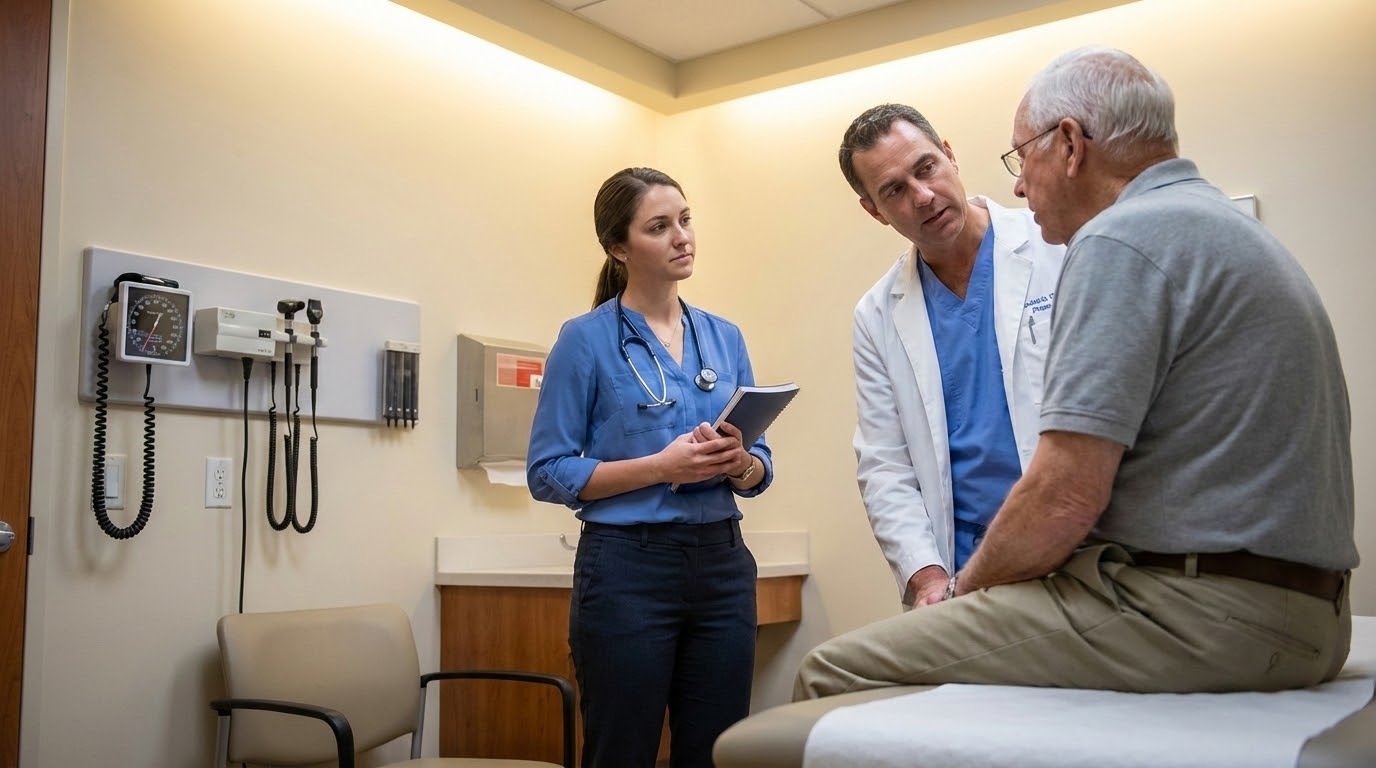
Textbooks can’t fully teach you how to sit with a frightened parent, deliver a difficult diagnosis, or manage a non-adherent patient. Shadowing lets you observe the art of medicine:
You’ll see how physicians:
- Establish rapport and build trust quickly
- Navigate sensitive topics such as prognosis, mental health, or code status
- Tailor explanations to different literacy levels and cultural backgrounds
- Balance empathy with efficiency in a busy clinic or hospital service
Example:
You might observe a physician gently explain a new cancer diagnosis, pause to let the patient process, address misconceptions, and involve family members in decision-making. Watching this interaction helps you understand not just what is said, but how tone, body language, and silence are used therapeutically.
How to maximize this benefit:
- Pay attention to the phrasing physicians use in difficult conversations.
- Note how they react when patients are angry, anxious, or confused.
- After the encounter, ask (if appropriate and there is time):
- “How did you decide what to say first?”
- “What made that conversation challenging?”
These observations will later inform your own communication style during clinical rotations and beyond.
2. Experiencing the Real Day-to-Day of Medical Practice
Shadowing is one of the best ways to answer the question: “Can I see myself doing this every day?”
You’ll witness:
- The cadence of appointments or rounding
- The interplay between clinical work and administrative tasks
- The mental fatigue and emotional load of high-stakes decisions
- How often physicians handle paperwork, electronic medical records, and insurance forms
Different specialties have very different rhythms:
- Emergency medicine: Fast-paced, unpredictable, shift-based work
- Family medicine: Long-term patient relationships, preventive care, chronic disease management
- Surgery: Early mornings, long cases, team-based environments
- Psychiatry: More time per patient, intensive communication and counseling
Reflective questions to ask yourself:
- Did I feel energized or drained by this environment?
- Could I imagine sustaining this pace for years?
- Do I prefer continuity with patients or episodic, high-intensity encounters?
Shadowing helps you evaluate lifestyle fit before you commit to a specialty.
3. Building a Strong Professional Network in Healthcare
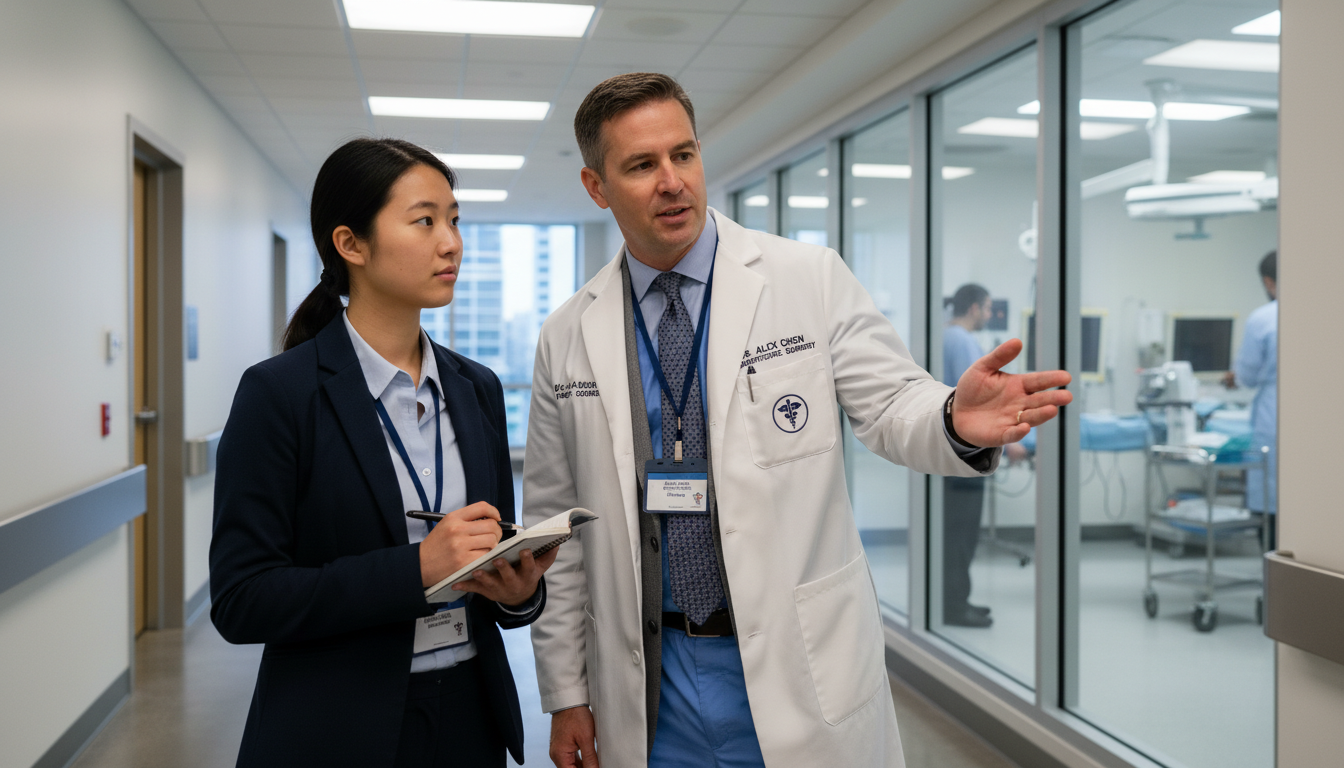
A frequently underappreciated benefit of medical shadowing is professional networking. By consistently showing up prepared, respectful, and curious, you naturally begin to build relationships across the healthcare team.
You may connect with:
- Physicians and subspecialists
- Residents and medical students
- Nurses, nurse practitioners, and physician assistants
- Social workers, pharmacists, and administrators
These connections can lead to:
- Mentorship relationships
- Research or quality improvement opportunities
- Letters of recommendation for medical school or post-baccalaureate programs
- Insight into residency training and career trajectories
Practical tips for professional networking during shadowing:
- Arrive early, stay engaged, and follow instructions carefully.
- Introduce yourself briefly to staff and thank them for including you in the team space.
- Schedule a short end-of-day conversation with the physician to ask about their training path, specialty choice, and advice.
- Stay in touch via a short, professional email update every few months if the physician offers ongoing mentorship.
Networking during shadowing is most powerful when it develops organically out of genuine interest and respect, not as a transactional attempt to “get a letter.”
4. Enhancing Clinical Knowledge and Medical Vocabulary
Even though shadowing is observational, it can accelerate your clinical knowledge and comfort with medical language:
You will see:
- Common presenting complaints and how physicians approach them
- Use of diagnostic tests and imaging, and how results are interpreted
- Differences between urgent issues and routine follow-up
- Real-world application of pathophysiology and pharmacology
How to study “on the fly”:
- Keep a small notebook or secure digital note app (no patient identifiers).
- Jot down unfamiliar terms, conditions, or medications throughout the day.
- Look them up that evening and connect them to what you observed.
- Over time, you’ll build a personalized “shadowing syllabus” tied to real cases.
This kind of contextual learning supports stronger retention and will make early medical school coursework feel more familiar and relevant.
5. Strengthening Your Medical School Application and Interview Performance
Medical schools increasingly expect applicants to demonstrate a well-informed commitment to medicine. Medical shadowing is a key way to show that you:
- Understand the realities of patient care
- Have seen both the rewards and the challenges of the profession
- Are choosing medicine for reasons deeper than prestige or salary
Shadowing enriches several aspects of your application:
Personal Statement and Activity Descriptions
You can reference specific, anonymized experiences to:
- Illustrate how you developed empathy or resilience
- Explain what affirmed your decision to pursue medicine
- Show growth in your understanding of the physician’s role
For example:
“I once observed Dr. X spend 20 extra minutes with a patient with low health literacy, using analogies and drawings to explain heart failure. That encounter reshaped my understanding of patient education and the responsibility physicians have to communicate clearly.”
Interview Conversations
Many interviewers ask:
- “Tell me about a meaningful clinical experience.”
- “What did you learn from shadowing?”
- “How do you know medicine is right for you?”
Thoughtful reflections from your shadowing will:
- Make your answers more specific and authentic
- Demonstrate maturity, insight, and self-awareness
- Differentiate you from applicants who speak only in generalities
6. Understanding How Healthcare Systems Really Work
Being a successful physician requires more than medical knowledge; it involves navigating complex healthcare systems. Shadowing provides a front-row seat to:
- Interdisciplinary team rounds and communication
- Insurance approvals, prior authorizations, and documentation burdens
- Scheduling constraints and access-to-care issues
- How social determinants of health affect clinical decisions
You might witness:
- A procedure delayed due to insurance denial
- Discharge planning complicated by lack of transportation or housing
- Telemedicine visits and how they change patient interaction
These observations will deepen your appreciation of why systems-based practice is now a core competency in medical education and residency training.
7. Confirming—or Reevaluating—Your Commitment to Medicine
An underrated but crucial function of medical shadowing is reality-testing your career choice.
You may discover:
- Medicine is everything you hoped for—and more
- You love medicine, but your initial specialty interest isn’t the right fit
- The daily demands do not align with your personal goals or values
All of these outcomes are valuable. It is far better to recalibrate early than to commit to a path that does not match your strengths, needs, or temperament.
Some students find that shadowing:
- Reinforces their passion and gives them a powerful “why”
- Redirects them from one specialty (e.g., surgery) to another (e.g., anesthesiology or radiology)
- Leads them toward related fields such as physician assistant, nursing, public health, or healthcare policy
Whatever the outcome, shadowing helps ensure your career decisions are informed and intentional, not based on assumptions or television portrayals of medicine.
8. Cultivating Personal Growth, Professionalism, and Resilience
Medical shadowing also supports your personal and professional development:
You can observe how physicians:
- Maintain composure in emergencies
- Handle mistakes transparently and professionally
- Set boundaries and cope with burnout risk
- Balance empathy with emotional self-protection
Watching these behaviors in real-world contexts helps you begin to develop:
- Resilience: Recognizing that difficult days are part of the profession and seeing healthy coping strategies.
- Professionalism: Understanding punctuality, attire, communication standards, and confidentiality requirements.
- Ethical awareness: Seeing how ethical dilemmas are approached in practice, not just in theory.
By reflecting on these aspects, you begin preparing not only to do medicine but to be a physician who is grounded, compassionate, and ethically aware.
9. Exposure to Diverse Patient Populations and Cultural Competence
Shadowing in multiple settings exposes you to patients of different:
- Ages, ethnicities, and cultural backgrounds
- Socioeconomic statuses and education levels
- Language preferences and health beliefs
These experiences are central to developing cultural humility and understanding how social determinants of health influence outcomes.
You may observe how clinicians:
- Use interpreters effectively
- Respect cultural practices while still advocating for evidence-based care
- Adjust care plans based on a patient’s resources, support systems, or transportation limitations
This exposure will later inform how you:
- Take histories
- Build trust
- Avoid assumptions and bias in clinical encounters
Ultimately, this makes you a more effective and equitable future healthcare provider.
Real-World Case Study: Emily’s Shadowing Journey
Consider Emily, a premed student who shadowed a family medicine physician in a rural community clinic.
During her shadowing:
- She observed the physician manage a wide range of conditions—from acute infections to chronic diseases—overseeing newborns, teens, adults, and older adults in a single morning.
- She participated in community outreach events, such as blood pressure screenings and diabetes education sessions at local schools and churches.
- She learned how transportation barriers, limited insurance coverage, and lack of broadband internet created unique challenges for patients.
What Emily gained:
- A deeper appreciation for the role of primary care in community health
- Insight into how social and economic factors shape clinical decisions
- Confirmation that she wanted to integrate clinical medicine with public health advocacy in her future career
Her story illustrates how well-chosen shadowing experiences can profoundly influence career direction and professional identity.

Making the Most of Your Medical Shadowing Experience
To unlock the full benefits of medical shadowing, you need more than just presence—you need intentionality.
Before You Start: Preparation Tips
- Clarify your goals: Are you exploring specialties, building healthcare experience, or seeking mentorship?
- Research the specialty and setting: Understand basics of common conditions and workflows.
- Confirm logistics: Dress code, start time, parking/entry procedures, HIPAA or institutional training requirements.
- Prepare thoughtful questions: Focus on career paths, decision-making, specialty choice, and physician well-being.
During Shadowing: Professional Conduct
- Dress professionally and follow all infection control policies.
- Introduce yourself to patients (when appropriate) as a student observer.
- Step out if a patient seems uncomfortable or if asked to leave during sensitive encounters.
- Avoid using your phone except as instructed or in breaks.
- Respect confidentiality—do not discuss identifiable patient details outside the clinical environment.
After Each Session: Reflection and Follow-Up
- Take 10–15 minutes to write brief reflections:
- What surprised you?
- What inspired or troubled you?
- How did this experience shape your view of medicine?
- Look up unfamiliar terms and conditions.
- Send a brief thank-you message to the physician and staff, highlighting something specific you learned.
Over time, these reflections will become a rich source of material for personal statements, secondaries, and interviews, and will deepen your insight into your own evolving professional identity.
FAQs About Medical Shadowing for Premeds and Aspiring Physicians
Q1: When should I start medical shadowing, and how many hours do I need?
You can begin shadowing as early as late high school or during your first years of college, depending on local regulations and hospital policies. Many medical schools do not require a specific number of hours, but 40–100+ hours across multiple settings is common and allows for meaningful exposure. Focus on quality and reflection, not just accumulating hours.
Q2: How do I find legitimate and safe medical shadowing opportunities?
Options include:
- Contacting local hospitals or clinics and asking about formal shadowing or volunteer programs.
- Reaching out to physicians through your college prehealth office, alumni network, or family connections.
- Joining premed clubs or organizations that partner with healthcare systems.
- Exploring virtual shadowing programs (especially useful when in-person access is limited), but pair them with in-person experiences when possible.
Always ensure the opportunity complies with institutional policies and maintains patient privacy and safety.
Q3: What should I actually do and say while shadowing?
Your primary role is to observe and learn:
- Introduce yourself politely to the physician and team.
- Ask brief, thoughtful questions during natural pauses (e.g., between patients, at the end of the day).
- If uncertain, say, “Is now a good time for a question?”
- Thank patients when appropriate for allowing you to observe their care.
- At the end of your experience, thank your preceptor and ask if they would be open to staying in touch for career advice.
Q4: Can I shadow in multiple specialties, and will that help my application?
Yes—shadowing in multiple specialties is highly beneficial. It demonstrates:
- Broad exploration and open-mindedness
- Understanding of varied career paths within healthcare
- Thoughtful consideration of your future specialty choice
Admissions committees often appreciate seeing both consistency (e.g., repeated shadowing with one mentor) and diversity (e.g., exposure to primary care, hospital-based specialties, and perhaps a surgical or procedural field).
Q5: How should I list and describe shadowing on my medical school application?
When listing shadowing experiences, include:
- Physician’s name, specialty, and setting (e.g., community clinic, academic hospital)
- Approximate dates and total hours
- A short, reflective description focusing on what you learned, such as insights into patient communication, healthcare systems, or professional identity—not just a list of procedures you observed.
Use your most meaningful shadowing experiences to inform your personal statement and secondary essays, emphasizing growth, reflection, and an informed commitment to a career in medicine.
Medical shadowing is far more than passive observation; it’s an active, reflective process that can transform your understanding of medicine, refine your career goals, and enhance your readiness for medical school. By approaching each shadowing opportunity with curiosity, professionalism, and intentional reflection, you’ll turn simple observation into a powerful foundation for your future life as a physician.