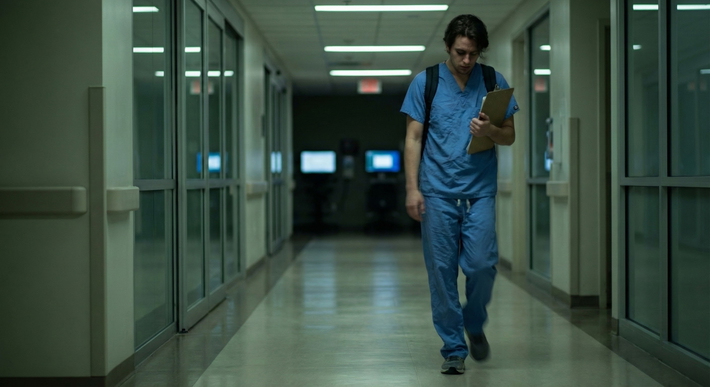
You show up day one thinking the hard part was matching. Wrong. Match day was the trailer. Intern year is the full movie, and nobody handed you the script.
The problem isn't that you're dumb. The problem is the system dumps a firehose of responsibility on people who yesterday were students asking permission to place an IV. Suddenly you're writing orders, calling consults, signing out unstable patients, and pretending you slept. Fatigue piles up. Handoffs get sloppy. Imposter syndrome eats your confidence for breakfast. Boundaries dissolve until you're a walking pager with a pulse.
I've watched this wreck good people. I've also watched interns who treated the year like a solvable system, not a personality test, come out sharper, safer, and still human. Here's how to fix the parts that break most of us.
This article is for educational purposes only. It is not financial advice, not legal advice, and not tax advice. Figures vary by individual circumstances, consult a qualified professional before acting.
Sleep is a clinical skill, not a luxury
You will be tired. That's not negotiable. What is negotiable is whether fatigue turns you into a liability.
Fatigue-related errors aren't abstract. They're the wrong dose, the missed lab, the delayed escalation. Your brain on four hours of fragmented sleep is not the same brain that crushed Step. Treat sleep like airway management: non-optional protocol.
Strict sleep hygiene protocol that actually works on a call schedule:
- Protect the anchor sleep. On non-call nights, same bedtime and wake window ±30 minutes. Your circadian system hates chaos more than short duration.
- Blackout and cold. Eye mask, earplugs or white noise, room under 68°F if you can control it. Hospital housing is often garbage for this, fix it like a project, not a vibe.
- Caffeine cutoff. No more after 2pm on days you need real sleep that night. Front-load it. The 9pm coffee to "push through notes" is stealing from tomorrow's patients.
- Strategic naps. 20-25 minutes max if you're post-call and unsafe to drive or think. Longer than that and you wake up worse. Set two alarms.
- Post-call landing strip. Don't "just quickly" check the EMR from bed. Shower, protein, dark room. The urge to stay half-on is how chronic sleep debt becomes your personality.
- Track the pattern. One week of logging sleep vs. near-misses will scare you straight faster than any wellness lecture.
If your program culture mocks people who protect sleep, that culture is wrong. Patient safety doesn't care about toughness theater.

Handoffs: stop improvising with other people's lives
Bad sign-out is how patients fall through cracks. You know the scene: rushed hallway, three interruptions, "Mrs. Jones is fine, just follow up the troponin," and nobody mentions the new oxygen requirement or the family meeting that went sideways.
Adopt SBAR and enforce it like a checklist, not a suggestion.
SBAR done right:
- Situation: Who, where, the acute issue in one sentence. "This is 68M in 412 with new hypoxia to 88% on 4L, two hours post-op."
- Background: Only the relevant past. Not the entire admission history. Diagnosis, key events, code status, allergies that matter right now.
- Assessment: Your read. What you think is happening. "I'm worried about aspiration vs. PE; he's tachycardic and the exam is wet."
- Recommendation: Exact ask. "I need you to reassess in 30 minutes, consider CT if not improving, and I already paged IR for access if we need heparin."
Practice it out loud. Write your sign-outs in SBAR bullets before you open your mouth. When the senior rushes you, hold the frame: "Give me 90 seconds in SBAR so nothing drops."
If your receiving team zones out, make them repeat the recommendation back. Closed loop. That's not pedantic. That's how planes don't hit each other.
Here's a simple flow you can run every single handoff:
Night float, cross-cover, leaving for clinic, same standard. Consistency beats cleverness.
Imposter syndrome is data, not a diagnosis of failure
You will feel like a fraud. Everyone does. The difference is what you do with it.
Imposter syndrome in July is not proof you don't belong. It's proof the gap between responsibility and automatic competence is still wide. That gap is supposed to exist. You're supposed to feel it. People who never feel it are either dangerous or lying.
Reframe protocol:
- When the voice says "they'll find out I don't know anything," answer with a task: What is the next concrete thing I need to learn or verify? Then do that one thing.
- Separate not knowing yet from unsafe. Not knowing the third-line antibiotic is normal. Guessing and hiding it is the failure mode.
- Keep a "wins and saves" note on your phone. Three lines a week: the time you caught the low bicarb, the clean presentation, the family conversation you didn't botch. Your brain deletes these by default. Force the evidence into view.
- Ask specific questions. "I'm not sure how to titrate this pressor, can you walk me through your thresholds?" beats vague "I feel lost." Specificity makes you look like a professional in training, not a lost intern.
I've seen brilliant residents freeze because they treated discomfort as incompetence. Discomfort is the tuition. Pay it in public, with supervision, and move.
Boundaries or burnout, pick one
If you don't draw lines, the hospital will draw them for you with your health as the ink.
Burnout in intern year doesn't always look like crying in the stairwell (though that's real). It looks like numbness, cynicism about every patient, snapping at nurses, and the quiet decision that nothing you do matters. That's not a character flaw. That's an occupational injury from unbounded demand.
Clear boundaries that don't make you the "difficult" intern:
- Define off-limits time. One half-day or evening a week that is non-negotiable unless the building is on fire. Put it on the shared calendar. Protect it the way you protect a case in the OR.
- Stop performing availability. You don't need to answer non-urgent messages at 11pm to prove commitment. Batch admin work. Use status messages. "I'll address non-urgent items after rounds."
- Food and movement are not optional side quests. Protein at the start of call. Ten-minute walk outside if you can steal it. Dehydration and hypoglycemia make you a worse doctor and a worse human.
- Name your early warning signs. Irritability, dread Sunday night, doom-scrolling instead of sleeping. When two light up, intervene the same week, not after your evals tank.
- Use backup systems early. Sick call, mental health resources, a senior you trust. Waiting until you're wrecked is how people leave medicine or stay and resent it forever.
- Say no to extra that doesn't serve growth. Another unpaid committee when you're drowning on wards? No. A case that teaches you a skill you need? Yes. Discriminate.
Program directors who confuse martyrdom with excellence are part of the problem. Your job is safe care and learning, not unlimited emotional labor for a broken staffing model.
The hidden curriculum will try to train you badly
Watch what gets praised. Speed over thoroughness. Staying late as moral virtue. Mocking people who ask for help. That's the hidden curriculum, and large parts of it are garbage.
Counter-program yourself:
- Thorough enough to be safe, efficient enough to survive, optimize both, not just looking busy.
- Leave when your work is done and signed out cleanly. Staying to perform loyalty teaches nothing.
- Find one attending and one senior who practice medicine the way you want to. Copy their behaviors like a lab protocol.
- Debrief bad cases with facts first, ego second. "What did the timeline show?" before "I'm an idiot."
Culture changes slowly. Your standards can change this month.
Common traps and the fix
Trap: Writing notes forever because you're scared to be wrong. Fix: Template the boring parts. Decide the assessment in one pass. Ship the note. Perfect is the enemy of signed.
Trap: Avoiding hard conversations with families. Fix: Script the opening two sentences. Practice once. Go in with a nurse or senior if needed. Delay makes everything worse.
Trap: Taking cross-cover pages as personal attacks. Fix: Standard response structure: confirm identity, acute change, vitals, what you've tried, what you need. Emotion out, process in.
Trap: Comparing your chapter 1 to someone else's chapter 20. Fix: Compare only to your last month. Skill is local and cumulative.
Action steps: run this for the next 30 days
Don't try to become a new person overnight. Install systems.
- This week: Write your personal sleep rules on a card. Stick it on your mirror. Follow them on the next three non-call nights without negotiation.
- Every handoff: SBAR only. No hallway novellas. Demand read-back on the recommendation once per shift until it's automatic.
- Daily: One line in your phone, something you did competently. Evidence against the fraud narrative.
- Calendar: Block one protected personal slot per week for the next month. Defend it once. It gets easier.
- Identify: One person you can text when you're spiraling or unsafe to continue. Use them before you're desperate.
- Audit: After two weeks, list your top three recurring stressors. Pick the one with a process fix (not a personality fix) and change the process.
Intern year is hard because the work is hard and the ramp is steep, not because you're secretly unqualified. Treat fatigue, communication, self-talk, and boundaries as technical problems with protocols. That's how you finish the year safer for patients and still recognizable to yourself.
You don't need to love every day. You need a system that keeps you functional when you don't.
Key takeaways
- Implement a strict sleep hygiene protocol to mitigate fatigue-related errors.
- Adopt the SBAR communication model to ensure patient safety during handoffs.
- Reframe imposter syndrome as a sign of professional growth, not inadequacy.
- Establish clear boundaries to prevent professional burnout.