Introduction: How Lifestyle Is Redefining Medical Careers
Work-life balance is no longer a fringe topic in medicine—it is a central factor shaping how students choose specialties and how physicians redesign their careers. As burnout rates climb and expectations around wellness change, more doctors are looking beyond the classic pathways of surgery, hospital-based internal medicine, or obstetrics. They want to practice excellent medicine, but they also want time for family, personal health, and interests outside the hospital.
This shift has fueled the rise of non-traditional medical specialties—fields that prioritize flexibility, preventative care, telemedicine, and systems-level impact. These roles often diverge from high-intensity, round-the-clock clinical work and instead emphasize population health, lifestyle medicine, digital care models, and more predictable schedules.
For medical students and residents, understanding these lifestyle-friendly options is critical to making an informed, sustainable specialty choice. This article explores:
- What “non-traditional” means in modern medicine
- The key specialties leading this movement
- Why they’re growing so quickly
- How to prepare for them as a trainee
- Real-world examples of physicians who have made the switch
Throughout, the focus is on Non-Traditional Medicine as a route to meaningful work, better work-life balance, and long-term career satisfaction.
The Changing Landscape of Medical Careers
Evolving Priorities: From Sacrifice to Sustainability
For decades, the culture of medicine equated dedication with self-sacrifice: overnight calls, missed family events, and chronic sleep deprivation were normalized—even valorized. But the downstream effects have become impossible to ignore:
- High rates of burnout, depression, and anxiety among physicians
- Increased medical errors and lower patient satisfaction
- Early retirement or career change out of clinical medicine
Younger physicians and trainees are now openly questioning this model. Surveys consistently show that:
- Work-life balance is among the top factors influencing specialty choice
- Many applicants actively avoid specialties known for grueling and inflexible hours
- Trainees value supportive culture, team-based care, and protected time off
This doesn’t mean new generations care less about patients. Instead, they recognize that sustainable physicians provide better care. They are seeking specialties where they can practice high-quality medicine and protect their own wellbeing.
What Counts as a “Non-Traditional” Medical Specialty?
“Non-traditional” does not mean less important or less rigorous. In this context, it refers to specialties that:
- Sit outside classic inpatient or procedural tracks
- Rely more on preventative care, systems thinking, communication, or digital tools
- Tend to offer more predictable schedules and fewer overnight emergencies
- May be underrepresented in standard medical school exposure or curricula
These specialties often blend clinical skills with:
- Policy and advocacy
- Education and coaching
- Technology and telemedicine
- Population and occupational health
- Palliative and supportive care
Core examples include:
- Public Health and Preventive Medicine
- Occupational and Environmental Medicine
- Lifestyle Medicine
- Palliative and Hospice Care
- Telemedicine-Based Practice Models
Each offers unique ways to impact patient and community health while preserving a more balanced lifestyle.
Key Non-Traditional Specialties Shaping the Future of Medicine
1. Public Health and Preventive Medicine
What It Is
Public health physicians focus on population health rather than individual encounters. They design, implement, and evaluate interventions that prevent disease, promote wellness, and address health inequities.
Typical roles include:
- Working in local, state, or national health departments
- Leading epidemiologic investigations and outbreak response
- Designing vaccination campaigns and screening programs
- Developing policy to address social determinants of health
- Collaborating with schools, workplaces, and communities
Work-Life Balance and Lifestyle Features
Public health is among the most lifestyle-friendly specialties:
- Generally regular daytime hours
- Limited overnight or weekend emergencies (except major public health crises)
- Remote and hybrid work options increasingly common
- Opportunities to move into leadership, research, or academic roles
This structure supports long-term career sustainability while maintaining meaningful, large-scale impact.
Training Pathways and Preparation
Most public health physicians complete:
- A clinical residency (e.g., internal medicine, pediatrics, family medicine)
- Additional training in Preventive Medicine and/or an MPH
As a student or resident, you can prepare by:
- Taking electives in epidemiology, biostatistics, and health policy
- Participating in quality improvement or population health projects
- Working with local health departments or community organizations
2. Occupational and Environmental Medicine
What It Is
Occupational Medicine focuses on the health, safety, and performance of workers. Physicians in this field:
- Evaluate and treat work-related injuries and illnesses
- Design workplace safety programs and ergonomic interventions
- Conduct pre-employment and fitness-for-duty evaluations
- Manage return-to-work decisions and disability evaluations
- Address environmental and chemical exposure risks
They may work for:
- Large corporations or industry (e.g., manufacturing, tech, energy)
- Hospitals and health systems
- Government agencies (OSHA, NIOSH, military)
- Academic centers and consulting firms
Lifestyle Advantages
Occupational medicine is consistently cited as one of the most lifestyle-friendly specialties:
- Largely outpatient, with predictable 8–5 schedules
- Minimal nights, weekends, or holiday coverage
- Focus on prevention rather than high-acuity emergencies
- Opportunities for part-time or consulting work
For physicians burned out by shift work or constant call, this can be transformative.
How to Explore It as a Trainee
- Seek rotations with occupational health clinics or employee health services
- Get involved in workplace wellness or injury prevention initiatives
- Consider electives in environmental health or industrial hygiene
- Learn basics of workers’ compensation and regulatory frameworks

3. Lifestyle Medicine: Treating Disease at the Root
What It Is
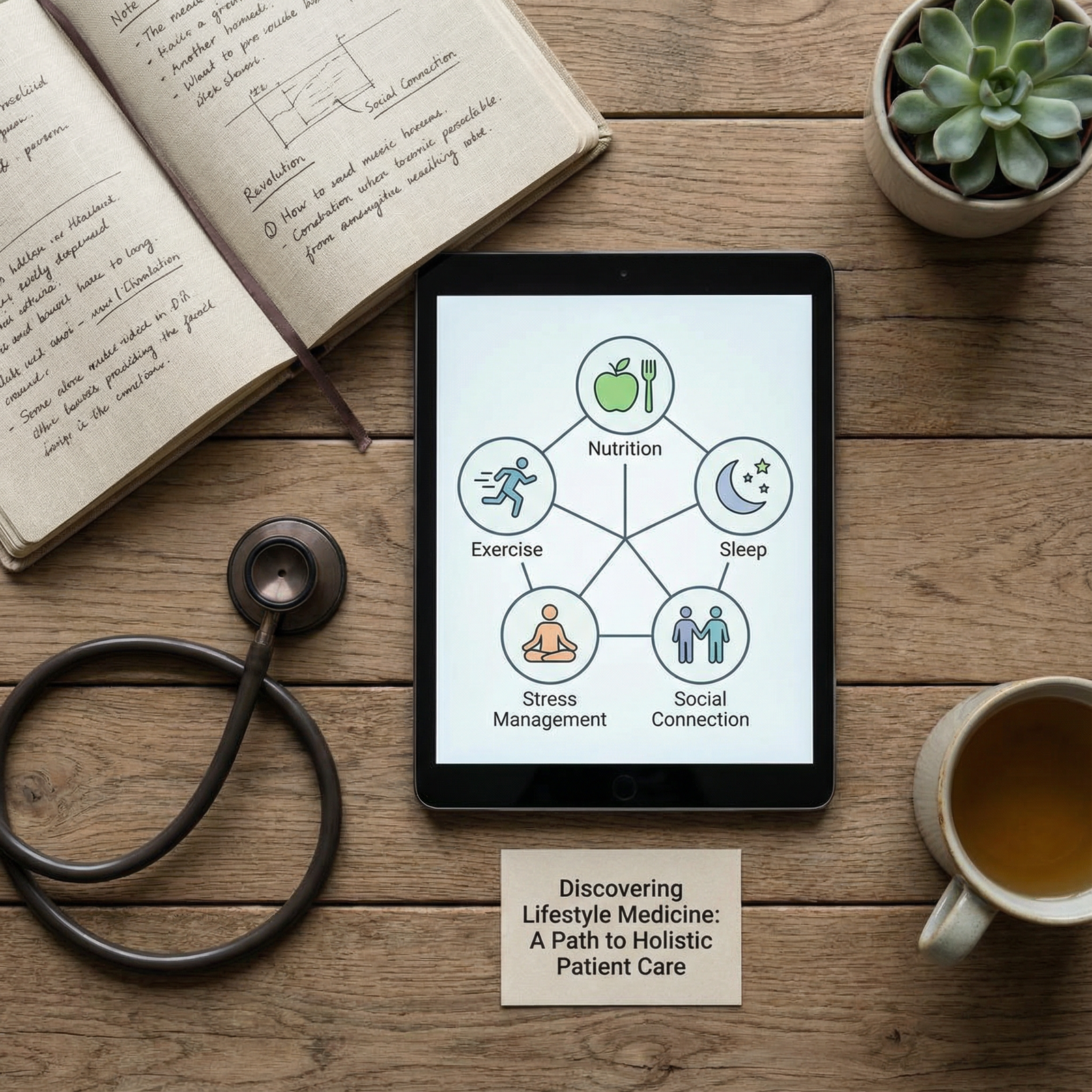
Lifestyle Medicine is a rapidly growing field that uses evidence-based lifestyle interventions to prevent, treat, and sometimes reverse chronic disease. It focuses on:
- Nutrition and whole-food, plant-predominant diets
- Physical activity and exercise prescription
- Sleep optimization
- Stress management and resilience
- Tobacco and substance cessation
- Healthy relationships and social connection
Lifestyle medicine is often integrated into:
- Primary care and family medicine
- Endocrinology and cardiology practices
- Corporate wellness and concierge medicine
- Telemedicine and digital health platforms
Why It Appeals to Modern Physicians
Lifestyle medicine aligns perfectly with the shift toward preventative care, patient empowerment, and meaningful longitudinal relationships. Benefits include:
- Deep, collaborative patient relationships focused on long-term change
- Less emphasis on high-acuity emergencies and more on coaching and follow-up
- Opportunities for group visits, virtual care, and hybrid models
- High professional satisfaction from seeing patients truly transform their health
It also blends well with Telemedicine, allowing physicians to counsel patients remotely, review trackers (e.g., wearables, food logs), and run virtual group programs.
Getting Started as a Trainee
- Join the American College of Lifestyle Medicine (ACLM) as a student or resident
- Attend workshops, webinars, and conferences on lifestyle interventions
- Seek out faculty or clinics that integrate lifestyle medicine into practice
- Consider certification in Lifestyle Medicine during or after residency
Even if you don’t specialize in it formally, lifestyle medicine skills are highly valuable across all fields and support your own personal wellness.
4. Palliative and Hospice Care
What It Is
Palliative Care focuses on improving quality of life for patients with serious or life-limiting illnesses. It is not limited to end-of-life; palliative consults may occur at any stage of disease. Key components:
- Expert symptom management (pain, dyspnea, nausea, anxiety, etc.)
- Goals-of-care conversations and advanced care planning
- Emotional, spiritual, and psychosocial support
- Interdisciplinary team-based care (nurses, social workers, chaplains, etc.)
Hospice is a specific model of care for patients nearing the end of life, typically with a prognosis of six months or less.
Lifestyle and Career Satisfaction
Palliative care can be emotionally demanding but often offers:
- More predictable schedules than many acute specialties
- Shared call among a team rather than solo coverage
- A focus on communication, presence, and patient-centered care
- Deep professional meaning and high reported job satisfaction
Many palliative physicians describe a strong sense of purpose and connection, even as they navigate difficult situations.
Training and Exposure
Typical pathways include:
- Completing a residency (internal medicine, family medicine, pediatrics, neurology, anesthesia, etc.)
- Pursuing a Hospice and Palliative Medicine fellowship
As a trainee, you can:
- Elect a palliative care or hospice rotation
- Attend family meetings and observe serious illness conversations
- Learn basic symptom management and communication frameworks
These skills are foundational and improve care in any specialty.
5. Telemedicine and Digital-First Practice Models
What It Is
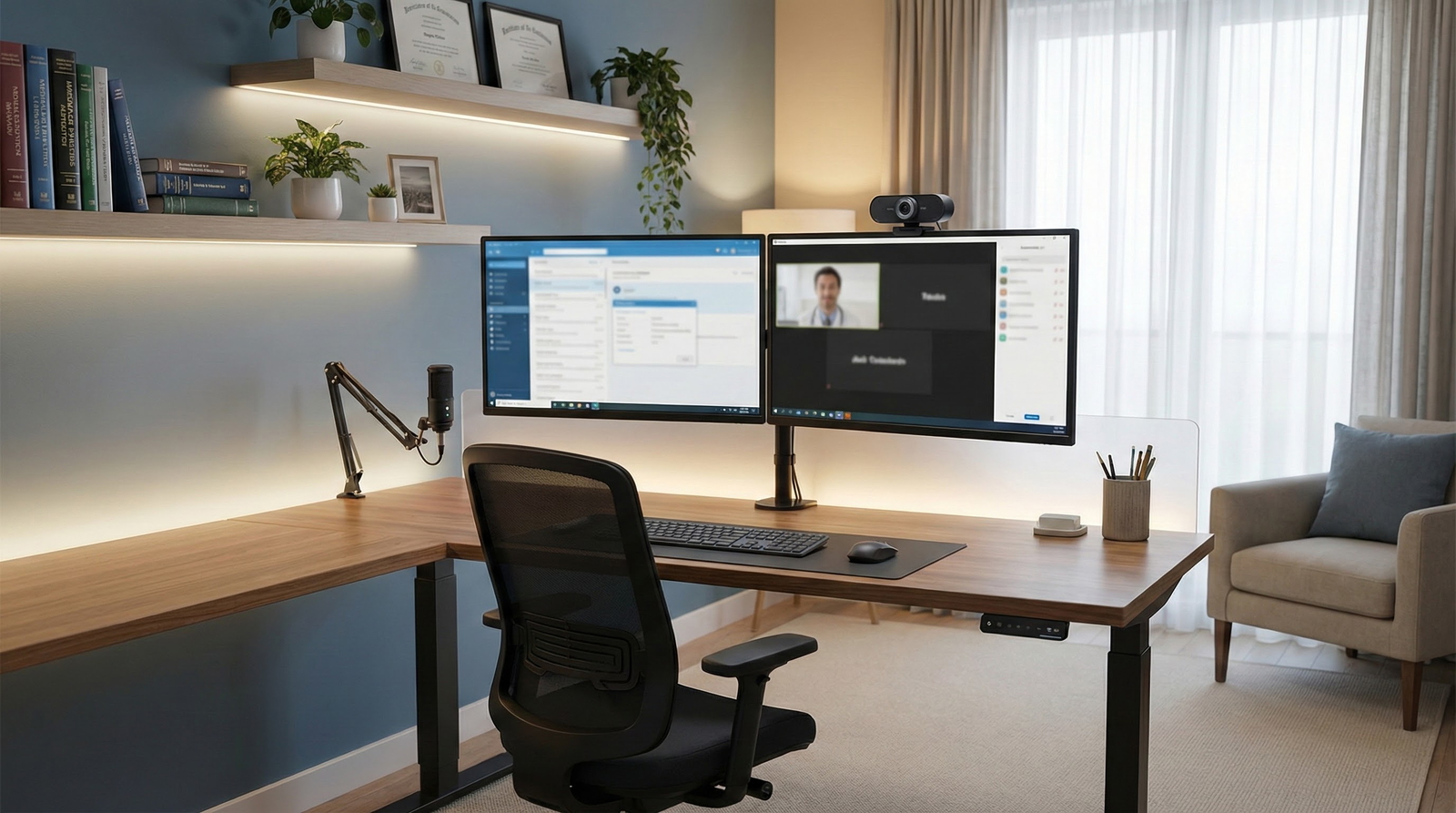
Telemedicine uses synchronous (video/phone) and asynchronous (messaging, remote monitoring) tools to deliver care. It’s no longer just an add-on—it’s a core practice model in many fields, including:
- Primary care and urgent care
- Psychiatry and behavioral health
- Lifestyle medicine and coaching
- Dermatology and selected specialties using store-and-forward images
- Chronic disease management (diabetes, hypertension, heart failure)
Telemedicine is central to modern Non-Traditional Medicine, enabling physicians to practice from almost anywhere.
Why Telemedicine Is So Attractive
From a lifestyle standpoint, telemedicine can offer:
- Location flexibility (home office, distributed teams, rural–urban reach)
- Customizable schedules, including part-time and non-traditional hours
- Less commute time and more control over visit pacing
- Easier integration of side projects (teaching, research, entrepreneurship)
For many physicians, telemedicine helps reclaim time and reduce stress while expanding access for patients who struggle with transportation, mobility, or childcare.
Skills and Preparation
To thrive in telemedicine, physicians benefit from:
- Strong communication skills and digital bedside manner
- Comfort with electronic health records and remote monitoring platforms
- Understanding of telehealth-specific regulations, licensure, and billing
- Ability to manage clinical uncertainty with limited physical exam data
Students and residents can seek telehealth electives, quality improvement projects in virtual care, or part-time telemedicine work (where allowed) during training or early attending years.
Why Non-Traditional Specialties Are Growing
1. The System-Wide Shift Toward Preventative Care
Healthcare systems are increasingly judged—and reimbursed—based on value, not volume. That means:
- Preventing disease is as important as treating it
- Avoiding hospitalizations and complications is financially and ethically critical
- Addressing lifestyle, environment, and social determinants is unavoidable
Non-traditional specialties like public health, occupational medicine, and lifestyle medicine are tightly aligned with this preventative care focus. They help systems:
- Lower costs through prevention and early intervention
- Improve population-level outcomes and quality metrics
- Design care models that move upstream, not just reactively treat crises
This alignment makes these specialties strategically important and increasingly in demand.
2. Technology and the Rise of Telemedicine
Advances in:
- Broadband and mobile connectivity
- EHR integration with telehealth platforms
- Wearables and remote monitoring devices
- AI-driven risk prediction and triage
have reshaped how and where care is delivered. Telemedicine and digital health tools are at the heart of many non-traditional roles, enabling:
- Hybrid care models combining in-person and virtual visits
- Remote patient education and coaching
- Data-driven, proactive outreach for high-risk patients
Physicians who are comfortable with these tools can build careers that are both highly impactful and highly flexible.
3. Burnout, Mental Health, and Retention
Physician burnout is now recognized as a patient safety and workforce sustainability crisis. Non-traditional specialties address this by:
- Offering lower-intensity schedules
- Providing more control over working hours and practice design
- Reducing constant exposure to high-acuity, life-and-death decisions
- Creating space for reflection, teaching, and systems improvement
As health systems seek to retain physicians, they are increasingly open to creative roles and hybrid positions that combine clinical work with education, leadership, telemedicine, or quality improvement—often structured very differently from traditional full-time inpatient roles.
Real-World Career Transitions: Case Snapshots
Case Study 1: From Emergency Medicine to Occupational Medicine
Dr. Jane Smith trained in Emergency Medicine and thrived for several years in a busy urban ED. Over time, however, the combination of night shifts, constant high-acuity trauma, and administrative pressure contributed to severe burnout. She felt her own health deteriorating and considered leaving medicine entirely.
A mentor introduced her to Occupational Medicine. After a brief exploratory rotation and additional coursework, she transitioned into a role with a large manufacturing company:
- Standard weekday hours, with rare after-hours calls
- Focus on preventing injuries, improving ergonomics, and designing wellness programs
- Close collaboration with HR, safety engineers, and corporate leadership
Dr. Smith reports feeling reconnected with medicine and now enjoys evenings and weekends free to spend with family, exercise, and volunteer—without sacrificing her sense of purpose.
Case Study 2: Building a Telemedicine-First Lifestyle Medicine Practice
Dr. Ali Khan completed a Family Medicine residency and initially joined a traditional clinic. He loved primary care but found the rushed 15-minute visits and administrative burdens exhausting.
During the COVID-19 pandemic, his practice rapidly pivoted to Telemedicine, and Dr. Khan discovered he could:
- Conduct lifestyle counseling and chronic disease management virtually
- Use remote blood pressure cuffs, glucometers, and fitness trackers
- Run virtual group sessions on nutrition and exercise
He eventually launched a hybrid, Lifestyle Medicine–focused telehealth practice:
- 80% of visits virtual, 20% in-person for select needs
- Flexible scheduling that accommodates his family and personal exercise routines
- Time built into his week for content creation and community education
His patient panel has expanded geographically, and he reports greater satisfaction and lower burnout than in his prior clinic role.
Actionable Advice for Students and Residents Interested in Non-Traditional Medicine
1. Seek Early and Intentional Exposure
Most medical schools and residencies provide limited formal exposure to these fields. Be proactive:
- Request electives in public health, occupational medicine, palliative care, or telehealth
- Shadow physicians working in non-traditional roles (administration, population health, digital health startups)
- Join interest groups or specialty societies (e.g., ACLM, ACPM)
2. Build Complementary Skills
Non-traditional specialties often prize:
- Systems thinking and quality improvement
- Communication and motivational interviewing
- Data analysis and basic epidemiology
- Leadership, change management, and advocacy
Pursue:
- QI projects and population health initiatives
- Courses in public health, health informatics, or implementation science
- Workshops on serious illness communication or coaching skills
3. Protect Your Own Work-Life Balance Early
Even in training, you can:
- Practice healthy boundaries (sleep, exercise, relationships)
- Seek mentors who model sustainable careers
- Reflect honestly on what kind of life you want outside of medicine
Aligning specialty choice with your true values—not just prestige or perceived expectations—is critical for long-term well-being.
4. Be Open to Evolving Your Career
Many physicians start in one specialty and later transition. You can:
- Move from acute hospital-based roles into telemedicine or administrative/population health work
- Layer in part-time non-traditional roles (e.g., occupational medicine consulting)
- Evolve toward lifestyle medicine, palliative care, or public health as your interests and personal circumstances change
Medicine is no longer a single fixed path. It’s a flexible, evolving career that can adapt as you and the healthcare system grow.
FAQ: Non-Traditional Medical Specialties, Lifestyle, and Career Planning
1. What exactly are non-traditional medical specialties?
Non-traditional medical specialties are fields that diverge from the classic inpatient and procedural tracks like surgery, hospital-based internal medicine, or obstetrics. They often emphasize:
- Preventative care and population health (e.g., Public Health, Lifestyle Medicine)
- Workplace and environmental safety (Occupational Medicine)
- Quality of life and serious illness support (Palliative and Hospice Care)
- Digital care models and Telemedicine-based practice
These specialties may offer more flexible schedules, a stronger focus on work-life balance, and alternative ways to impact health beyond traditional clinic and hospital settings.
2. Are non-traditional specialties compatible with good work-life balance?
Yes. While every role is different, many of the most lifestyle-friendly specialties fall into this category. Fields like occupational medicine, public health, and telemedicine-heavy practices often feature:
- Predictable daytime hours
- Minimal overnight and weekend call
- Opportunities for part-time or remote work
- Lower exposure to constant emergencies
That said, good work-life balance also depends on the specific employer, practice model, and your personal boundaries.
3. How can I prepare for a career in Lifestyle Medicine, Telemedicine, or other non-traditional fields during training?
You can start preparing as a student or resident by:
- Choosing electives in public health, palliative care, occupational medicine, or telehealth
- Joining relevant professional organizations (e.g., ACLM, ACPM)
- Attending workshops on motivational interviewing, behavior change, and virtual care
- Participating in population health, quality improvement, or digital health projects
- Seeking mentors whose careers incorporate non-traditional components
These experiences will help you build a portfolio that demonstrates genuine interest and readiness.
4. Are non-traditional medical specialties financially viable?
Yes, many are financially competitive, though compensation varies widely by:
- Specialty and subspecialty
- Geographic region and practice setting
- Academic vs. private or corporate employment
- Part-time vs. full-time work
Occupational medicine, telemedicine, and certain lifestyle or concierge practices can be especially lucrative. Public health and academic roles may pay less than some procedural specialties but often compensate with benefits, stability, and better work-life balance.
5. Will choosing a non-traditional specialty limit my career options later?
In many ways, the opposite is true. Non-traditional specialties often develop broadly applicable skills in:
- Systems thinking and policy
- Communication and leadership
- Digital health and telemedicine
- Preventative care and population management
These skills are highly transferable to roles in administration, quality improvement, industry, startups, and education. You can also combine or pivot—many physicians blend traditional and non-traditional work (e.g., part-time clinical with part-time telemedicine or public health).
Non-traditional medical specialties are not “backup plans”—they are at the leading edge of how medicine is evolving. For students and residents looking for sustainable careers, rich patient relationships, and meaningful impact on both individuals and populations, exploring these paths is not just reasonable; it may be one of the smartest career decisions you make.