Introduction: Why Internal Medicine Is a Lifestyle-Friendly, Impactful Career
Choosing a specialty is one of the most defining decisions of your medical training. It shapes not only the clinical problems you solve, but also your daily routines, long‑term wellness, and satisfaction with your career in healthcare. For many students and residents, Internal Medicine offers a uniquely appealing blend: intellectually rich, relationship-centered care with realistic options for long-term work-life balance.
Among the most lifestyle-friendly specialties, Internal Medicine stands out for those who want:
- Deep, longitudinal patient relationships
- A central role in preventive care and chronic disease management
- Flexibility in practice setting and schedule
- A wide range of healthcare career pathways (generalist or subspecialist)
- Continuous professional growth without sacrificing personal well-being
This article reframes Internal Medicine through the lens of lifestyle, meaning, and sustainability in your career, while preserving its core identity as the “doctors for adults” specialty.
What Is Internal Medicine? Core Identity and Day-to-Day Practice
Internal Medicine is the branch of medicine focused on the prevention, diagnosis, and management of adult diseases, from simple acute problems to highly complex chronic conditions. Internists work across outpatient clinics, hospitals, and academic centers, and often serve as the central coordinators for a patient’s overall health.
The Scope of Internal Medicine Practice
Internists are trained to handle:
- Complex multi-system disease (e.g., diabetes with cardiovascular, renal, and neuropathic complications)
- Common outpatient issues (hypertension, hyperlipidemia, obesity, depression)
- Acute inpatient problems (pneumonia, sepsis, heart failure exacerbations)
- Diagnostic uncertainty (undifferentiated symptoms requiring careful reasoning and workup)
Instead of focusing on one organ system, Internal Medicine emphasizes the whole adult patient—their biology, environment, social context, and goals.
Key Aspects That Define Internal Medicine
Holistic Patient Care
Internists integrate information across multiple organ systems and specialties. They often:- Coordinate care among cardiology, nephrology, endocrinology, and other consultants
- Reconcile and rationalize complex medication regimens
- Address physical, psychological, and social determinants of health in a unified plan
Preventive Focus
Internal Medicine is foundational for preventive care in adults. Internists lead on:- Screening (e.g., cancer, cardiovascular risk, osteoporosis)
- Vaccinations (influenza, pneumococcal, COVID-19, shingles, etc.)
- Lifestyle and risk-factor modification
- Early detection and intervention before disease becomes severe
Continuity of Care and Long-Term Relationships
Many internists follow the same patients for years, sometimes decades. They:- Know their patients’ life stories, family contexts, and evolving priorities
- Adjust care plans as patients age, face new diagnoses, or experience life events
- Become trusted partners in health decisions rather than one-time consultants
This combination of breadth, complexity, and continuity is what makes Internal Medicine particularly attractive for those who value variety, critical thinking, and strong patient relationships.
Internal Medicine and Preventive Care: Building Health, Not Just Treating Disease
Preventive care is one of the strongest lifestyle-friendly aspects of Internal Medicine—for both patients and physicians. By focusing on prevention, internists reduce the burden of illness and help patients live healthier, more functional lives over the long term.

Levels of Preventive Care in Internal Medicine
Internists routinely apply prevention at multiple levels:
- Primary Prevention – Aiming to prevent disease from developing:
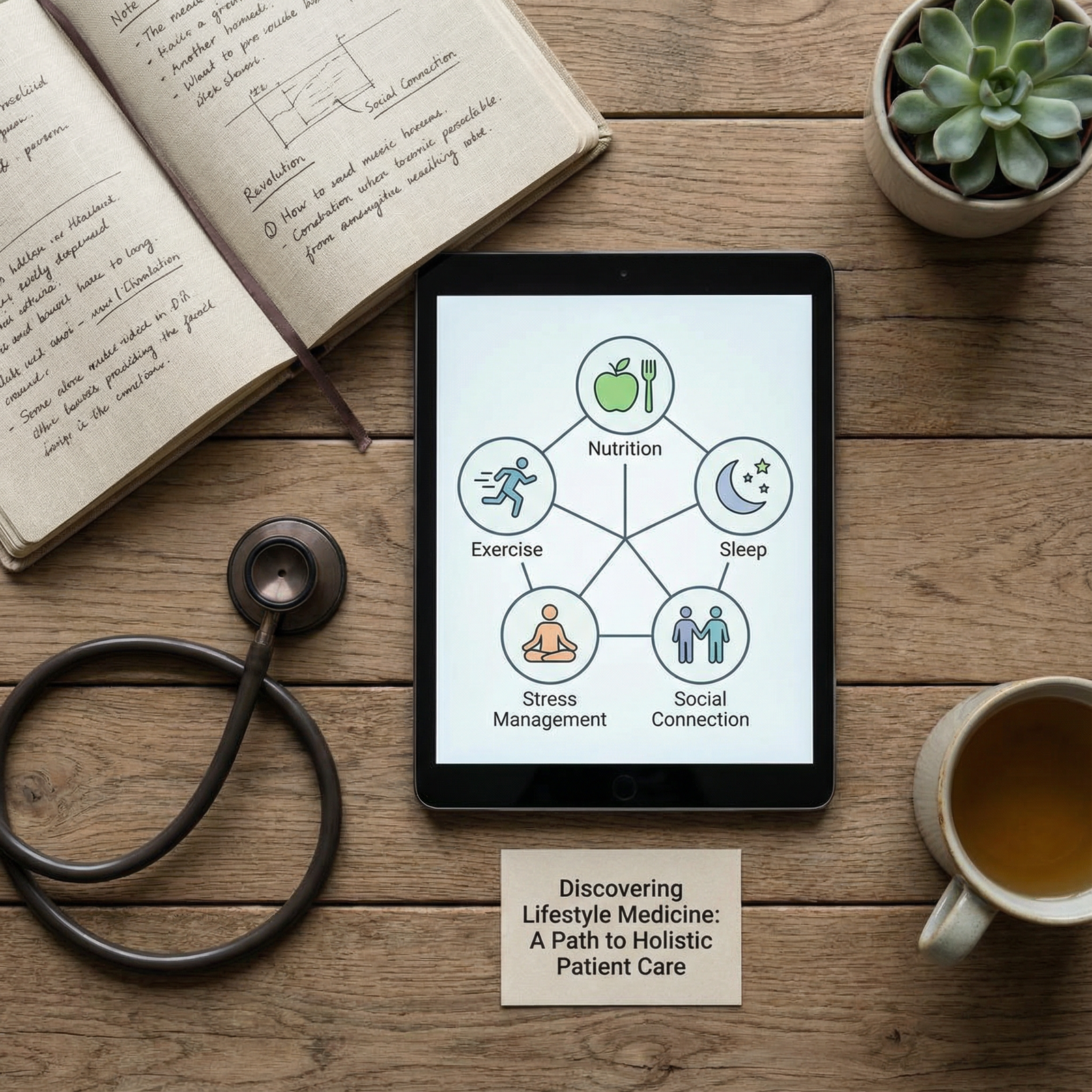
- Counseling on diet, exercise, sleep, and stress management
- Smoking cessation interventions
- Vaccinations and risk-reduction strategies
- Secondary Prevention – Detecting disease early:
- Screening for hypertension, diabetes, dyslipidemia
- Cancer screening (breast, cervical, colorectal, lung where appropriate)
- Early management of prediabetes and metabolic syndrome
- Tertiary Prevention – Limiting the impact of established disease:
- Tight control of blood pressure, A1c, and LDL to reduce complications
- Rehabilitation and risk reduction after events like myocardial infarction or stroke
- Multidisciplinary chronic disease management (e.g., heart failure, COPD)
Example: Preventive Care in Real Life
Consider a 52-year-old patient with obesity, borderline blood pressure, and a strong family history of coronary artery disease. An internist can:
- Use a cardiovascular risk calculator to estimate 10-year ASCVD risk
- Counsel on realistic dietary changes and exercise goals tailored to the patient’s life
- Initiate statin therapy if indicated and monitor for side effects
- Screen for diabetes and manage prediabetes aggressively
- Address sleep apnea, depression, or alcohol use that may be contributing
Over years, this preventive strategy can markedly reduce the risk of myocardial infarction, stroke, heart failure, and early mortality—while improving quality of life.
Why Preventive Care Supports Work-Life Balance
For physicians, a strong focus on prevention:
- Shifts part of the day from crisis management to proactive, planned care
- Supports more predictable clinic workflows versus constant high-acuity emergencies
- Allows for meaningful education-based visits, which many physicians find deeply satisfying
- Can be effectively integrated with telemedicine and remote monitoring, allowing for flexibility in scheduling and location
Preventive care is not just good medicine—it’s a cornerstone of a more sustainable, relationship-based practice.
Flexible Work Environments and Paths to Work-Life Balance
One major advantage of Internal Medicine is the variety of practice settings available, which lets you tailor your career to your preferred work-life balance.
Common Practice Models in Internal Medicine
Outpatient (Primary Care or General Internal Medicine)
- Typically clinic-based, with regular daytime hours
- Limited nights and weekends depending on call structure
- High continuity and stable patient panels
- Increasing opportunities for hybrid in-person/telehealth care
Hospital Medicine (Hospitalist)
- Shift-based work (e.g., 7 days on / 7 days off)
- Intense, focused clinical weeks followed by extended breaks
- No ongoing outpatient panel; patients are usually followed only during admission
- Appeals to those who prefer acute care and distinct boundaries between work and home
Academic Internal Medicine
- Mix of clinical care, teaching, and research
- More predictable schedules in many settings
- Role in shaping the next generation of physicians and influencing health systems
Concierge or Direct Primary Care Models
- Smaller patient panels with longer visits
- Greater control over scheduling, communication, and access
- Often better alignment with personal and family priorities, though with entrepreneurial demands
How Internists Create Sustainable Careers
Internists often craft lifestyle-friendly careers through:
- Part-Time or Reduced FTE Roles:
- 0.6–0.8 FTE clinic schedules
- Time reserved for research, teaching, administration, or family
- Job-Sharing:
- Two physicians jointly managing a single panel or position
- Telemedicine:
- Virtual visits from home or flexible locations
- Attractive for those with caregiving responsibilities or geographic constraints
- Non-Clinical Roles Integrated with Practice:
- Quality improvement, leadership, medical education, informatics, or public health
- Balanced portfolios that lessen direct clinical load while broadening impact
For residents concerned about burnout, Internal Medicine offers a range of work patterns that can be adapted across life stages—training, early career, parenthood, and later career transitions.
Lifelong Learning and Intellectual Growth in Internal Medicine
If you enjoy pattern recognition, diagnostic puzzles, and staying current with evolving evidence, Internal Medicine is an ideal fit. The specialty is built on continuous learning and critical thinking.
Why Internal Medicine Is an Intellectual “Home”
- Constant exposure to new guidelines, treatments, and technologies
- Frequent need to integrate basic science, evidence-based medicine, and patient values
- Regular opportunities for case-based learning and interdisciplinary collaboration
Structured Opportunities for Ongoing Learning
Continuing Medical Education (CME)
Internists maintain competency through:- Conferences (ACP, subspecialty society meetings)
- Online CME modules and MOC activities
- Journal clubs and grand rounds
Quality Improvement and Research
Many internists take part in:- Practice-based research networks
- QI projects focused on chronic disease outcomes, readmission reduction, or vaccination rates
- Implementation science to improve systems of care
Teaching and Mentorship
In academic or teaching hospitals, internists:- Teach medical students, residents, and advanced practice providers
- Supervise inpatient teams and resident clinics
- Develop curricula and participate in assessment and feedback
This rich learning environment keeps the work engaging and helps prevent stagnation. Importantly, much of this learning can be integrated into your daily workflow rather than added on top of it.
Long-Term Patient Relationships: The Human Center of Internal Medicine
For many internists, the heart of the specialty is not just the diseases they treat but the meaningful patient relationships they build and sustain.
What Longitudinal Care Looks Like
Over years of practice, an internist may:
- Help a young adult with obesity and depression progress to stable health in midlife
- Support a patient through major life transitions—marriage, parenthood, job loss, retirement
- Manage evolving conditions like hypertension, diabetes, and coronary artery disease across decades
- Coordinate end-of-life care with dignity and alignment to the patient’s values
These continuity relationships allow internists to understand not just the clinical problem list, but the person behind it—values, support networks, barriers to care, and motivators for change.
Impact on Outcomes and Physician Satisfaction
Long-term patient relationships are linked with:
- Higher patient satisfaction and trust
- Better adherence to medications and treatment plans
- Improved chronic disease control and preventive care uptake
- Lower hospitalization and emergency department use
For physicians, this continuity can be a powerful buffer against burnout, as it provides:
- A sense of narrative and purpose beyond episodic encounters
- Moments of genuine gratitude and mutual respect
- Opportunities to witness tangible, long-term impact on patients’ lives
The emotional rewards of following patients over time are a distinctive advantage of Internal Medicine compared to more episodic specialties.
Specialization, Career Flexibility, and Non-Clinical Options
Internal Medicine is also one of the most versatile launching pads for diverse healthcare careers. You can remain a broadly skilled generalist or develop deep expertise in a focused area.
Subspecialties Within Internal Medicine
After residency, many internists pursue fellowship training such as:
- Cardiology
- Gastroenterology
- Pulmonary and Critical Care
- Endocrinology
- Infectious Diseases
- Rheumatology
- Nephrology
- Hematology/Oncology
- Geriatrics
- Palliative Care and Hospice
- Allergy and Immunology (often with IM pathway)
Each subspecialty carries its own lifestyle considerations, call demands, and practice settings. Many are compatible with strong work-life balance, especially in outpatient-focused or academic roles.
Career Tracks Beyond Traditional Clinical Practice
An Internal Medicine background also opens doors to:
- Hospital or Health System Leadership (CMO, quality and safety leadership)
- Public Health and Policy (CDC, WHO, governmental agencies, NGOs)
- Medical Education (clerkship director, program director, curriculum innovation)
- Clinical Informatics (EHR design, data analytics, AI integration)
- Pharmaceuticals and Biotech (clinical trials, medical affairs)
- Health Technology and Startups (digital health platforms, telehealth innovation)
- Consulting and Health Systems Design
These paths let you evolve your career as your interests and life circumstances change, while leveraging the holistic, systems-based training of Internal Medicine.
Community Impact: Internal Medicine as a Force for Population Health
Internists are uniquely positioned to influence not just individual patients, but entire communities—especially around chronic disease and preventive care.

Typical Community and Population Health Activities
- Free or low-cost health screenings (blood pressure, glucose, cholesterol)
- Diabetes self-management and nutrition workshops
- Smoking cessation programs
- Vaccination drives and education campaigns
- Advocacy for equitable access to care and medications
By tracking panels of patients and community metrics, internists can identify trends and intervene upstream—addressing social determinants such as access to healthy food, safe housing, and reliable transportation.
Aligning Community Work with a Sustainable Career
Many internists weave community impact into their career in ways that still protect work-life balance:
- Academic or FQHC positions that include protected time for outreach
- Partnerships with community organizations, churches, or local health departments
- Integration of population health into everyday practice (e.g., registries, outreach to high-risk patients, team-based care)
This blend of direct patient care and broader advocacy can be profoundly fulfilling for those who envision a career centered around health equity and systemic change.
Frequently Asked Questions (FAQs) About Internal Medicine Careers
1. Is Internal Medicine a good choice if I value work-life balance?
Yes. Internal Medicine offers multiple practice models that can support strong work-life balance:
- Outpatient general Internal Medicine with daytime clinic hours and minimal call
- Hospitalist roles with defined shifts and extended stretches off
- Part-time or flexible schedules, including telemedicine
- Academic positions blending clinical care with teaching and research
The key is to intentionally choose (and periodically reassess) roles that align with your personal priorities, family needs, and tolerance for call and intensity.
2. What type of physician-patient relationships can I expect in Internal Medicine?
In Internal Medicine, you can build long-term patient relationships that span many years or decades. You often:
- Know patients’ families, jobs, and life stories
- See the long-term impact of preventive care and chronic disease management
- Become a consistent, trusted advisor for health decisions
If continuity and relational care are important to you, general Internal Medicine—particularly in the outpatient setting—is an excellent fit.
3. How does Internal Medicine contribute to preventive care and public health?
Internists are central to preventive care and public health in adults through:
- Screening for common chronic conditions and cancers
- Vaccination and infectious disease prevention
- Lifestyle counseling and risk-factor modification
- Coordinating care for high-risk populations (e.g., multiple comorbidities, older adults)
Many internists also participate in population health initiatives, quality improvement, and community outreach programs, directly influencing local and regional health outcomes.
4. What subspecialties and career paths can I pursue after Internal Medicine residency?
Internal Medicine residency opens doors to a broad range of subspecialties (cardiology, GI, pulm/critical care, endocrinology, ID, rheumatology, nephrology, heme/onc, geriatrics, palliative care, and more), as well as non-traditional roles in:
- Academic medicine and medical education
- Public health and epidemiology
- Clinical informatics and digital health
- Leadership and healthcare administration
- Pharmaceutical, biotech, and research careers
You can remain a generalist, become a highly focused subspecialist, or blend clinical work with leadership, education, or policy.
5. What should I look for in an Internal Medicine residency program if I care about lifestyle?
When evaluating programs, consider:
- Call structure and duty hours (night float vs 24-hour call, weekend frequency)
- Culture around wellness and support (mentorship, mental health resources)
- Balance of inpatient and outpatient training
- Exposure to career paths you’re considering (primary care, hospitalist, subspecialty, research)
- Flexibility and electives aligned with your interests (community health, telemedicine, leadership, global health)
Talk with current residents about their day-to-day life, burnout levels, and how often they can realistically maintain hobbies, relationships, and rest.
Internal Medicine offers a rare combination: rigorous, intellectually stimulating medicine; rich, longitudinal patient relationships; broad opportunities for preventive care and community impact; and a wide range of paths to sustainable work-life balance. For many students and residents, it becomes not just a specialty, but a flexible, evolving framework for a long and rewarding career in healthcare.