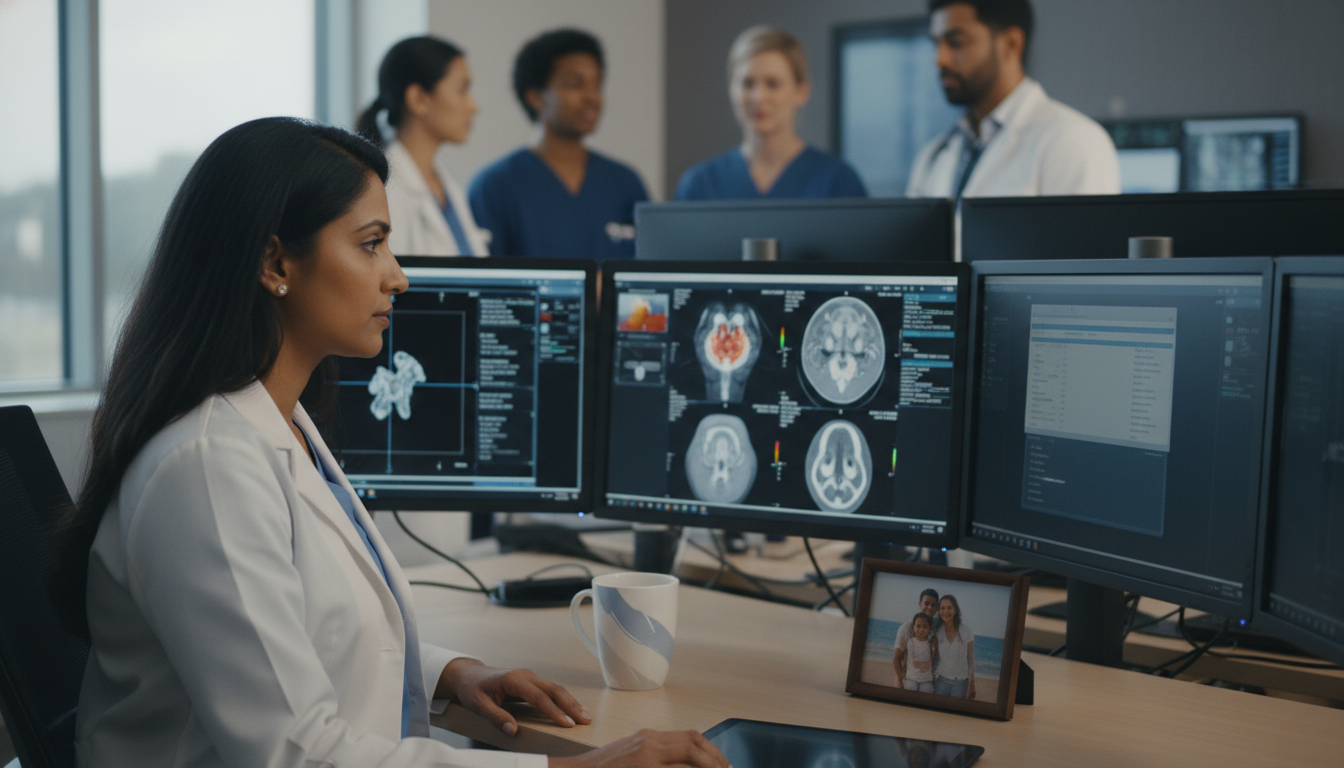
Understanding Work-Life Balance in Nuclear Medicine as a DO Graduate
For a DO graduate considering a career in nuclear medicine, work-life balance is often just as important as board pass rates or fellowship options. Nuclear medicine is frequently cited as a lifestyle residency with relatively favorable schedules and fewer overnight emergencies compared with many other specialties. However, the reality is nuanced: duty hours, call structure, academic productivity, and institutional culture all shape your day-to-day life.
This article offers a detailed work-life balance assessment for DO graduates in nuclear medicine, with a focus on the osteopathic residency match experience, realistic schedules, and long-term lifestyle considerations. Whether you’re debating nuclear medicine versus radiology, or planning how to navigate the nuclear medicine match as a DO, this guide will help you evaluate if this path fits your personal and professional goals.
1. Where Nuclear Medicine Fits on the Lifestyle Spectrum
From a lifestyle perspective, nuclear medicine consistently falls toward the “more controllable” end of the spectrum compared with surgical specialties, emergency medicine, and many inpatient-heavy fields.
1.1 Why Nuclear Medicine Is Considered Lifestyle-Friendly
Several features contribute to its reputation as a lifestyle residency:
Predominantly outpatient-based:
Most nuclear medicine studies are scheduled, non-emergent diagnostic exams:- PET/CT for oncology
- SPECT cardiac perfusion scans
- Thyroid uptake scans
- Renal, hepatobiliary, and bone scans
Predictable daily workflow:
Patient injections and imaging are usually booked during standard business hours. While urgent studies can arise (e.g., GI bleed scans, pulmonary embolism scans in some centers), they are far less frequent than emergent CT or MRI in radiology, or emergent surgeries.Limited in-hospital emergencies:
Nuclear medicine rarely has:- Trauma activations
- Code strokes
- Stat bedside imaging
This reduces the number of middle-of-the-night, high-stress situations.
Moderate duty hours:
Nuclear medicine residency duty hours generally stay below ACGME limits and are often well-controlled. In many programs, 40–55 hours per week is a typical range, compared with 60–80 in more demanding specialties.
For a DO graduate looking for residency work life balance and assessing the most lifestyle-friendly specialties, nuclear medicine often stands out as a strong contender.
1.2 DO Graduate Perspective on Lifestyle
As a DO, you may enter residency with:
- Prior osteopathic internship experience
- OMM/OMT training
- Interest in whole-person care and long-term patient relationships
Nuclear medicine can align with these values through:
- Longitudinal imaging follow-up with oncology patients
- Pre- and post-therapy counseling for radioisotope treatments (e.g., radioactive iodine, Lu-177 therapies)
- Collaborative care with referring physicians and multidisciplinary tumor boards
You may not have the same continuous clinic follow-up as primary care, but you can still cultivate meaningful longitudinal relationships with certain patients, particularly in therapy-based practices. The pace and schedule structure make it easier to preserve time for family, wellness, and personal growth.
2. Typical Nuclear Medicine Residency Schedule and Duty Hours
Understanding duty hours, call structures, and day-to-day workflow is central to any work-life balance assessment. While details vary by institution, the following describes a common pattern in a nuclear medicine residency or nuclear radiology program.
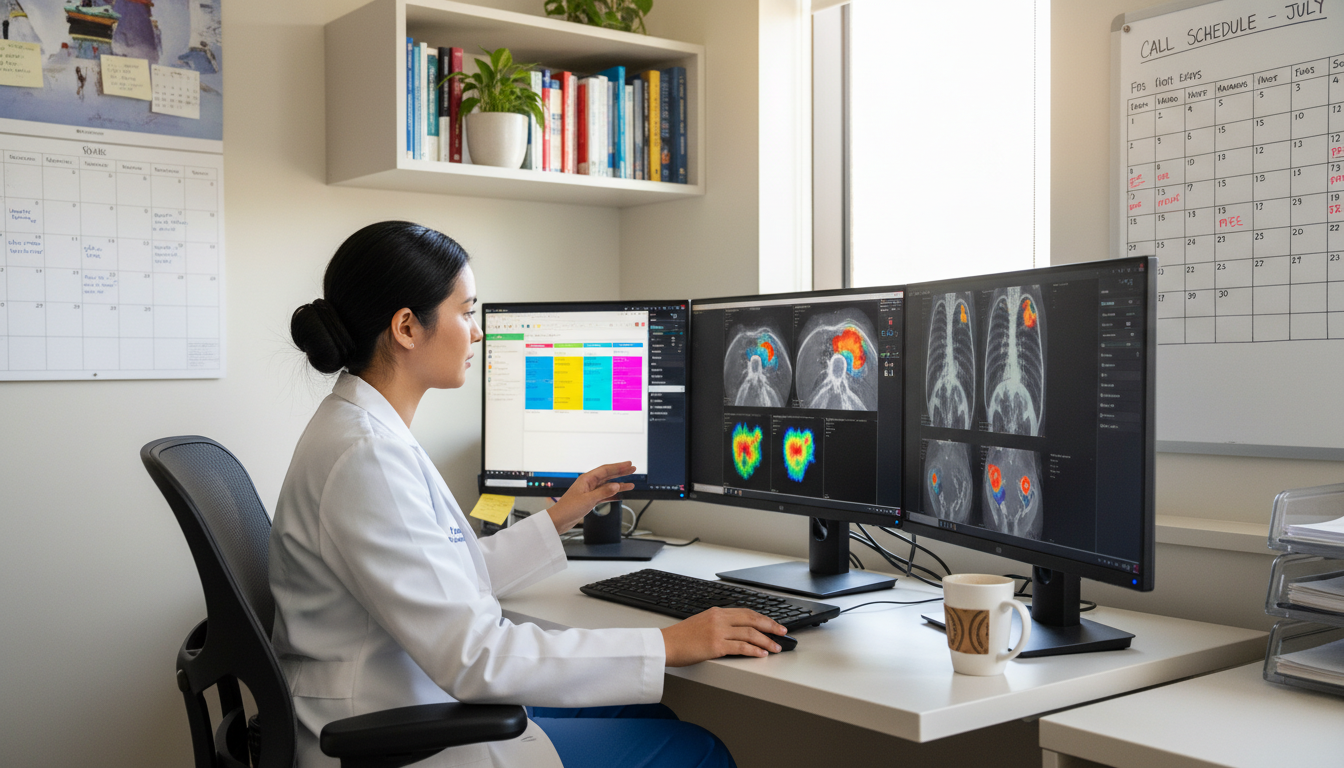
2.1 Weekday Schedule
Typical weekday structure in many programs:
Start time: 7:30–8:00 AM
- Brief huddle with technologists
- Review list of scheduled studies
- Prepare for therapies and any special procedures
Morning:
- Supervise tracer administrations and safety protocols
- Begin reading morning imaging studies (PET/CT, SPECT, planar scans)
- Consult with referring clinicians by phone or electronic messages
Midday:
- Conferences: didactics, physics lectures, case conferences, tumor board
- Quick lunch break (usually flexible; often 20–40 minutes)
Afternoon:
- Read remaining studies
- Participate in therapies (e.g., I-131, Lu-177) if scheduled
- Finalize reports
- Review QA/administrative tasks if relevant
End time: 4:30–6:00 PM
Many nuclear medicine residents report being able to leave between 4:30 and 5:30 PM on most days, especially at institutions with adequate staffing and efficient workflows. Occasional later evenings may happen when:- There’s a backlog of complex PET/CT cases
- Late add-on studies are requested
- You’re on a service with higher clinical volume (e.g., combined nuclear medicine and diagnostic radiology rotations)
2.2 Call Requirements
Call is generally more limited compared with many core residencies:
Home call vs in-house:
Many nuclear medicine programs offer home call during evenings and weekends:- Rarely called in for emergencies
- Most questions center on tracer availability, dosing, or scheduling
- Occasionally, you may be asked to come in for urgent scans in larger tertiary centers
Frequency:
- 1–4 nights per month is common, though highly program-dependent
- Weekends typically involve:
- Reviewing inpatient scans that could not be delayed
- Limited outpatient add-ons
Stress level:
- Generally low; fewer code situations or “stat” imaging emergencies
- Responsibility is more about ensuring appropriate imaging and safe radioisotope use than rapid life-or-death decisions
When comparing residency work life balance, nuclear medicine call usually feels more manageable than:
- Surgery (in-house, frequent cases)
- OB/GYN (deliveries at all hours)
- Emergency medicine (shift-based, nights and weekends common)
2.3 Differences Between Standalone and Combined Pathways
Nuclear medicine can be pursued via several pathways:
Dedicated Nuclear Medicine Residency (ACGME-accredited)
- 1–3 years, depending on prior training (often after a prelim year or another residency)
- Focused nuclear medicine rotations with structured didactics
Nuclear Radiology Fellowship (often 1 year)
- For those completing diagnostic radiology residency
- Even more sub-specialized focus on advanced nuclear imaging
Integrated pathways within diagnostic radiology
- Some radiology programs emphasize nuclear medicine training blocks
Work-life balance during residency will be shaped by:
- Time spent on diagnostic radiology or internal medicine rotations vs pure nuclear medicine
- Call burden for associated departments
- Institutional culture around workload and education
For DO graduates, your prior training may shorten your time in residency, but be sure to clarify how your DO training is recognized, especially if you matched via the osteopathic residency match (prior to full ACGME integration) or through the current unified match.
3. Work-Life Balance Through Different Phases of Training and Career
Lifestyle isn’t static; it evolves from intern year to late-career attending practice. For DO graduates, understanding each phase helps set realistic expectations around the nuclear medicine match, residency, and beyond.

3.1 Pre-Residency and the Nuclear Medicine Match Experience
As a DO graduate, you may:
- Apply to nuclear medicine residency or nuclear radiology via the NRMP
- Showcase:
- Strong board scores (COMLEX and, if taken, USMLE)
- Imaging-related research or electives
- Letters from radiologists, nuclear medicine physicians, or internal medicine faculty
- Highlight osteopathic principles in personal statements:
- Whole-person care
- Emphasis on preventive medicine and long-term patient outcomes
From a work-life perspective, the nuclear medicine match is less competitive than some highly sought lifestyle specialties (like dermatology or ophthalmology), which can reduce some of the pre-residency stress. However, you should still prepare thoroughly:
- Schedule imaging electives early in 3rd or 4th year
- Gain exposure to PET/CT, SPECT, and theranostic clinics
- Develop at least one research project or quality improvement initiative if possible
3.2 Work-Life Balance During Nuclear Medicine Residency
Positives:
- Generally fewer night shifts and 24-hour calls
- Predictable weekdays
- Minimal continuity clinic responsibilities
- Time for:
- Studying for boards
- Attending conferences or tumor boards
- Personal hobbies, exercise, family time
Challenges:
- Board preparation and physics content can be intense
- Some programs expect research productivity and presentations
- You may rotate through higher-intensity services (diagnostic radiology, internal medicine, or cardiology) as part of your broader training
- Limited peer group size—nuclear medicine programs are often small, which may mean more responsibility per resident in some settings
3.3 Transition to Attending: Lifestyle in Early and Mid-Career Practice
Post-residency, your lifestyle will depend heavily on practice setting:
Academic Medical Center
- Pros:
- Structured hours with predictable clinics and reading sessions
- Protected time for teaching and research
- Multidisciplinary tumor boards and collegial environment
- Cons:
- Expectations for publications, grant activity, or committee work
- Potential for evening work finalizing reports or preparing lectures
- Pros:
Large Hospital System or Community Practice
- Pros:
- Emphasis on clinical throughput and efficiency
- Often stable 8–5 schedule with limited call
- Clear productivity metrics
- Cons:
- Less academic support for research
- Case volume may be high in busy centers
- Pros:
Hybrid or Consulting Roles
- Tele-nuclear medicine or teleradiology arrangements (depending on state and institutional policies)
- Industry or imaging vendor positions (e.g., tracer development, imaging software)
- These can provide even more schedule flexibility but may require travel or non-clinical responsibilities.
Overall, nuclear medicine attending practice tends to offer favorable control over working hours compared with many other specialties. This can be attractive if you prioritize family time, outside interests, or side ventures (education, consulting, research).
4. Key Work-Life Balance Considerations for DO Graduates
As a DO graduate, you’ll bring distinct strengths and face unique questions when evaluating nuclear medicine lifestyle.
4.1 Leveraging DO Training to Enhance Lifestyle
Your osteopathic background can support better work-life balance by:
- Applying whole-person principles to patient counseling:
- Explaining radiation risk and benefit in an empathetic, patient-friendly way
- Helping patients understand how imaging fits into their overall care
- Emphasizing communication and collaboration:
- Building strong relationships with oncologists, surgeons, primary care, and radiology
- Reducing last-minute issues or misaligned expectations that can extend your workday
Additionally, your OMM/OMT experience may open doors for side practice or hybrid roles early in your career, providing financial stability while you pursue a niche in nuclear medicine.
4.2 Balancing Board Preparation, Research, and Personal Life
Nuclear medicine includes heavy physics and radiobiology content. DO graduates should anticipate:
- Reading time:
- 3–7 hours per week of self-study, depending on your baseline comfort with imaging physics
- Board prep courses:
- Institutional or external review courses may take several weekends or evenings
- Research expectations:
- Academic programs often expect at least one abstract or publication
- Try to align research with your clinical interests to increase motivation and efficiency
Ways to protect your personal time:
- Block specific evening hours for board prep and avoid “open-ended” studying
- Use commuting time for audio lectures or review (if safe/feasible)
- Integrate studying into clinical work:
- Review key articles related to cases you read that day
- Discuss interpretation nuances with attendings during downtime
4.3 Managing Call and Off-Hours Responsibilities
To maintain a sustainable lifestyle during residency:
- Clarify expectations during interviews:
- Home vs in-house call
- Average number of calls per month
- Backup coverage or cross-coverage policies
- Create systems:
- Keep reference notes for common tracer dosing and protocols so after-hours questions are quick to answer
- Communicate clearly with technologists and referring providers before leaving for the day to avoid unnecessary late add-ons
As you move into attending practice, you can negotiate:
- Call distribution
- Part-time or flexible arrangements
- Telework components for image interpretation where allowed
5. Practical Strategies to Maximize Work-Life Balance in Nuclear Medicine
Beyond understanding the structure of the nuclear medicine residency, DO graduates can actively shape their experience and outcomes.
5.1 Choosing Programs With Lifestyle in Mind
When evaluating programs during the osteopathic residency match or NRMP cycle, consider asking:
Scheduling and Hours
- What are typical daily start and end times?
- How often do residents stay later than 6 PM?
- Average weekly hours on nuclear medicine vs allied rotations?
Call Structure
- Home call vs in-house?
- Typical number of calls per month?
- How frequently are residents actually called in?
Support and Staffing
- Number of nuclear medicine attendings and technologists?
- Use of physician assistants or nurse practitioners in therapy clinics?
- Availability of administrative support for scheduling and reporting?
Resident Culture
- Do residents have time for hobbies, families, or side interests?
- Are there wellness initiatives or mental health resources?
- Is there flexibility for parental leave or medical leave?
Assessing these during interviews and second looks will help determine if a program’s culture truly reflects a lifestyle residency environment, not just marketing language.
5.2 Time Management During Residency
Some practical tips:
- Batch work:
- Group similar studies and report-writing tasks to maintain focus and efficiency
- Use templates:
- Standardized reporting templates can significantly decrease turnaround time
- Set micro-goals:
- E.g., “I will finish all pending PET reports by 3 PM and then review two board topics”
As a DO, you may already be accustomed to integrating varied modalities (manual therapy, lifestyle counseling, pharmacologic approaches). Apply that same integrative mindset to time management and self-care.
5.3 Safeguarding Personal Well-Being
Work-life balance also depends on how you protect your time and mental health:
- Maintain at least one non-medical identity (e.g., musician, runner, parent, writer)
- Schedule regular exercise—even 20–30 minutes three times per week
- Use vacation time strategically (before major exam blocks or after intense rotations)
- Seek mentorship early:
- Identify an attending who exemplifies the type of balanced career you want
- Ask about their strategies for sustainability and boundary-setting
6. Is Nuclear Medicine the Right Lifestyle Fit for You as a DO?
Nuclear medicine offers attractive residency work life balance for many DO graduates, but it’s not ideal for everyone.
You may thrive if you:
- Enjoy imaging, pattern recognition, and technology
- Prefer scheduled, outpatient-oriented work over acute emergencies
- Like multidisciplinary collaboration (oncology, surgery, internal medicine)
- Value consistent evenings and weekends with relatively rare overnight disruptions
- Want the option of combining clinical practice with research, teaching, or industry
You might not be as satisfied if you:
- Crave hands-on procedures as your primary daily activity
- Prefer the adrenaline of acute emergencies or high-volume inpatient care
- Want a large, clinic-based panel of long-term patients
From a broad perspective of most lifestyle friendly specialties, nuclear medicine often ranks favorably due to its controlled duty hours, structured daytime work, and relatively limited emergency burden. For DO graduates seeking a sustainable career that allows for family life, hobbies, and academic or entrepreneurial side pursuits, nuclear medicine deserves serious consideration.
FAQs: Work-Life Balance for DO Graduates in Nuclear Medicine
1. How competitive is the nuclear medicine match for DO graduates?
Nuclear medicine is generally less competitive than many procedure-heavy or traditionally “prestige” specialties. DO graduates with:
- Solid COMLEX (and/or USMLE) scores
- Strong letters from radiology or nuclear medicine faculty
- Demonstrated interest in imaging (electives, research, or case reports)
typically have a realistic chance at matching. Competition may be higher at top academic centers, but the overall osteopathic residency match landscape for nuclear medicine is favorable, particularly compared with dermatology, orthopedic surgery, or interventional radiology.
2. What are the typical duty hours like during nuclear medicine residency?
Most nuclear medicine residents report 40–55 hours per week on average, depending on program setup and rotation mix. You’ll usually work standard daytime hours (e.g., 8 AM–5 PM), with occasional later evenings if volumes are high or if you rotate on services like diagnostic radiology. Night float and 24-hour in-house call are less common for dedicated nuclear medicine rotations compared with other specialties.
3. Does nuclear medicine offer good long-term work-life balance as an attending?
Yes. As an attending, nuclear medicine often allows:
- Predictable daytime schedules
- Limited overnight and weekend duties in many practice settings
- Opportunities for hybrid or tele-nuclear medicine roles in some regions
While case volume and productivity expectations can still be demanding (especially in large centers), the overall lifestyle is typically more controllable than many primary acute care or surgical specialties.
4. Can I maintain my osteopathic identity and skills in a nuclear medicine career?
You can absolutely maintain your DO identity. While nuclear medicine itself is not procedural in the OMM/OMT sense, your osteopathic training enhances:
- Holistic patient counseling (e.g., explaining risk/benefit of radiotracers)
- Communication and empathy with anxious or chronically ill patients
- Interdisciplinary teamwork and whole-person perspective
Some DOs in imaging fields keep a small OMM/OMT practice, teach osteopathic principles, or participate in interdisciplinary clinics, though that depends on institutional policies and your workload.
For a DO graduate seeking a lifestyle residency with meaningful impact on cancer care, cardiology, and systemic diseases, nuclear medicine can offer a compelling blend of intellectual challenge, advanced technology, and sustainable work-life balance.