
Medicine is demanding by nature, but not every specialty requires 80-hour workweeks, constant pages, and overnight call. Many physicians build deeply meaningful, well-compensated careers in fields that allow time for family, hobbies, research, and rest. Understanding which specialties tend to be more lifestyle-friendly—and why—can help you choose a path that fits both your professional goals and personal priorities.
Below, we’ll walk through what makes a specialty more lifestyle-friendly, then review several popular options—family medicine, dermatology, psychiatry, occupational medicine, radiology, anesthesiology, and allergy/immunology—with concrete details on schedules, practice settings, and training considerations.
Defining a “Lifestyle-Friendly” Medical Specialty
“Lifestyle-friendly specialties” is a common phrase among medical students and residents, but it can mean different things to different people. Before comparing medical careers, it helps to clarify what you personally mean by lifestyle and work-life balance.
Key Dimensions of a Lifestyle-Friendly Specialty
Most physicians and trainees consider the following factors:
Work hours and predictability
- Average weekly hours during residency vs. attending life
- Frequency of nights, weekends, holidays
- Predictability of start and end times (e.g., clinic vs. OR days)
- In-house vs. home call responsibilities
On-call burden and emergencies
- Frequency and intensity of overnight call
- Likelihood of being called in for emergencies
- Ability to disconnect from work when off duty
Work environment and culture
- Collegial vs. competitive culture
- Interdisciplinary collaboration
- Support for parental leave, flexible schedules, or part-time work
- Burnout prevalence in the specialty
Type and depth of patient interaction
- Longitudinal relationships vs. one-time encounters
- Emotional intensity of typical cases (e.g., trauma vs. chronic care)
- Cognitive vs. procedural vs. diagnostic focus
Practice flexibility
- Wide range of practice settings (academic, community, telehealth, private practice, industry)
- Ability to scale hours up or down over a career
- Opportunities for remote work
Impact on mental health
- Chronic stress level and emotional load
- Rates of burnout and compassion fatigue
- Feasibility of vacation time and true time off
No specialty is stress-free, and no residency is “easy.” However, the specialties below tend to offer more predictable schedules, lower call burdens, and greater control over your time—especially after training—than many acute-care or surgical fields.
Family Medicine: Broad Scope with Strong Work-Life Balance
Family medicine often tops lists of lifestyle-friendly specialties because it blends continuity of care with flexible, primarily outpatient practice options.
Overview of Family Medicine
Family physicians provide comprehensive primary care to patients across the lifespan—infants, children, adults, and older adults. They manage acute issues, chronic disease, preventive care, and often minor procedures. Training is typically a 3-year residency, with optional fellowships in areas such as sports medicine, geriatrics, obstetrics, or palliative care.
Lifestyle Benefits of Family Medicine
Clinic-based, predictable hours
Many family physicians work:- Monday–Friday schedules
- 8–5 or 9–5 clinic days
- Minimal or no in-house night call once in practice
Group practices and health systems commonly share call remotely (phone triage), resulting in relatively low disruption to evenings and weekends.
Continuity and meaningful relationships
Family medicine offers:- Longitudinal relationships with individuals and families
- Repeated visits over years or decades
- Opportunities to see the impact of health counseling, preventive care, and chronic disease management over time
This continuity often enhances professional satisfaction and buffers burnout.
Flexible practice models
- Outpatient-only clinics with no inpatient responsibilities
- Concierge or direct primary care models with smaller patient panels
- Academic positions integrating teaching and research
- Rural practices with broader procedural scope
This flexibility allows physicians to adjust their workload at different life stages—for example, reducing clinic days during early parenthood.
Considerations for Trainees
Family medicine residency can still be demanding, with:
- Inpatient rotations, night shifts, and OB call depending on the program
- Exposure to a wide breadth of conditions and age groups
Long-term, compensation can be lower than some other specialties; however, loan repayment programs and lower burnout rates are important factors to weigh.
Family medicine is an excellent choice for those who value patient relationships, community impact, and a largely predictable schedule.
Dermatology: High Demand, Controlled Hours, and Few Emergencies
Dermatology is one of the most competitive and sought-after specialties, due in large part to its favorable lifestyle and strong earning potential.
Overview of Dermatology
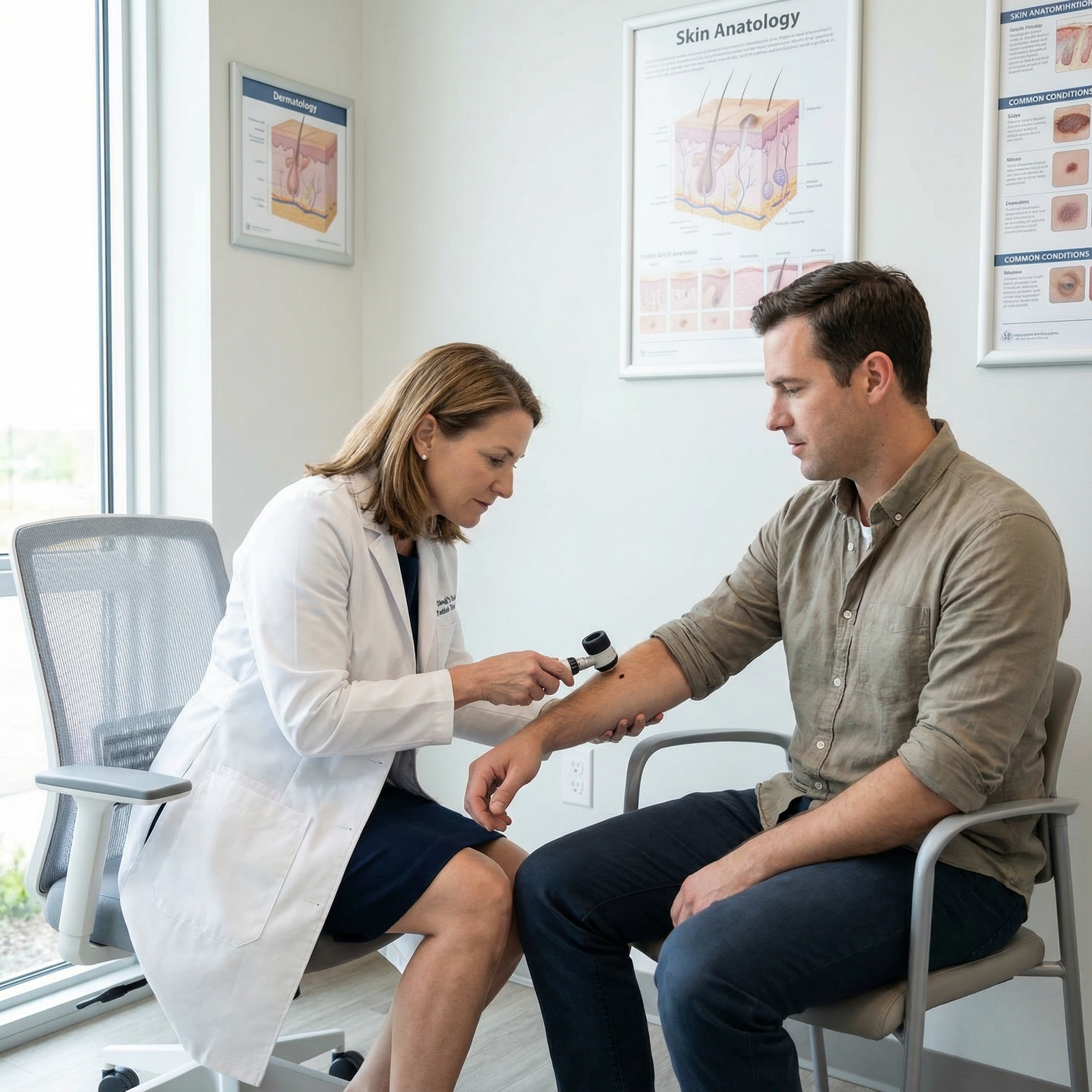
Dermatologists diagnose and treat diseases of the skin, hair, and nails. Many also perform procedures and surgeries, ranging from biopsies and excisions to cosmetic interventions. Training usually involves a preliminary year (internship) followed by a 3-year dermatology residency, with optional fellowships (e.g., Mohs surgery, pediatric dermatology, cosmetic dermatology).
Lifestyle Advantages in Dermatology
Office-based, daytime work
- Most dermatology practices run standard office hours
- Nights, weekends, and holidays are typically free
- On-call duties rarely require in-person emergency visits
Low rate of life-threatening emergencies
- Critical cases (e.g., severe drug reactions) are relatively infrequent
- The emotional intensity is generally lower than in ICU or ED settings
Subspecialization and practice variety Dermatologists can tailor practice to match personal preference:
- Medical dermatology (chronic disease, autoimmune conditions, skin cancer surveillance)
- Surgical dermatology (excision of lesions, Mohs micrographic surgery)
- Cosmetic dermatology (laser treatments, injectables, aesthetic procedures)
Cosmetic practices in particular often offer highly flexible schedules and significant financial upside.
Trade-Offs to Consider
Extremely competitive entry
- High USMLE/COMLEX scores and strong research portfolios are often needed
- Early planning in medical school is crucial
High patient volume
- Short appointment slots can increase daily visit counts
- Efficiency and time management skills are important to maintain quality of care without feeling rushed
Dermatology may be ideal if you enjoy visual diagnosis, outpatient medicine, and procedural work with a very manageable call burden.
Psychiatry: Flexible Settings and Strong Work-Life Potential
Psychiatry stands out as a specialty where both training and attending life can be more controllable than in many acute medical fields, especially if you choose outpatient or telehealth-based practices.
Overview of Psychiatry
Psychiatrists diagnose, treat, and prevent mental illnesses and behavioral disorders using psychotherapy, medications, and integrated care models. Residency is generally 4 years, with optional fellowships (child & adolescent, addiction, forensic, consult-liaison, geriatrics, etc.).
Why Psychiatry Is Considered Lifestyle-Friendly
Depth of patient interaction
- 30–60 minute appointments are common
- Longitudinal treatment over months to years
- Emphasis on conversation, therapeutic alliance, and nuanced medication management
This model supports strong doctor–patient relationships and allows for meaningful impact on quality of life.
Flexible practice environments Psychiatrists can work in:
- Outpatient clinics and private practices
- Academic medical centers
- Telepsychiatry and fully remote practices
- Integrated primary care settings
- Correctional facilities, community mental health centers, and the VA system
Many of these roles offer regular hours and minimal emergency call.
Telepsychiatry and remote work Psychiatry is one of the best-suited specialties for virtual practice:
- Remote visits from home or flexible locations
- Greater control over scheduling
- Opportunities for part-time or reduced hours without giving up the specialty
Challenges and How to Manage Them
Emotional intensity
- Frequent exposure to depression, suicidality, trauma, and psychosis
- Risk of compassion fatigue or vicarious trauma
Protective strategies include regular supervision/consultation, boundaries around availability, and personal mental health care.
Inpatient vs. outpatient balance
- Inpatient psychiatry and emergency consults can be demanding
- Many psychiatrists transition to primarily outpatient roles later in their careers for improved work-life balance
For those drawn to cognitive work, narrative medicine, and mental health advocacy, psychiatry offers one of the best combinations of professional impact and lifestyle flexibility.
Occupational Medicine: Predictable Hours and Focus on Prevention
Occupational medicine is less well known among medical students but can be an excellent option for those seeking a 9-to-5 schedule and a preventive, population-focused approach.
Overview of Occupational Medicine
Occupational medicine physicians focus on the health, safety, and performance of workers. They evaluate workplace injuries and exposures, perform fitness-for-duty examinations, and help organizations design healthier work environments. Training can include a residency in preventive/occupational medicine, often combined with an MPH.
Lifestyle Advantages
Highly predictable workweek
- Primarily weekday, daytime hours
- Rare weekend or holiday work
- Minimal acute emergencies compared with hospital-based specialties
Lower emotional intensity
- Fewer life-and-death scenarios
- Focus on prevention, rehabilitation, and regulatory compliance
- Opportunity to work with motivated patients seeking return to work
Varied practice settings
- Corporate health departments
- Government agencies (e.g., OSHA, public health departments)
- Academic centers and research institutions
- Large health systems and occupational clinics
These roles often come with robust benefits, protected vacation time, and institutional support for work-life balance.
Things to Consider
- Less longitudinal patient continuity than in primary care or psychiatry
- Some roles involve administrative and regulatory work, which appeals to some physicians but not all
- Compensation is variable depending on whether you’re in corporate, clinical, or government roles
For physicians attracted to public health, prevention, and a regular schedule, occupational medicine is a strong, often underappreciated option.
Radiology: Diagnostic Focus with Remote Work Opportunities
Radiology offers a unique blend of high-technology practice, diagnostic reasoning, and growing options for teleradiology and flexible working arrangements.
Overview of Radiology
Radiologists interpret medical imaging—X-rays, CT, MRI, ultrasound, and more—to diagnose and sometimes treat disease. Diagnostic radiology residency typically lasts 5 years (1 preliminary + 4 DR), with optional fellowships (neuroradiology, interventional, MSK, breast imaging, etc.).
Lifestyle Strengths
Option for structured, daytime work
- Many radiology groups and departments offer defined shifts
- Choice between daytime, evening, or overnight shifts depending on preference
- Opportunities for part-time or flexible schedules in some settings
Limited direct patient interaction
- Especially in diagnostic radiology, interactions are mainly with clinicians and occasionally patients
- Can reduce emotional fatigue from direct patient suffering, although this is a personal preference
Teleradiology and remote work
- Radiology is among the top specialties for remote practice
- Attending radiologists may work from home or remote reading centers
- Potential for location independence, including cross-state or even international arrangements (depending on licensing regulations)
Considerations and Trade-Offs
Residency can be demanding
- High volume of studies
- Requirement for rapid, accurate interpretation
- Night float and weekend coverage in many training programs
Interventional radiology (IR) vs. diagnostic
- IR involves procedures, on-call obligations, and more emergencies
- Pure diagnostic paths tend to be more lifestyle-friendly
For those who enjoy pattern recognition, technology, and cross-specialty consultation, radiology can deliver both intellectual stimulation and excellent lifestyle flexibility.
Anesthesiology: Shift-Based Work with Scheduled Time Off
Anesthesiology combines physiology, pharmacology, and procedural skills, and is often considered reasonably lifestyle-friendly—particularly with well-structured group practices.
Overview of Anesthesiology
Anesthesiologists manage anesthesia and perioperative care, provide critical care in some settings, and often run acute and chronic pain services. Training typically includes a 4-year residency (1 clinical base year + 3 anesthesia years), with optional fellowships in critical care, pain medicine, cardiac anesthesia, and other subspecialties.
Lifestyle Pros
Shift-based scheduling
- OR days, call shifts, and post-call days create built-in time off
- Opportunity to leave work at a predictable time on many days, especially in stable group practices
- Some groups offer 4-day workweeks or part-time options
High demand and job security
- Consistent need for anesthesiologists in hospitals, surgery centers, and office-based practices
- Relatively strong compensation allows for early financial stability and potentially earlier reduction of hours
Balance of procedural and cognitive work
- Hands-on procedures (intubations, lines, regional blocks)
- Real-time physiology management in the OR
- Mix of focused intensity and quieter monitoring periods
Factors That Affect Lifestyle
Emergency and obstetric anesthesia
- Trauma and OB coverage can involve night and weekend call
- Practice type (level I trauma center vs. community hospital vs. ambulatory surgery center) greatly impacts lifestyle
Burnout risk in high-intensity settings
- Long OR days and high caseloads can be fatiguing
- Group practice culture and staffing levels matter a great deal
Choosing practice environments carefully—such as outpatient surgery centers or well-staffed community hospitals—can result in a very balanced lifestyle in anesthesiology.
Allergy and Immunology: Outpatient Care and Chronic Disease Management
Allergy and immunology is a small but highly lifestyle-friendly specialty focused on outpatient, scheduled care and long-term patient relationships.
Overview of Allergy and Immunology
Allergists/immunologists diagnose and treat conditions like allergic rhinitis, asthma, food allergies, anaphylaxis, urticaria, immunodeficiency disorders, and some autoimmune diseases. Training typically requires completion of an internal medicine or pediatrics residency followed by a 2–3 year fellowship in allergy/immunology.
Lifestyle Benefits
Standard office hours
- Primarily outpatient clinics
- Monday–Friday schedules with limited evenings or weekends
- On-call responsibilities are usually light and mainly phone-based
Chronic disease focus
- Longitudinal care of patients with asthma, allergies, and immune disorders
- Opportunities to see meaningful improvements with immunotherapy, biologics, and allergen avoidance strategies
Low emergency burden
- Severe reactions (e.g., anaphylaxis) do occur but are relatively rare
- Most cases are managed in clinic settings and are not life-threatening emergencies
Considerations
- The field is relatively small; geographic flexibility may be slightly more limited in certain regions
- Dual training in medicine or pediatrics before fellowship means a longer overall training path, but the resulting lifestyle is often excellent
For physicians who enjoy outpatient medicine, patient education, and stepwise chronic disease management, allergy/immunology offers one of the best work-life profiles in medicine.

Choosing Among Lifestyle-Friendly Specialties: Practical Tips for Students and Residents
Aligning Specialty Choice With Your Values
As you compare lifestyle-friendly specialties, ask yourself:
- Do I prefer broad primary care (family medicine) or focused subspecialty work (allergy, derm)?
- Do I want intense patient interaction (psychiatry, family medicine) or primarily diagnostic work (radiology)?
- How much procedural work do I enjoy (anesthesiology, dermatology) vs. cognitive or conversational work (psychiatry, occupational medicine)?
- Where do I see myself living and working—urban academic center, suburban group practice, rural community?
Clarifying these preferences can help you distinguish between several medical careers that all offer good work-life balance.
Get Real-World Exposure
- Shadow physicians in multiple lifestyle-friendly specialties during pre-clinical and clinical years.
- Electives and sub-internships in family medicine, psychiatry, dermatology, or radiology can clarify fit.
- Ask attendings and residents specific questions:
- What is your average weekly schedule like—during residency vs. now?
- How often are you called in unexpectedly?
- What are the most stressful aspects of your job?
- What would you change about your career if you could start over?
Consider the Residency Years Separately from Attending Life
Even in lifestyle-friendly fields, residency can be intense. However, what your life looks like 5–10 years after graduation may matter more than the training period.
- Family medicine, psychiatry, and occupational medicine often have more controlled residencies compared to surgical fields.
- Dermatology, radiology, and anesthesiology may involve high academic and call demands in residency but lead to excellent attending lifestyles.
When choosing a field, balance the competitiveness of entry, length of training, and long-term work-life balance you’re seeking.
Frequently Asked Questions (FAQ)
Which medical specialty has the “best” work-life balance?
There is no single specialty that universally offers the best work-life balance. However, family medicine, dermatology, psychiatry, allergy/immunology, occupational medicine, radiology, and certain anesthesiology practices are consistently cited as lifestyle-friendly specialties. Within each, your actual lifestyle will depend heavily on practice setting, call structure, group staffing, and personal boundaries.
Is family medicine truly lifestyle-friendly despite lower compensation than some specialties?
Yes, many family physicians report high career satisfaction due to:
- Predictable clinic hours
- Long-term patient relationships
- Flexibility to work part-time, in academics, or in telemedicine
Compensation may be lower than procedure-heavy fields, but factors like lower burnout, geographic flexibility, loan repayment options, and schedule control often offset this. The key is choosing a practice model (e.g., outpatient-only, group practice) that aligns with your lifestyle priorities.
Can I maintain work-life balance in psychiatry while doing meaningful work with complex patients?
Yes. Psychiatry is one of the few specialties where:
- Outpatient and telehealth models are common
- Appointment-based scheduling allows control over daily volume
- Many psychiatrists design 3–4 day workweeks or mixed schedules (clinical + teaching/research)
The emotional intensity is real, but supportive supervision, peer consultation, and attention to your own mental health can make it sustainable and deeply rewarding.
Which specialties allow the most opportunities for remote work?
The leading options for remote or partially remote work include:
- Psychiatry (telepsychiatry)
- Radiology (teleradiology)
- Dermatology (teledermatology, especially for follow-ups and simple cases)
- Some family medicine and allergy/immunology practices incorporate telehealth visits
Regulatory requirements, licensing, and organizational policies will influence how much of your practice can be remote, but these fields are particularly well-suited.
How should I approach choosing a lifestyle-friendly specialty during medical school?
Use a structured approach:
- Self-assess your priorities: hours, income, patient interaction type, procedural interest, and tolerance for emergencies.
- Explore broadly: Use rotations and electives to sample family medicine, psychiatry, radiology, anesthesiology, and others.
- Seek mentorship: Talk with attendings who seem to have the lifestyle you want and ask how they got there.
- Look beyond stereotypes: Lifestyle varies widely within each specialty based on practice setting. An outpatient psychiatrist and an inpatient psychiatrist in a busy county hospital will have very different days.
- Plan early for competitive fields: If you’re drawn to dermatology or certain radiology programs, start research and mentorship early in medical school.
Choosing a specialty is a deeply personal decision that should balance your intellectual interests, values, and desired lifestyle. Lifestyle-friendly specialties such as family medicine, dermatology, psychiatry, occupational medicine, radiology, anesthesiology, and allergy/immunology can offer fulfilling, sustainable medical careers with room for family, personal growth, and life outside the hospital. By exploring these options thoughtfully and seeking honest insights from practicing physicians, you can chart a path that supports both your patients’ health and your own well-being over the long term.