
Introduction: Why Palliative Care Offers Unique Flexibility in Modern Healthcare
Palliative Care has emerged as one of the most flexible and lifestyle-friendly medical specialties, particularly appealing to students and residents seeking meaningful patient relationships, team-based work, and adaptable career pathways. Unlike many Medical Specialties that focus primarily on disease eradication or procedural volume, palliative care centers on quality of life, symptom control, communication, and psychosocial support for patients with serious or life-limiting illnesses.
Rather than being limited to end-of-life situations, contemporary palliative care spans the entire trajectory of serious illness—from diagnosis through treatment, survivorship, or hospice care. It can be integrated into oncology, cardiology, critical care, geriatrics, neurology, and many other fields. As Telehealth expands, so do opportunities to deliver palliative services in flexible ways that align with both patient needs and clinician lifestyles.
For residency applicants and early-career physicians, this flexibility translates into:
- Multiple practice settings (inpatient, outpatient, home, long-term care, virtual)
- A wide range of roles and scopes (primary clinician, consultant, educator, researcher, administrator)
- The ability to blend palliative principles into other specialties or academic careers
- Options to craft schedules that are often more predictable and lifestyle-friendly than many acute-care fields
This article explores what palliative care is, the breadth of practice environments, diverse roles within the field, training pathways, and how you can shape a career that fits both your professional goals and personal life.
Understanding Palliative Care: Scope, Philosophy, and Core Skills
Palliative care is best understood not just as a setting (like hospice) or a stage (end of life), but as a clinical approach and skill set that can be applied across the continuum of serious illness.
Defining Palliative Care in Modern Healthcare
Palliative care is a specialized form of patient care focused on:
- Relieving symptoms and suffering (pain, dyspnea, nausea, anxiety, depression, delirium, fatigue)
- Supporting patients and families emotionally, socially, and spiritually
- Aligning medical treatments with patient values, preferences, and goals
- Improving quality of life for patients and those who care for them
It is appropriate for patients at any age and any stage of serious illness and can be provided alongside curative or disease-modifying therapy. This makes it highly adaptable and integral to modern Patient Care models.
Core Components of Palliative Care Practice
Palliative care is anchored in several key domains:
Symptom Management
- Advanced pharmacologic and non-pharmacologic strategies for pain and other distressing symptoms
- Opioid management, adjuvant analgesics, and complex polypharmacy oversight
- Managing treatment side effects from chemotherapy, radiation, advanced heart failure therapies, etc.
Communication and Goals-of-Care Discussions
- Skilled conversations about prognosis, treatment options, and outcomes
- Eliciting values, cultural context, and patient/family preferences
- Supporting shared decision-making and conflict resolution
Psychosocial and Spiritual Support
- Screening for anxiety, depression, caregiver burden, and social isolation
- Addressing existential distress, meaning, and hope
- Collaborating with social workers, chaplains, and mental health professionals
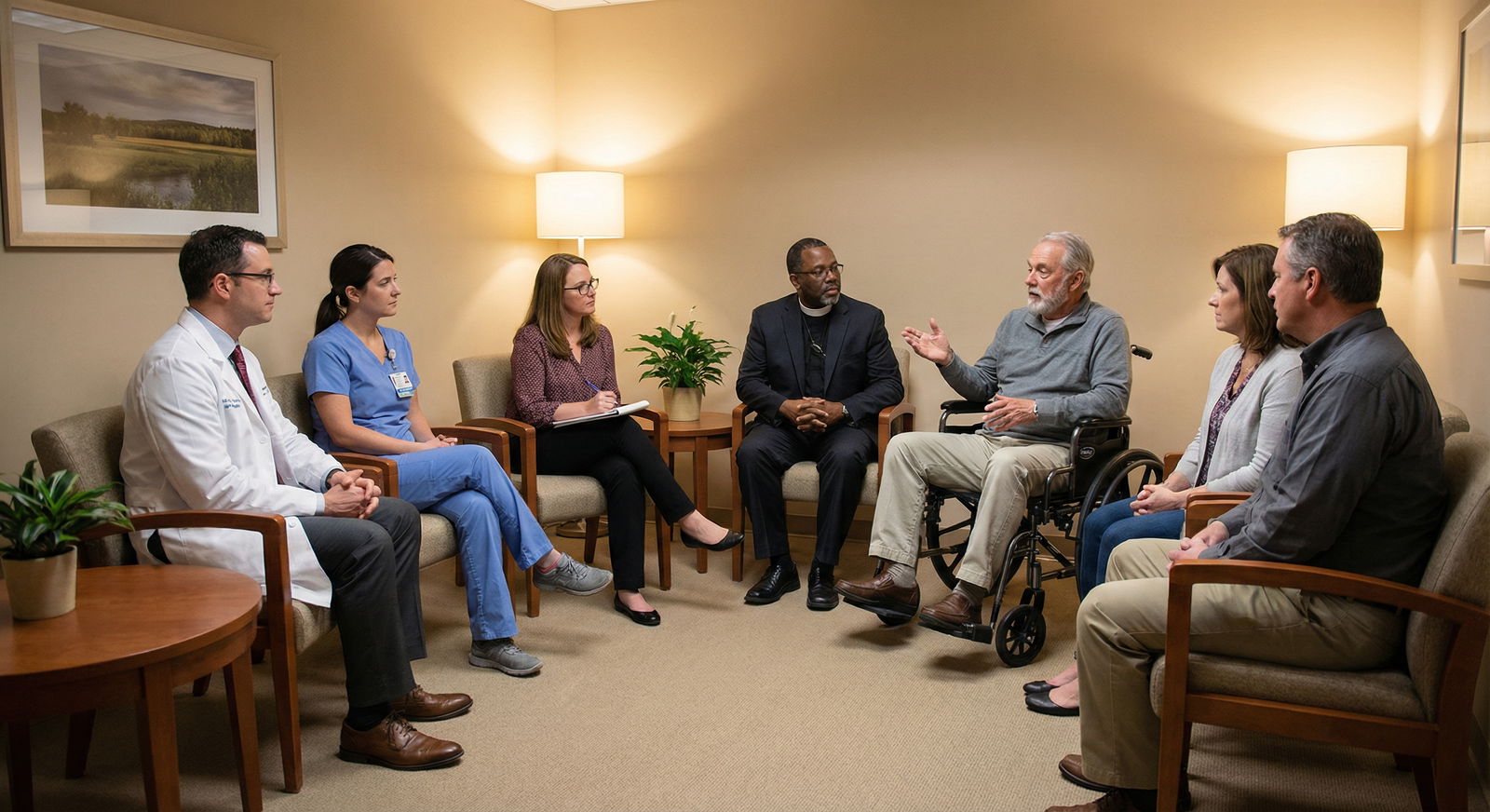
Interdisciplinary Team-Based Care
- Teams often include physicians, nurses, advanced practice providers, social workers, chaplains, pharmacists, and sometimes psychologists or therapists
- Regular family meetings and team huddles to coordinate holistic care
Care Coordination and Transitions
- Facilitating smooth transitions between hospital, home, skilled nursing facilities, and hospice
- Ensuring continuity of care and minimizing preventable readmissions
Because these skills are widely applicable across diseases and settings, palliative care is one of the most transferable and flexible domains within medicine.
Flexible Practice Environments in Palliative Care
One of the greatest strengths of palliative care is the ability to choose a practice environment that matches your preferred pace, acuity level, and lifestyle. Many clinicians combine more than one setting, further increasing flexibility.
1. Inpatient Palliative Care Services
Setting: Academic medical centers, community hospitals, cancer centers, ICUs, surgical wards.
Typical Work:
- Symptom control in high-acuity patients (e.g., advanced cancer, multi-organ failure, severe heart failure)
- Complex goals-of-care and code status conversations
- Daily interdisciplinary rounds with hospital teams
- Supporting ICU teams with family meetings, especially around life-sustaining treatment decisions
Lifestyle & Flexibility:
- Predictable daytime hours in many institutions, often with shared call rotations
- Shift-based models possible in larger programs
- Option to focus on specific populations (e.g., oncology, cardiac, neuro-ICU) if integrated into subspecialty teams
2. Outpatient Palliative Care Clinics
Setting: Hospital-based clinics, standalone palliative clinics, cancer centers, multispecialty practices.
Typical Work:
- Longitudinal symptom management and advance care planning
- Following patients over months to years alongside primary oncologists, cardiologists, or neurologists
- Coordinating with home health, rehabilitation, or hospice services
Lifestyle & Flexibility:
- Usually weekday, daytime hours with limited or no overnight work
- Opportunities for part-time practice or combined roles (e.g., half clinic, half inpatient)
- More predictable schedules that are often considered lifestyle-friendly compared to acute inpatient specialties
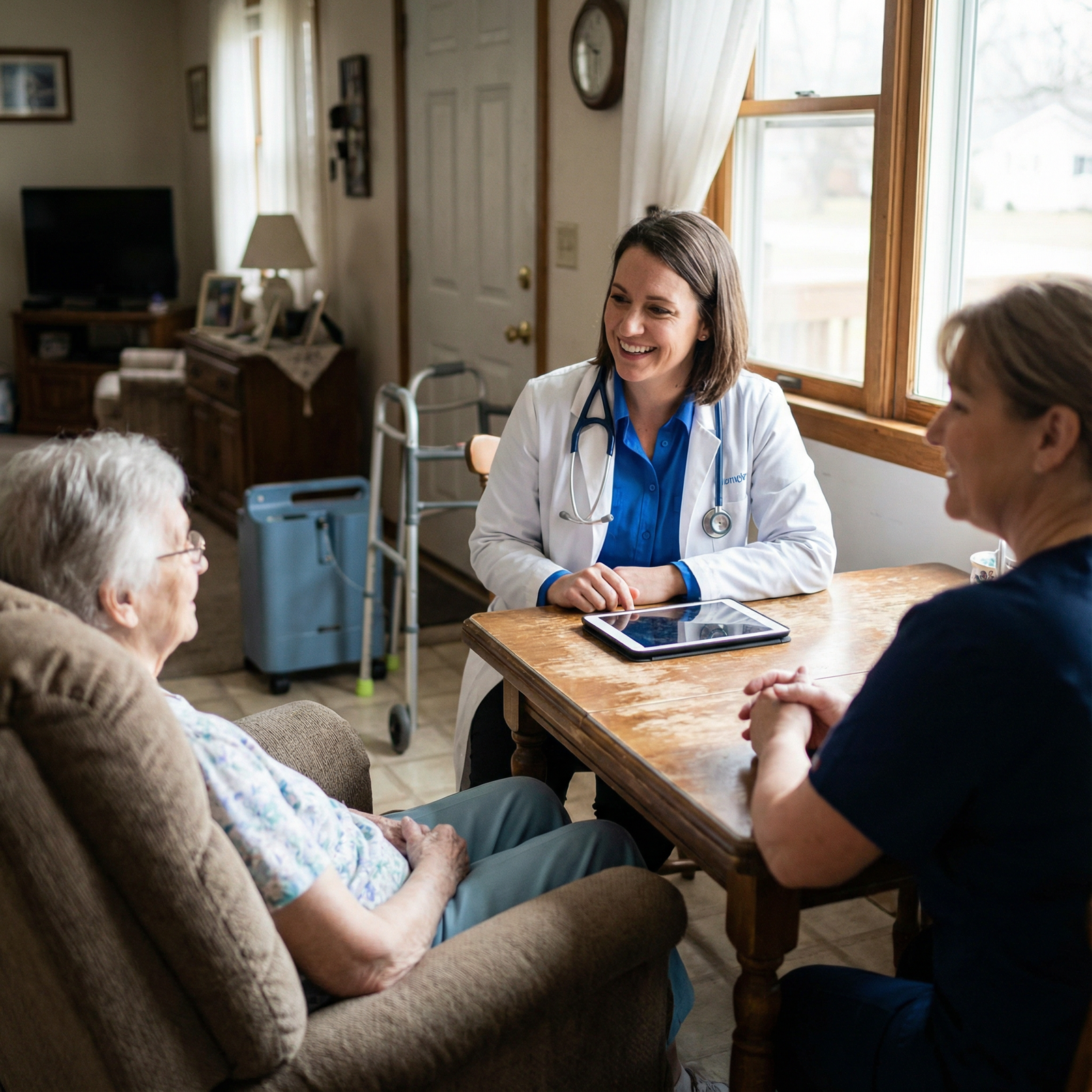
3. Home-Based Palliative Care
Setting: Patient homes, assisted living, senior housing, community settings.
Typical Work:
- Home visits to manage symptoms and functional decline
- Environmental and safety assessments
- Intensive support for family caregivers
- Often a bridge between hospital, clinic, and hospice
Lifestyle & Flexibility:
- Highly autonomous; clinicians can often structure their daily route and visit times
- Workdays can be crafted to minimize commute time by regional clustering
- Offers deep, meaningful relationships with patients and families in their own environment
4. Long-Term Care and Skilled Nursing Facilities
Setting: Nursing homes, rehabilitation facilities, long-term acute care hospitals (LTACHs).
Typical Work:
- Symptom and chronic disease management for frail older adults
- Advance care planning for patients with dementia, multiple comorbidities, or frequent hospitalizations
- Improving quality of life in residents with limited mobility or cognitive impairment
Lifestyle & Flexibility:
- Generally stable daytime work with on-call shared among facility clinicians
- Ideal for those interested in geriatrics + palliative care synergy
- Potential for administrative and quality-improvement roles (reducing burdensome transitions, improving comfort care)
5. Telehealth and Virtual Palliative Care
Telehealth has revolutionized how palliative care can be delivered, especially to patients with mobility challenges or rural/underserved populations.
Typical Work:
- Video visits for symptom management, medication titration, and psychosocial support
- Virtual family meetings and advance care planning sessions
- Remote monitoring and triage in collaboration with home health or hospice teams
Lifestyle & Flexibility:
- Work-from-home or hybrid models that offer significant geographic and scheduling flexibility
- Part-time or cross-state practice (where licensure permits) for clinicians seeking diverse patient populations
- Highly compatible with parental responsibilities or clinicians wanting reduced commuting
For residency applicants considering future lifestyle, the ability to blend in-person and Telehealth work is an increasingly attractive feature of palliative care careers.
Diverse and Flexible Roles Within Palliative Care Teams
Palliative care is inherently interdisciplinary, offering multiple role options and career trajectories across disciplines.
1. Palliative Care Physicians
Physician palliativists typically come from core specialties such as:
- Internal Medicine
- Family Medicine
- Pediatrics
- Emergency Medicine
- Anesthesiology
- Neurology
- Psychiatry
- OB/GYN (less common but increasingly seen in perinatal palliative care)
They then complete a 1-year ACGME-accredited fellowship in Hospice and Palliative Medicine (HPM).
Role and Responsibilities:
- Lead or co-lead the medical aspect of the palliative team
- Complex medication management, including opioids and adjuvant therapies
- High-level communication around prognosis and medical decision-making
- Oversight of care plans in collaboration with primary and specialty teams
Career Flexibility:
- 100% palliative-focused practice, or
- Hybrid roles (e.g., 50% hospitalist, 50% palliative care; 70% oncology, 30% palliative consults)
- Academic roles combining clinical care with teaching, research, and quality improvement
2. Nurse Practitioners and Physician Assistants
Advanced practice providers (APPs) are central in palliative care.
Key Contributions:
- Conducting comprehensive assessments and follow-up visits
- Leading symptom management protocols
- Serving as primary contacts for patients/families between physician visits
- Often providing continuity across inpatient, outpatient, and home settings
Why This Role Is Flexible:
- APPs can work in nearly any palliative setting: hospital, clinic, home care, Telehealth
- Part-time, job-sharing, and flexible scheduling are common in many programs
- Opportunities for leadership, education, and program development
3. Social Workers
Palliative care social workers specialize in the psychosocial aspects of serious illness.
Typical Responsibilities:
- Counseling patients and families; addressing coping, grief, and caregiver stress
- Navigating insurance, benefits, and community resources
- Leading or co-leading family conferences and goals-of-care discussions
- Supporting discharge planning and transitions to hospice or post-acute care
Career Flexibility:
- Work across hospitals, hospices, home-based programs, and outpatient clinics
- Opportunities for advanced training in grief counseling, trauma-informed care, or psychotherapy
- Paths to leadership in program development, community outreach, or policy work
4. Chaplains and Spiritual Care Providers
Spiritual care is essential to holistic palliative care, addressing meaning, purpose, and existential questions.
Core Roles:
- Providing spiritual and emotional support regardless of religious affiliation
- Facilitating rituals, prayer, or connections with community faith leaders
- Assisting with legacy work, life review, and meaning-making at critical junctures of illness
Flexibility:
- Can work full-time in hospitals, hospices, or integrated palliative teams
- May combine clinical roles with education, ethics committee participation, or research on spiritual well-being
5. Interdisciplinary Consultants and Specialty-Integrated Roles
Many clinicians incorporate palliative care principles into other specialties:
- Oncologists who have expertise in symptom management and advance care planning
- Cardiologists or pulmonologists specializing in advanced heart or lung disease, integrating palliative care early
- ICU physicians applying palliative communication and family meeting skills
- Neurologists managing progressive neurodegenerative diseases with a palliative lens
These hybrid roles allow you to remain rooted in a base specialty while significantly improving Patient Care through palliative frameworks.
Training Pathways and Career Planning for Residents and Students
For residency applicants considering palliative care, planning early can open more options and flexibility later.
Core Training Pathway
Medical School
- Seek electives in palliative care, oncology, geriatrics, or ethics
- Participate in hospice home visits or inpatient consult electives if available
- Develop communication skills through simulation or standardized patient encounters
Residency
- Common base residencies: Internal Medicine, Family Medicine, Pediatrics; others possible
- Choose rotations that expose you to serious illness care: ICU, oncology, geriatrics
- Engage in quality improvement or research projects related to palliative or end-of-life care
Fellowship in Hospice and Palliative Medicine (HPM)
- Typically 1 year after residency
- Mix of inpatient, outpatient, hospice, and home-based palliative care
- Training in leadership, quality improvement, and interdisciplinary teamwork
Early Career and Subspecialization
- Decide on academic vs. community practice, inpatient vs. outpatient vs. hybrid
- Consider additional training (e.g., geriatrics, oncology, ethics, health services research)
Tips for Maximizing Flexibility in Your Future Career
- Seek breadth during training: Experience different practice settings—hospital, clinic, home, Telehealth—to understand what fits you best.
- Develop strong communication skills: These are universally needed and make you invaluable to any team.
- Explore Telehealth competencies: Familiarize yourself with virtual exam techniques, digital communication, and remote monitoring.
- Network with mentors: Find palliative care faculty and clinicians whose careers you admire; ask how they structured their work and life.
- Consider geographic flexibility: Palliative care is in high demand; you can often choose among urban academic centers, suburban hospitals, or rural programs.
Lifestyle, Well-Being, and Burnout Considerations
Palliative care involves frequent exposure to serious illness, family distress, and death. Yet many clinicians in this field report high job satisfaction, largely because:
- They see tangible relief of suffering
- They build deep, longitudinal relationships
- Their work is team-based rather than isolating
- They often have more predictable schedules than many acute specialties
Strategies to Sustain a Long-Term Career
- Regular team debriefs and reflection rounds to process emotionally intense cases
- Setting realistic boundaries around availability and work hours
- Engaging in academic, administrative, or teaching tasks to balance emotional intensity of clinical work
- Prioritizing self-care and mentorship to prevent compassion fatigue
For those seeking a specialty that balances meaningful patient interaction with lifestyle flexibility, palliative care is increasingly recognized as a strong option within the MOST_LIFESTYLE_FRIENDLY_SPECIALTIES category.
Frequently Asked Questions About Palliative Care Careers
1. What is the difference between palliative care and hospice?
Palliative care is appropriate at any stage of serious illness and can be provided alongside curative or disease-modifying treatments. A patient receiving chemotherapy, dialysis, or advanced heart failure therapies can still benefit from palliative care for symptom control and decision support.
Hospice is a specific Medicare-defined benefit (in the U.S.) typically offered when:
- A patient is estimated to be in the last 6 months of life if the disease follows its usual course, and
- The focus has shifted away from curative treatments toward comfort-oriented care.
All hospice is palliative, but not all palliative care is hospice. Many palliative care clinicians work in both spaces, but they are conceptually and operationally distinct.
2. Can palliative care be provided alongside aggressive or curative treatments?
Yes. One of the strengths of modern palliative care is its integration alongside oncology, cardiology, surgery, and other specialties. For example:
- A patient receiving active chemotherapy can see a palliative team for pain, nausea, fatigue, and emotional support.
- A patient awaiting heart transplant can benefit from palliative care to help manage symptoms, discuss risk, and support the family.
Evidence shows that early palliative integration can improve quality of life, mood, patient satisfaction, and sometimes even survival.
3. What kinds of careers and roles are available in palliative care?
There is wide variety, including:
- Palliative care physician (hospital-based, clinic-based, home-based, or hybrid)
- Hospice and palliative medicine fellowship-trained specialist
- Nurse practitioner or physician assistant on a palliative team
- Palliative care social worker, chaplain, or pharmacist
- Program director, division chief, or quality-improvement lead in palliative services
- Telehealth-focused palliative clinician, often working remotely
- Hybrid roles (e.g., oncologist with a strong palliative focus, geriatrician with palliative expertise)
This diversity allows clinicians to tailor their roles to match clinical interests, preferred setting, and lifestyle goals.
4. Where can palliative care be practiced, and how does that affect lifestyle?
Palliative care can be practiced in:
- Hospitals and academic centers (more acute, fast-paced; strong interdisciplinary teams)
- Outpatient clinics (predictable daytime schedules, longitudinal relationships)
- Home-based programs (autonomy, direct insight into patients’ daily lives)
- Long-term care facilities (focus on frail elders and continuity)
- Telehealth models (remote work, flexible hours, expanded reach)
Lifestyle varies by setting. Many outpatient and Telehealth roles are considered especially lifestyle-friendly, with stable hours and fewer overnight responsibilities compared to many other specialties.
5. Is palliative care emotionally overwhelming, and how do clinicians cope?
Working closely with serious illness and end-of-life situations can be emotionally demanding. However, many clinicians report deep professional fulfillment because they:
- Witness meaningful improvements in comfort and dignity
- Help families navigate incredibly difficult moments with clarity and compassion
- Work within supportive, interdisciplinary teams
To cope and thrive, palliative clinicians often:
- Participate in regular team debriefing or reflective practice
- Maintain clear boundaries and self-care routines
- Seek mentorship and peer support
- Balance emotionally intense work with teaching, research, or administrative projects
When supported well, a career in palliative care can be both sustainable and deeply rewarding, offering a rare combination of flexibility, impact, and human connection.
Palliative care is a versatile, evolving field at the heart of patient-centered Healthcare. For residents and medical students seeking a specialty that values communication, holistic Patient Care, and flexible practice models—including Telehealth—palliative care offers a compelling, lifestyle-conscious path with enduring relevance across the spectrum of serious illness.