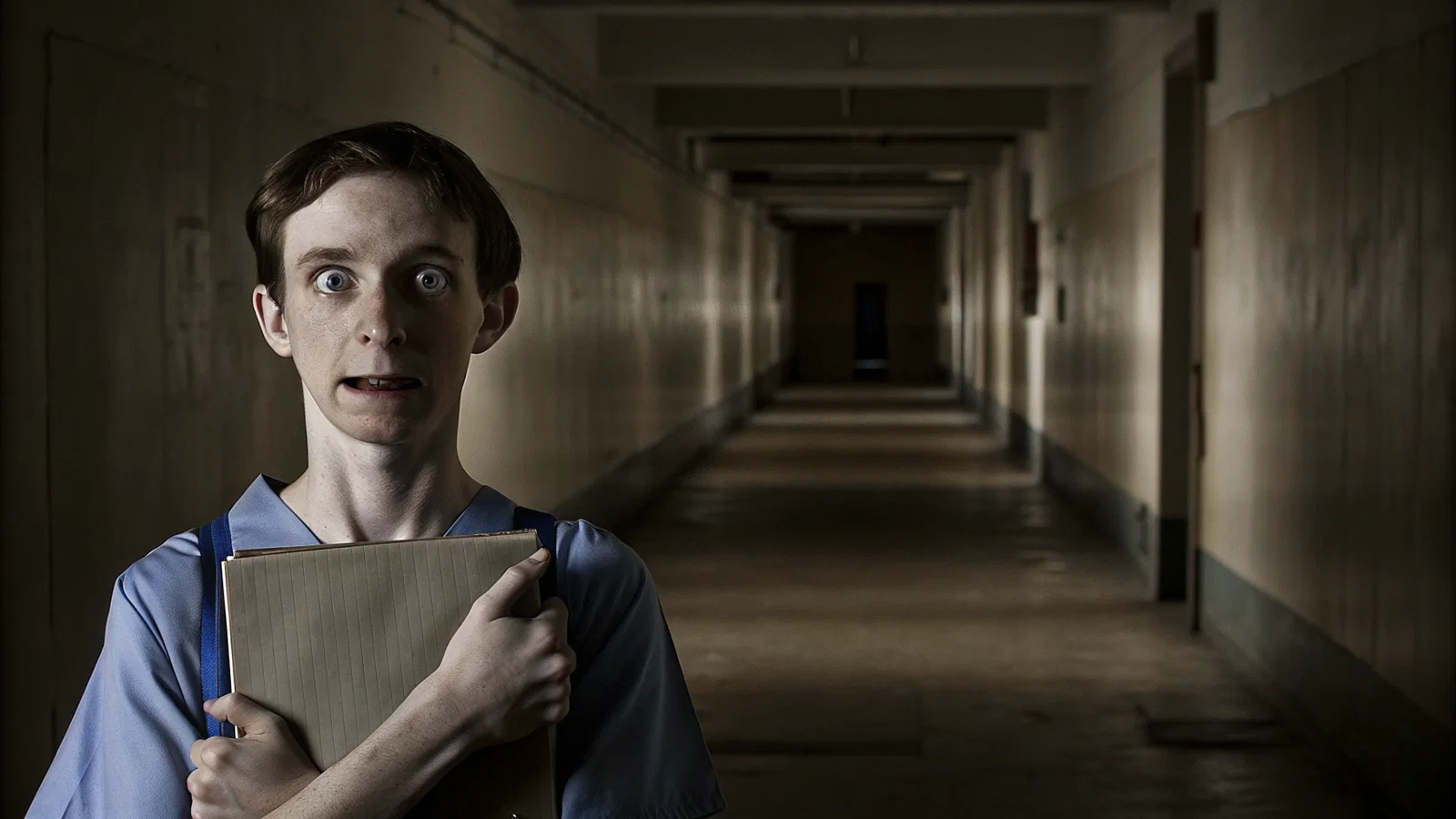
You're on call. 2:37 AM. The nurse just looked at you and said, "Did you mean to order 10 times that dose?" Your stomach drops. Like, through the floor, into the basement. The chart in your hand suddenly weighs a thousand pounds.
Is this it? Is this the mistake that ends everything? You can literally feel your heart in your ears. You're running through the worst-case scenario at light speed: patient harmed, attending furious, you get pulled from the rotation, you'll have to explain this in every residency interview forever, you'll never match.
I've been there. That exact moment. Everyone who's made it through third year has. If you're reading this at 3 AM panicking in the call room bathroom, breathe. This is your lifeline. I'm going to walk you through exactly what to do next.
This guide is for educational purposes only and is not financial advice, not legal advice, and not tax advice. Figures vary by hospital, school, and state. If you're dealing with a serious patient safety event right now, consult a qualified professional like your chief resident, attending, or risk management team immediately.
The Moment You Realize
It's almost always something small that feels huge. You wrote 50 mg instead of 5.0 mg. You missed a critical lab value in the morning dump of results. You didn't follow up on that chest X-ray that later showed a pneumothorax.
Or maybe it's not small. And that makes the panic worse.
The first thought isn't rational. It's pure terror: I'm going to kill someone. I'm a fraud. They're going to know I don't belong here. Your brain immediately jumps to the absolute worst outcome, dismissal, lawsuit, that email from the dean that says "we need to talk."
That fear? Normal. I wish someone had told me that earlier. Every resident I know has a story about their first real error. One friend ordered potassium when the patient was already hyperkalemic. Another discharged a kid who bounced back with appendicitis. They're both excellent doctors now. Not because they never messed up, but because of what they did in the next five minutes.
So here's what you need to hear: making an error doesn't make you a bad future doctor. Covering it up does. What you do next matters more than the mistake itself. Let's focus on that.
What to Do in the First 5 Minutes
Okay. Panic is happening. Let's override it with a checklist. You know checklists. You love checklists.
1. Stop. Assess the patient. Is the patient safe RIGHT NOW?
This is the only priority. Not your grade. Not your reputation. The patient. Check vitals. Look at the patient. If there's any chance of immediate harm, you call for help. Now. Hit the rapid response, call the ICU, grab the nurse. Say it out loud: "I'm concerned about this patient, I need help at the bedside."
No one will ever fault you for calling for help too early. Ever.
2. Do NOT do the thing your panicked brain is screaming at you to do.
Don't go back and quietly change the order. Don't delete your note. Don't back-date anything. Don't tell the nurse "let's just keep this between us." That is how you turn a remediable mistake into a career-ending integrity violation. I've seen students get in way, way more trouble for the cover-up than for the original error. Attendings can forgive a dosing error. They cannot forgive dishonesty in the chart.
3. Tell your senior. Immediately.
Not after rounds. Not after you "see what happens." Now.
4. Write down what happened for yourself.
Not in Epic. On a piece of paper, in your phone notes, private. Time, what you ordered/did, what you found, what you did after. Just facts. No "I'm such an idiot" commentary. You'll forget details when you're stressed. This helps you give a clear story later.
That flow? Memorize it. Safe -> Tell -> Document privately. That's it. That's the whole first five minutes. You can do that even while your hands are shaking.
How to Tell Your Resident or Attending
This is the part you're dreading most. I know. You're already rehearsing them yelling, or that disappointed sigh. But delaying makes everything worse.
Find them in person. Don't text "I made a mistake" and run. Don't pagerspiel. Walk up and say: "Do you have a minute? It's important and about patient safety." That signals it's serious.
Then use this exact script. I've used it. It works because it's not defensive.
"I made a mistake. I ordered [X] when it should have been [Y]. I realized when [Z happened / nurse asked]. Right now the patient's vitals are [stable / this], I [checked on them / held the med / called the nurse]. I'm really sorry. Here's what happened step by step."
Notice what's in there. What you did. When you realized. What you did to fix it. What the patient looks like now. No excuses.
Don't say: "The EMR is confusing" or "No one told me" or "The nurse didn't catch it." Even if those things are true. Right now, it's about you taking responsibility. You can talk about system factors later during debrief.
Expect anything. Some attendings will be terrifyingly calm: "Okay, thank you for telling me. Let's go see the patient." Some will get angry, maybe even snap at you in front of others. Both reactions are about stress, not about you as a person. Your job isn't to manage their emotion. Your job is to be honest and show you're safe.
The thing that rebuilds trust isn't perfection. It's integrity. Saying "I messed up and I'm going to learn from it" is what good doctors do. Every. Single. Day.

Documentation, Reporting, and What Comes Next
Okay, you told your senior. You've seen the patient with them. You're still shaky but the patient is okay. Now the paperwork part. This is where you protect yourself by doing it right.
Every hospital has an incident reporting system, RL6, MIDAS, whatever they call it. It's not punitive. It's how hospitals learn. Your resident or attending will tell you if you need to file one. Do it. Be boring and factual.
"At 02:37, entered order for 50mg hydralazine instead of 5mg. Order verified by pharmacy, nurse questioned dose at 02:42. Order discontinued at 02:43. Patient vitals stable, BP 142/88. Attending Dr. Smith notified at 02:45."
No adjectives. No "stupidly" or "carelessly." Just the timeline. If you're asked to add an addendum to the official chart, same rule, objective facts only. Your private personal note is for your own memory, not the legal record.
Will this go on your "permanent record"? This is the 3 AM spiral question. Here's the reality: most student errors are handled internally. You'll get remediation, maybe a meeting with the clerkship director, maybe you have to do a reflection exercise or re-read dosing guidelines. That's it. That's the 75% outcome.
Covering it up? That flips the chart completely.
I'm not making that up to make you feel better. Hospitals and med schools want to teach. They don't want to dismiss you, unless you give them a reason not to trust you. Honesty is the thing that keeps you in the field.
If your institution does M&M or error debriefs, volunteer to present it. Terrifying? Yes. Powerful? Incredibly. It shows you turned a mistake into learning for the whole team.
Coping with Guilt and Building Safer Habits
Here's the part no one talks about. Even after the patient is fine, even after your attending says "thanks for telling me," you still feel awful. You can't sleep. You keep replaying it. You feel like a shameful secret.
You're not weak. You're human. There's even a name for it: second victim. It's normal to feel guilt, anxiety, even nausea after an error.
So what do you actually do?
Talk to someone who isn't grading you. Your school counselor, a trusted mentor who's not on that rotation, a peer support group. Not the group chat where everyone is venting about shelf exams. One real person. I called my old anatomy professor and just cried after my med error. He said, "Oh yeah, I did something similar as an intern. Let me tell you what I do now so I don't do it again." Instantly, I felt less alone.
Then, get curious instead of self-punishing. Was it just you? Or was it 4 PM on a 28-hour call day, with three admissions and a broken computer and a handoff that made no sense? Errors are almost never just "you're dumb." They're system + human. Identify the system.
And build your personal safety net. Mine is stupidly simple: I now read back every single high-risk order out loud. "50 milligrams, that's five-zero?" And I have a Post-it that says "When in doubt, ASK." I've literally never had an attending get mad at me for double-checking a dose. They get mad when you don't.
This awful feeling? If you let it, it makes you a safer, kinder doctor. You'll never be the resident who shames a student for asking a "dumb" question, because you remember what that panic felt like.
You're going to be okay. The patient is going to be okay. And you're going to be better because you did the hard, right thing.

If you're in this right now, take that first step, check the patient, then find your senior and use the script. You've got this. And if you want more practical checklists for surviving rotations without losing your mind, follow along, I'm building the guides I wish I had when I was panicking at 3 AM too.