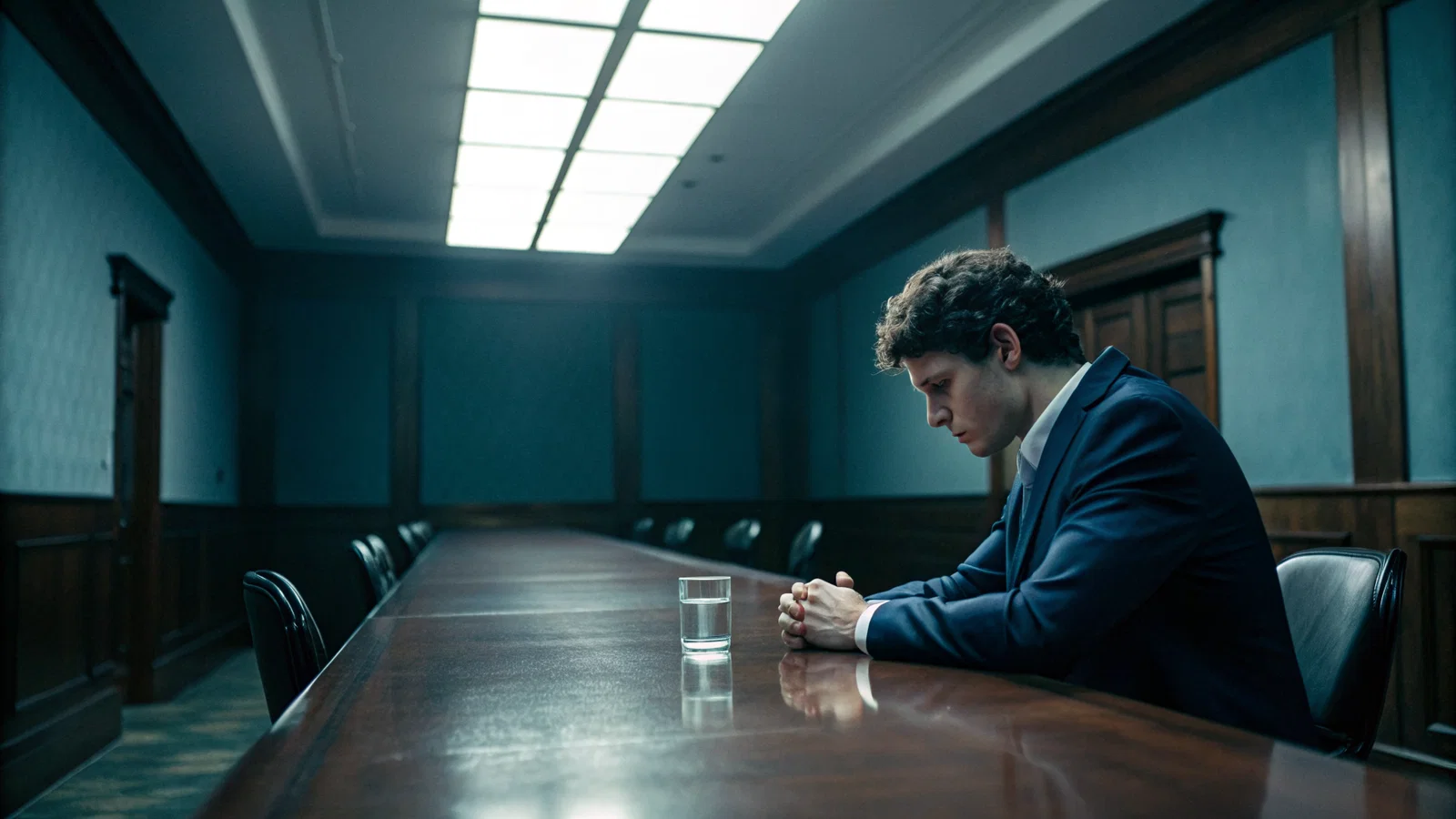
The question wasn't even hard. "Tell me about a time you failed."
I'd prepped for it. I had a whole polished story about a shelf exam, a lesson learned, a tidy redemption arc. And then I opened my mouth and... nothing. Not a stumble. Not a stammer. Just a roaring, cavernous blank where my brain used to be. My heart started hammering so hard I was convinced the panel could hear it. My hands went numb. The water glass I'd been nursing all morning suddenly looked like a death trap, if I picked it up, everyone would see it shaking. The silence stretched past five seconds. Ten. One interviewer glanced down at her notes and I remember thinking, with absolute certainty: This is it. This is the moment I torched my entire career.
Four years of undergrad. Two gap years. Hundreds of flashcards, thousands of dollars in applications, one beige conference room in a hospital I'd flown six hours to sit in, and my body had decided, right then, to sound every alarm it had.
I want to tell you what happened next. I want to tell you what I did wrong afterward (spoiler: almost everything), what I wish I'd done, and what I've since learned about how program directors actually perceive these moments. Because the thing nobody tells you is this: the panic attack isn't the disaster. What you do in the ninety seconds after it, and the email you do or don't send that night, that's what matters.
The Moment My Mind Went Blank: A Paralyzing Interview Experience
Let me stay in that conference room a second longer, because I know some of you are reading this at 2 a.m. before your own interview, running worst-case simulations like it's your job.
The physical symptoms hit first, and they hit like a truck. Racing heart. Tunnel vision. That weird floating sensation where you feel slightly outside your own body, watching yourself fail in real time. Then the mental cascade: They think I'm incompetent. They've already ranked me at the bottom. The other candidates don't do this. Normal people don't do this. And the worst thought of all, the one that kept me up for weeks, this single moment now defines my entire application.
Here's what actually happened in that room. I stared at the table for what felt like an eternity and was, according to my memory of the timeline, maybe twelve seconds. I managed to say, "I'm sorry, could I have just a moment to collect my thoughts?" The interviewer said, "Of course, take your time," in a voice that was... completely normal. Not pitying. Not annoyed. Normal. I took three breaths. I answered the question imperfectly. We moved on. The interview lasted twenty more minutes and covered four other topics.
And that moment I was sure had ended everything? It became a footnote. I matched. Not at that program, but not because of the panic, either. Which raises the question that kept me spiraling: can you actually recover from this? And what do program directors really think when they watch it happen?
The answers are better than your anxiety wants you to believe.
The Unspoken Reality: Why Panic Attacks Happen (and You're Not Alone)
First, the thing your catastrophizing brain refuses to accept: you are not some uniquely broken outlier. Interview anxiety in medical training is everywhere, it's just that nobody talks about it at pre-interview dinners because we're all busy performing calm.
Surveys of medical students heading into interview season paint a picture that should make you exhale a little:
Read that again. Roughly one in ten applicants experiences full panic-attack-level symptoms during interviews. One in ten. In a season with tens of thousands of applicants, that's thousands of people sitting in conference rooms having exactly the experience I had. The only difference between them and me was that they weren't posting about it on Reddit afterward.
Why does it happen? The usual suspects, and they're almost embarrassingly common in our population:
- Perfectionism. The same trait that got you through orgo is now telling you that one awkward pause equals total failure.
- Imposter syndrome. Half your brain is answering questions while the other half whispers that you don't belong in the room.
- Sleep deprivation. I slept four hours the night before my interview, in a hotel bed, next to a highway. Shockingly, this did not help.
- The stakes themselves. Your amygdala cannot distinguish between "a bear is chasing me" and "this conversation determines my future." To your nervous system, these are the same event.
That's the reframe I had to learn: a panic attack isn't a character flaw or a sign you're too fragile for medicine. It's a survival instinct misfiring in a room with no actual predators. Your body is trying to protect you. It's just deeply, comically bad at reading the situation.
The Immediate Recovery: A Step-by-Step Guide to Regaining Control During the Interview
Okay. Worst case is happening. You're mid-interview and you feel it coming, or it's already here. Here's the playbook I wish someone had handed me.
Step 1: Recognize the signs early. Racing heart, mind fog, shaking hands, that detached floaty feeling. The earlier you catch it, the easier it is to interrupt. Don't waste energy pretending it's not happening. Denial burns seconds you don't have.
Step 2: Pause and breathe. Not a shallow chest breath, a real one. I use 4-7-8: inhale for four counts, hold for seven, exhale slowly for eight. Box breathing (four in, four hold, four out, four hold) works too. The long exhale is the key; it physically forces your nervous system to downshift. One breath won't fix you. Three or four will get you functional.
Step 3: Reframe the internal monologue. This sounds fluffy. It isn't. Swap "I'm ruining everything" for something true: This is a conversation. They invited me here. They want me to be good, it makes their job easier. Interviewers are not hoping you fail. Nobody schedules a full day of interviews hoping for disasters.
Step 4: Ask for a moment if you need one. Say it out loud: "Excuse me, could I have just a second to collect my thoughts?" That's it. That's the whole script. I promise you, interviewers hear this constantly and think nothing of it. Thirty seconds of silence feels like a year to you and like nothing to them.
Step 5: Resume with a pivot. If the question that broke you is still sitting there like a landmine, it's fine to redirect: "I want to make sure I give you a real answer, one example that comes to mind is..." and take it somewhere you have solid footing. You're allowed to steer.
Print that flowchart into your brain before interview day. When panic hits, you won't have the bandwidth to improvise, you'll fall back on whatever you've rehearsed.
Damage Control: How to Address It Afterward Without Self-Sabotaging
Now the part where I nearly destroyed myself: the aftermath.
The night of my interview, I drafted an email. It was long. It apologized profusely. It explained my "history of anxiety," assured them I was "receiving treatment," and begged them not to let "one moment" define me. I stared at it for an hour. Thank God I didn't send it.
Here's my blunt opinion, and I'll stand by it: the apologetic follow-up email is the single most damaging move you can make. Worse than the panic attack itself. Here's why. Your interviewers sat through a dozen candidates that day. Your twelve-second pause? Barely registered. But an email flagging it, explaining it, medicalizing it, now you've taken a moment they'd already forgotten and stapled it to the front of your file. You've told them exactly what to remember about you.
Don't do it. Instead:
- Send a normal, strong thank-you note. Reference a specific, substantive part of the conversation, a project they mentioned, a question you enjoyed. Anchor their memory to the good stuff.
- If the episode was genuinely visible, you stepped out, you were shaking hard enough that ignoring it feels bizarre, one sentence, maximum. Something like: "The day got the better of me for a moment, but I'm grateful for the conversation and remain very interested in your program." Then stop typing. Resilience acknowledged, file closed.
- Never use the words "panic attack" or "anxiety disorder" in your follow-up. Not because you should be ashamed, you shouldn't, but because those labels become a cognitive anchor. "The candidate who got flustered and recovered" ranks fine. "The candidate with the panic attack" becomes a story they retell.
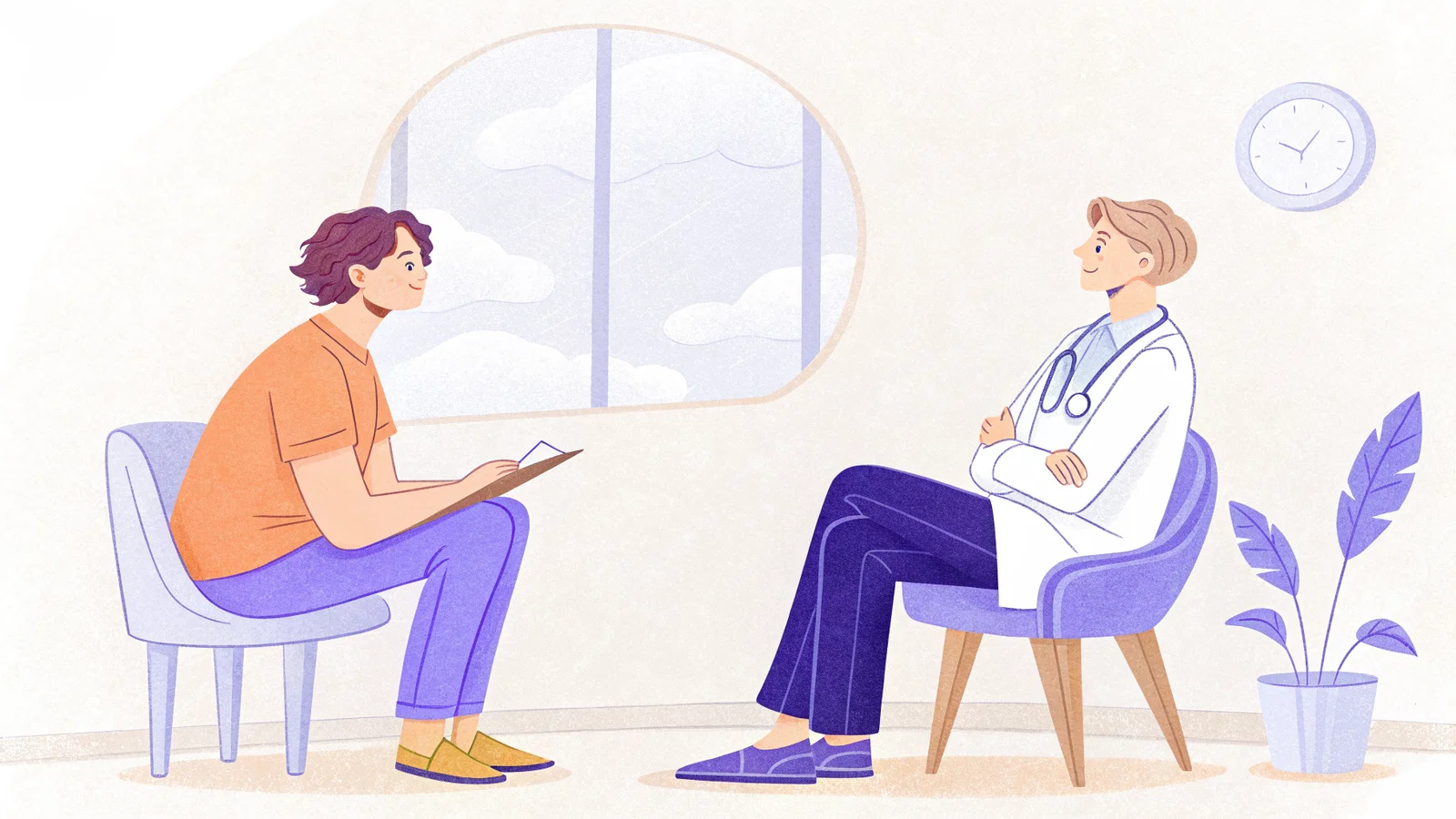
The rule is simple: your follow-up should sell your interest and your strengths. Full stop. The panic gets no airtime.
Program Directors' Perspective: What They Really Think (It's Better Than You Imagine)
This is the section I needed someone to write for me, so I'm writing it for you. I've since talked with faculty who've sat on the interviewer side of that table for years, and the reality is almost offensive in how reassuring it is.
They've seen it all. A PD interviewing thirty candidates a season, year after year, has watched people cry, freeze, blank, knock over water glasses, and once, this is a real story I was told, answer a question about their greatest strength with "I have a really good dog." A shaky voice doesn't even crack the highlight reel.
They evaluate the package, not the blip. Your file is scores, letters, research, personal statement, and forty-five minutes of conversation. No sane evaluator torches all of that over twelve seconds of silence. What does register is the recovery. A candidate who pauses, breathes, and comes back with a composed answer has just demonstrated, live, under pressure, the exact skill every residency program desperately wants: someone who gets rattled and re-centers. That's Tuesday on the wards. That's a code at 3 a.m. Handled well, your panic attack is accidentally a resilience demonstration.
What they're actually screening for are real red flags: hostility, arrogance, dishonesty, blaming others, weird rigidity. A trembling voice is not on that list. It never was.
The only version that gets negatively weighted is the total meltdown with no recovery, walking out without explanation, or freezing so completely the interview can't continue. And even then, most PDs I've heard discuss it respond with concern, not contempt. Because, and this is the part that genuinely surprised me, a lot of them have been there. Medicine is stuffed with high-achieving, anxious people. Many of the folks interviewing you have white-knuckled their way through their own high-stakes moments. They remember.
Long-Term Strategies: Building Resilience So It Won't Happen Again
Recovery skills are essential. Prevention is better. If interviews are still ahead of you, here's how to make panic less likely in the first place.
Exposure therapy, DIY edition. Mock interviews are non-negotiable, but do them properly: dress up, sit across from someone who intimidates you slightly, have them ask hostile or unexpected questions, and record it. Watching yourself survive a practice blank, and you will have one, rewires the catastrophic prediction your brain keeps making. The first mock will be brutal. The fifth will be boring. Boring is the goal.
Challenge the catastrophizing directly. Basic CBT: when your brain says "one bad answer ruins everything," interrogate it like it's a questionable lab value. What's the evidence? Have you ever actually seen a career end over a pause? Write the fear down, write the realistic outcome next to it. It feels mechanical. It works anyway.
Fix the day-of variables. No caffeine that morning, I don't care what your ritual is, stimulants plus adrenaline is arson. Arrive early and sit in the building so the environment stops feeling alien. Learn a grounding technique: 5-4-3-2-1 (five things you see, four you hear, three you can touch, two you smell, one you taste) pulls you out of your head and into the room in under a minute.
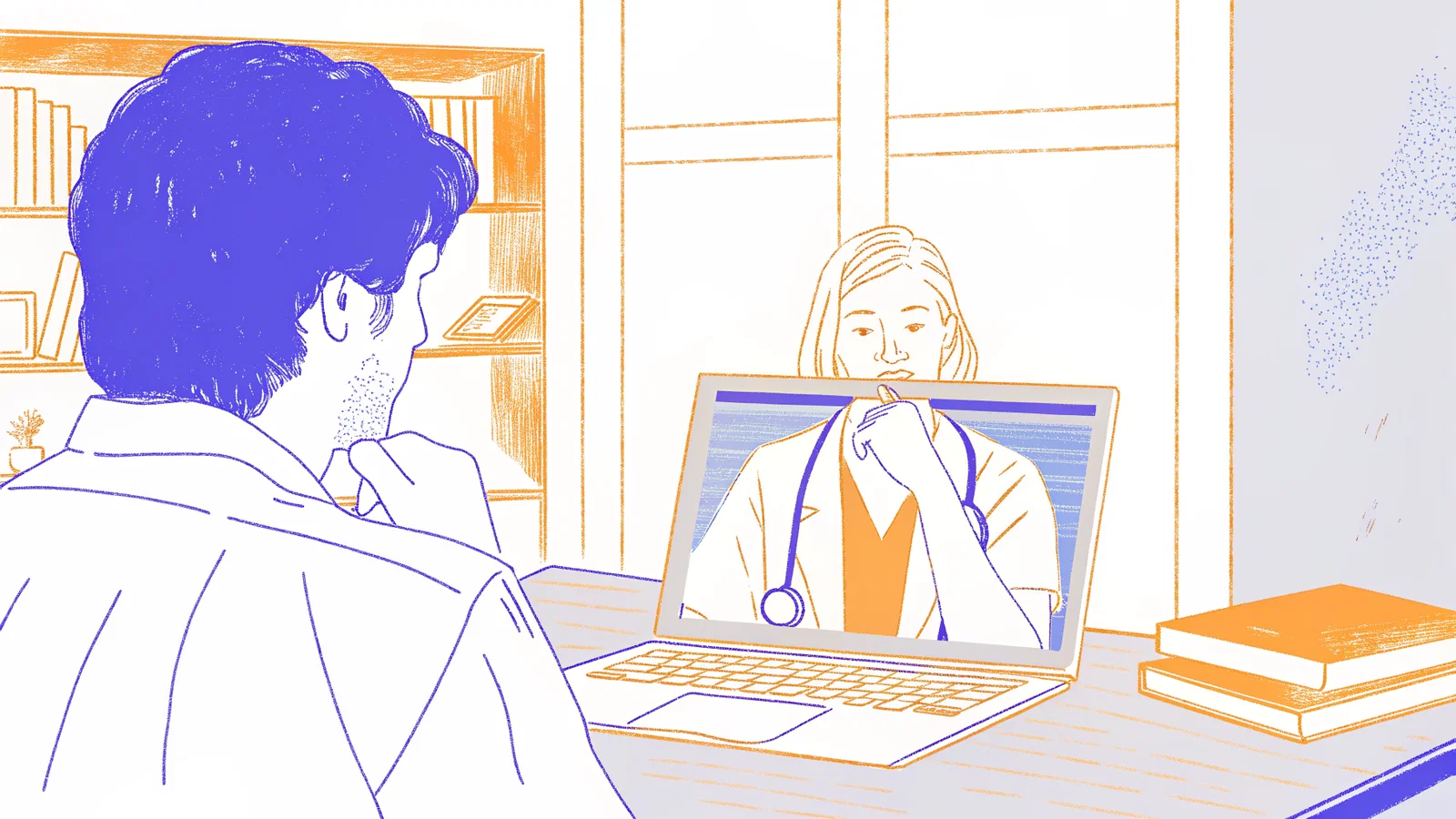
Get professional support without shame. If panic is a recurring pattern, a few sessions with a therapist, or even a physician coaching service, before interview season is not weakness. It's strategy. You wouldn't skip board prep and call it authenticity. Your nervous system deserves the same prep as your CV.
Key Takeaways
- A panic attack mid-interview is not a career-ender. Recover with a pause, a breath, and a pivot, and your composure in that moment can actually work for you.
- The real danger is the aftermath. Delete the apologetic email. Send a strong, specific thank-you note and let the moment die the quiet death it deserves.