Introduction: Rethinking Anxiety in Medical School
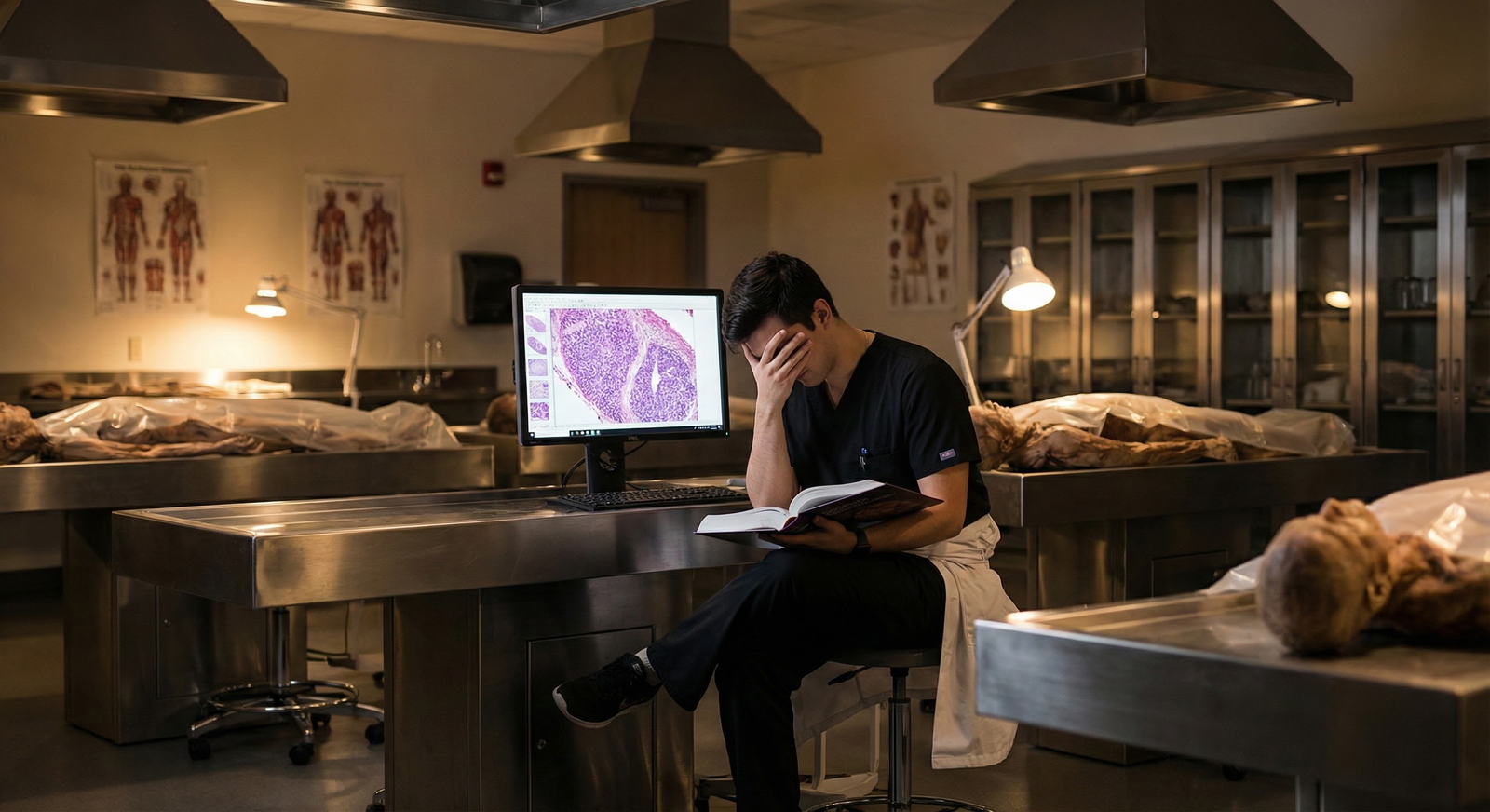
Medical school is often described as a pressure cooker: dense material, relentless exams, clinical performance, research, extracurriculars, and the looming reality of patients depending on you. In that environment, anxiety is not a sign that something is wrong with you—it’s a normal human response to an intense situation.
But normal does not mean harmless. Unmanaged anxiety can erode focus, sleep, relationships, and even physical health. At the same time, the right level of stress can sharpen your concentration, increase motivation, and drive you to perform at your best.
This article explores how to move from anxiety to action—how to leverage stress as fuel for Productivity and professional growth in Medical School instead of letting it derail you. You’ll learn:
- Why anxiety is so common in medical training
- How stress affects your brain, body, and performance
- Practical Anxiety Management and Stress Management strategies tailored to med students
- How to use Mindfulness, structure, and support systems to turn anxiety into purposeful action
By the end, you’ll have a concrete toolkit you can start using today—before your next exam block, OSCE, or rotation.
Understanding Anxiety in Medical School: What You’re Really Experiencing
Why Anxiety Is So Common in Medical Training
In a high-stakes environment like medical school, anxiety is almost inevitable. Common drivers include:
High Academic Expectations
The volume and complexity of material are unlike any previous educational experience. Class rankings, exam scores, and residency competitiveness can make every test feel like a referendum on your future.Fear of Failure and Perfectionism
Many medical students arrive having always been top performers. Even a single low score or critical comment can trigger disproportionate worry: “Did I make a mistake coming here? Am I cut out for this?”Imposter Syndrome
Surrounded by brilliant peers, it’s easy to think, “Everyone else is actually smart. I just got lucky.” Imposter syndrome can turn normal challenges into proof that you “don’t belong,” increasing anxiety before exams and clinical assessments.Unstable Work–Life Balance
Between early-morning lectures, late-night studying, and clinical shifts, finding time for sleep, relationships, and hobbies can feel impossible. When your identity becomes entirely about school, stress has nowhere to go.Constant Evaluation
OSCEs, clinical feedback, shelf exams, standardized patients, peer evaluations—someone is always assessing you. This surveillance-like feeling can keep your nervous system in a perpetually “on edge” state.
Recognizing that these pressures are systemic—not personal failings—can be the first step in Anxiety Management.
The Clinical and Cognitive Consequences of Chronic Anxiety
Short bursts of stress (like pre-exam nerves) can be motivating. But chronic, unrelenting anxiety has consequences that matter for both your health and your performance:
Cognitive Impact
- Difficulty concentrating, zoning out in lecture or while reading
- Slower recall on exams despite knowing the material
- Trouble with executive function: planning, prioritizing, decision-making
Physical Symptoms
- Headaches, jaw clenching, muscle tension
- GI issues (nausea, IBS-like symptoms, “test-day diarrhea”)
- Palpitations, sweating, tremors
- Fatigue from poor sleep quality
Emotional and Behavioral Changes
- Irritability, snapping at friends or partners
- Feeling numb, detached, or “on autopilot”
- Insomnia or oversleeping
- Procrastination, avoidance of studying or clinical tasks
Left unchecked, this can evolve into more severe anxiety disorders, depression, or burnout. That’s why early, proactive Stress Management is not a luxury—it’s a professional necessity.
The Intersection of Anxiety and Productivity: Using Stress as Fuel
The Science: How Stress Can Help or Harm Performance
From a physiological standpoint, anxiety activates your body’s fight-or-flight response—releasing adrenaline and cortisol, increasing heart rate, and sharpening alertness. This can be either helpful or harmful, depending on intensity and duration.
This relationship is often described by the Yerkes–Dodson law, which shows that:
- Too little stress → low motivation, procrastination, distraction
- Moderate stress → optimal arousal, focus, and Productivity
- Too much stress → impaired memory, panic, decreased performance
Your goal is not to eliminate anxiety—but to bring it into the optimal zone and channel that energy into meaningful action.
Reframing Anxiety: From Threat to Challenge
A powerful, research-backed shift is reframing:
- Instead of: “My heart is racing; I’m freaking out; I’m going to fail.”
- Try: “My body is gearing up to help me focus and perform. This energy can help me concentrate.”
Studies show that viewing stress as a challenge (something you can tackle) rather than a threat (something that will defeat you) is associated with:
- Better cognitive performance
- Lower cortisol responses
- Improved long-term resilience
This doesn’t mean pretending everything is fine. It means acknowledging, “Yes, this is hard—and I have tools to meet it.”

Transformative Strategies: Turning Anxiety into Action and Productivity
Below are evidence-informed strategies tailored specifically to medical students. You don’t need to adopt all of them at once. Start small, pick two or three, and build gradually.
1. Mindfulness and Meditation for Anxiety Management
Mindfulness—the practice of paying attention, on purpose, to the present moment—has strong evidence for reducing anxiety and improving attention.
Practical Mindfulness Strategies for Med Students
Micro-Mindfulness Breaks (1–3 minutes)
Between Anki blocks, lectures, or patients:- Close your eyes (if safe) and notice 5 things you hear, 4 you feel, 3 you see, 2 you smell, 1 you taste.
- Use this to “reset” when your mind spirals into “I’ll never get through this material.”
Guided Meditation (5–10 minutes daily)
Try apps or free resources that offer sessions on:- Test anxiety
- Sleep and relaxation
- Focus and concentration
Even 5 minutes before bed can decrease pre-sleep rumination.
Mindful Studying
When reading or doing questions:- Notice when your mind wanders to grades, comparisons, or fears.
- Gently redirect attention to the next paragraph, diagram, or question—not with judgment, but with curiosity.
Breathing Techniques for Immediate Calm
4-7-8 Breathing
- Inhale quietly through your nose for 4 seconds
- Hold for 7 seconds
- Exhale audibly through your mouth for 8 seconds
Repeat 4 cycles. This can: - Calm your autonomic nervous system
- Steady your hands before procedures or OSCEs
- Ease pre-exam jitters at your desk
Physiological Sigh (2–3 breaths)
- Inhale through nose 2 short breaths (one full, one “top-off”)
- Long exhale through mouth
This has been shown to rapidly reduce stress and is easy to do discreetly.
2. Time Management and Study Structure: Reducing Anxiety Through Predictability
Anxiety thrives in chaos and ambiguity. Creating a realistic, structured plan is one of the most powerful forms of Stress Management.
Key Time Management Techniques for Medical School
The Pomodoro Technique (25/5 or 50/10)
- 25–50 minutes of focused work, followed by a 5–10 minute break
- Use focus blocks for:
- Qbanks
- Pathology or physiology chapters
- Reviewing Anki decks
Benefits:
- Reduces overwhelm by breaking tasks into manageable chunks
- Gives your brain recovery periods, which improves retention
Task Breakdown and Prioritization
Instead of “Study cardio,” convert vague goals into concrete actions:- “Do 30 cardio questions and review explanations.”
- “Watch 2 echocardiography videos and make summary notes.”
Use: - Daily top 3: Identify the three tasks that must be done that day. Getting these done prevents end-of-day panic.
Calendar Blocking
Assign specific time blocks to studying, exercise, meals, and sleep:- Morning: Qbank and review
- Afternoon: Lectures and Anki
- Evening: Light review + relaxation
This builds a sense of control and predictability that lowers baseline anxiety.
Example: Converting Anxiety into a Plan
- Thought: “There’s no way I can cover all of neuro before the exam.”
- Action: Break neuro into 8 subtopics, assign 1–2 per day, schedule specific Qbank targets.
- Result: Same material, but now contained in a clear structure that feels doable.
3. Physical Activity: Moving Your Body to Calm Your Mind
Regular movement is one of the most effective, underutilized tools for Anxiety Management and Productivity.
Why Exercise Works for Stress Management
- Releases endorphins and endocannabinoids (natural mood boosters)
- Reduces muscle tension and improves sleep
- Enhances neuroplasticity, helping you learn and retain information better
Realistic Exercise Habits for Busy Med Students
Short, Frequent Sessions
If you can’t do 60 minutes, do:- 10–20 minutes of brisk walking between lectures
- 15 minutes of bodyweight exercises at home
- 1–2 sets of stairs instead of the elevator
Habit Pairing
- Listen to lecture recordings or flashcard reviews while on a stationary bike or treadmill.
- Call a friend or family member during a walk to combine social support with movement.
Use Campus Resources
Join:- Intramural sports
- Group fitness classes (yoga, HIIT, Pilates)
These double as physical activity and social connection—both protective for mental health.
Aim for at least 150 minutes of moderate activity per week, but don’t let perfect be the enemy of good. Even small amounts count.
4. Nutrition, Sleep, and Basic Physiologic Stability
You can’t think clearly or manage anxiety if your basic physiologic needs are neglected.
Nutrition for Cognitive Performance
Balanced, Frequent Meals
Include:- Complex carbs (oats, brown rice, whole grains)
- Lean protein (eggs, chicken, tofu, beans)
- Healthy fats (nuts, avocado, olive oil)
- Fruits and vegetables for micronutrients
Limit Anxiety-Exacerbating Substances
- Caffeine: Time it earlier in the day; avoid large doses before exams or in the evening.
- Alcohol: Can worsen sleep and next-day anxiety.
- High sugar: Leads to energy spikes and crashes.
Sleep as a Core Anxiety Management Tool
- Aim for 7–9 hours per night when possible.
- Create a brief pre-sleep routine:
- Screen off (or blue light filters) 30–60 minutes before bed
- Light reading, stretching, or a short meditation
- Keep consistent bed and wake times when not on call
Improved sleep alone can significantly reduce anxiety and boost Productivity.
5. Building a Support Network: You Don’t Have to Do This Alone
Isolation amplifies anxiety. Connection buffers it.
Types of Support That Matter in Medical School
Peer Support and Study Groups
- Share resources, quiz each other, normalize struggles
- Discuss what’s working for others in managing stress
- Keep groups structured with clear goals to avoid becoming unproductive venting sessions
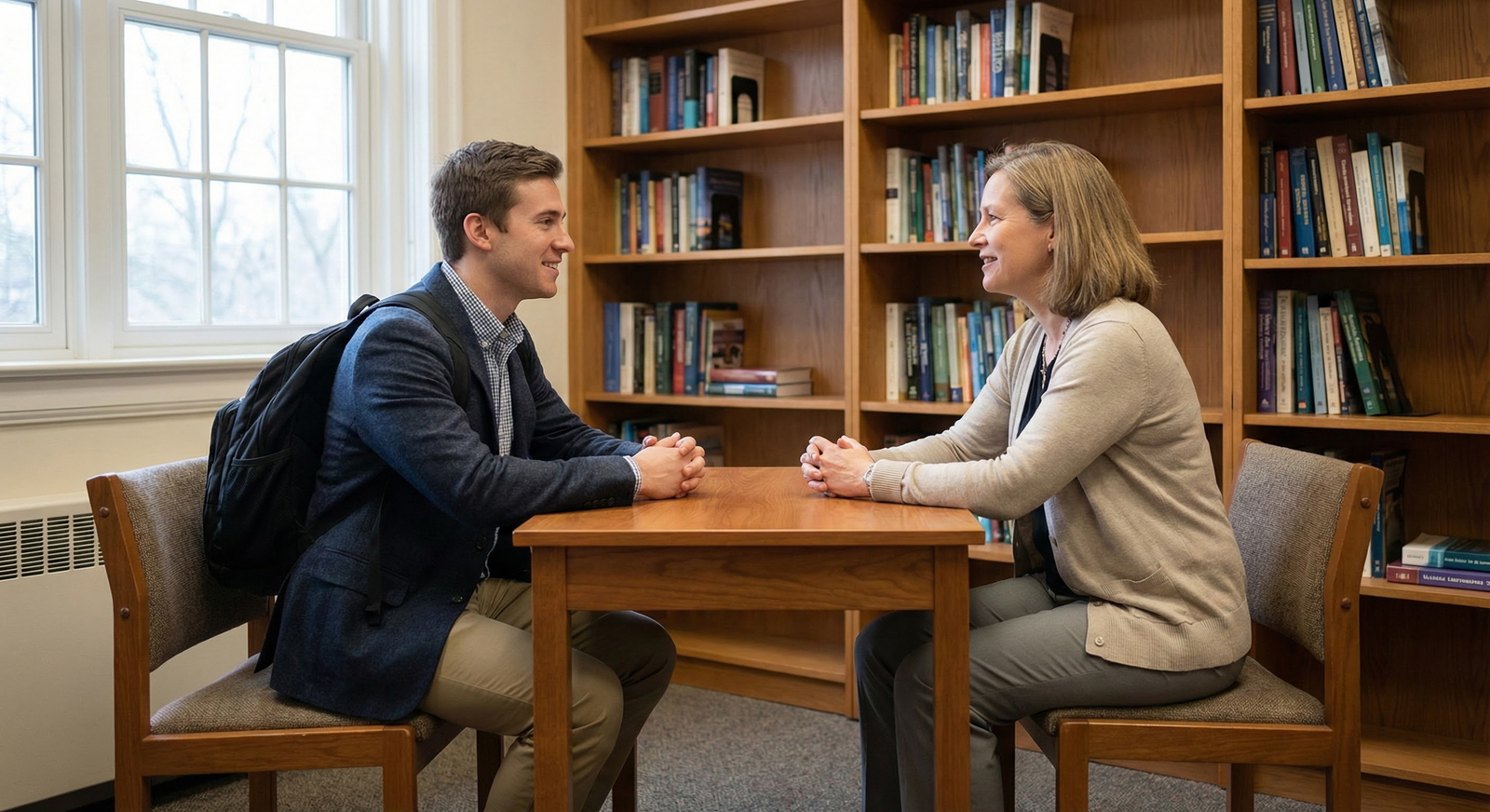
Mentorship (Faculty, Residents, Senior Students)
Mentors can:- Normalize your experience (“I failed that exam once too; here’s what I did next.”)
- Offer perspective on what truly matters long term
- Help you strategize for boards and residency without panic
Non-Medical Friends and Family
Maintain at least one or two relationships outside medicine:- They remind you that you’re more than your last exam score.
- They can talk about anything but school, providing mental rest.
6. Knowing When—and How—to Seek Professional Help
There is a crucial difference between “normal med school stress” and impairing anxiety that warrants professional attention.
Signs It’s Time to Get Help
Consider reaching out to a counselor, psychiatrist, or primary care provider if:
- Anxiety is interfering with your ability to attend class or clinical duties
- You’re experiencing panic attacks or severe physical symptoms regularly
- Your sleep is severely disrupted for more than 2–3 weeks
- You notice persistent hopelessness, loss of motivation, or thoughts of self-harm
- Alcohol or substances are increasingly used to “cope”
Accessing Support in a Medical School Context
Most medical schools provide:
- Confidential counseling services for students
- Referrals to mental health providers who understand training environments
- Workshops on Mindfulness, Stress Management, and resilience
Reaching out does not appear on your transcript or residency application. In fact, learning to manage your mental health is part of professional development as a future physician.
Real-World Case Studies: Anxiety Transformed into Productive Action
Case Study 1: Lisa’s Journey to Mindfulness and Structure
Lisa, a second-year medical student, felt she was always “behind.” Before each exam block, she’d experience racing thoughts, GI upset, and insomnia. Her approach to studying was all-or-nothing: marathon days followed by days of avoidance.
What changed:
- She began with just 5 minutes of guided meditation each night using a mindfulness app focused on anxiety.
- She restructured her study plan:
- 3 Pomodoro blocks of focused Qbank work
- 2 shorter blocks for reviewing lecture content
- She added a nightly wind-down: 10 minutes of stretching and no schoolwork in bed.
Results after several weeks:
- Decreased physical symptoms (less nausea, fewer headaches)
- Improved sleep quality
- More consistent, sustainable studying rather than last-minute cramming
- Better exam performance—not just from more hours, but from higher-quality focus
Lisa’s story highlights how small, consistent habits in Mindfulness and Time Management can significantly change your relationship with anxiety.
Case Study 2: Tom’s Time Management and Support Network
Tom, an M3 starting clinical rotations, felt overwhelmed by balancing patient care, shelf exam prep, and research. He commonly stayed up until 2–3 a.m. studying, then was exhausted and anxious during rounds.
What changed:
- He implemented calendar blocking:
- Early mornings for pre-rounding and patient care
- Post-call afternoons for rest or light review only
- Specific 60-minute blocks for shelf Qbank questions 4–5 days a week
- He joined a small peer study group that met twice weekly to review challenging cases and share resources.
- He set a hard cutoff time for studying (11 p.m. on non-call days) to protect sleep.
Results over time:
- Anxiety around “never doing enough” decreased as his days became more predictable.
- Shelf scores improved as he practiced consistent instead of panic-driven studying.
- He felt less alone, sharing stories and strategies with peers experiencing similar worries.
Tom’s experience demonstrates how structure plus support can transform diffuse anxiety into directed, effective action.

FAQs: Anxiety Management and Productivity in Medical School
Q1: Is it normal to feel anxious almost every day in medical school?
Feeling some level of anxiety is common in medical school due to the constant workload and high expectations. However, if anxiety is:
- Persistent and intense
- Interfering with sleep, relationships, or coursework
- Accompanied by panic attacks, physical symptoms, or depressive thoughts
then it’s important to address it with intentional Stress Management strategies and consider speaking with a mental health professional. “Normal” stress should be manageable and intermittent—not overwhelming and constant.
Q2: What are quick techniques to manage anxiety right before an exam or OSCE?
A few rapid tools you can use in 2–5 minutes:
- 4-7-8 breathing or physiological sighs to calm your nervous system
- Grounding technique: Name 5 things you can see, 4 you can feel, 3 you can hear, 2 you can smell, 1 you can taste
- Reframing: Remind yourself that feeling nervous means your body is preparing to help you focus
- Brief visualization: Picture yourself reading questions calmly and steadily working through them
Practicing these regularly (not just on test day) makes them more effective when you really need them.
Q3: How can I balance productivity with self-care without feeling guilty?
Guilt often comes from the belief, “If I’m not studying, I’m falling behind.” In reality:
- Strategic breaks increase net Productivity by improving focus and memory.
- Exercise, sleep, and social connection are performance-enhancing behaviors, not indulgences.
- You can schedule self-care the way you schedule study blocks—treat it as part of your training, not something extra.
Reframe self-care as a professional responsibility: A burned-out, sleep-deprived physician is not practicing at their best, and that starts in medical school.
Q4: When should I consider professional help instead of just self-help strategies?
Consider seeking counseling, therapy, or medical evaluation when:
- You’ve tried several self-management strategies consistently and still feel overwhelmed.
- Anxiety prevents you from attending classes, rotations, or exams.
- You experience frequent panic attacks or intense physical anxiety symptoms.
- You have thoughts of self-harm, hopelessness, or feeling like others would be better off without you.
Professional help is not a sign of weakness—it is a sign of insight and responsibility, just as you would want your future patients to reach out when they’re struggling.
Q5: Can anxiety ever be beneficial in medical school or my future career?
Yes—as long as it’s in the manageable, moderate range. Benefits can include:
- Increased alertness and focus before important tasks (exams, procedures)
- Motivation to study consistently and maintain a high standard of care
- Heightened sense of responsibility toward patients
The key is to shape your anxiety so that it becomes a source of energy and attention, not paralysis. The strategies in this article—Mindfulness, structured plans, physical health, and robust support networks—are your tools for transforming anxiety into productive action.
Recognizing anxiety as a potential ally rather than an automatic enemy can change the way you move through Medical School. With deliberate Anxiety Management, sustainable study structures, and strong personal and professional support, you can not only survive this intense phase—you can grow through it, developing the resilience and skills you’ll carry into residency and beyond.