Essential Skills Every Pre-Med Student Needs: A Comprehensive, Practical Checklist
Entering the healthcare field as a pre-med student is both an exciting opportunity and a serious commitment. You’re not just preparing to get into medical school—you’re laying the foundation for a lifelong career in medicine and healthcare. That means you need more than good grades; you need a broad set of Pre-Med Skills that support academic excellence, personal development, and readiness for the realities of patient care.
This enhanced checklist expands on the original ideas and adds concrete strategies, examples, and modern student resources to help you actively build each skill. Whether you’re just starting college or already deep into your Medical School Preparation, use this as a roadmap to grow into a competitive, well-rounded applicant—and, ultimately, a compassionate and competent physician.
1. Build a Strong Academic Foundation in the Sciences
A solid academic foundation is the cornerstone of every successful pre-med journey. Medical schools look closely at how you perform in your science courses, but more importantly, these classes teach you how to think like a scientist and future clinician.
Core Science Disciplines to Master
Biology
- Focus on: cell biology, genetics, molecular biology, physiology, and microbiology.
- Why it matters: These concepts reappear constantly in medical school—understanding pathophysiology, pharmacology, and disease mechanisms all depend on a strong bio background.
- Action step: After each major unit (e.g., genetics), explain it aloud to a friend or into your phone as if you’re teaching a patient with no science background. This improves mastery and communication skills at the same time.
Chemistry (General and Organic)
- Focus on: chemical bonding, thermodynamics, acid-base reactions, reaction mechanisms, and stereochemistry.
- Why it matters: Organic chemistry trains you in multistep problem-solving and pattern recognition—similar to diagnosing complex clinical problems.
- Action step: Create reaction “roadmaps” and practice explaining why a particular mechanism proceeds a certain way, not just memorizing the outcome.
Physics
- Focus on: kinematics, forces, fluids, electricity, waves, and optics.
- Why it matters: Many diagnostic tools (e.g., ultrasound, radiology) and physiology concepts (e.g., blood flow, ventilation) are rooted in physics.
- Action step: Apply physics problems to real-world health examples (e.g., blood pressure as fluid dynamics) to give context and boost retention.
Mathematics and Statistics
- Focus on: algebra, basic calculus, and especially statistics and probability.
- Why it matters: You’ll need to interpret research studies, evaluate risk, and understand biostatistics on board exams and in practice.
- Action step: Practice critiquing the “Methods” and “Results” sections of simple research articles or public health reports to see statistics in action.
Smart Study Strategies for Pre-Med Science Courses
Active Learning Over Re-reading
- Use practice questions, teaching others, and concept-mapping instead of just re-reading notes.
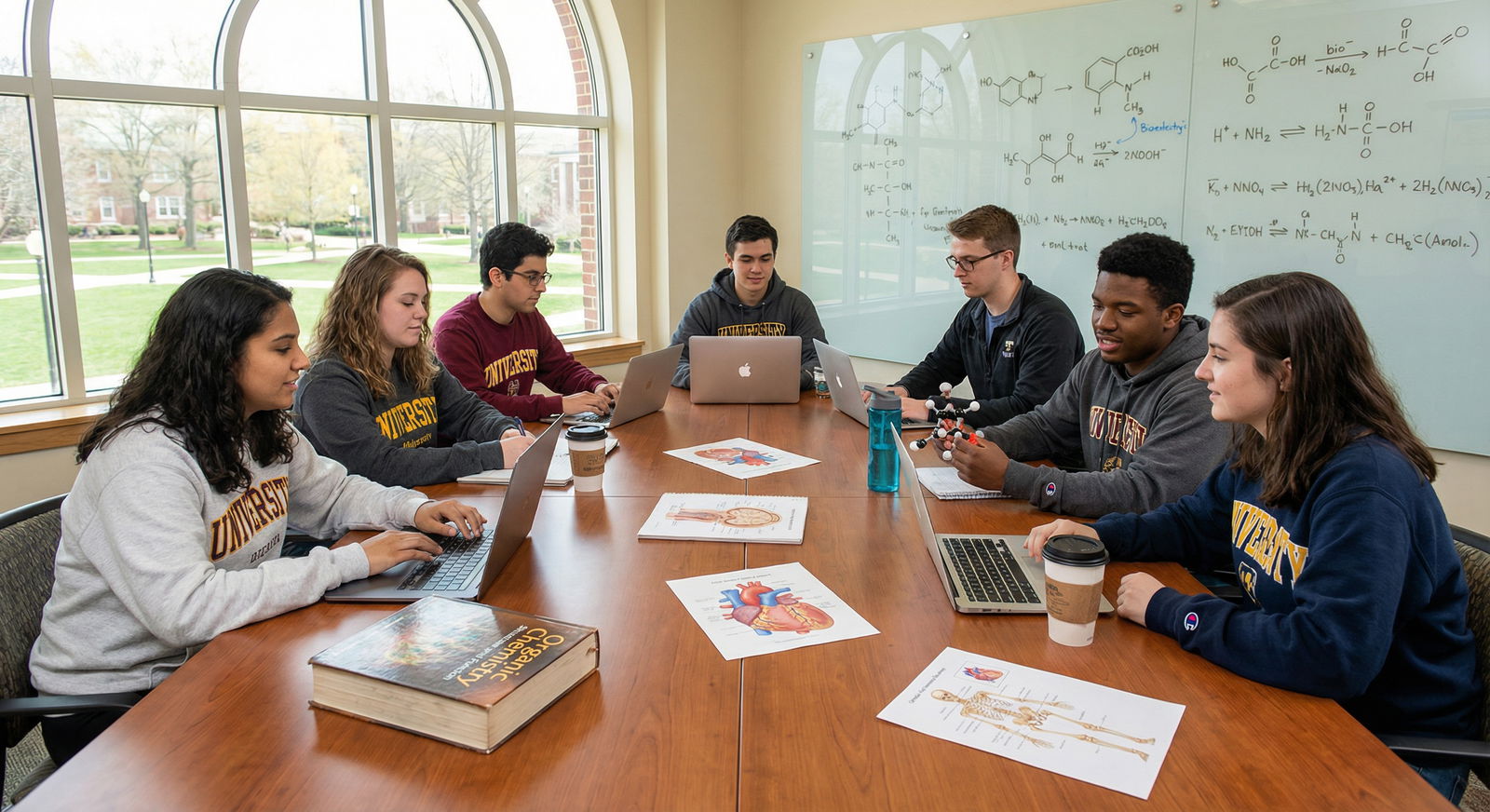
Study Groups
- Form small, focused groups (3–5 students) with clear goals for each session.
- Rotate who explains challenging topics to develop both understanding and communication.
Use Institutional Student Resources
- Seek out:
- STEM tutoring centers
- Office hours with professors or TAs
- Supplemental instruction sessions
- Early use of these resources can prevent small gaps from becoming major obstacles later.
- Seek out:
2. Develop Critical Thinking and Clinical-Style Problem-Solving
Physicians rarely deal with straightforward textbook cases. Patients present with incomplete, conflicting, or confusing information. Learning to think critically and solve complex problems is central to your Healthcare Career development.
What Critical Thinking Looks Like for Pre-Meds
- Breaking complex problems into smaller, manageable questions.
- Considering multiple differential diagnoses or explanations.
- Evaluating evidence and recognizing uncertainty.
- Avoiding snap judgments based on first impressions.
Practical Ways to Strengthen Critical Thinking
Case-Based Learning
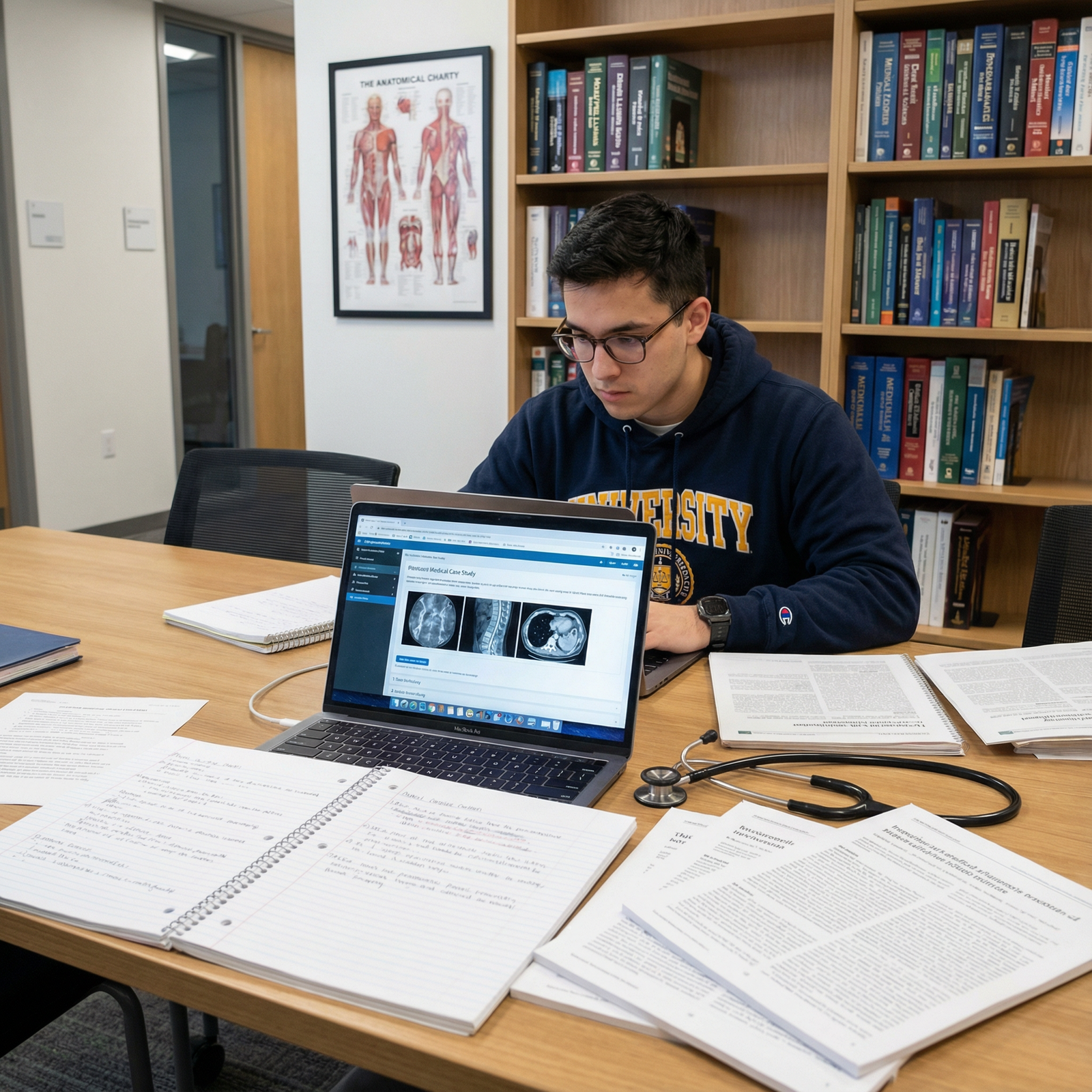
- Regularly work through clinical vignettes (e.g., from MCAT prep books, online question banks, or case study collections).
- Ask yourself:
- What is the main problem?
- What additional information would I want?
- What are the top 3 possible explanations?
- What tests or next steps are reasonable?
Research Participation
- Join a lab or clinical research project where you can:
- Formulate hypotheses.
- Collect and analyze data.
- Interpret unexpected results.
- This process trains you to handle ambiguity and failure—both common in medicine.
- Join a lab or clinical research project where you can:
Shadowing with Intentional Observation
- Don’t just watch. Ask (at appropriate times):
- “What were you thinking about when you chose that test?”
- “What other conditions did you consider?”
- Afterward, jot down a brief reflection: What was the clinical question, what information was gathered, and how was the final decision made?
- Don’t just watch. Ask (at appropriate times):
Critical Appraisal of Information
- Get into the habit of asking:
- Who created this content or study?
- What’s the sample size, and are there limitations?
- Is this evidence strong enough to change practice?
- Get into the habit of asking:
3. Master Time Management and Sustainable Productivity
Medical training is intense, and Medical School Preparation starts now. If you can’t manage your time effectively as a pre-med, you’ll struggle when responsibilities multiply in medical school and residency.
Core Time Management Principles
Plan with a Weekly Overview and Daily Detail
- Design a weekly template blocking out:
- Class and lab times
- Study blocks
- Work/volunteering
- Exercise, meals, and sleep
- Each evening, create a short, prioritized task list for the next day.
- Design a weekly template blocking out:
Use Evidence-Based Productivity Techniques
- Pomodoro Technique: 25 minutes of focused work, 5-minute break; longer break after 3–4 cycles.
- Task Batching: Group similar tasks (e.g., email, Anki review, lab analysis) to avoid constant context switching.
- Timeboxing: Assign specific time slots for major tasks to prevent them from expanding endlessly.
Prioritization Framework
- Ask:
- Is this urgent?
- Is this important for my long-term goals (GPA, MCAT, clinical exposure, wellbeing)?
- Use the “big rocks first” approach: schedule the most important, demanding tasks early in the day when your energy is highest.
- Ask:
Tools and Student Resources for Organization
Digital Tools
- Google Calendar or Outlook for schedule and reminders.
- Notion, Trello, or Todoist for task management and project tracking.
- Anki or other spaced-repetition apps for long-term retention of high-yield facts.
Boundaries and Burnout Prevention
- Schedule non-negotiable rest periods each week.
- Treat sleep (7–9 hours/night) as a core responsibility, not a luxury.
- If you’re consistently overwhelmed, meet with:
- An academic advisor
- Counseling services
- A pre-health advisor
- Learning to ask for help is a professional strength, not a weakness.
4. Strengthen Interpersonal Skills and Professional Communication
Medicine is fundamentally about people. You’ll be working with patients, families, colleagues, nurses, techs, and other professionals from diverse backgrounds. Strong interpersonal skills are essential both for admissions and for your future clinical practice.
Key Communication and Interpersonal Competencies
- Active Listening
- Maintain eye contact, avoid interrupting, and periodically restate what you’ve heard: “So what I’m hearing is…”
- Empathy and Compassion
- Try to understand what others are feeling, not just what they are saying.
- Clarity and Brevity
- Practice explaining complex ideas (like a disease process) in plain language.
- Professionalism
- Be punctual, reliable, respectful, and mindful of confidentiality in all settings.
Ways to Build Interpersonal Skills
Volunteer and Community Engagement
- Roles that involve direct interaction—patient transport, clinic intake, crisis hotlines, health education outreach—force you to practice real-world communication.
- Reflect on challenging encounters: What went well? What could you have said differently?
Role-Play and Simulation
- Join pre-health organizations that offer mock patient interviews or standardized patient interactions.
- Practice difficult conversations: delivering bad news as a student leader, mediating group conflicts, or advocating for a cause.
Emotional Intelligence and Feedback
- Ask trusted mentors or supervisors: “How do I come across in group settings? Is there anything I could improve in how I communicate?”
- Be open to constructive criticism; admissions committees value applicants who can self-reflect and grow.
5. Grow Research and Analytical Skills for Evidence-Based Practice
Modern medicine relies heavily on scientific evidence. Whether you pursue academic medicine or community practice, you’ll need to understand and apply research.
Why Research Experience Matters
- Develops structured problem-solving skills.
- Signals intellectual curiosity and perseverance.
- Helps you evaluate new treatments and guidelines throughout your career.
- Can lead to posters, presentations, or publications that strengthen your application.
How to Get Started with Research
Find a Mentor or Lab
- Explore your university’s department websites (biology, chemistry, public health, psychology, etc.).
- Email potential mentors with:
- A brief introduction
- Why their work interests you
- Your availability and skills
- Be patient and professional; positions are sometimes limited.
Get Hands-On Experience
- Bench research: experiments, data collection, lab techniques.
- Clinical research: chart review, survey studies, quality improvement projects.
- Public health research: community interventions, epidemiological analysis.
Read and Analyze Scientific Literature
- Start with review articles to gain big-picture understanding.
- Move to primary research:
- Identify the research question.
- Understand the study design (RCT, cohort, case-control, etc.).
- Interpret graphs and tables.
- Try writing your own one-paragraph summary of the article focusing on question, methods, key results, and limitations.
6. Gain Clinical Exposure and Real-World Healthcare Experience
Clinical exposure bridges the gap between classroom learning and real patient care. It also helps you confirm that a Healthcare Career as a physician is truly right for you.
Types of Clinical Experiences
Physician Shadowing
- Observe physicians in different specialties (family medicine, internal medicine, surgery, pediatrics, etc.).
- Take brief, de-identified notes on:
- Types of cases seen
- Communication styles
- How uncertainty or conflict is handled
Clinical Volunteering
- Hospital volunteer, clinic assistant, emergency department volunteer, hospice visitor, or nursing home support.
- Focus on roles with patient contact rather than purely administrative tasks, if possible.
Medical Scribing or Clinical Employment
- Positions like medical scribe, EMT, medical assistant, or phlebotomist offer intense immersion and responsibility.
- These jobs develop documentation skills, medical vocabulary, and teamwork under pressure.
Making the Most of Clinical Experiences
- Arrive early, be presentable, and follow all confidentiality and professionalism standards.
- Ask reflective questions:
- “What aspects of this physician’s work do I find most appealing?”
- “What was emotionally challenging about today’s experience?”
- Keep a confidential reflection journal—this will be invaluable for your personal statement and interviews later.
7. Develop Cultural Competence and Advocacy Mindset
You will care for patients with different backgrounds, identities, beliefs, and experiences. Cultural competence is not optional—it is essential to providing safe, respectful, and effective care.
Components of Cultural Competence
- Awareness of your own biases and assumptions.
- Willingness to learn about others’ values and experiences.
- Respectful communication across language and cultural barriers.
- Understanding how social determinants of health (housing, income, education, racism, immigration status) impact wellbeing.
Strategies to Build Cultural Competence
- Intentional Exposure
- Volunteer in free clinics, community health centers, shelters, or organizations serving refugees, immigrants, and other marginalized groups.
- Formal Learning
- Take courses in medical anthropology, sociology, public health, or ethnic studies.
- Attend diversity, equity, and inclusion workshops offered on campus.
- Community Collaboration
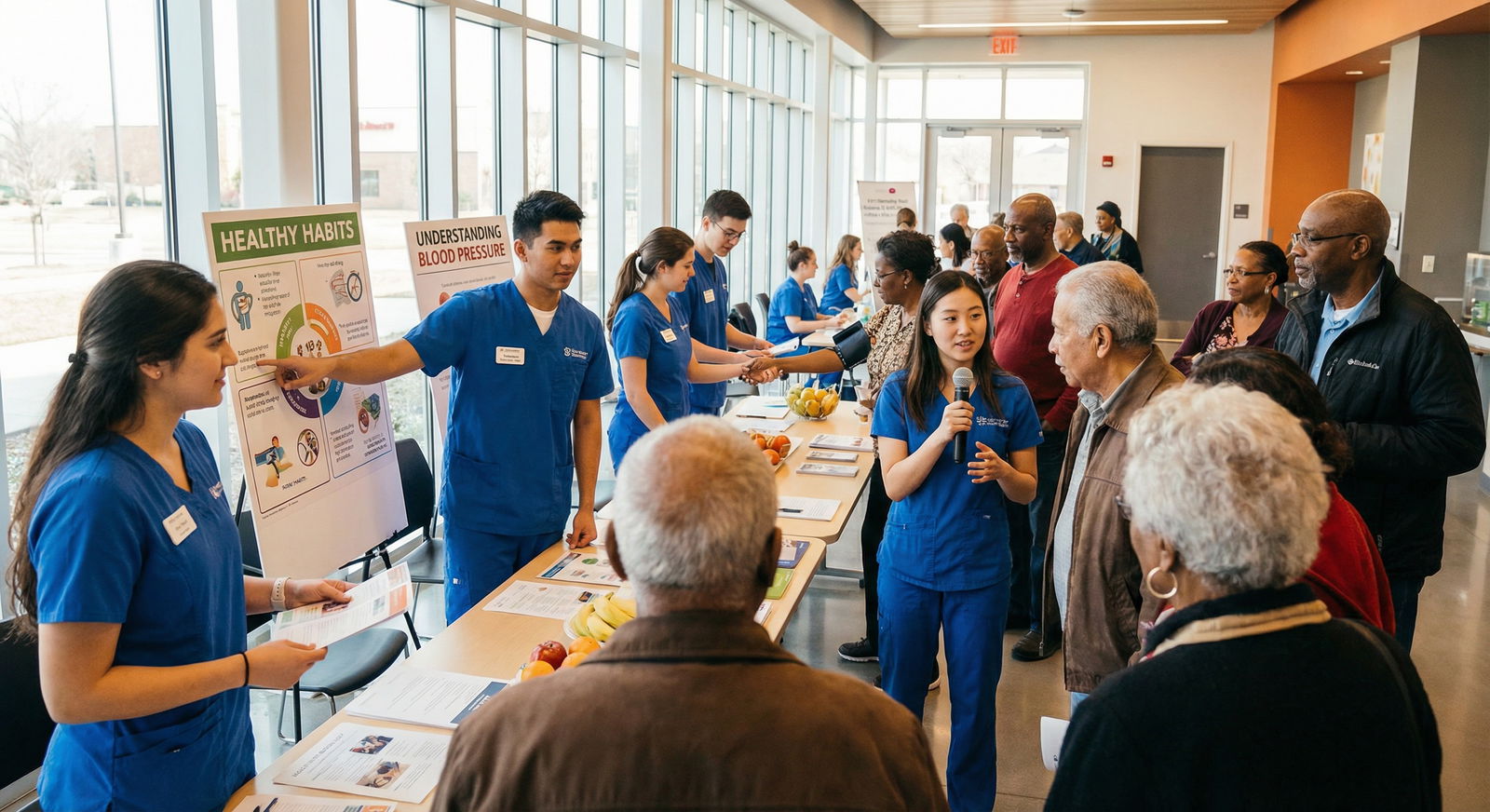
- Partner with student organizations or community groups to plan health fairs, screenings, or education events.
- Listen more than you speak. Ask what the community sees as priorities instead of assuming.
8. Cultivate Resilience, Self-Care, and Stress Management
The road from pre-med to physician is long and demanding. Personal Development in the form of resilience, coping skills, and mental health awareness is crucial, not optional.
Understanding Resilience in Medicine
Resilience doesn’t mean never feeling stressed or overwhelmed. It means:
- Recognizing your limits.
- Recovering from setbacks.
- Reaching out for support.
- Adapting strategies when things don’t go as planned.
Practical Stress Management Techniques
Mindfulness Practices
- Short exercises: 5 minutes of focused breathing, guided meditations, body scans.
- Apps such as Headspace, Calm, or Insight Timer can help establish a routine.
Physical Health Habits
- Regular exercise (even 20–30 minutes, 3 times per week).
- Balanced nutrition (don’t skip meals during busy weeks).
- Consistent sleep schedule when possible.
Social Support
- Maintain relationships outside of pre-med circles for perspective.
- Join peer support or pre-med mentorship programs.
Professional Support
- If you experience persistent anxiety, depression, or burnout symptoms, contact campus counseling or mental health services.
- Remember: seeking help is a professional skill and models the behavior you’ll encourage in future patients.
9. Build Networking and Mentorship Relationships
Your path in medicine will be shaped not only by what you know but by who helps guide you along the way. Networking is about building genuine, mutually respectful relationships—not transactional interactions.
Forms of Professional Connection
Faculty Mentors
- Science professors, research PIs, and pre-health advisors.
- They can provide letters of recommendation, career guidance, and opportunities.
Physician and Resident Mentors
- Offer an inside view of specific specialties and life as a clinician.
- Many medical schools and hospitals host mentorship programs for pre-meds.
Peer Networks
- Older pre-meds, current medical students, and recent graduates who can share practical advice and strategies.
Effective Networking Strategies
Join pre-med organizations, honor societies, and interest groups on campus.
Attend talks, workshops, and career panels; introduce yourself afterward with a specific question or follow-up.
Use professional platforms (like LinkedIn) thoughtfully:
- Maintain a professional profile.
- Post about academic achievements, research, or volunteering.
- Reach out to alumni for informational interviews.
Follow-up etiquette:
- Send a brief thank-you email after meetings or shadowing experiences.
- Periodically update mentors on your progress and goals.
10. Practice Leadership and Initiative in Real Settings
Physicians routinely lead teams, coordinate care, and advocate for patients and systems change. Leadership is therefore a core Pre-Med Skill and a major asset on your application.
What Real Leadership Looks Like for Pre-Meds
- Taking responsibility for outcomes, not just titles.
- Listening to team members and distributing tasks fairly.
- Staying calm and solution-focused when things go wrong.
- Advocating for others, especially those whose voices may be overlooked.
Opportunities to Develop Leadership
Campus Organizations
- Serve as an officer in a pre-med club, cultural organization, or service group.
- Lead initiatives like health education events or fundraising for medical charities.
Community Projects
- Organize a vaccination awareness campaign, health literacy workshop, or donation drive.
- Partner with local schools or community centers for sustainable outreach.
Academic Leadership
- Tutor or mentor younger students in challenging courses.
- Help organize review sessions or peer-led study groups.
Reflection on Leadership Experiences
- After major projects or roles, ask:
- What did I learn about my strengths and weaknesses?
- How did I respond when plans didn’t work?
- How did I support my team?
- After major projects or roles, ask:
These reflections will translate directly into strong application essays and meaningful interview stories.
FAQ: Essential Skills and Preparation Tips for Pre-Med Students
1. What are the most critical skills for success in medical school and beyond?
The most critical skills blend academics and personal development:
- Strong science foundation (biology, chemistry, physics, statistics)
- Critical thinking and problem-solving using evidence
- Clear, compassionate communication and interpersonal skills
- Effective time management and resilience
- Cultural competence and ethical professionalism
These abilities support you not only in admissions but also in clinical rotations, residency, and long-term practice.
2. How can I realistically improve my time management as a busy pre-med?
Start small and be consistent:
- Use a single calendar for all commitments (classes, labs, work, volunteering, exams).
- Create weekly study blocks for each major course and protect them like appointments.
- Break large tasks (e.g., “prepare for organic exam”) into smaller pieces (e.g., “do 30 practice problems on substitution/elimination”).
- Review your week every Sunday: What worked? What didn’t? Adjust accordingly.
Over time, these small adjustments compound into major productivity gains.
3. What types of volunteer and clinical experiences are most valuable for medical school applications?
Look for experiences that involve:
- Direct patient or community interaction (e.g., hospital volunteer, clinic assistant, crisis hotline, hospice).
- Exposure to healthcare teams and physician roles (shadowing, scribing, medical assistant).
- Service to underserved or marginalized populations.
Depth often matters more than quantity: Long-term commitment in a few meaningful roles is more impactful than a long list of brief or superficial activities.
4. Is research experience required for medical school, and how much is enough?
Research is not strictly required at every school, but it is highly valued and expected at many, especially research-intensive (MD) programs. “Enough” research is:
- At least 1–2 semesters (or a summer) of consistent involvement.
- A clear understanding of the project’s goals, methods, and implications.
- Ideally, a tangible output: a poster, presentation, or publication—but thoughtful reflection on your contributions is just as important.
If research opportunities are limited at your institution, you can explore options at nearby universities, hospitals, or summer research programs.
5. How can I start building cultural competence and empathy as a pre-med?
- Volunteer in settings that serve diverse communities (free clinics, community centers, immigrant or refugee support organizations).
- Take courses or attend workshops on health disparities, social determinants of health, and medical ethics.
- Seek out books, podcasts, and narratives from patients and physicians of different backgrounds.
- Reflect regularly: When did I make assumptions? How can I ask better questions and listen more deeply next time?
Cultural competence is an ongoing practice, not a box to check—start now and continue learning throughout your career.
By intentionally cultivating these Pre-Med Skills—academic excellence, critical thinking, communication, resilience, cultural competence, leadership, and more—you’re not just boosting your chances of admission. You’re building the mindset and toolkit you’ll rely on throughout your Healthcare Career. Use this checklist as a living guide: revisit it regularly, identify your strengths and growth areas, and commit to continuous personal development as you move from pre-med to medical school and beyond.