Introduction: Burnout in the Reality of Medical School
Medical school is often described as a marathon rather than a sprint—years of intense studying, clinical rotations, exams, and emotional encounters with patients. For many medical students, this relentless pace comes with a hidden cost: burnout.
Burnout is more than “being tired” or “having a rough week.” It is a state of emotional, mental, and physical exhaustion linked to chronic, unmanaged stress. In the context of medical training, burnout can impact not only academic performance and relationships but also mental health, patient safety, and long-term career satisfaction.
This guide is designed specifically for medical students. You’ll learn how to:
- Recognize early and advanced symptoms of burnout
- Understand how burnout differs from normal stress or depression
- Apply practical, evidence-informed strategies for stress management and self-care
- Know when (and how) to seek support from mentors, peers, and professionals
“Burnout is not a sign of weakness, but a sign that you’ve been strong for too long.” This quote captures a key truth: burnout is a response to chronic pressure, not a personal failing.
Understanding Burnout in Medical Students
What Is Burnout?
The World Health Organization defines burnout as an occupational phenomenon characterized by three core dimensions:
Emotional Exhaustion
- Feeling drained, depleted, and “empty” most of the time
- Loss of energy or enthusiasm, even for things you used to enjoy
- Difficulty recovering even after rest or time off
Depersonalization (or Cynicism)
- Increasingly negative, detached, or cynical attitude toward studies, patients, or colleagues
- Feeling emotionally numb or indifferent during patient encounters
- Using dark humor or sarcasm as a primary coping mechanism to deal with distress
Reduced Sense of Personal Accomplishment
- Feeling ineffective or like you are constantly falling short
- Believing that you are not “good enough” to be a doctor, even with evidence of success
- Minimizing your achievements and focusing almost exclusively on failures
Among medical students, burnout can:
- Lower exam performance and clinical efficiency
- Impair empathy and communication with patients
- Increase the risk of depression, anxiety, and substance use
- Contribute to thoughts of dropping out—or worse, suicidal ideation
Recognizing burnout early is a critical form of self-care and a core professional responsibility. It’s part of safeguarding your long-term mental health and ability to care for others.
Burnout vs. Normal Stress vs. Depression
Medical school is demanding; feeling stressed before exams or OSCEs is expected. But not all stress is burnout.
Short-term stress
- Usually tied to a specific event (e.g., Step exam, clerkship shelf exams)
- Waxes and wanes after pressures ease
- You still feel excitement or satisfaction when you meet goals
Burnout
- Chronic and persistent; doesn’t resolve after one test or rotation ends
- Comes with a pervasive sense of exhaustion and cynicism
- You may still “function,” but feel hollow, disengaged, or deeply unfulfilled
Depression
- Can overlap with burnout but includes symptoms like pervasive sadness, loss of interest in almost all activities, changes in appetite, and sometimes suicidal thoughts
- Often affects multiple domains of life (not just school or work)
- Requires prompt professional evaluation and treatment
If you’re not sure which applies to you, that’s a signal in itself: talk to a trusted physician, counselor, or mental health professional. You don’t have to self-diagnose alone.
Recognizing Burnout Symptoms in Yourself
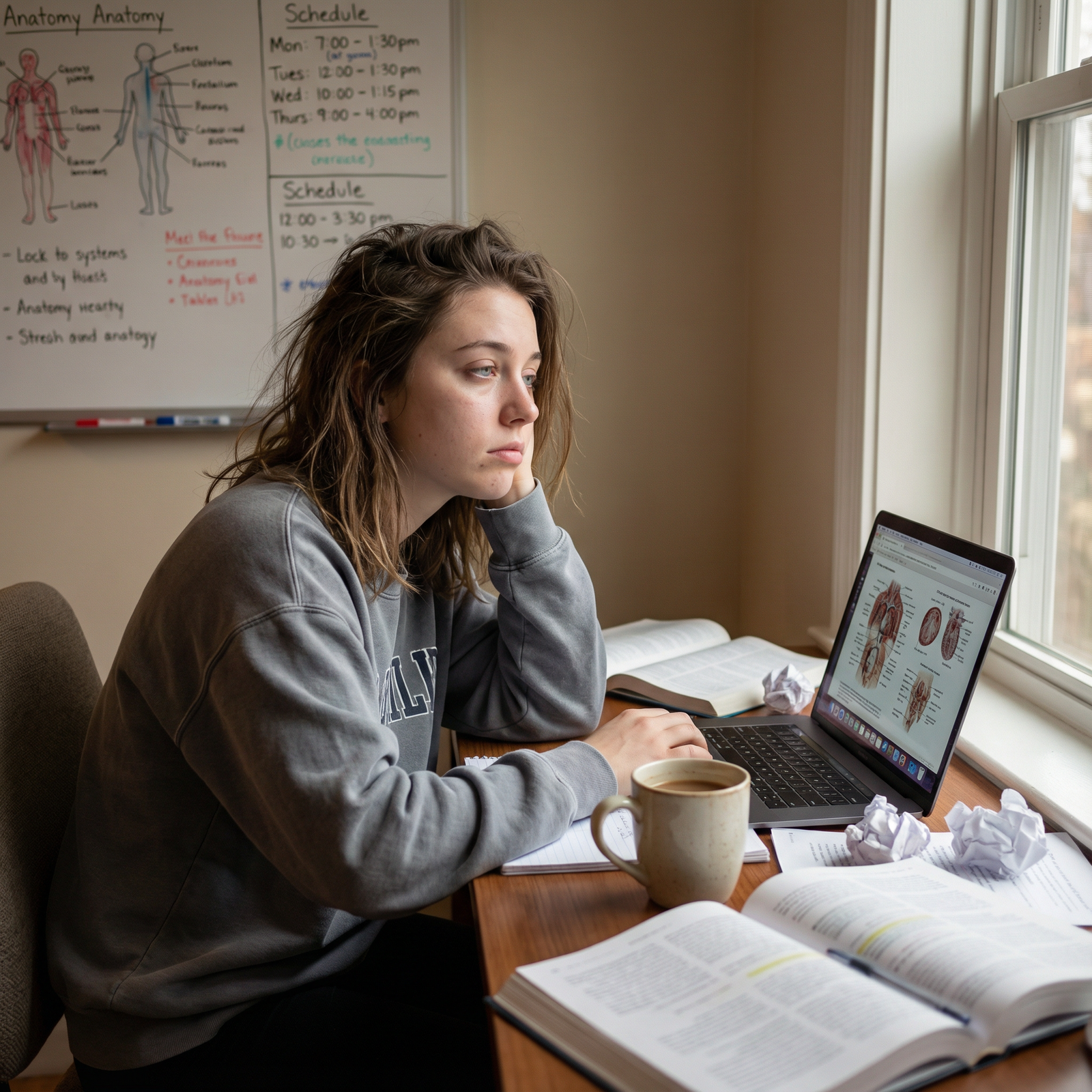
As a future physician, you’re trained to detect subtle changes in your patients’ health. Unfortunately, many medical students struggle to apply that same clinical curiosity to themselves.
Pay attention to changes in physical, emotional, cognitive, and behavioral domains. Burnout rarely appears all at once—it accumulates.
Physical Symptoms of Burnout
Chronic Fatigue
- Feeling tired from the moment you wake up
- Needing multiple cups of coffee just to feel “normal”
- Getting through the day feels like “pushing through mud”
Sleep Disturbances
- Insomnia, difficulty falling or staying asleep
- Frequent awakenings or realistic dreams about exams or patients
- Sleeping too much on weekends but never feeling rested
Somatic Complaints
- Frequent tension headaches, jaw clenching, or neck/shoulder pain
- Gastrointestinal issues: nausea, decreased appetite, or “stress stomach”
- Increased frequency of colds or minor illnesses due to impaired immunity
Emotional Symptoms of Burnout
Irritability and Frustration
- Snapping at classmates, family, or partners over small issues
- Feeling annoyed by patients, attendings, or institutional policies
- Low tolerance for delays, mistakes, or uncertainty
Feelings of Helplessness or Hopelessness
- “No matter what I do, it’s never enough.”
- Dread about going to the hospital, lab, or lectures
- Questioning why you chose medicine in the first place
Loss of Passion and Joy
- Previously fulfilling tasks now feel meaningless
- Diminished excitement about milestones or achievements
- Feeling emotionally numb in situations that used to move you
Cognitive Symptoms of Burnout
Decreased Concentration and Focus
- Rereading the same page over and over without absorbing content
- Mind wandering during patient encounters or teaching rounds
- Struggling to retain even familiar information
Forgetfulness and Cognitive Slowing
- Missing deadlines, forgetting labs, or overlooking assignments
- Taking longer than usual to reason through clinical problems
- Trouble recalling facts you once knew cold
Self-Doubt and Impostor Thoughts
- Persistent feeling you don’t belong in medicine
- Comparing yourself harshly to peers who seem more “together”
- Interpreting any mistake as evidence you’re not cut out for this
Behavioral Signs You Shouldn’t Ignore
Social Withdrawal
- Canceling plans, avoiding group study, ghosting friends or family
- Spending most of your free time scrolling or zoning out
- Feeling like no one would understand if you tried to talk
Unhealthy Coping Strategies
- Increased use of alcohol, nicotine, or other substances to “unwind”
- Emotional eating or skipping meals without noticing
- Excessive gaming, social media, or streaming to escape reality
Decline in Academic or Clinical Engagement
- Frequently arriving late, missing lectures, or skipping clinical duties
- Minimal participation in discussions or rounding
- Doing the bare minimum to get by
Recognizing these patterns is not about blaming yourself; it’s about early identification so you can intervene before burnout escalates.
Case Study: Recognizing Burnout Early
Consider Sarah, a second-year medical student. At first, she loved physiology and couldn’t wait for her clinical years. But as Step exams approached:
- She studied late into the night yet felt she retained almost nothing.
- Her once-organized planner became cluttered with missed deadlines.
- She started snapping at her roommate and stopped going to weekly dinners with friends.
- Even when she wasn’t studying, she felt guilty and anxious.
One day, Sarah realized she hadn’t truly laughed in weeks. That realization itself was a red flag. She reached out to a trusted mentor, who normalized her experience, helped her recognize burnout, and connected her with campus counseling. With support, she adjusted her schedule, reintroduced exercise, and developed healthier study strategies.
Sarah’s story is common—and it highlights an important truth: catching burnout early can prevent deeper crises down the line.
Addressing Burnout: Practical Strategies for Medical Students
Recognizing burnout is only half the work; you also need concrete steps to address it. The following strategies are designed to be realistic for medical school life and exams, not idealized “wellness” routines that ignore your actual schedule.
1. Self-Reflection: Conducting a Personal “Clinical Assessment”
Start by turning your clinical lens inward. Just as you’d take a patient’s history, you can take your own.
Ask yourself:
- Timeline: When did I start feeling this way? Did anything specific change—new rotation, relationship stress, board studying, financial strain?
- Patterns: Are certain rotations, people, environments, or tasks consistently draining? What, if anything, still gives me energy?
- Impact: How are my sleep, appetite, performance, and relationships being affected?
- Values: Why did I choose medicine? Which parts of medicine still feel meaningful?
Practical tools:
- Burnout or stress inventories: Use simple self-assessment tools like the Maslach Burnout Inventory–Student Survey (MBI-SS) or brief online screening tools if available at your institution.
- Journaling: Spend 5–10 minutes each night noting mood, stressors, and what helped or hurt that day. Over a week, patterns usually emerge.
- Check-ins with yourself: Once a week, ask, “If a patient described my current life, what would I recommend?”
Self-awareness is the starting point for strategic change, not self-criticism.
2. Seek Support: You Are Not Meant to Do This Alone
An individual approach is rarely enough. Burnout is often tied to systemic issues—workload, culture, hidden curriculum—so you need a community and professional support.
Sources of Support
Peer Support
- Join or form wellness or peer support groups within your class.
- Share stories; you’ll often realize you’re not the only one feeling this way.
- Study with peers who promote healthy habits rather than glorifying all-nighters.
Mentors and Faculty Advisors
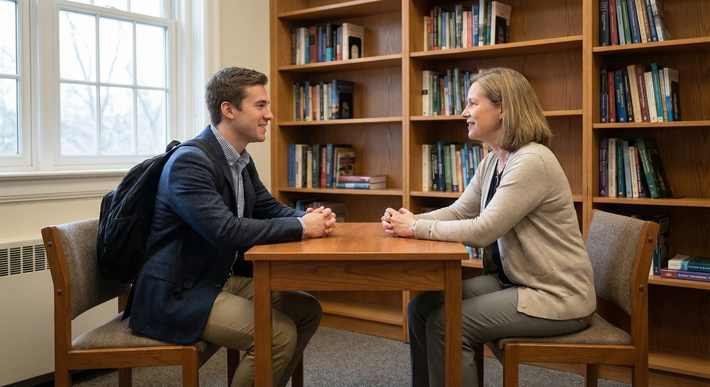
- Schedule a meeting with a mentor, advisor, or clerkship director you trust.
- Be candid about your workload and distress; they may suggest schedule adjustments, academic accommodations, or alternative strategies.
Institutional Resources
- Most medical schools offer confidential counseling or student mental health services, often free or low-cost.
- Some have wellness offices, resilience curricula, or support for students after adverse clinical events.
External Supports
- National organizations (e.g., AAMC, AMA) often provide wellness resources tailored to medical students.
- Local or online therapy resources if campus support is limited.
Remember: discussing burnout and mental health is a mark of professionalism and insight, not weakness. Physicians who get help earlier are often healthier and more effective in the long run.
3. Mindfulness, Self-Care, and Evidence-Based Stress Management
Mindfulness and self-care are frequently mentioned—but they must be realistic and individualized to be useful.
Mindfulness Practices for Busy Medical Students
Micro-meditations (1–3 minutes)
- Before entering a patient’s room, take 3 slow breaths and consciously “arrive” in the moment.
- Between study blocks, close your eyes, inhale for a count of 4, exhale for a count of 6, and repeat.
Guided Meditations and Apps
- Use apps like Headspace, Calm, Insight Timer, or institution-provided resources for short, medically oriented mindfulness sessions.
- Try a 5–10 minute session before bed to transition out of “study mode.”
Mindful Walking
- On your way to the hospital or library, put your phone away for a few minutes and focus on your breath, your footsteps, and your surroundings.
Core Self-Care Habits
Exercise
- Aim for 20–30 minutes of movement 3–5 times per week, not perfection.
- Walk briskly between hospital and housing, use stairs, or do short bodyweight circuits at home.
- Remember: something is better than nothing.
Nutrition
- Keep quick, healthy snacks on hand (nuts, fruit, yogurt, granola bars) to avoid relying solely on vending machines or energy drinks.
- Plan simple meals for busy weeks—frozen vegetables plus a protein can be enough.
Sleep Hygiene
- Protect a core sleep window when possible (e.g., 11 PM–6 AM on non-call nights).
- Limit late-night phone/laptop use; use blue-light filters if you must study late.
- Even during intense exam prep, an extra hour of sleep is often more valuable than an extra hour of low-yield, exhausted studying.
Self-care is not indulgent; it’s the basic maintenance required for your brain and body to function at a professional level.
4. Setting Boundaries: Learning to Say “No” Strategically
Medical culture often rewards overcommitment: extra research, multiple leadership roles, endless volunteer hours. But chronic overextension is a direct pathway to burnout.
Practical Boundary Strategies
Audit Your Commitments
- List all your roles: curricular, extracurricular, research, employment, family, etc.
- Identify: What aligns with my values and long-term goals? What drains me without much benefit?
- Decide what can be paused, delegated, or gracefully exited.
Scripted Responses
- “I’d love to help, but I don’t have the bandwidth to take this on right now.”
- “My current responsibilities are at full capacity. Can we revisit this next semester?”
- “Given my schedule and mental health, I need to prioritize fewer commitments.”
Protecting Non-Negotiables
- Schedule sleep, meals, and at least one weekly non-medical activity as you would a mandatory lab.
- Treat your mental health appointments as non-optional professional tasks.
Boundaries are not selfish; they are essential to sustainable practice.
5. Creating a Structured, Flexible Routine
A structured routine can reduce decision fatigue and create a sense of control and predictability.
Building a Realistic Daily Plan
Time-Block Your Day
- Divide time into blocks: classes/rotations, focused study, meals, movement, rest.
- Aim for 25–50 minutes of focused work followed by 5–10 minutes of break (Pomodoro technique).
Prioritize High-Value Tasks
- Identify your top 2–3 essential tasks daily (e.g., Anki, question bank, assigned readings).
- Complete them early whenever possible to reduce lingering anxiety.
Include Recovery Blocks
- Intentionally add short breaks to decompress: a 10-minute walk, stretching, or chatting with a friend.
- Protect at least one block weekly for a hobby or social event.
Consistency doesn’t mean rigidity; adjust as needed for call schedules, exams, and rotations, but keep core anchors (sleep, meals, movement) in place.
6. Maintaining a Life Outside Medicine
Having an identity beyond “medical student” is one of the strongest buffers against burnout.
Hobbies and Creative Outlets
- Music, art, writing, photography, crafting—activities that have nothing to do with grades or evaluations.
- Even 30 minutes a week can provide an important mental reset.
Relationships and Community
- Nurture at least a few relationships where you are seen as a person, not just a future physician.
- Set aside protected time for calls with family or time with friends.
Nature and Physical Space
- Take advantage of green spaces near campus for walks or quiet reflection.
- Design a small, calming study environment—desk plant, minimal clutter, warm light.
You are more than your CV, board score, or clerkship evaluation. Protecting that broader identity supports resilience.
7. When to Seek Professional Help
If your symptoms:
- Persist for weeks despite attempts at self-care
- Interfere significantly with functioning (academics, relationships, self-care)
- Include thoughts of self-harm, hopelessness, or that others would be “better off without you”
…it is essential to seek professional help promptly.
Options include:
- Student mental health services or campus counseling clinics
- Primary care or psychiatry services, especially if you suspect depression, anxiety, or ADHD
- Confidential external therapists if you’re concerned about privacy
Seeking professional support is a courageous and responsible choice. Many medical students and physicians benefit from therapy, medication, or both at some point in their careers.

FAQs: Burnout, Mental Health, and Self-Care in Medical School
1. What are the earliest signs of burnout I should look for as a medical student?
Early warning signs often include:
- Chronic fatigue that doesn’t improve with a weekend off
- Noticeable drop in motivation and interest in your studies
- Irritability with classmates, attendings, or loved ones
- Difficulty concentrating on lectures or reading
- Feeling emotionally “flat” or detached from patients
If you start to feel these changes persistently over weeks, it’s worth pausing, reflecting, and talking with someone you trust.
2. How can I manage my time more effectively to prevent burnout during exam-heavy periods?
Try combining time management with stress management:
- Use time-blocking to schedule study sessions, breaks, meals, and sleep.
- Prioritize high-yield tasks (e.g., question banks, active recall) over endless passive reading.
- Build in planned rest before and after major exams rather than collapsing afterward.
- Avoid multitasking; focus on one task at a time for 25–50 minutes, then break.
- Regularly reassess your schedule—if you’re consistently behind, adjust goals rather than sacrificing sleep indefinitely.
Effective time management is as much about what you say “no” to as what you fit in.
3. How do I know if what I’m experiencing is burnout or something more serious like depression or an anxiety disorder?
There can be overlap, and you do not have to sort this out by yourself. In general:
- Burnout often feels tied to school or work and centers around exhaustion, cynicism, and reduced sense of accomplishment.
- Depression may include persistent low mood, loss of interest in almost all activities, significant changes in sleep/appetite, and feelings of worthlessness or suicidal thoughts.
- Anxiety disorders can involve excessive worry, physical symptoms (racing heart, sweating, GI upset), intrusive thoughts, or panic attacks.
If your mood is persistently low, you’re losing interest in everything, or you have thoughts of self-harm, seek professional evaluation urgently. Early intervention makes a significant difference.
4. Can mindfulness and self-care really help with burnout, or is that just “wellness talk”?
Mindfulness and self-care are not cure-alls, but they are evidence-based components of burnout and stress management:
- Brief, regular mindfulness practices can reduce perceived stress and improve emotional regulation.
- Adequate sleep, physical activity, and nutrition directly influence cognitive performance, memory, and mood.
- These approaches are most effective when combined with structural changes (boundaries, realistic workload, social support), not used as a band-aid for unsafe or unsustainable expectations.
Think of mindfulness and self-care as necessary maintenance, not luxuries.
5. What should I do if I’ve tried multiple strategies and still feel burned out?
If symptoms persist despite attempts to adjust your schedule, practice self-care, and seek peer/mentor support:
- Schedule a formal evaluation with a campus counselor, psychologist, psychiatrist, or primary care provider.
- Discuss whether temporary schedule adjustments, academic accommodations, a leave of absence, or treatment (therapy, medication) might be appropriate.
- Explore whether mismatch exists between your current environment and your needs—sometimes a change in study strategy, rotation site, or specialty interests can be helpful.
Continuing to struggle in silence rarely makes burnout disappear. Involving professionals and your institution can open options you may not realize exist.
Prioritizing your mental health as a medical student is not optional “extra credit”—it’s foundational to the kind of physician you will become. By recognizing burnout early, practicing sustainable stress management and self-care, setting boundaries, and reaching out for support, you can navigate medical school with greater resilience, compassion, and long-term well-being.