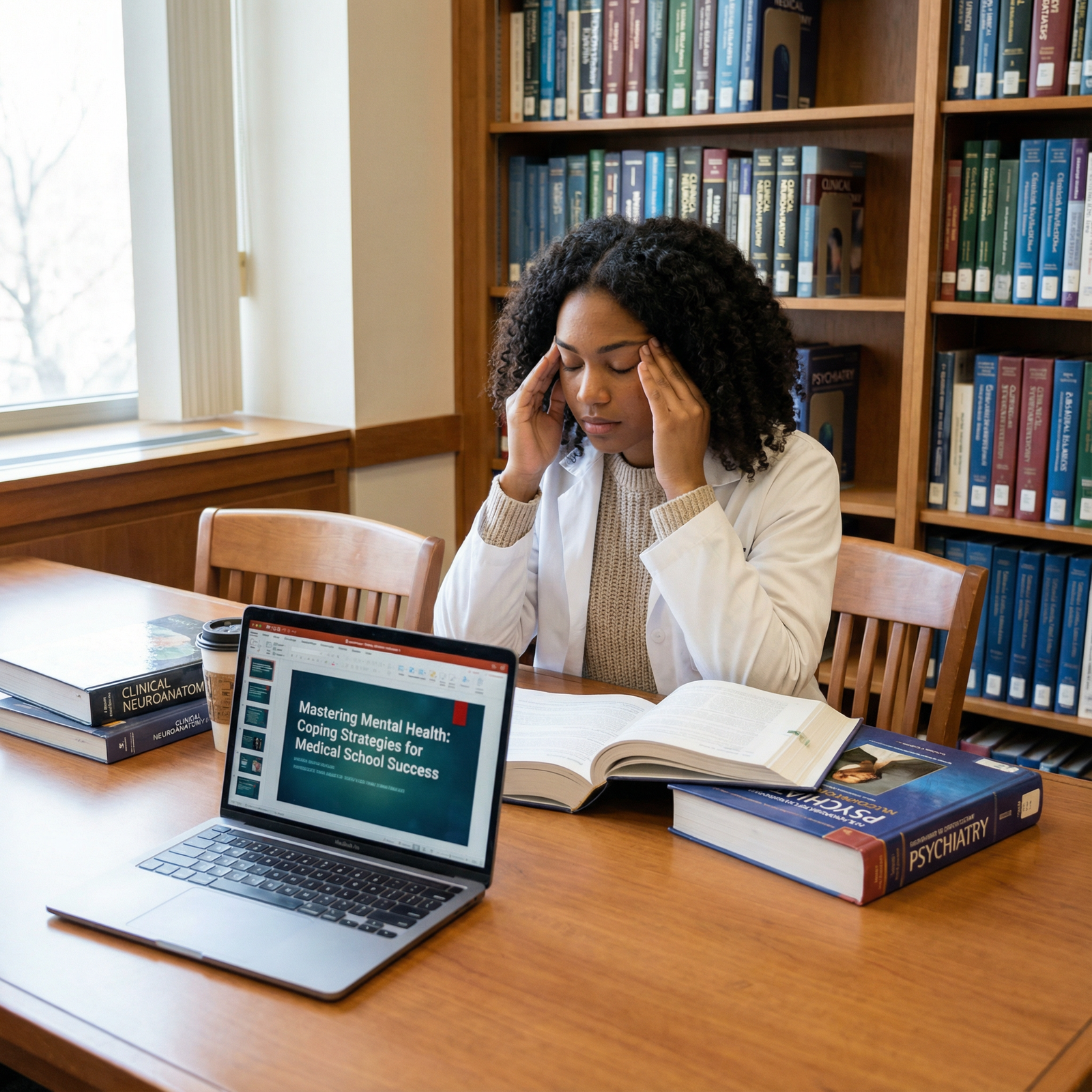
Introduction: The Emotional Reality of Medical School
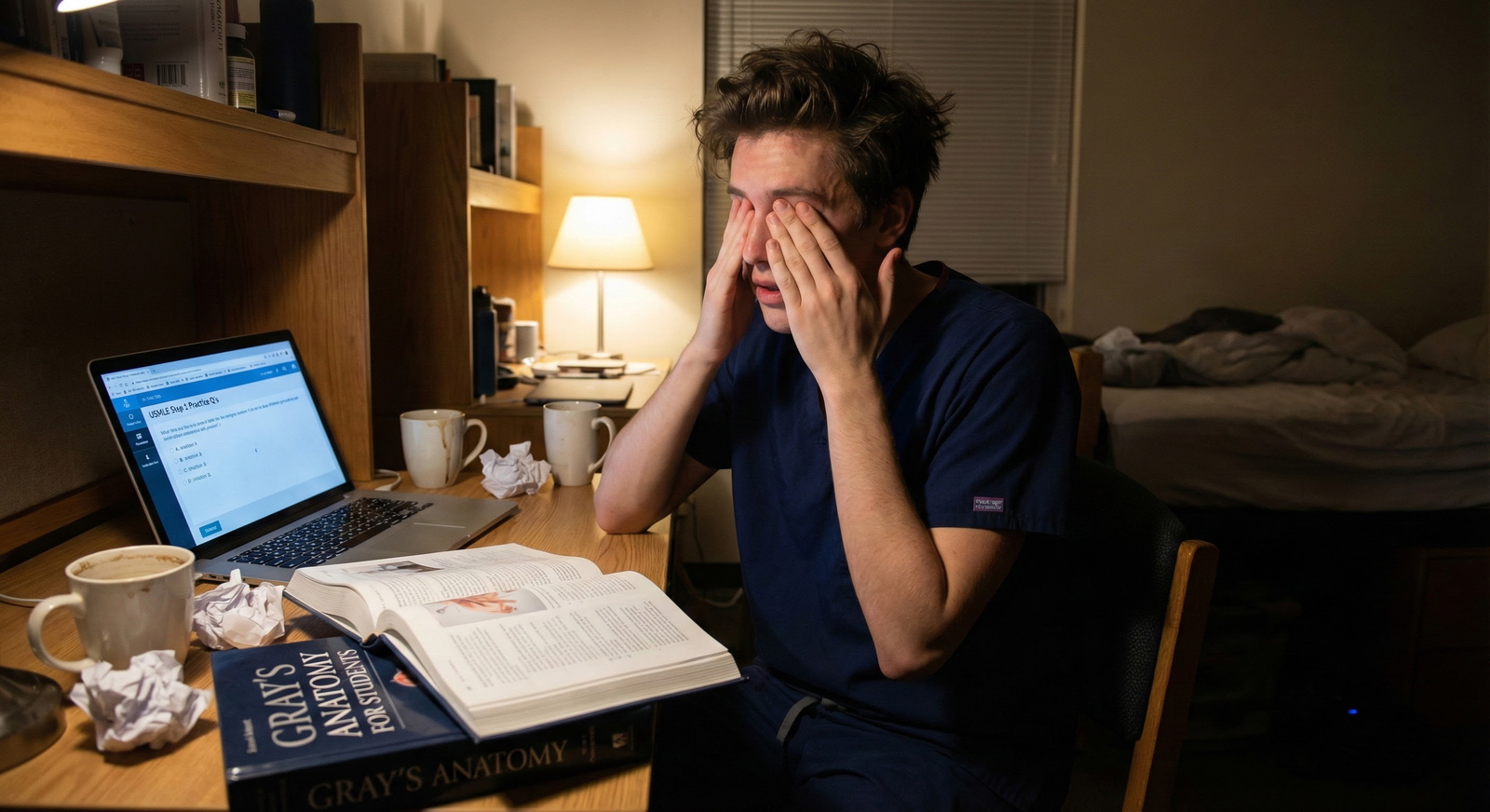
Medical school is both a privilege and a pressure cooker. It represents years of hard work paying off and the beginning of a meaningful career in medicine. Yet behind the white coats, anatomy labs, and exam scores lies a less visible reality: intense emotional strain.
Students juggle heavy academic loads, clinical responsibilities, financial concerns, and the constant pressure to perform. They may witness suffering and death for the first time. They compare themselves to high-achieving peers. They worry about Step scores, research productivity, and residency match outcomes. All of this happens while personal relationships and self-care are often pushed to the margins.
Taking care of your mental health during medical school is not a luxury or a sign of weakness; it is a professional responsibility and a core component of becoming a safe, effective physician. Learning stress management and healthy coping strategies now will protect not only your own well-being, but also your ability to care for patients over a long career.
This article explores the emotional landscape of medical school and offers practical, evidence-informed coping strategies and student support options you can start using immediately.
Understanding the Emotional Landscape of Medical School
Why Medical School Feels Like an Emotional Rollercoaster
Medical training places students in a uniquely high-pressure environment:
- Constant evaluation: Exams, OSCEs, shelf exams, clinical evaluations, research expectations, and residency applications keep students under ongoing scrutiny.
- High-stakes culture: Mistakes may feel catastrophic. Fear of failure, disappointing mentors, or not matching into a desired specialty can amplify anxiety.
- Identity shift: Many students have always been top performers. Medical school may be the first time they’re not at the top of the class, which can challenge their sense of self-worth.
- Exposure to suffering: Clinical rotations introduce students to serious illness, trauma, death, and ethical dilemmas—often with little emotional processing space.
- Reduced time for self-care: Sleep, exercise, hobbies, and relationships can be crowded out by studying and clinical duties.
Understanding that these pressures are built into the system—not a personal failing—helps normalize what you’re feeling and makes it easier to seek help.
Common Emotional Challenges in Medical Training
Anxiety and Performance Pressure
Many medical students live with persistent worry about:
- Exam performance and board scores
- Clinical evaluations and feedback
- Matching into a competitive specialty
- Making errors in patient care
Anxiety may show up as racing thoughts, insomnia, difficulty concentrating, irritability, or physical symptoms (palpitations, GI upset, headaches).
Depression and Low Mood
Chronic stress without adequate recovery can evolve into depressive symptoms:
- Loss of interest in activities you used to enjoy
- Persistent sadness, emptiness, or tearfulness
- Changes in appetite or sleep
- Feelings of worthlessness or excessive guilt
- Difficulty motivating yourself to study or go to clinic
Depression is common among medical students and warrants prompt attention, not self-blame.
Imposter Syndrome
Imposter syndrome is especially prevalent in high-achieving environments like medical school. Common thoughts include:
- “I only got in because of luck or a mistake.”
- “Everyone else belongs here more than I do.”
- “Soon they’ll figure out that I’m not smart enough.”
These thoughts can persist—even in students with objectively strong performance—leading to chronic self-doubt and anxiety.
Burnout and Emotional Exhaustion
Burnout is characterized by:
- Emotional exhaustion: Feeling drained, overwhelmed, unable to cope
- Depersonalization: Feeling detached or cynical toward patients or peers
- Reduced sense of accomplishment: Believing your work is ineffective or meaningless
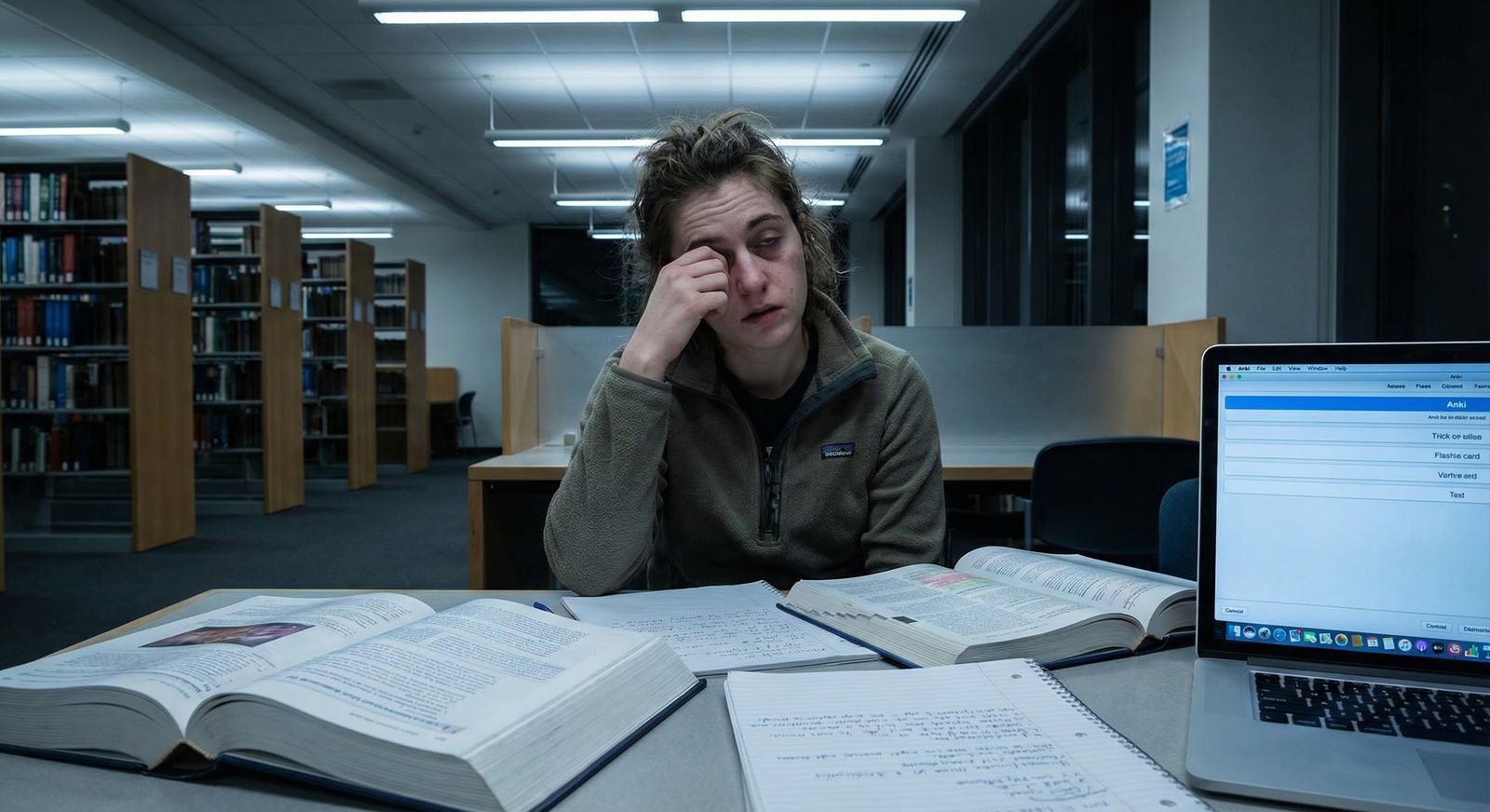
Burnout is not just “being tired.” It is a serious state that can impair judgment, learning, and patient care, and it often requires both individual coping and systemic support.
Recognizing these emotional states early is the first step toward effective stress management. Once you can name what you’re experiencing, you can choose specific coping strategies and sources of student support.

Building Your Foundation: Support Networks and Professional Help
1. Develop a Strong, Multifaceted Support Network
No one gets through medical school alone—nor should they. A healthy support network includes both people inside and outside the medical world.
Peer Support and Classmates
Your classmates are uniquely positioned to understand what you’re going through.
- Study groups: Use them not only for academics but also for brief emotional check-ins. Start sessions by asking, “Quick one-word check-in—how’s everyone doing?”
- Peer-led support groups: Many medical schools host wellness groups or affinity groups (e.g., for first-gen students, underrepresented students, international students). These can offer validation and concrete coping strategies tailored to your context.
- Accountability partners: Pair up with a classmate to help each other maintain healthy habits (sleep, exercise, step away from studying by a set time).
Mentorship and Faculty Allies
A good mentor can buffer stress and provide perspective.
- Identify multiple mentors: Academic, research, clinical, and wellness mentors may all play different roles. Don’t rely on a single person for everything.
- Be honest about struggles (within your comfort zone): A short comment like, “I’ve been finding the workload and expectations overwhelming—any advice?” can open the door to meaningful guidance.
- Seek near-peer mentors: Residents and senior students recently navigated your stage. They can provide practical tips for rotations, exams, and maintaining balance.
Family, Partners, and Friends Outside Medicine
People outside medicine can help you maintain a broader perspective and identity.
- Set expectations: Explain your schedule and stress levels, and clarify that reduced communication doesn’t mean you care less.
- Protect non-medical time: When you’re with loved ones, practice being fully present. Avoid letting every conversation drift back to exams and rotations.
2. Seek Professional Support Early, Not as a Last Resort
Accessing mental health support is a sign of insight, not weakness. Physicians routinely struggle with burnout, depression, and anxiety. Learning how to seek help now is part of your professional development.
On-Campus Counseling and Student Support Services
Most medical schools offer:
- Individual counseling or therapy
- Crisis support or urgent appointments
- Workshops on stress management, test anxiety, or sleep hygiene
- Referrals to off-campus psychiatrists or therapists
You might seek professional help if:
- Your mood or anxiety has been consistently problematic for more than 2–3 weeks
- You’re struggling to function academically or clinically
- You’re having thoughts of self-harm or hopelessness
- Your usual coping strategies are no longer effective
Confidentiality and Stigma Concerns
Many students worry about how seeking help might affect their record or career. Learn the facts:
- Counseling services are typically confidential and separate from academic records.
- You can ask explicitly about documentation and privacy during your first visit.
- Licensing boards increasingly emphasize wellness and treatment, not punishing students who seek care.
Medication and Ongoing Psychiatric Care
In some cases, medication (e.g., for depression, anxiety, ADHD) can be an important part of your treatment plan. Work with a psychiatrist familiar with trainee schedules and licensing considerations. Keep in mind:
- Medication is not a shortcut or a character flaw.
- Combining therapy, lifestyle changes, and medication can be highly effective.
- Regular follow-up is crucial, especially during high-stress periods like Step exams or major rotations.
Day-to-Day Coping: Stress Management and Healthy Routines
3. Practice Mindfulness and Evidence-Based Stress-Reduction Techniques
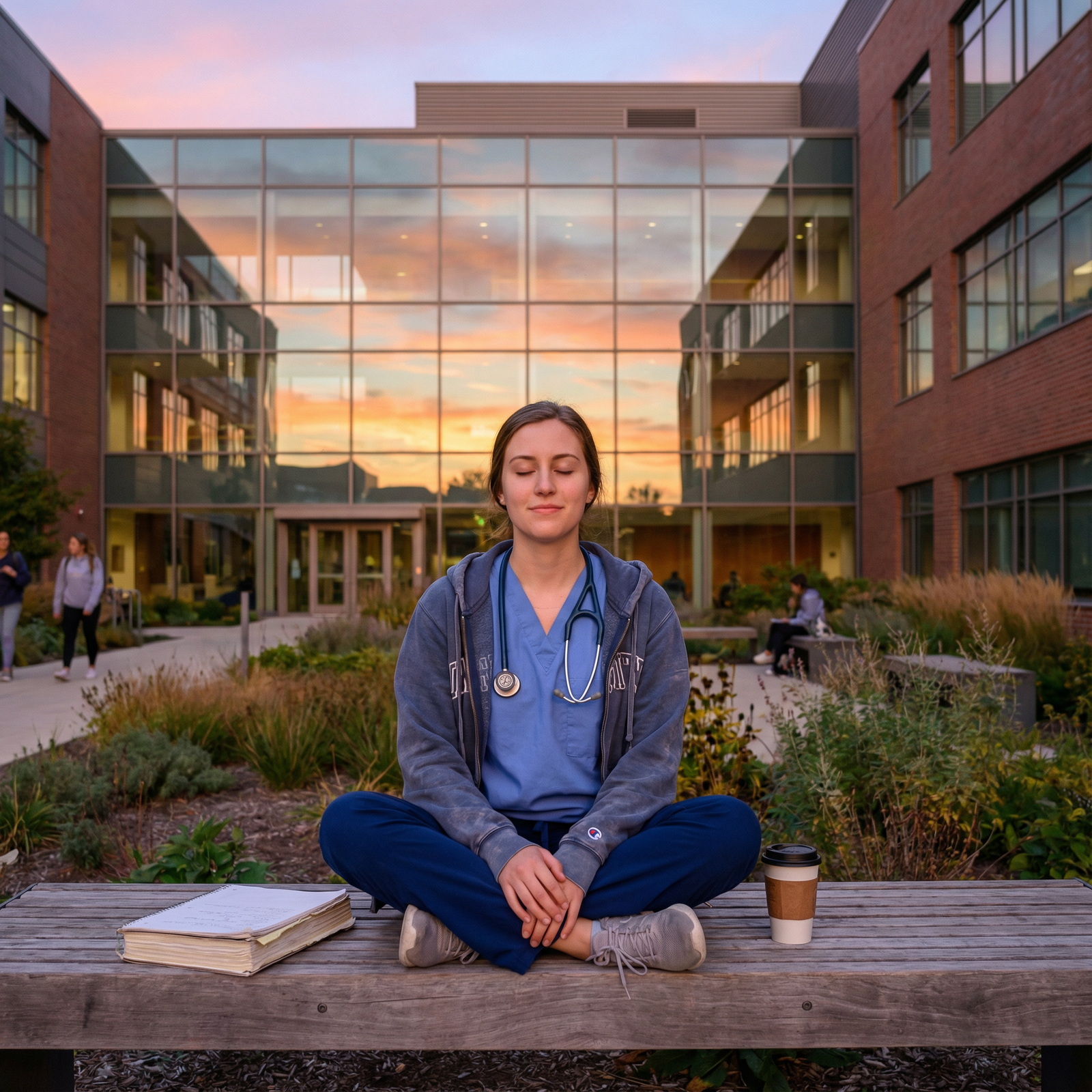
Mindfulness doesn’t require hour-long meditation sessions. Short, consistent practices can significantly reduce stress and improve focus.
Simple Mindfulness Practices for Busy Students
One-minute breathing reset:
- Inhale slowly through your nose for 4 seconds
- Hold for 4 seconds
- Exhale for 6–8 seconds
- Repeat for 1–3 minutes between patients or study blocks
Five senses grounding (helpful during anxiety spikes):
- Name 5 things you can see
- 4 things you can feel
- 3 things you can hear
- 2 things you can smell
- 1 thing you can taste
Mindful transitions:
- Before entering a patient’s room, take one slow breath and set an intention: “I will be present and listen fully.”
- At the end of the day, take 1–2 minutes to mentally “leave the hospital” before going home.
Meditation and Yoga for Medical Students
- Short guided meditations (5–15 minutes): Use apps designed for busy professionals or students. Aim for consistency over duration.
- Yoga or stretching:
- Try a 10-minute stretching routine before bed or after long study sessions.
- Many institutions offer free or discounted yoga classes for students.
Evidence suggests that mindfulness-based interventions can improve symptoms of anxiety, depression, and burnout in medical trainees. Consistency is more important than perfection; even a few minutes most days can help.
4. Establish Healthy, Sustainable Routines
Routines protect your mental health by reducing decision fatigue and preserving energy for what matters most.
Time Management Strategies That Reduce Stress
Use structured study blocks:
- Try 25–50 minute focused study intervals followed by 5–10 minute breaks (Pomodoro technique).
- During breaks, stand up, stretch, hydrate, or step outside for a minute.
Create weekly planning rituals:
- On Sunday, map out major tasks, exams, and personal commitments.
- Identify 1–2 non-negotiable self-care activities for the week (e.g., a gym session, a phone call with a friend).
Protect your sleep:
- Aim for 7–8 hours when possible.
- Avoid caffeine late in the day and heavy screen use right before bed.
- For call or night float, build in recovery sleep time after shifts.
Nutrition, Hydration, and Physical Activity
Your brain is your primary work tool in medical school; treat it accordingly.
Smart meals and snacks:
- Keep portable, nutrient-dense snacks on hand (nuts, yogurt, fruit, hummus, whole grain crackers).
- Don’t rely solely on vending machines and energy drinks.
- When time is tight, consider batch-cooking simple meals or using a meal-prep service if affordable.
Hydration habits:
- Carry a reusable water bottle to class and clinic.
- Pair hydration with existing routines (e.g., drink water every time you sit down to study).
Regular movement:
- Aim for at least 150 minutes of moderate aerobic activity per week (even in 10–15 minute segments).
- Walking or biking to campus, taking the stairs, or doing a short home workout all count.
5. Protecting Your Emotional Space: Social Media and Boundaries
Social media can offer connection and information—but also comparison and unrealistic expectations.
Limiting the Harmful Effects of Social Media
Recognize highlight reels: Most people share successes (publications, honor societies, prestigious rotations), not their daily struggles or failures.
Set specific time limits:
- For example, check social media only during two 15-minute windows per day.
- Use app timers or focus modes to prevent mindless scrolling.
Curate your feed:
- Unfollow or mute accounts that consistently trigger anxiety, inadequacy, or competitiveness.
- Follow accounts that promote mental health, realistic perspectives, and positivity.
Setting Boundaries to Preserve Your Well-Being
Academic boundaries:
- It’s okay to say, “I’m at capacity right now” when asked to take on extra responsibilities.
- Prioritize quality over quantity in research, leadership, and extracurriculars.
Emotional boundaries:
- You can support classmates without absorbing their stress as your own.
- It’s appropriate to say, “This is important, and I want to listen, but can we talk after my exam on Friday?”
Meaning-Making, Reflection, and Real-World Examples
6. Engage in Regular Reflection and Emotional Processing
Reflection transforms overwhelming experiences into meaningful learning and growth.
Journaling and Reflective Writing
Brief daily or weekly prompts:
- “What was one emotionally challenging moment this week?”
- “What did I do well as a student or future physician today?”
- “What am I grateful for in my training right now?”
Clinical reflections:
- After an intense patient encounter, write for 5–10 minutes about your emotions, questions, and takeaways.
- Consider what you’d like to do similarly or differently next time.
Regular journaling helps identify patterns in your stress, triggers for anxiety, and strategies that work best for you. It also creates a record of growth and resilience over time.
Weekly Self Check-Ins
Schedule a 10–15 minute check-in, just like any other appointment:
- Rate your stress, mood, and energy on a 1–10 scale.
- Ask: “What’s one thing that’s draining me? One thing that’s sustaining me?”
- Decide on one small adjustment for the coming week (e.g., earlier bedtime, shorter social media use, scheduling a counseling session).
7. Make Room for Joy, Hobbies, and a Life Outside Medicine
Your life cannot be—and should not be—only about medical school.
Hobbies and Creative Outlets
- Low-time, high-reward activities:
- Playing or listening to music
- Sketching, painting, or photography
- Short creative writing or poetry
- Gardening, cooking, or baking
Even 20–30 minutes of a non-medical activity a few times per week can reset your mind and protect you from burnout.
Socializing and Relationships
Prioritize meaningful connections:
- Plan a weekly coffee, walk, or meal with a friend or partner.
- Join a club or interest group (sports, arts, cultural organizations) to meet people outside your class.
Integrate social time with self-care:
- Study dates followed by a shared walk or workout
- Cooking dinner together on a Sunday and meal-prepping for the week
8. Real-World Applications: Expanded Student Stories
Case Study 1: Sarah’s Journey from Anxiety to Agency
Sarah, a first-year medical student, struggled after her first round of exams. Despite passing, she constantly worried about failing out. She slept poorly, reread the same pages without absorbing information, and avoided social events, convinced her peers were managing better.
What changed:
- She joined a peer support group specifically for first- and second-year students. Hearing others describe nearly identical worries helped normalize her experience.
- At a friend’s suggestion, she scheduled an appointment with campus counseling and learned concrete tools for test anxiety, including breathing exercises before and during exams.
- She began a 10-minute guided meditation each morning and started journaling about her daily wins, no matter how small (e.g., “I asked a question in class,” “I went for a walk after dinner”).
Within a semester, Sarah noticed she still cared deeply about her performance—but anxiety no longer completely controlled her thinking or her schedule. She felt more focused, more connected, and better able to cope with future stressors.
Case Study 2: Mark’s Shift from Burnout to Balance
By the end of his second year, Mark felt emotionally numb and exhausted. He had stopped exercising, often skipped meals, and spent almost every waking hour in the library. His board exam date loomed, and his motivation evaporated.
What changed:
- Mark admitted his burnout to a trusted resident mentor, who encouraged him to speak with student support services. They created a realistic, flexible study schedule with built-in breaks and rest days.
- He committed to two spin classes per week, framing them as “non-negotiable appointments” just like lectures or small groups.
- He reintroduced small joys: cooking once a week with a roommate and watching a favorite show for 20 minutes before bed.
Over a few months, Mark’s energy and concentration improved. His board score met his goals, and he entered clinical rotations feeling more resilient and better equipped to handle long days. The shift wasn’t magical—it was built on intentional, sustainable changes in how he managed his time and energy.
Frequently Asked Questions: Mental Health and Coping in Medical School
Q1: Is it normal to feel overwhelmed or regret starting medical school?
Yes. Many students, especially in the first year or during intense rotations, question whether they made the right choice. Feeling overwhelmed doesn’t mean you’re not cut out for medicine. It is a cue to reassess your workload, seek support, and adjust your coping strategies. If these feelings are persistent or accompanied by hopelessness or thoughts of self-harm, reach out to counseling services or a trusted mentor immediately.
Q2: How can I tell the difference between “normal stress” and a mental health condition like anxiety or depression?
Stress is expected in medical school, but it becomes concerning when:
- It is constant rather than situational (e.g., not just before an exam)
- It interferes with your ability to study, attend class, or function in daily life
- You experience persistent low mood, loss of interest, or feelings of worthlessness
- You have physical symptoms (insomnia, appetite changes, pain) without a clear medical cause
- You have thoughts of self-harm or that life is not worth living
If you notice these signs, speak with a healthcare professional. You don’t have to “wait until it’s really bad” to get help.
Q3: What are the most effective coping strategies I can start using this week?
You don’t need an elaborate wellness plan to feel better. Start with:
- Scheduling a 10–15 minute weekly check-in with yourself
- Practicing a 1–3 minute breathing exercise between study blocks or patients
- Going for a 10–20 minute walk 3–4 times this week
- Identifying one supportive person (classmate, friend, mentor) to talk with honestly
- Setting a realistic sleep window and sticking to it whenever possible
Small, consistent changes often have a greater effect than big, unsustainable overhauls.
Q4: How do I build a supportive community if my medical school culture feels competitive?
Even in competitive environments, you can often find or create pockets of support:
- Seek out classmates who share your values around collaboration and wellness.
- Join or start interest groups, wellness committees, or peer support programs.
- Engage with national organizations (e.g., specialty-specific student groups) and online communities that prioritize support over competition.
- Cultivate relationships with residents and faculty known for being approachable and student-centered.
Remember, medicine is ultimately a team sport. Surrounding yourself with people who lift you up benefits both your mental health and your professional growth.
Q5: Will seeking mental health treatment affect my residency prospects or medical license?
Many students worry about this, but:
- Confidential counseling services are generally separate from academic records.
- Licensing boards and residency programs increasingly focus on whether conditions are well-managed, not on penalizing people who seek treatment.
- Avoiding care can be far more harmful to your performance, evaluations, and long-term health than seeking help early.
If you’re concerned, ask your school’s counseling center or dean’s office specific questions about documentation and licensing implications; they are familiar with current guidelines and can provide accurate guidance.
Caring for your mental health in medical school is not a distraction from your education—it is a central part of becoming a competent, compassionate physician. By building a support network, using practical coping strategies, and seeking help when needed, you can navigate the emotional rollercoaster of medical school with resilience and purpose.