
Nurturing Mental Health in Medical School: Practical Self-Care and Wellness Strategies
Medical school is one of the most demanding phases of a physician’s journey. Long hours, high-stakes exams, emotionally intense clinical encounters, and constant comparison with high-achieving peers can take a significant toll on Mental Health. For many Medical Students, stress, anxiety, and burnout can begin as early as the first semester and, if not addressed, follow them into residency and beyond.
Protecting your mental well-being is not a luxury or a sign of weakness—it is a professional responsibility. The kind of physician you become is deeply shaped by how you care for yourself now. A resilient, empathic, and clear-thinking doctor starts with a student who has learned realistic Self-Care and Stress Management skills.
This guide translates big-picture “take care of yourself” advice into specific, realistic Wellness Strategies you can use during pre-clinicals, clerkships, and exam seasons.
Why Mental Health Must Be a Core Priority in Medical Education
The Hidden Curriculum: Grind Culture vs. Well-Being
Many Medical Students internalize the message that “pushing through” at any cost is admirable. Sleeping 4 hours, skipping meals, and studying until 2 a.m. can start to feel normal—or even necessary.
Yet research consistently shows:
- Medical students have higher rates of depression, anxiety, and burnout than age-matched peers.
- Untreated mental health issues can impair concentration, memory, clinical judgment, and empathy—all essential for safe patient care.
- Early burnout is associated with career dissatisfaction, increased risk of leaving medicine, and higher rates of substance misuse.
In other words: ignoring your mental health doesn’t make you more dedicated; it makes you more vulnerable.
How Mental Health Impacts Your Training and Career
Strong mental well-being supports your success in multiple domains:
Stress Management
When you actively manage stress, you’re less likely to reach crisis points where everything feels unmanageable. Instead of swinging between “fine” and “overwhelmed,” you maintain a steadier baseline.Clinical and Interpersonal Skills
Your ability to listen to patients, tolerate uncertainty, and respond with empathy depends on your emotional reserves. It’s much harder to be kind at the bedside when you’re depleted and detached.Academic Performance and Exam Readiness
Chronic stress and poor sleep impair executive function, memory consolidation, and problem-solving—exactly what you need for Step/Level exams, OSCEs, and shelf exams.Long-Term Career Sustainability
Physicians who learn and practice Self-Care early are better equipped to handle the demands of residency and attending life without burning out or losing their sense of purpose.
Investing in your mental health now is not “taking time away from studying”—it is optimizing the brain and body you use to study and care for patients.
Core Self-Care Strategies for Medical Students’ Mental Health
1. Mindfulness, Meditation, and Moment-to-Moment Awareness
Mindfulness is the skill of paying attention to the present moment with openness rather than judgment. For Medical Students, it can be a powerful antidote to racing thoughts, test anxiety, and emotional overload after difficult patient encounters.
Practical Ways to Incorporate Mindfulness
Micro-meditations between tasks
- Before opening Anki or starting UWorld, close your eyes.
- Inhale for 4 seconds, hold for 4, exhale for 6.
- Repeat for 4–5 cycles to reset your nervous system.
Guided mindfulness apps
Apps like Headspace, Calm, Insight Timer, Waking Up, or even YouTube meditations can guide you through:- 5–10 minute breathing exercises before bed
- Short “exam day” anxiety relief sessions
- Body scans after intense clinical shifts to release stored tension
Grounding techniques during anxiety spikes
When overwhelmed (e.g., before an OSCE or big exam), try:- The 5–4–3–2–1 technique (name 5 things you see, 4 you feel, 3 you hear, 2 you smell, 1 you taste)
- Placing both feet on the floor, pressing your toes down, and focusing on the physical sensation
Mindful Activities That Fit Busy Schedules
- Mindful walking between lectures or while commuting around campus: notice your breath, footsteps, and environment rather than scrolling your phone.
- Mindful handwashing in the hospital: feel the temperature of the water, the texture of the soap, the motion of your hands; use it as a mini-reset.
- Mindful eating at least one meal per day without screens; pay attention to flavors, chewing, and fullness cues.
These small practices can cumulatively reduce baseline stress and increase emotional resilience.
2. Setting Boundaries: Protecting Your Time, Energy, and Identity
Medicine often rewards overcommitment. However, constantly saying “yes” to everything—from extra research projects to late-night group study—can quickly erode mental health.

Learning to Say “No” Without Guilt
You do not need to justify every “no” with a lengthy explanation. Protecting your bandwidth is reason enough.
Examples of professional, firm responses:
- “Thank you for thinking of me. I’m at capacity this semester and wouldn’t be able to commit fully.”
- “This is a great opportunity, but I need to protect time for my current responsibilities and well-being.”
- “I appreciate the offer; I have to decline to maintain balance with my coursework and clinical duties.”
Remember: consistently overcommitting can hurt your reputation more than occasionally declining. People respect clear, realistic boundaries.
Creating a Sustainable Schedule
Block, then protect wellness time
- Schedule sleep, exercise, meals, and at least one non-medical activity weekly.
- Treat these blocks like mandatory commitments—because they are.
Use the “Big Three” rule for each day
Identify your three most important tasks (e.g., Pathology review, Anki, laundry). If you finish extras, great—but completing the Big Three builds a sense of accomplishment and control.Guard your study environment
- Use apps like Forest, Freedom, or StayFocusd to limit distracting websites.
- Study in a location where you can reasonably stay focused and feel safe (e.g., library, quiet café, or dedicated home desk).
Limiting Exposure to Draining Inputs
Social media moderation
- Mute or unfollow accounts that fuel comparison, imposter syndrome, or negativity.
- Set time limits for certain apps, especially during exam blocks.
News and healthcare commentary
Stay informed, but if constant reading about healthcare system crises leaves you hopeless or angry, create boundaries:- Check news once daily instead of scrolling continuously.
- Balance negative stories with content about innovation, advocacy, or physician wellness.
Boundaries are not selfish; they are essential tools for sustainable performance and patient safety.
3. Building Strong Connections and Support Systems
Isolation is a major risk factor for burnout. Yet it’s easy for Medical Students to retreat into solo study when overwhelmed. Proactively nurturing relationships is a powerful Stress Management and Wellness Strategy.
Connecting with Classmates and Peers
Form intentional study groups
- 2–4 people often works best.
- Set clear goals (e.g., review cases, quiz each other, not just complain about school).
- Share resources and explain concepts to each other—teaching solidifies your own understanding.
Social rituals, even small ones
- Weekly coffee after anatomy lab
- Monthly potlucks, game nights, or group walks
- “Post-exam decompression” meetups
These small traditions create a sense of belonging and shared experience.
Finding Mentorship and Role Models
A good mentor can normalize your struggles and help you navigate tough decisions.
Types of mentors to seek out
- Upperclass students who remember the courses and clerkships you’re facing
- Faculty or residents who value wellness, not just productivity
- Advisors involved in student support, not just evaluation
Questions to ask mentors
- “What helped you manage stress during medical school?”
- “Did you ever feel burned out or overwhelmed? What did you do?”
- “How do you maintain a life outside of medicine?”
Hearing how others have coped can make your own challenges feel more manageable and less personal.
Staying Connected to Life Outside Medicine
Non-medical friends and family remind you that your worth is not defined by your latest exam score.
- Schedule regular check-ins (calls, texts, video chats).
- Share your experiences honestly but also talk about topics unrelated to school.
- Let at least one trusted person know if you’re struggling or noticing changes in your mood, sleep, or behavior.
Physical Health as a Foundation for Emotional Well-Being
Physical and mental health are inseparable. During Medical School Life and exams, intentional attention to sleep, nutrition, and movement is one of the most impactful Wellness Strategies you can adopt.
4. Sleep: The Most Underrated Study Tool
Chronic sleep deprivation is common among Medical Students, but it severely undermines performance.
Realistic Sleep Goals
- Aim for 7–9 hours most nights. If this feels impossible daily, protect it on as many nights as you can.
- Maintain a consistent sleep-wake schedule, even on weekends, to stabilize your circadian rhythm.
Sleep Hygiene for Medical Students
Pre-sleep routine (20–30 minutes)
- Dim lights, step away from lecture notes and Qbanks.
- Avoid caffeine within 6–8 hours of bedtime.
- Try light stretching, gentle music, or a short meditation.
Screen management
- Stop intense study at least 30–60 minutes before bed, if possible.
- Use blue light filters or night mode in the evening.
Exam seasons and clinical rotations
You may not get perfect sleep before every exam or shift. Focus on:- Sleeping well in the days leading up to major events.
- Napping strategically (15–30 minutes) when safe and feasible.
5. Nutrition and Hydration for Brain Function
Food is fuel for your cognition, mood, and energy.
Practical Nutrition Tips for Busy Days
Plan simple, repeatable meals
- Oatmeal + fruit + nut butter for breakfast
- Pre-made salads with rotisserie chicken or beans
- Rice or quinoa bowls with frozen veggies and a protein
Prevent “hanger” and sugar crashes
- Keep snacks in your bag: nuts, fruit, yogurt, granola bars.
- Pair carbs with protein/fat to sustain energy.
Hydration strategy
- Keep a water bottle with you during lectures and rounds.
- Flavor water with lemon, cucumber, or electrolyte packets if plain water gets boring.
You don’t need a perfect diet; you need a consistent, supportive pattern that keeps your brain functioning well.
6. Movement and Exercise as Stress Management
Exercise is one of the most evidence-based Mood and Stress Management tools.
Making Exercise Realistic in Medical School
Start small and specific
- 10–20 minute walks between study blocks
- 15-minute bodyweight YouTube workouts at home
- Take the stairs when possible, walk while calling family
Use exercise as a mental reset
- Schedule short workouts after long study sessions to clear your head.
- Even a short walk can improve focus and retention for the next block of work.
Choose activities you actually enjoy
- Group fitness classes with classmates
- Running, biking, yoga, swimming, intramural sports
- Dancing, hiking, or home workouts
The best exercise plan is not the “ideal” one; it’s the one you can sustain most days.
Emotional Coping Skills and Campus Resources for Medical Students
7. Practical Coping Mechanisms for Daily Stress
Healthy coping strategies help you navigate both routine stress and acute emotional challenges.
Journaling and Reflection
Daily or weekly brain dump
- Write freely about what you’re feeling, what went well, and what didn’t.
- No need to be polished—the goal is processing, not perfection.
Structured reflection after difficult encounters
- What happened?
- What did I feel?
- What did I learn?
- What do I need (support, rest, more information)?
This can be especially helpful after emotionally intense patient cases, mistakes, or feedback.
Basic Cognitive-Behavioral (CBT) Strategies
Notice and challenge unhelpful thought patterns like:
- “Everyone is smarter than me.”
- “If I don’t honor this rotation, I’m a failure.”
- “I made a mistake, so I shouldn’t be a doctor.”
Ask yourself:
- What evidence supports this thought? What evidence contradicts it?
- What would I say to a friend who had this thought?
- Is there a more balanced, realistic way to think about this?
Replacing “I’m terrible at this” with “I’m learning and improving; this is uncomfortable but normal” shifts your internal dialogue toward growth instead of shame.
When to Seek Professional Support
Self-care has limits. It is not a substitute for professional help when:
- You feel persistently hopeless, numb, or disengaged.
- Your sleep, appetite, or functioning are significantly impaired.
- You’re having recurrent thoughts of self-harm or that others would be better off without you.
- You’re using substances to cope with stress.
In those situations, seeking help is a critical professional decision, not a failure.
8. Using Campus and External Resources for Mental Health Support
Many Medical Schools now recognize the importance of Mental Health and offer structured Wellness Strategies and services.
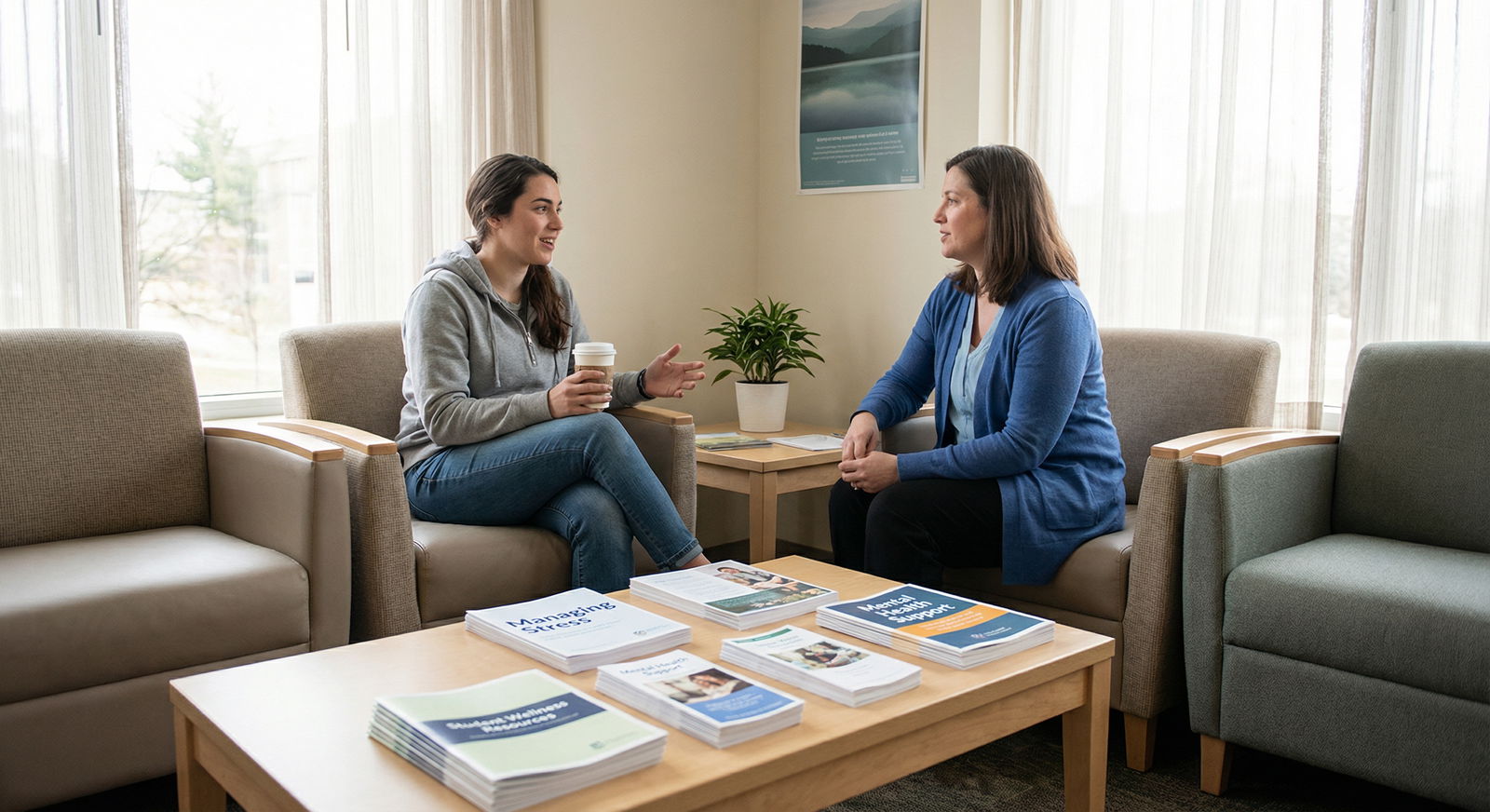
Campus-Based Resources
Counseling and Psychological Services (CAPS)
- Often free or low-cost, confidential, and familiar with Medical Student challenges.
- Some schools have counselors embedded in or dedicated to the medical program.
Peer support groups
- Wellness committees, interest groups, or student-led support circles
- Spaces to talk about impostor syndrome, exam stress, or clerkship challenges
Workshops and wellness programs
- Sessions on mindfulness, Stress Management, test anxiety, and Sleep
- Resilience and burnout prevention seminars
Make a list of available resources early in your training—even if you don’t think you’ll need them yet. It’s easier to reach out when you already know where to go.
External and Online Resources
- National physician/medical student support organizations
- Crisis hotlines or text lines (varies by country; know your local options)
- Online therapy platforms (if cost and time allow)
- Community therapists who specialize in healthcare professionals
Using these resources is an investment in your future patients, your colleagues, and your own life outside medicine.
Integrating Self-Care into Real Medical School Life
It’s easy to read a list of Wellness Strategies and feel overwhelmed, thinking you must implement everything at once. Instead, aim for small, consistent shifts:
- Pick one mental health habit (e.g., 5-minute nightly mindfulness, 10-minute walk after lunch).
- Add one physical health habit (e.g., regular bedtime, packing snacks).
- Strengthen one connection (e.g., weekly check-in with a friend, joining a peer group).
Over time, these practices create a foundation that supports you through board exams, tough rotations, and personal challenges.
Medical school will still be demanding. But with intentional Self-Care, Stress Management, and support, it does not have to be destructive.
FAQs: Mental Health and Self-Care for Medical Students
1. How can I practice self-care when I feel like I barely have time to study?
Self-care doesn’t have to be time-consuming. Focus on integrated habits:
- 3–5 minutes of deep breathing before or after study blocks
- Eating regular meals instead of skipping them
- Short walks while listening to recorded lectures or reviewing flashcards
- Going to bed 20–30 minutes earlier instead of doing “just one more” question block
These small actions protect your ability to think clearly and study effectively.
2. What are signs that my stress has gone beyond “normal” medical school stress?
Pay attention if you notice:
- Persistent sadness, numbness, or irritability
- Loss of interest in activities you used to enjoy
- Significant changes in sleep or appetite
- Trouble concentrating despite trying multiple study strategies
- Frequent thoughts like “I can’t handle this” or “Everyone would be better off without me”
- Using alcohol or other substances to cope
These are signals to reach out—for example, to a counselor, mentor, or trusted physician.
3. How can I manage anxiety around exams and high-stakes assessments?
Combine academic prep with Stress Management:
- Use a structured study plan to reduce last-minute cramming.
- Practice under test-like conditions (timed blocks, similar environment).
- Develop a pre-exam routine: light review, breathing exercises, and grounding rather than frantic last-minute cramming.
- After the exam, avoid obsessively replaying questions you can’t change; shift focus to rest and recovery.
4. Is it safe to disclose mental health struggles to my school or mentors?
Many schools encourage students to seek help, and counseling services are usually confidential. However, comfort levels vary:
- For formal evaluations (e.g., dean, program director), some students prefer to share only what’s necessary.
- For trusted mentors, limited but honest sharing can lead to practical support and advice.
- For counseling services, you can talk openly; they are typically separate from academic evaluation.
If you’re unsure, you can start by speaking anonymously with a counselor, peer support group, or physician wellness program to understand your options.
5. What if I feel like I’m not cut out for medicine because I’m struggling?
Struggling in medical school does not mean you’re not meant to be a physician. Nearly every doctor has had phases of doubt, overwhelm, or burnout. The key questions are:
- Are you willing to seek support and adjust your strategies?
- Can you learn to set boundaries, care for yourself, and ask for help when needed?
- Do you still feel a sense of meaning or purpose in caring for patients, even if the path is harder than you expected?
Reaching out for mental health support and practicing Self-Care are marks of insight, not inadequacy. They help you become the kind of physician patients and colleagues need—capable, compassionate, and human.
By taking your Mental Health seriously and integrating realistic Self-Care and Stress Management practices into your daily life, you’re not stepping away from your training—you’re strengthening it. Prioritizing wellness now will help you navigate Medical School Life and exams with greater clarity, resilience, and compassion, setting the foundation for a sustainable and fulfilling career in medicine.