Introduction: Why Resilience Training Matters in Medical School
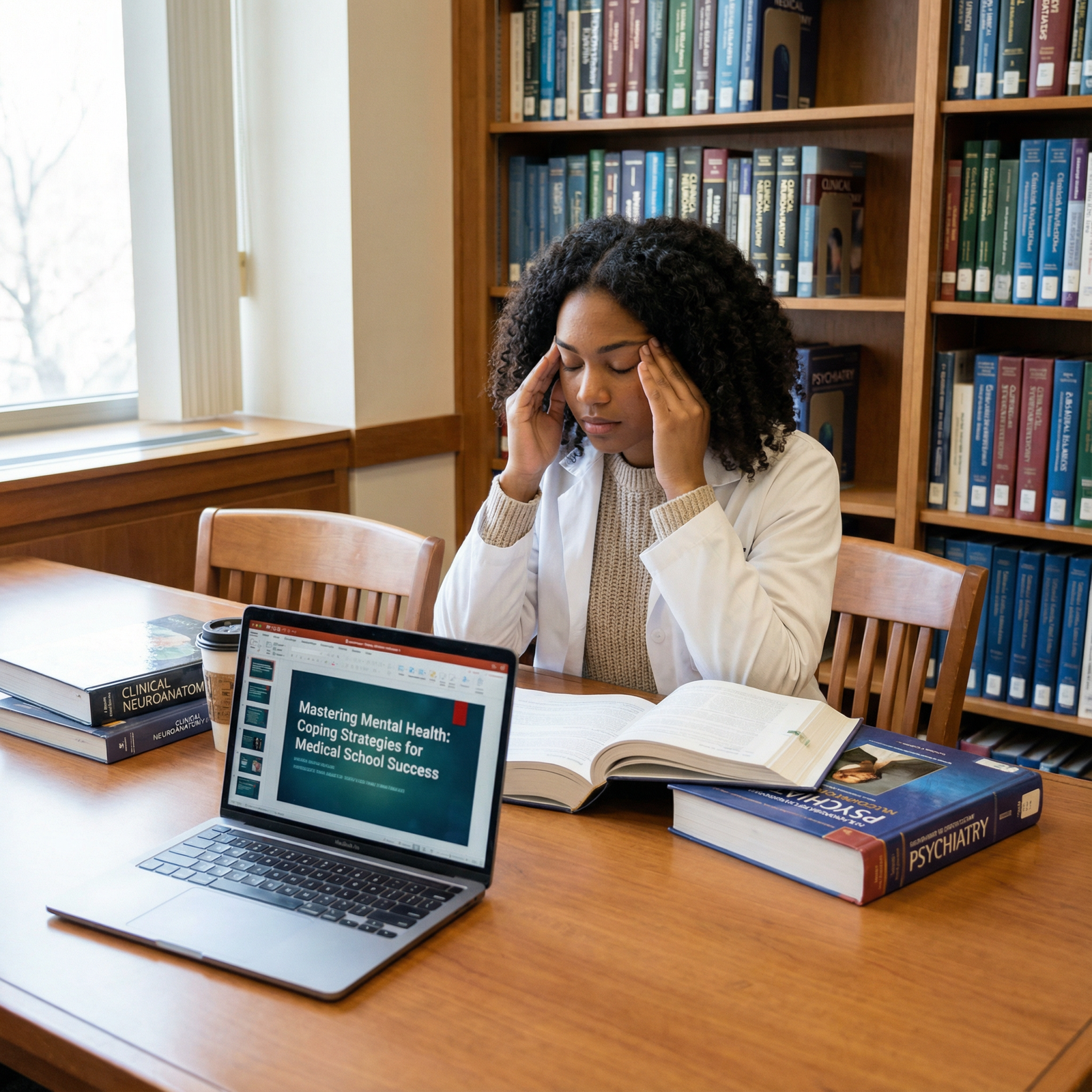
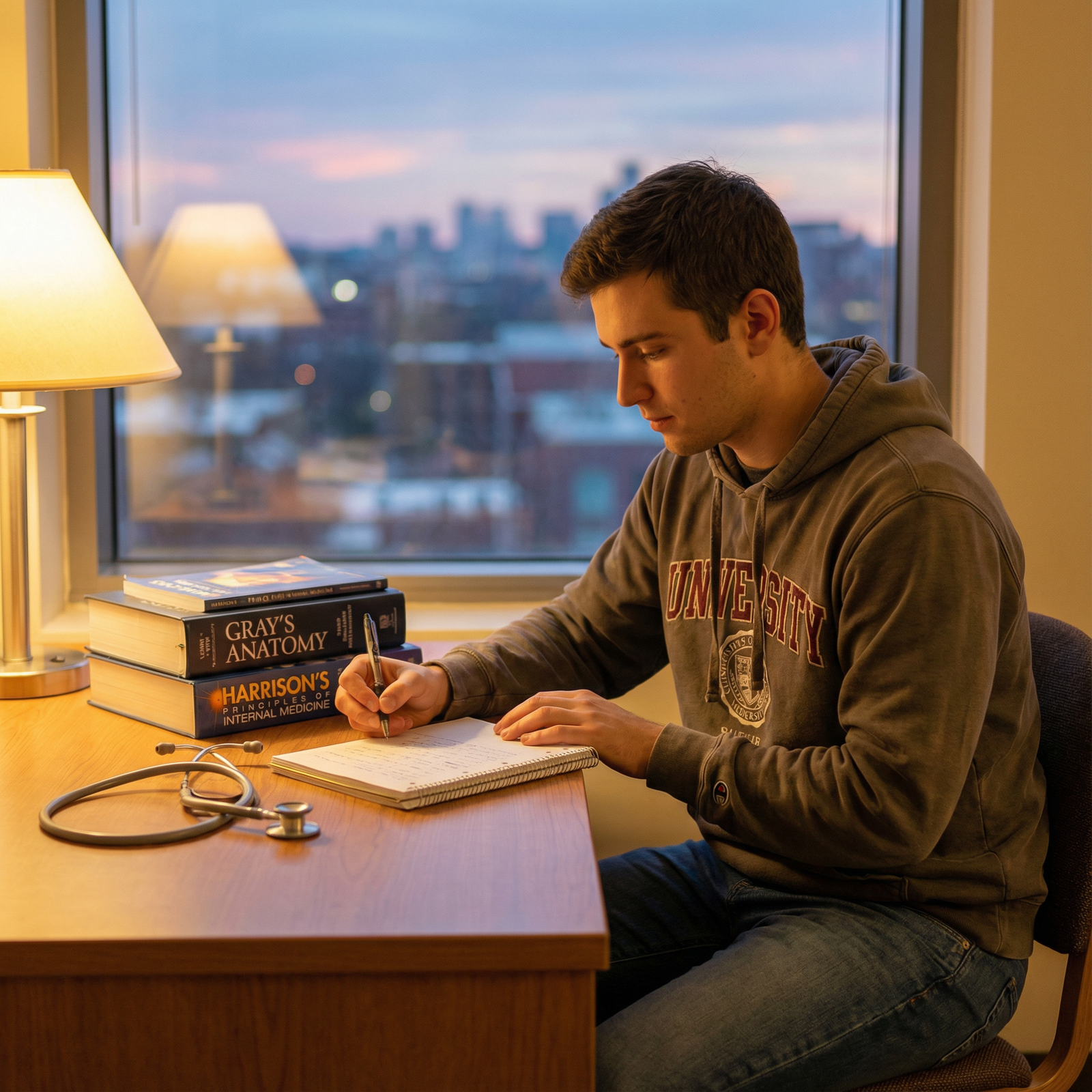
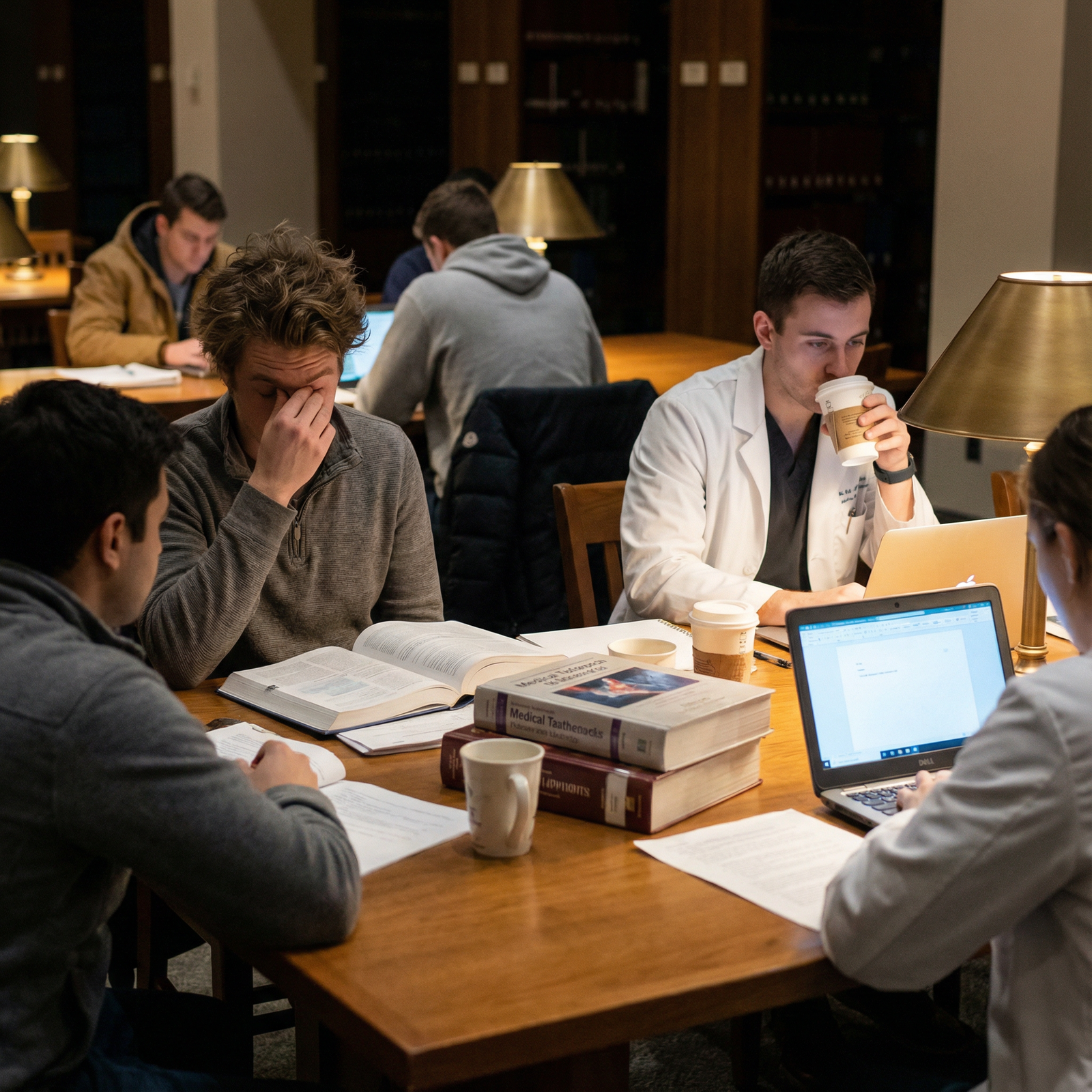
Resilience in medical students is not just about “toughing it out” or bouncing back after a bad exam. It is the set of skills, habits, and mindsets that allow you to adapt, learn, and even grow in the face of the intense pressures of medical school. From relentless coursework and frequent exams to emotionally charged clinical encounters and the hidden curriculum, the demands can strain even the most motivated student.
Resilience Training helps medical students protect their mental health, sustain academic success, and maintain a sense of purpose in the midst of stress. Rather than assuming you either “have it or you don’t,” modern research frames resilience as a trainable, learnable capacity—something you can systematically build, just like clinical skills or exam strategies.
This guide will:
- Clarify what resilience means in the context of medical education
- Explain why resilience is critical for mental health, stress management, and academic success
- Provide concrete, evidence-informed strategies and exercises you can start using today
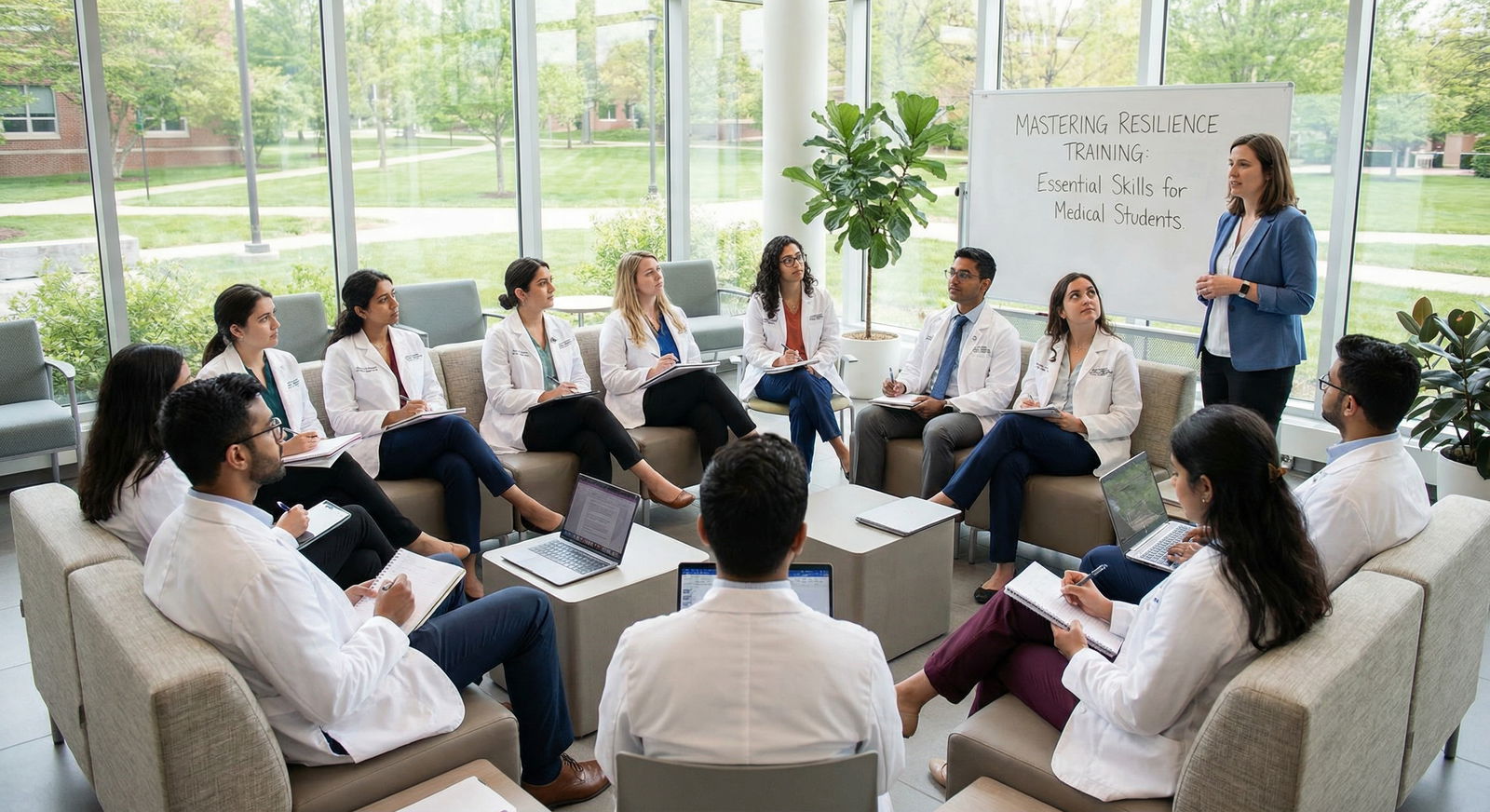
- Offer examples of resilience programs and peer initiatives that have worked in real medical schools
By the end, you will have a practical framework for building a stronger mindset that supports both your well-being and your performance throughout medical school and beyond.
Understanding Resilience in Medical Students
Resilience is often defined as the capacity to adapt positively and recover from adversity, stress, or trauma. In medical school, adversity can mean anything from failing an exam, struggling on a rotation, or witnessing a patient’s suffering, to dealing with imposter syndrome or chronic sleep deprivation.
Importantly, resilience is:
- Dynamic: It changes over time and across situations. You might be highly resilient academically but struggle more emotionally, or vice versa.
- Trainable: It is not a fixed trait. Skills like emotional regulation, cognitive reframing, and help-seeking can be practiced and strengthened.
- Contextual: Your environment, faculty culture, schedule, and support systems also shape your resilience. This isn’t just about “fixing” the individual.
Key Attributes of Resilience in Medical Students
These core components can guide your personal Resilience Training:
Emotional Awareness
Being able to notice, name, and understand your emotions (and those of others) in real time. For medical students, this includes recognizing when stress, anxiety, or frustration is rising before it becomes overwhelming.Self-Efficacy
The belief that your actions matter and you can influence outcomes. High self-efficacy helps you problem-solve (“What can I change?”) rather than freeze or shut down in the face of failure or criticism.Optimism and Cognitive Flexibility
Not blind positivity, but the ability to see multiple perspectives, identify learning opportunities, and maintain hope—even after setbacks. Cognitive flexibility helps you reframe “I’m a failure” into “This is data about what I need to change.”Adaptability
The willingness to adjust study strategies, expectations, or routines as demands shift (e.g., moving from preclinical to clinical years). Adaptable students change the plan rather than giving up when things don’t go perfectly.Social Support and Connection
Having people you trust—peers, mentors, family—who know what you’re going through, and whom you feel safe asking for help. Social support is one of the strongest predictors of resilience and long-term mental health.
Taken together, these attributes are the targets of effective Resilience Training: you can intentionally practice, strengthen, and integrate them into your daily medical school life.
Why Resilience Is Essential in Medical Education
Resilience Training for medical students is not a luxury; it is a protective factor against burnout, a driver of academic success, and a foundation for long-term mental health.
1. Preventing Burnout, Fatigue, and Emotional Exhaustion
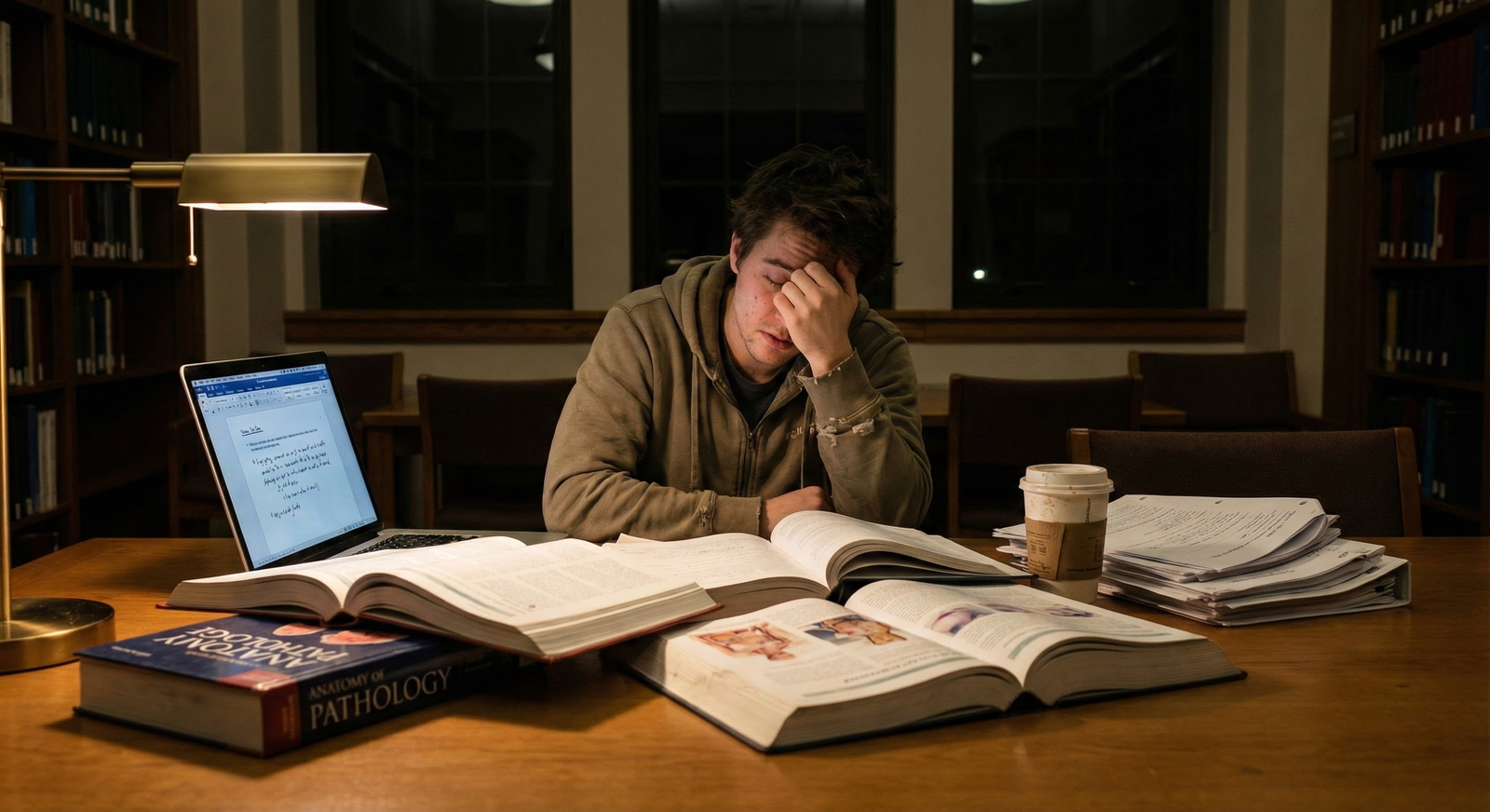
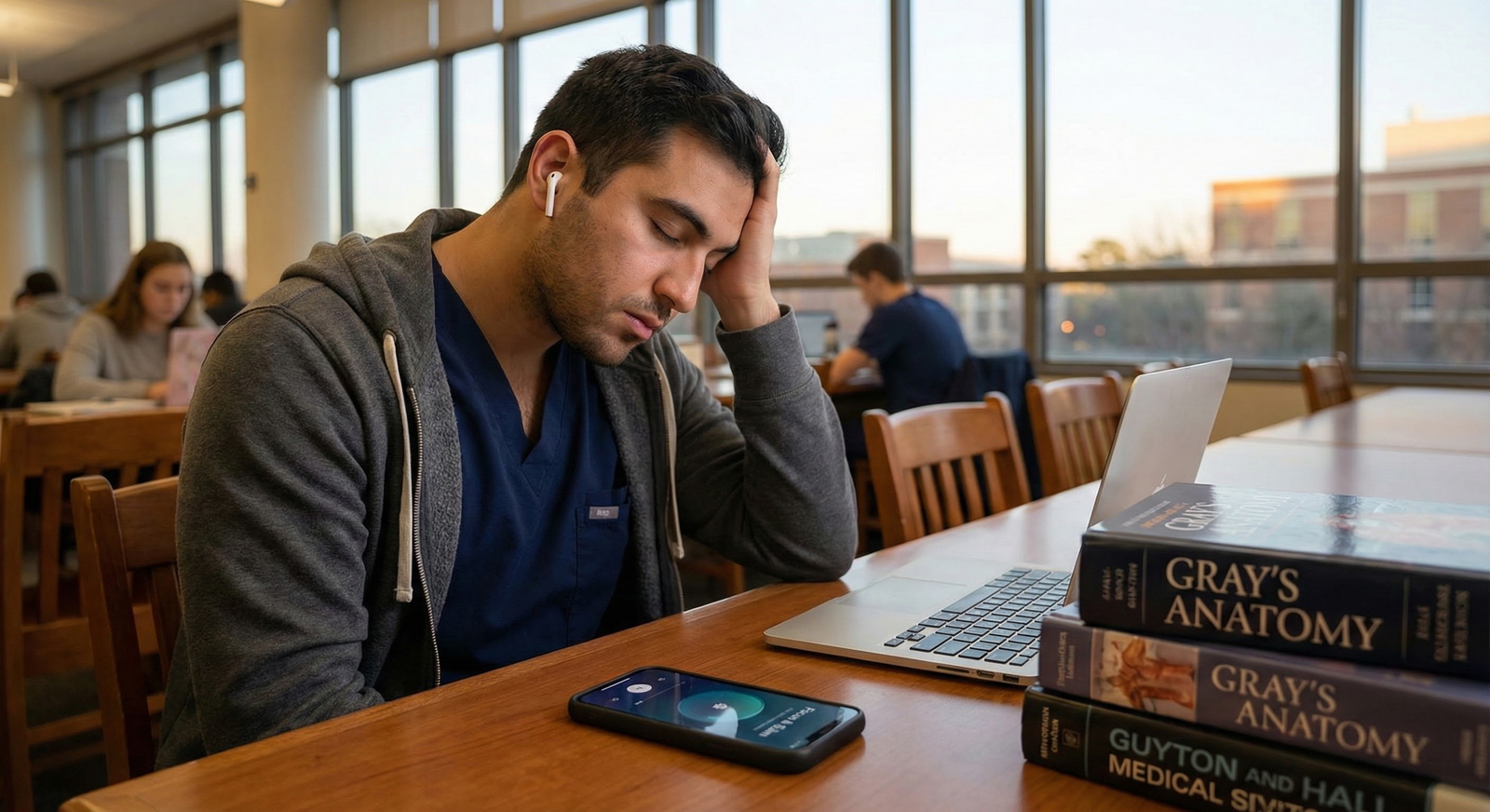
Medical students report high levels of stress, emotional fatigue, and symptoms of burnout—even early in their training. Chronic stress without sufficient coping tools can lead to:
- Detachment from patients (“just getting through the day”)
- Loss of motivation or interest in medicine
- Increased risk of anxiety, depression, and substance misuse
Resilience skills such as emotion regulation, boundary-setting, and stress management can:
- Reduce the intensity and duration of stressful episodes
- Help you recognize early signs of burnout (e.g., cynicism, irritability, loss of empathy)
- Allow earlier intervention—whether that means changing your study schedule, seeing a counselor, or reaching out to peers
Rather than blaming students for not being “tough enough,” resilience training teaches practical responses to real pressures.
2. Enhancing Academic Success and Learning Efficiency
Resilient students tend to:
- Recover faster from poor exam scores or critical feedback on OSCEs
- Persist with challenging material instead of avoiding it
- Use constructive strategies (practice questions, group review) rather than panicking or cramming ineffectively
For example:
- A non-resilient response to a failed exam might be: “I’m not smart enough; I’ll never catch up.”
- A resilient response: “This hurts, but I can analyze what went wrong, adjust my study method, and seek help.”
This shift supports:
- Better focus and concentration under pressure
- More consistent preparation for high-stakes exams (NBME, USMLE, OSCEs, shelf exams)
- Long-term retention of information because anxiety is better managed
Academic success in medical school is rarely about raw intelligence alone; it’s about sustainable strategies, persistence, and emotional coping—central elements of resilience.

3. Strengthening Interpersonal Skills and Professionalism
Resilient medical students typically demonstrate:
- Better communication with peers, residents, and attendings
- More empathy and patience with patients and families
- Greater capacity to receive and use feedback without becoming defensive
When you are less overwhelmed by your own stress, you can:
- Listen more fully to patients’ stories
- Participate more effectively in team-based care
- Navigate conflict (e.g., in group projects or on rounds) with less reactivity
In this way, resilience directly supports the development of professionalism and emotional intelligence—core competencies for any physician.
4. Protecting Long-Term Mental Health and Career Sustainability
Medical school is only the beginning. Residency and independent practice involve new layers of responsibility, time pressure, and emotional exposure.
Students who build resilience early:
- Are better equipped to manage the transition to residency
- Carry forward healthy coping strategies rather than maladaptive ones
- May reduce their risk of future depressive episodes, anxiety, and burnout
Resilience Training now is an investment in your long-term mental health, not just a short-term stress hack.
Practical Strategies for Building Resilience in Medical School
Resilience grows through deliberate practice—small, consistent habits embedded into your daily routine. The strategies below integrate mental health, stress management, and academic success.
1. Self-Reflection and Metacognitive Practices
Self-reflection is a cornerstone of resilience training. It helps you recognize patterns in your thoughts, emotions, and behaviors, and intentionally modify them.
Journaling for Insight and Stress Management
Use journaling for 5–10 minutes a day to:
Debrief difficult experiences
- “What happened?”
- “What did I think and feel in the moment?”
- “What did I learn, and what might I do differently next time?”
Track emotional triggers
- Notice situations that consistently increase anxiety, shame, or frustration (e.g., being pimped on rounds, receiving ambiguous feedback).
Gratitude journaling
- List 3 things that went well or that you appreciated that day—this trains your brain to notice positives even during stressful periods.
Evaluate coping mechanisms
- When you’re stressed, do you procrastinate, over-study, withdraw socially, or seek help?
- Ask: “Did this coping strategy help or hurt in the long run?”
Concrete example: After a tough OSCE, write down what feedback you received, how you felt, and one small skill you’ll focus on next time (like introducing yourself clearly or summarizing the plan succinctly).
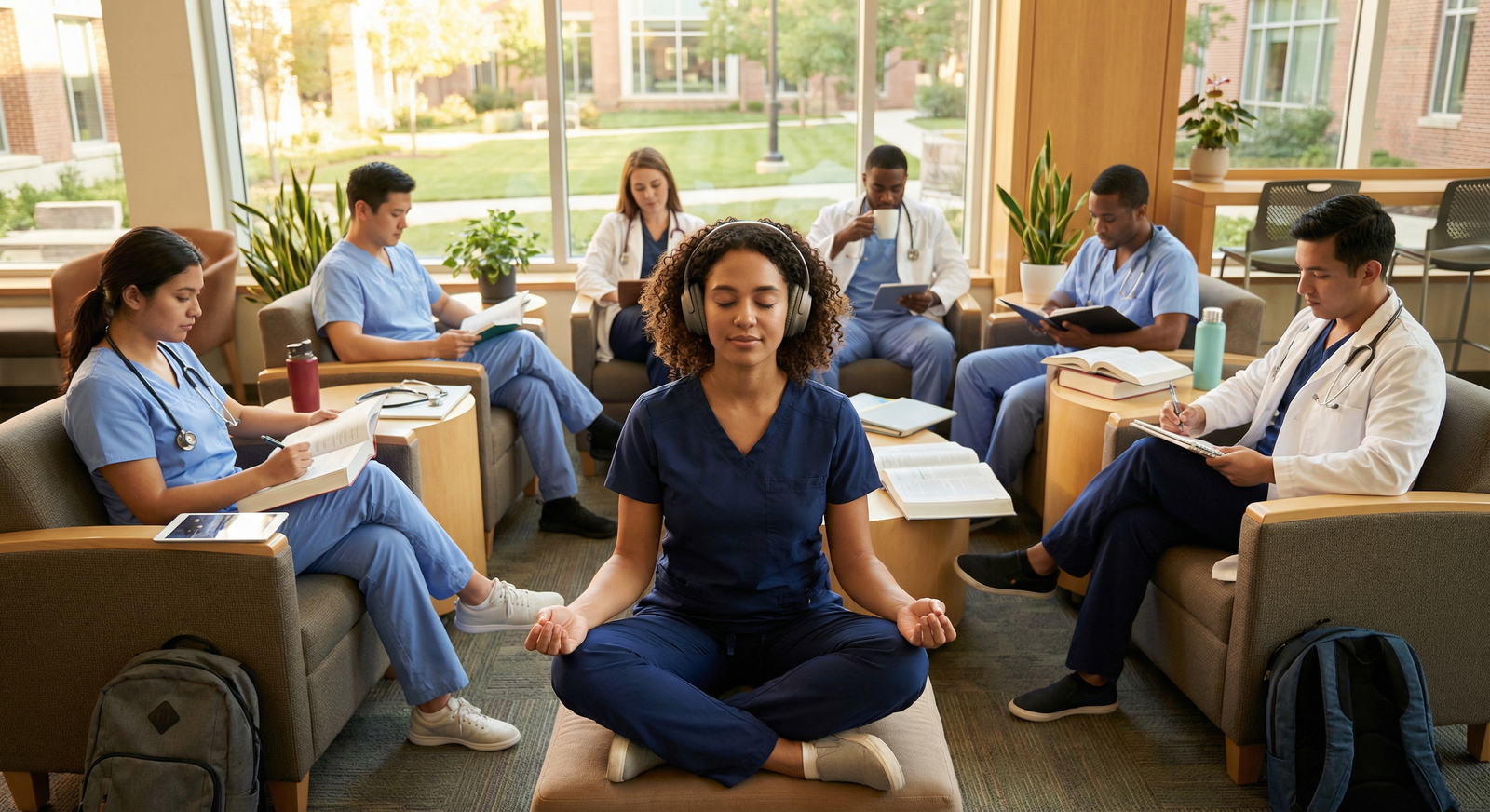
2. Mindfulness and Stress Reduction Techniques
Mindfulness-based interventions are strongly associated with reduced perceived stress and improved well-being among medical students.
Core Mindfulness Practices
2–5 Minute Breathing Breaks
- Inhale for 4 seconds, hold for 4, exhale for 6–8 seconds.
- Practice between study blocks, before exams, or after intense patient encounters.
Body Scan Meditation (5–10 minutes)
- Gradually bring attention to each body region, noticing tension without judgment.
- This can help you detect physical signs of stress (tight shoulders, clenched jaw) early.
Guided Visualization
- Imagine a safe, calm place (beach, forest, favorite room) or visualize a successful, grounded version of yourself walking into an exam or clinical shift.
Mindful Transitions
- When switching from lectures to study, or from the hospital to home, take 1–2 minutes to pause, breathe, and intentionally “close” the previous activity in your mind.
Integrating brief mindfulness into your daily routine can reduce stress reactivity and improve focus, directly benefiting your study effectiveness and mental health.
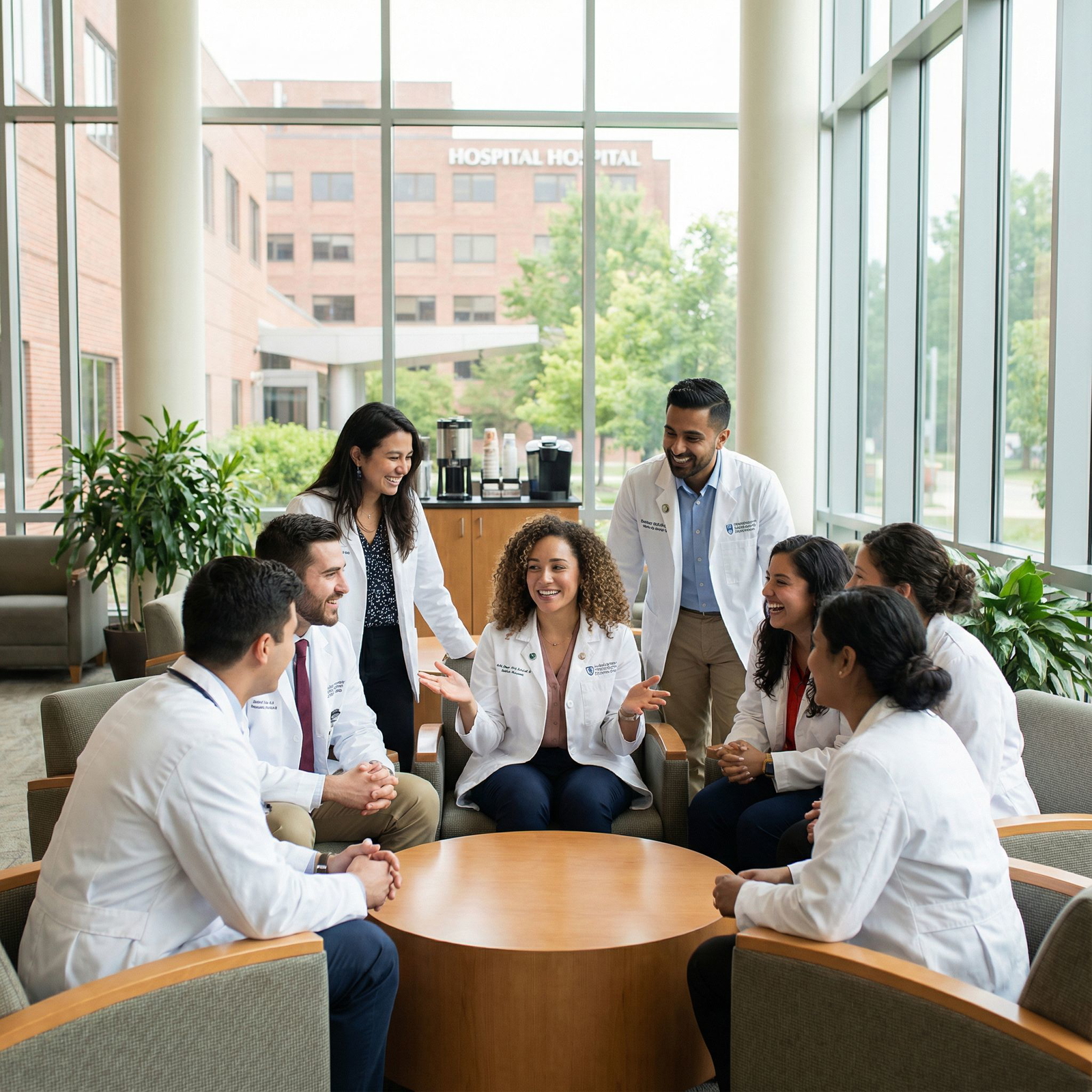
3. Building Supportive Academic and Social Networks
Isolation magnifies stress. Intentional social connection is a powerful resilience skill, not a distraction.
Strategies for Building Support
Peer Study and Support Groups
- Join or form small groups (3–5 people) for shared resources, spaced-review sessions, and emotional check-ins.
- Agree on norms: psychological safety, respect, and no shaming for not knowing something.
Mentorship
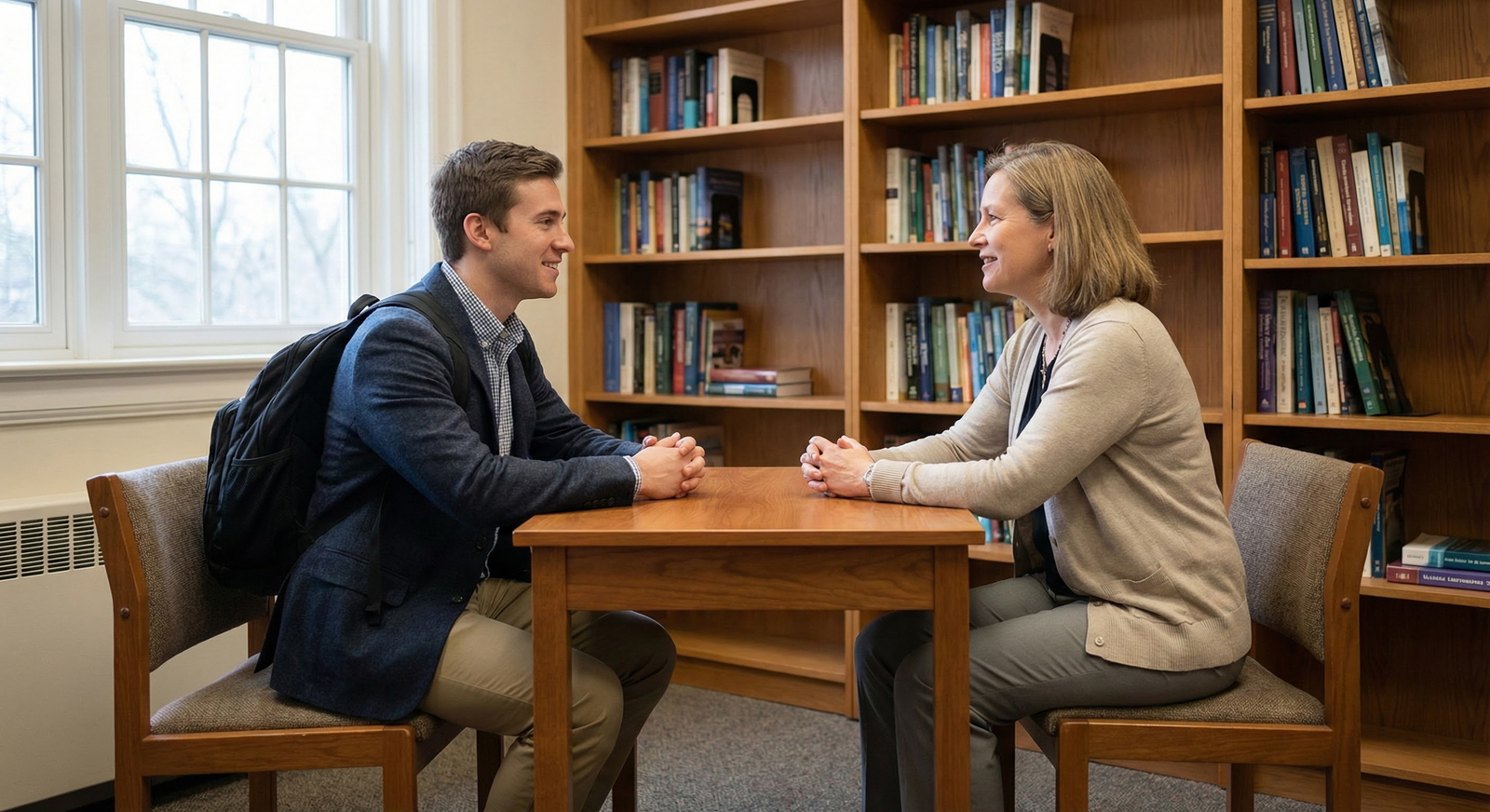
- Seek mentors at multiple levels: senior students, residents, faculty advisors.
- Ask about how they managed stress, clinical transitions, and failures—not just how they succeeded.
Formal Support Programs
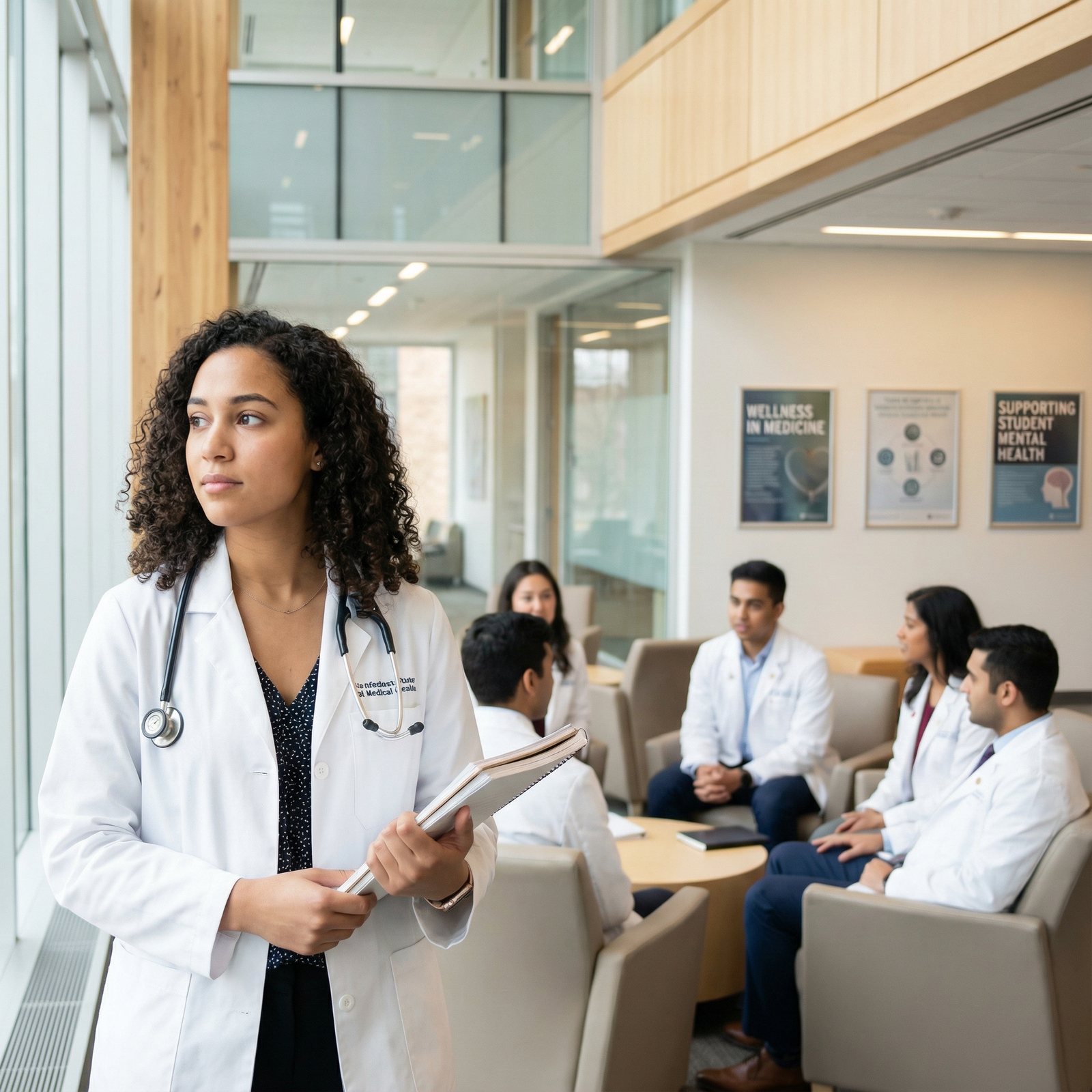
- Participate in peer-support or wellness groups, Balint groups, or student-run mental health initiatives if your school offers them.
Use Institutional Resources
- Counseling services, learning specialists, and wellness offices exist for a reason. Choosing to use them is a sign of maturity, not weakness.
Healthy relationships act as buffers against stress and are repeatedly linked with better mental health and academic outcomes.
4. Goal Setting, Time Management, and Academic Resilience
Goal setting done well can transform stress into direction. Done poorly, it feeds perfectionism and burnout.
SMART Goal-Setting for Medical Students
Use SMART (Specific, Measurable, Achievable, Relevant, Time-bound) goals to balance ambition with reality.
- Examples
- Instead of: “Do cardiology,” set: “Complete 40 cardiology questions and review explanations in 90 minutes this afternoon.”
- Instead of: “Get better at presenting,” set: “On my next three rounds, I will practice using a structured 2–3 minute oral case presentation template.”
Academic Resilience Strategies
Plan for setbacks
- Assume some exams or OSCEs will not go as planned. Decide in advance: “If I underperform, I will take one day to process, then meet with a tutor or faculty and adjust my strategy.”
Use learning analytics
- Track your performance on question banks or quizzes to identify weak areas. View low scores as data, not judgments of your worth.
Chunking and Scheduling
- Break major tasks (e.g., “study for Step”) into weekly and daily chunks.
- Use time-blocking with built-in breaks and non-negotiable rest.
This framework transforms stress from a vague threat into manageable, actionable steps.
5. Physical Health, Sleep, and Foundational Self-Care
Your brain is part of your body. Physical health practices are not separate from resilience—they are core components.
Movement and Exercise
- Aim for at least 150 minutes of moderate activity per week (e.g., brisk walking, cycling, light jogging), or shorter high-intensity intervals if time is limited.
- Use micro-movements: stairs instead of elevators, 5–10 minute walks between study blocks or after long sessions on the wards.
Exercise is consistently linked to reduced stress, better mood, and improved cognitive function—all crucial to academic success.
Nutrition and Hydration
- Prioritize regular meals to avoid crashes in concentration.
- Focus on whole foods, lean proteins, fruits, vegetables, and complex carbohydrates.
- Keep healthy snacks (nuts, yogurt, fruit) in your bag or locker to prevent relying solely on vending machines or sugary options.
Sleep Hygiene
- Aim for 7–9 hours of sleep when possible, even during heavy exam periods.
- Maintain a consistent sleep-wake schedule, even on weekends when feasible.
- Reserve your bed primarily for sleep (and not endless late-night studying) to strengthen the mental association between bed and rest.
Good sleep is one of the most effective “secret weapons” for mental health, learning, and emotional regulation.
Real-World Examples: Resilience Training in Action
Structured Resilience and Mindfulness Programs
At a large medical school, a structured Resilience Training program integrated into the curriculum included:
- Weekly small-group sessions on stress management and cognitive restructuring
- Short, guided mindfulness practices at the beginning of selected lectures
- Workshops on recognizing burnout, setting boundaries, and seeking help
Evaluation showed:
- Decreased self-reported stress levels
- Improved sense of community and peer support
- Higher satisfaction with the overall medical school experience
Students also reported feeling better prepared for emotionally intense clinical rotations and more confident in their ability to manage future professional challenges.
Peer-Led Resilience and Support Groups
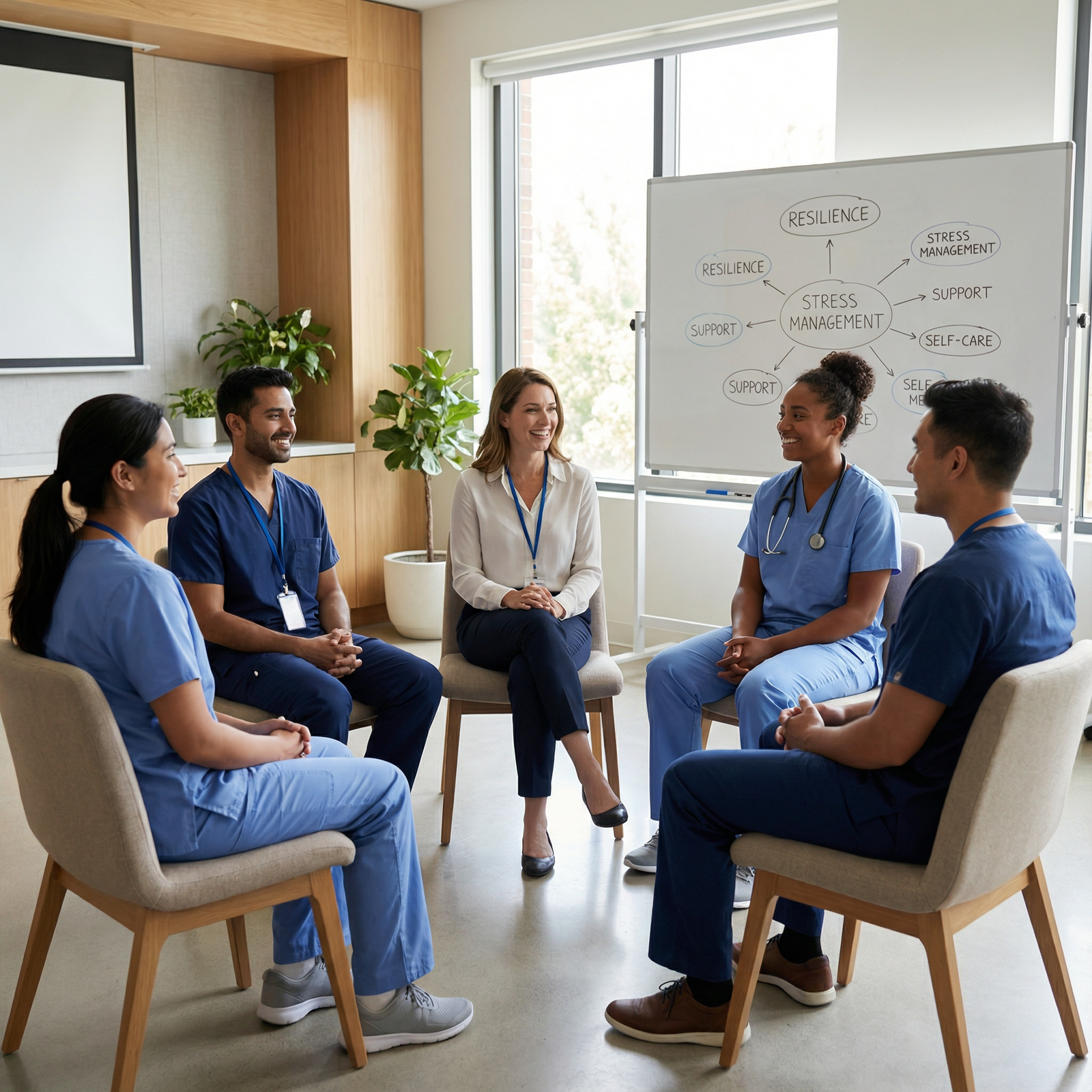
In another instance, medical students launched a peer-led resilience group that met biweekly. Sessions included:
- Sharing real experiences of failure (failed exams, remediation, tough feedback)
- Practicing brief mindfulness and breathing exercises together
- Swapping practical strategies for study efficiency, sleep, and time management
Over time, participants reported:
- Reduced sense of isolation (“I’m not the only one struggling”)
- Stronger friendships and trust within the class
- Increased willingness to seek help early when facing emotional or academic difficulties
These examples demonstrate that resilience is not only an individual skill set but also a culture that can be nurtured among medical students.
FAQs: Resilience Training, Mental Health, and Academic Success in Medical School
1. What exactly is Resilience Training for medical students?
Resilience Training is a structured approach to building skills that help you manage stress, adapt to challenges, and maintain well-being during medical school. It typically includes techniques such as:
- Mindfulness and relaxation exercises
- Cognitive strategies (reframing negative thoughts, problem-solving)
- Self-reflection and journaling
- Building social support and mentorship
- Time management and goal-setting tools
These skills are designed to support your mental health, preserve your motivation, and improve your capacity to learn and perform under pressure.
2. Can resilience really be learned, or is it just a personality trait?
Resilience is absolutely learnable. While some people may start with a temperament that makes coping easier, decades of research show that:
- Emotional regulation, stress management, and cognitive flexibility can be trained
- Behavior changes (sleep, exercise, help-seeking) significantly influence resilience
- Supportive environments (peer groups, mentorship, wellness programs) strengthen resilience over time
Think of resilience like clinical reasoning or suturing—some may pick it up more quickly, but everyone improves with deliberate practice and feedback.
3. How does resilience help with academic performance and exam success?
Resilience and academic success are closely linked. Higher resilience is associated with:
- Better concentration and memory under stress
- Faster recovery from poor quiz/exam performance
- More consistent study habits and fewer all-nighters
- Less procrastination driven by anxiety or fear of failure
For example, after a disappointing exam score, a resilient student is more likely to analyze what went wrong, seek targeted help, and modify their study plan, rather than spiraling into self-criticism and avoidance.
4. What should I do if I feel my stress is unmanageable despite using these strategies?
If your stress, anxiety, or low mood feels overwhelming or persistent, it’s important to seek additional support. Consider:
- Reaching out to your school’s counseling or mental health services
- Talking with a trusted faculty advisor or mentor
- Speaking with your primary care physician or a mental health professional
Signs you should seek help urgently include: persistent thoughts of self-harm, inability to function in day-to-day tasks, severe insomnia, or significant use of substances to cope. Seeking help is a proactive component of resilience, not a sign of weakness.
5. How can medical schools support resilience and mental health more effectively?
Institutions play a major role in shaping students’ resilience. Effective approaches include:
- Integrating wellness and resilience content into the core curriculum
- Offering confidential, easily accessible mental health services
- Designing schedules that allow for rest, reflection, and recovery
- Training faculty to give constructive feedback and model healthy coping
- Supporting peer-led groups focused on wellness, mentorship, and community
A truly resilient medical culture is one where both students and institutions share responsibility for mental health and sustainable practice.
Resilience Training for medical students is not about ignoring real systemic problems or pretending everything is fine. It is about equipping you with realistic, evidence-informed tools to navigate rigorous training, protect your mental health, and achieve academic success without losing your humanity in the process. By deliberately cultivating resilience now, you build a foundation for a satisfying, sustainable medical career.