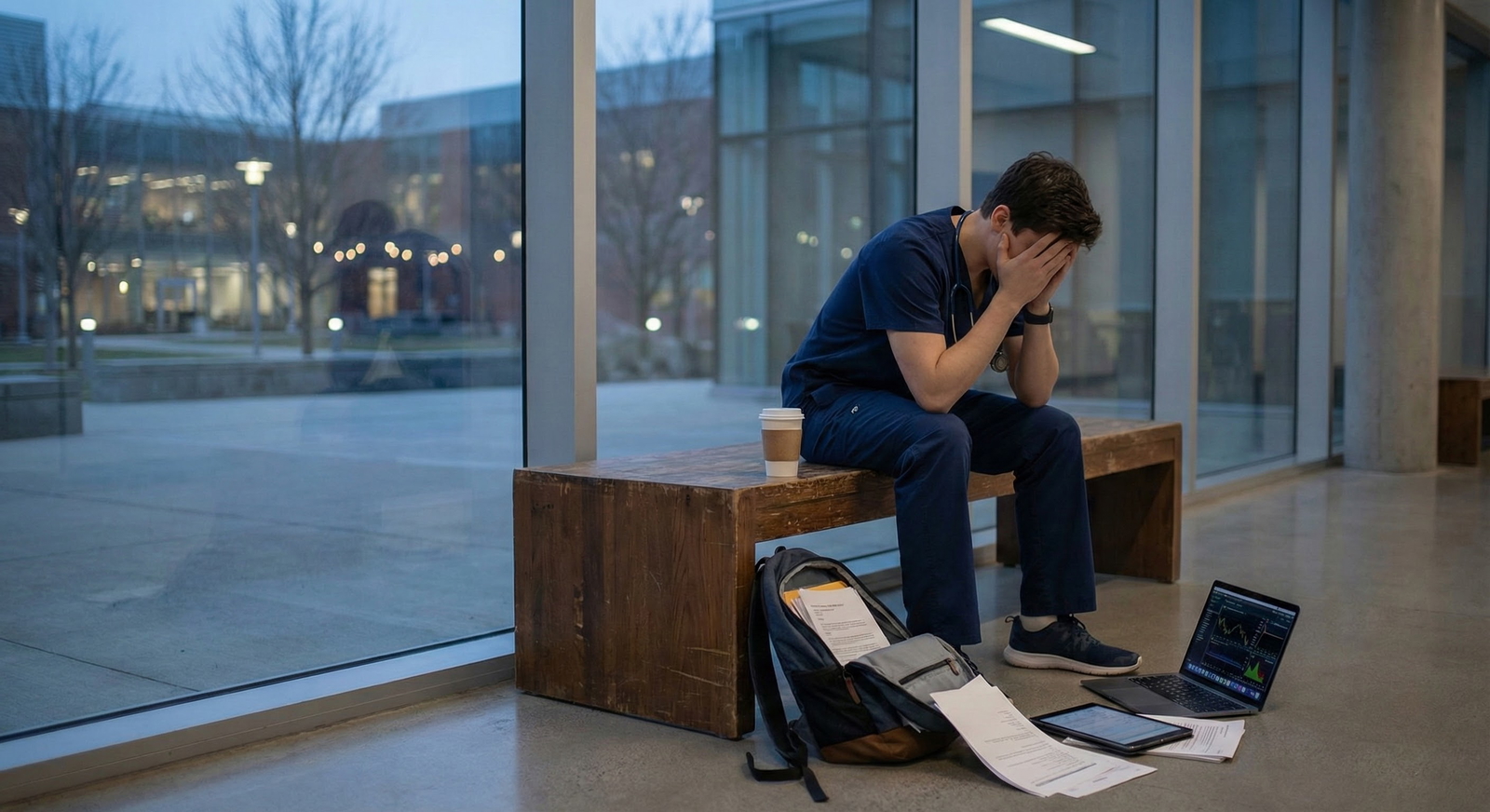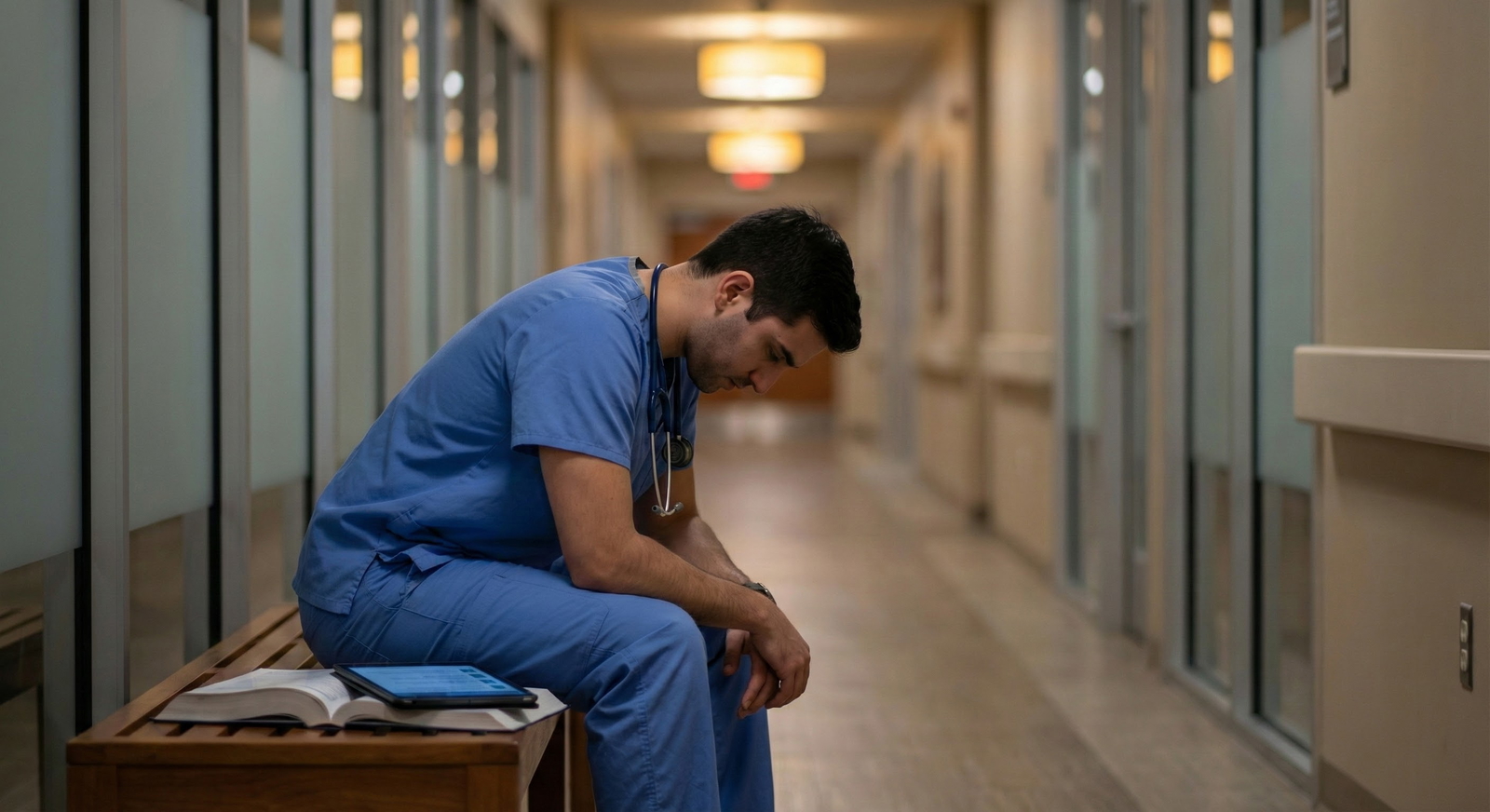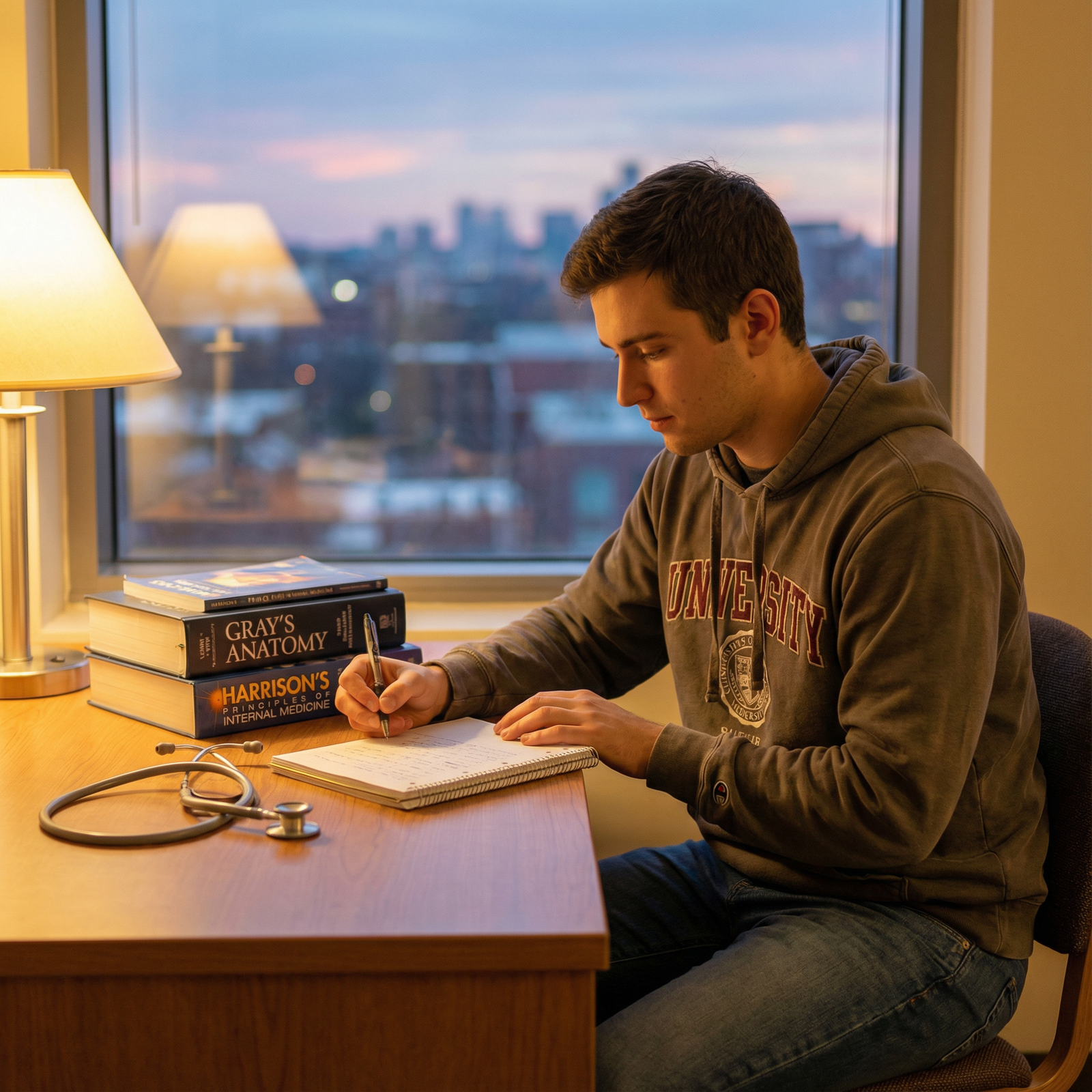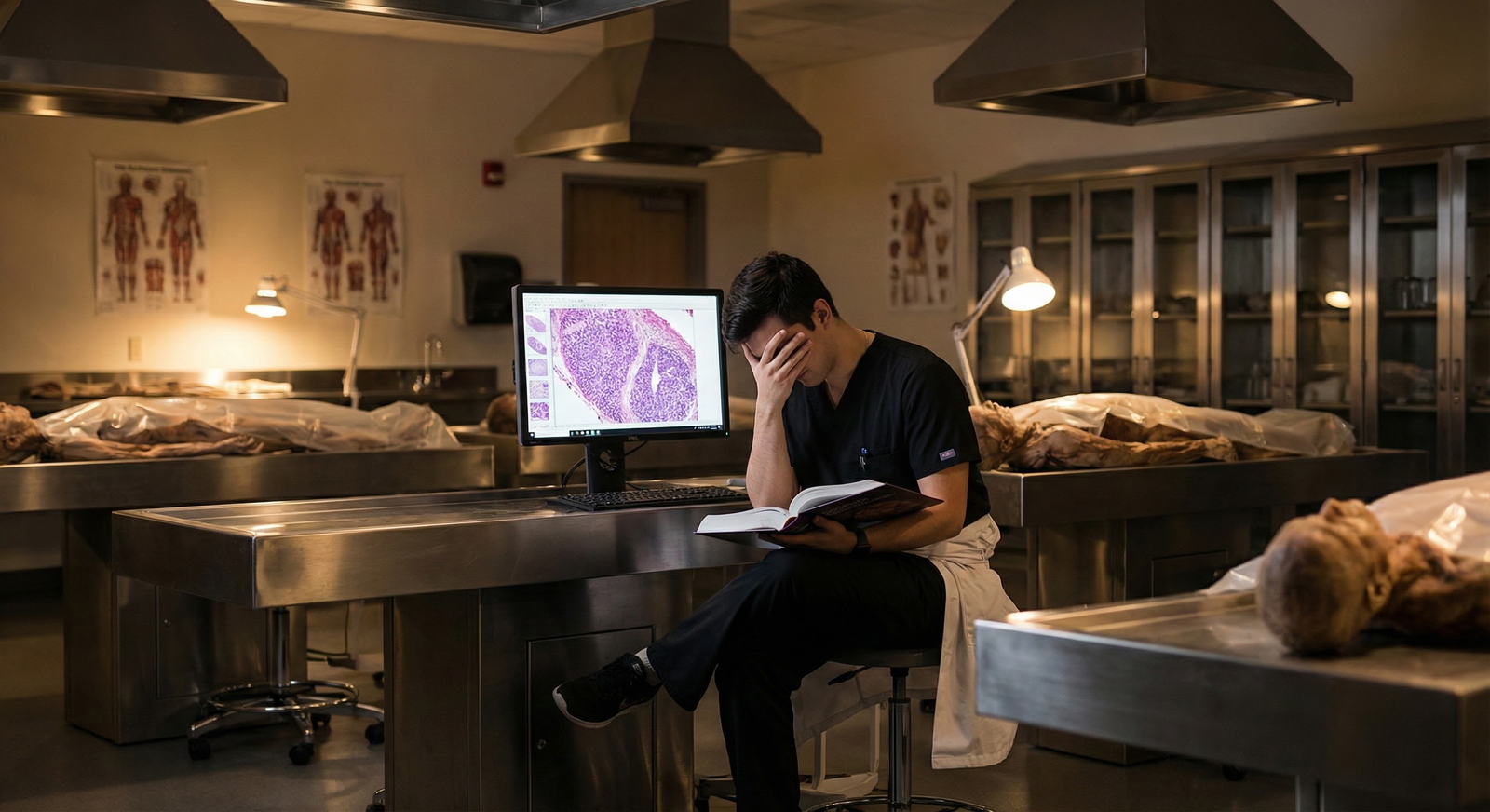
Medical school is often described as a marathon, not a sprint—a journey filled with knowledge, responsibility, and the promise of changing lives. But behind the white coats and anatomy labs, many students quietly struggle with stress, exhaustion, and emotional strain.
Balancing Academics and Mental Health is not a “nice-to-have” add-on to your education; it’s a core competency. Your ability to care for yourself directly shapes your ability to care for patients and to sustain a long, meaningful career in medicine.
This guide explores the intersection of Medical Education, Student Wellness, and Self-Care. You’ll find evidence-informed strategies, practical tools, and realistic examples to help you balance intense academic demands with your mental wellness.
The Growing Concern of Mental Health in Medical Education
Understanding the Mental Health Landscape in Med School
Across the globe, data consistently show that medical students face higher rates of depression, anxiety, and burnout than their non-medical peers. The American Medical Association (AMA) and other organizations have highlighted a concerning pattern:
- About 1 in 4 medical students experiences significant symptoms of depression.
- A substantial proportion report high levels of anxiety, often linked to exams, clinical responsibilities, and fear of failure.
- Suicidal ideation is more common among medical trainees than many other student groups.
Frequently reported statistics in medical education:
- 27.2% of medical students experience depression or depressive symptoms
- 11.1% report suicidal ideation at some point during their training
- Around 44% feel overwhelmed by anxiety or persistent stress
While exact numbers vary by study and country, the trend is consistent: the mental health burden among medical students is significant and cannot be ignored.
This matters not just for your personal well-being, but also for:
- Academic performance – Poor mental health can impair memory, focus, and learning.
- Clinical performance – Emotional exhaustion and burnout can affect empathy, decision-making, and patient safety.
- Long-term career sustainability – Unaddressed mental health issues in training can evolve into chronic burnout in residency and beyond.
Mental health in Medical Education is therefore not just a personal issue—it’s a professional and systemic issue.
Related: The Silent Struggle: Understanding the Importance of Mental Health in Med School (/resources/incrementId=328)
How Academics and Mental Health Interact: A Two-Way Street
The Vicious Cycle of Stress and Performance
Academic stress and mental health challenges often feed into each other, creating a self-reinforcing loop:
Academic pressure builds
Heavy course loads, frequent exams, and high-stakes evaluations lead to chronic stress.Mental health begins to suffer
Stress can progress to anxiety, insomnia, low mood, or full-blown burnout.Cognitive function declines
Poor sleep and anxiety impair concentration, memory, and problem-solving—skills you heavily rely on to succeed in medical school.Academic performance drops
Lower scores or difficulty keeping up with material increase self-doubt and stress.Negative self-talk and perfectionism intensify
You might start to believe you’re “not cut out for this,” which further worsens mood and motivation.
Without intervention, this spiral can become hard to break.
Common consequences of poor mental health in med school include:
- Decreased academic performance and exam scores
- Increased absenteeism from lectures, clinical duties, or labs
- Impaired decision-making and slower clinical reasoning
- Emotional exhaustion and depersonalization (hallmarks of burnout)
- Strained relationships with peers, faculty, and loved ones
- Lower overall life satisfaction and loss of meaning in medicine
Perfectionism and the Role of Self-Compassion
Many medical students are high achievers with strong perfectionistic tendencies. That drive often helped you get into medical school—but unchecked perfectionism can become toxic.
You might notice thoughts like:
- “If I don’t honor every exam, I’m failing.”
- “Everyone else seems to be managing this better than I am.”
- “I can’t show weakness; I have to keep it together.”
This mindset increases shame and self-criticism, especially when you inevitably encounter setbacks.
Self-compassion is a powerful antidote. It doesn’t mean lowering your standards or becoming complacent. Instead, it means treating yourself with the same understanding and kindness you would extend to a patient or close friend.
Practical self-compassion techniques:
Mindful reflection
- Take 5–10 minutes to sit quietly and notice your thoughts and emotions without judging them as “good” or “bad.”
- Ask yourself: What am I feeling right now? What might I need?
Reframing inner dialogue
- Replace “I’m failing” with “I’m facing a difficult situation, and it’s understandable that I’m struggling.”
- Use realistic affirmations: “I can learn from this exam and adjust my strategy.”
Normalize struggle
- Remind yourself: Many capable medical students feel this way. I’m not alone, and this doesn’t define my future as a physician.
Compassionate action
- Ask: “If a friend were in my situation, what would I encourage them to do?” Then apply that advice to yourself—whether it’s taking a break, asking for help, or adjusting expectations.
See: Relaxation Techniques to Alleviate Stress in Medical School (/resources/incrementId=1240)

Core Strategies for Balancing Academics and Mental Wellness
1. Prioritize Self-Care as a Non-Negotiable
Self-care is not selfish; it’s a professional responsibility. Your brain is your primary clinical tool, and it needs maintenance.
Physical Self-Care
Regular exercise
- Even 20–30 minutes of moderate activity (walking, jogging, cycling, yoga) 3–5 times per week can improve mood, concentration, and sleep.
- Integrate movement into your schedule: walk between classes, take the stairs, or do a quick bodyweight workout at home.
Nutrition
- Aim for balanced meals with protein, complex carbohydrates, and healthy fats to support sustained energy.
- Keep simple, healthy snacks available (nuts, fruit, yogurt) to avoid running on caffeine and sugar alone.
Adequate sleep
- Target 7–9 hours of sleep most nights. Chronic sleep deprivation undermines learning, memory consolidation, and mood.
- Protect your sleep as you would protect a mandatory lecture: set a consistent sleep-wake schedule, limit screens before bed, and avoid late-night cramming when possible.
Emotional and Psychological Self-Care
Mindfulness and meditation
- Short daily practices (5–10 minutes) can reduce anxiety and improve focus. Apps like Headspace, Calm, or Insight Timer can be helpful.
- Try a simple exercise: focus on your breath for 10 cycles, noticing sensations of air entering and leaving your body.
Scheduled downtime
- Intentionally plan time that is “off-limits” to studying—even if it’s just 30 minutes in the evening—to read for pleasure, watch a show, or connect with friends.
Boundaries with technology
- Limit constant comparison via social media and competitive group chats, especially around exam times.
- Use “Do Not Disturb” during deep study blocks and wind-down periods.
2. Build and Use a Support Network
Feeling like you have to handle everything alone is common—but rarely effective.
Academic and Peer Support
Study groups
- Structured, small groups (3–5 students) can make learning more active and reduce isolation.
- Set clear goals for each session: “We’ll review cardiovascular pathophysiology and quiz each other on key concepts.”
Accountability partners
- Pair with a classmate to share weekly goals and check in on progress. This can support both productivity and wellness.
Upper-year mentors
- Seek out senior students or residents who can share their strategies for Balancing Academics and Mental Health.
- Ask specific questions: “How did you handle Step/board prep without burning out?”
Emotional and Professional Support
Peer support programs
- Many schools offer peer listener or wellness programs where you can talk to trained students confidentially.
Faculty advisors or deans of student affairs
- They can help you adjust schedules, access resources, or advocate for accommodations if you’re struggling.
Family and friends outside medicine
- Maintaining connections outside the “med school bubble” can provide perspective and emotional grounding.
3. Practice Realistic Goal-Setting and Time Management
Balancing Academics requires strategic planning, not just working harder.
Use SMART Goals
Instead of “I need to master cardiology this week,” try:
- Specific: “I will review valvular diseases and cardiomyopathies.”
- Measurable: “I will complete 60 related Q-bank questions.”
- Achievable: “I’ll study 2 hours per evening on weekdays.”
- Relevant: “This aligns with next week’s exam content.”
- Time-bound: “I’ll finish by Sunday evening and review my incorrect answers.”
Break Work into Manageable Units
- Divide large tasks into smaller steps:
- “Outline lecture notes” → “Review first 20 slides” → “Summarize key points”
- Use short, focused study blocks (e.g., 25–50 minutes) with 5–10 minute breaks (Pomodoro technique).
Protect Time for Self-Care and Rest
- Schedule self-care and sleep into your calendar the same way you schedule labs and small groups.
- Treat these blocks as commitments, not optional extras.
Related: Mastering Time Management: Your Key to Thriving in Medical School (/resources/incrementId=197)
4. Seek Professional Help Early—Not as a Last Resort
Recognizing when you need extra support is a strength, not a weakness.
Consider reaching out to a mental health professional if you notice:
- Persistent sadness, anxiety, or irritability lasting more than two weeks
- Significant changes in sleep, appetite, or energy
- Loss of interest in activities you usually enjoy
- Difficulty concentrating or functioning academically despite effort
- Thoughts of self-harm, suicide, or hopelessness
Available resources may include:
- On-campus counseling or wellness centers
- Therapists experienced in working with medical trainees
- Employee assistance programs (for those working clinically)
- Crisis hotlines or text lines (know your local and national options)
Confidentiality is a cornerstone of mental health care. Many students worry about stigma or career impact; however, seeking timely help is more likely to protect your training and future career than harm it.
5. Study Smarter: Techniques That Support Learning and Wellness
Effective studying reduces the need for all-nighters and last-minute panic.
Evidence-Based Study Strategies
Spaced repetition
- Use tools like Anki or other flashcard apps to review material at increasing intervals.
- This promotes long-term retention and reduces the pressure of last-minute cramming.
Active learning
- Teach a concept to a friend, explain it out loud, or draw diagrams and concept maps.
- Use practice questions (Q-banks) to apply knowledge and identify gaps.
Interleaving and retrieval practice
- Mix topics within a study session instead of focusing on a single subject for hours.
- Frequently self-test rather than just rereading notes.
Structuring Your Study Week
- Allocate time based on exam proximity and relative difficulty of topics.
- Build in review days to consolidate information instead of constantly adding new content.
See: Top 10 Study Techniques for Medical Students (/resources/incrementId=1090)
Recognizing and Responding to Burnout
Early Signs of Burnout in Medical Students
Burnout typically involves three main dimensions: emotional exhaustion, depersonalization (feeling detached or cynical), and reduced sense of accomplishment.
Pay attention to signals such as:
- Chronic fatigue, even after rest
- Irritability or feeling “on edge” with peers, patients, or loved ones
- Increasing cynicism or detachment from patients and coursework
- Feeling like nothing you do is good enough, despite significant effort
- Declining academic performance or disengagement from learning
- Using unhealthy coping mechanisms (excessive alcohol, substances, or gaming to escape)
Taking Action Against Burnout
If you notice early signs, intervene as soon as possible.
Immediate steps you can take:
Pause and reassess
- Ask: “What is driving my exhaustion right now? Is it schedule, mindset, workload, or something else?”
Adjust your workload where possible
- Talk to an advisor about temporary schedule changes or extensions for major assignments if needed and appropriate.
Schedule true rest
- Dedicate part of a day each week to no academic work. Protect this time as “recovery time.”
Re-engage with what gives you meaning
- Spend time in clinical settings that remind you why you chose medicine.
- Volunteer, shadow, or talk to a mentor who inspires you.
Rebuild healthy routines
- Re-establish basic pillars: sleep, nutrition, movement, and social connection.
If burnout symptoms persist or worsen, it is vital to involve a mental health professional and your school’s support system.
Frequently Asked Questions: Balancing Academics and Mental Wellness in Med School
1. How can I improve time management without sacrificing my mental health?
Effective time management supports Student Wellness rather than competing with it. Consider:
- Plan your week, not just your day. Block out classes, study sessions, meals, exercise, and rest.
- Use realistic study blocks. Aim for 2–4 focused study blocks per day rather than 10 unfocused hours.
- Prioritize tasks. Use a simple system (e.g., urgent/important matrix) to decide what matters most today.
- Batch similar tasks. Answer emails or messages in one or two short windows, not constantly throughout the day.
Most importantly, schedule non-negotiable self-care (sleep, movement, connection) into your calendar first, then fit study around it. Sustainable productivity is more valuable than frantic marathon sessions.
2. What should I do if I feel overwhelmed by my workload?
Feeling overwhelmed is common, especially near exams or during demanding rotations. When this happens:
- Break tasks down. Turn “study for exam” into specific items like “review neuroanatomy cranial nerves” or “do 40 cardio Q-bank questions.”
- Limit your to-do list. Choose 3–5 high-priority tasks for the day rather than a long, unrealistic list.
- Ask for help. Reach out to peers for study support, faculty for clarification on concepts, or mentors for perspective.
- Use grounding techniques. When anxiety spikes, try deep breathing (inhale 4 seconds, exhale 6 seconds) or a brief walk to reset.
If you regularly feel overwhelmed to the point that you can’t function or cope, it may be time to involve your school’s counseling services or a mental health professional.
3. How important is sleep for medical students, really?
Sleep is fundamental to Balancing Academics and Mental Health. It is not wasted time—it is when your brain consolidates learning and restores emotional balance.
- Cognitive benefits: Memory consolidation, problem-solving, and attention are all impaired when sleep-deprived.
- Emotional regulation: Poor sleep worsens anxiety, irritability, and depressive symptoms.
- Performance and safety: In clinical settings, exhaustion can increase the risk of errors.
Strive for 7–9 hours most nights. If occasional short nights are unavoidable (e.g., call, major exam), prioritize recovery sleep afterward, and avoid making chronic sleep deprivation your norm.
4. Is it normal to feel anxious or down in medical school? When should I be concerned?
Some level of stress and anxiety is expected in a demanding environment like Medical Education. Short periods of worry before exams or sadness after a disappointing grade are normal.
You should consider seeking help if:
- Symptoms (anxiety, low mood, irritability) persist most days for more than two weeks
- Your grades, relationships, or ability to function are significantly affected
- You withdraw from friends and activities you usually enjoy
- You experience thoughts of self-harm, suicide, or hopelessness
Early support is highly effective and can prevent more serious problems down the line.
5. What wellness resources should I look for at my medical school?
Many institutions are expanding their wellness offerings. Possible resources include:
- Student counseling services with therapists familiar with medical training
- Wellness or resilience workshops on stress management, mindfulness, and self-care
- Peer support or mentoring programs linking you with upper-year students or residents
- Academic support services for study skills, time management, and test-taking strategies
- Designated wellness days or activities integrated into the curriculum
If you’re unsure what exists at your school, start by checking the student affairs office, counseling center, or school website. If resources are limited, consider advocating—respectfully and collaboratively—for expanded support.
Final Thoughts: Striving for Sustainable Balance in Medicine
Balancing Academics and Mental Wellness in medical school is challenging, but it is possible—and essential. You are not just training your mind to memorize facts; you are training your entire self to become a resilient, compassionate physician.
By:
- Recognizing the real impact of Mental Health on learning and performance
- Practicing self-compassion rather than relentless self-criticism
- Integrating consistent Self-Care into your daily routine
- Building a supportive network of peers, mentors, and professionals
- Using evidence-based study strategies that honor your limits
…you can create a version of medical school that is demanding, yes, but also meaningful, sustainable, and growth-oriented.
Protecting your wellness is not a sign that you are less committed to medicine—it is one of the clearest signs that you are preparing to serve patients safely, empathically, and effectively for the long term.