Introduction: Why Mastering Medical Shadowing Really Matters
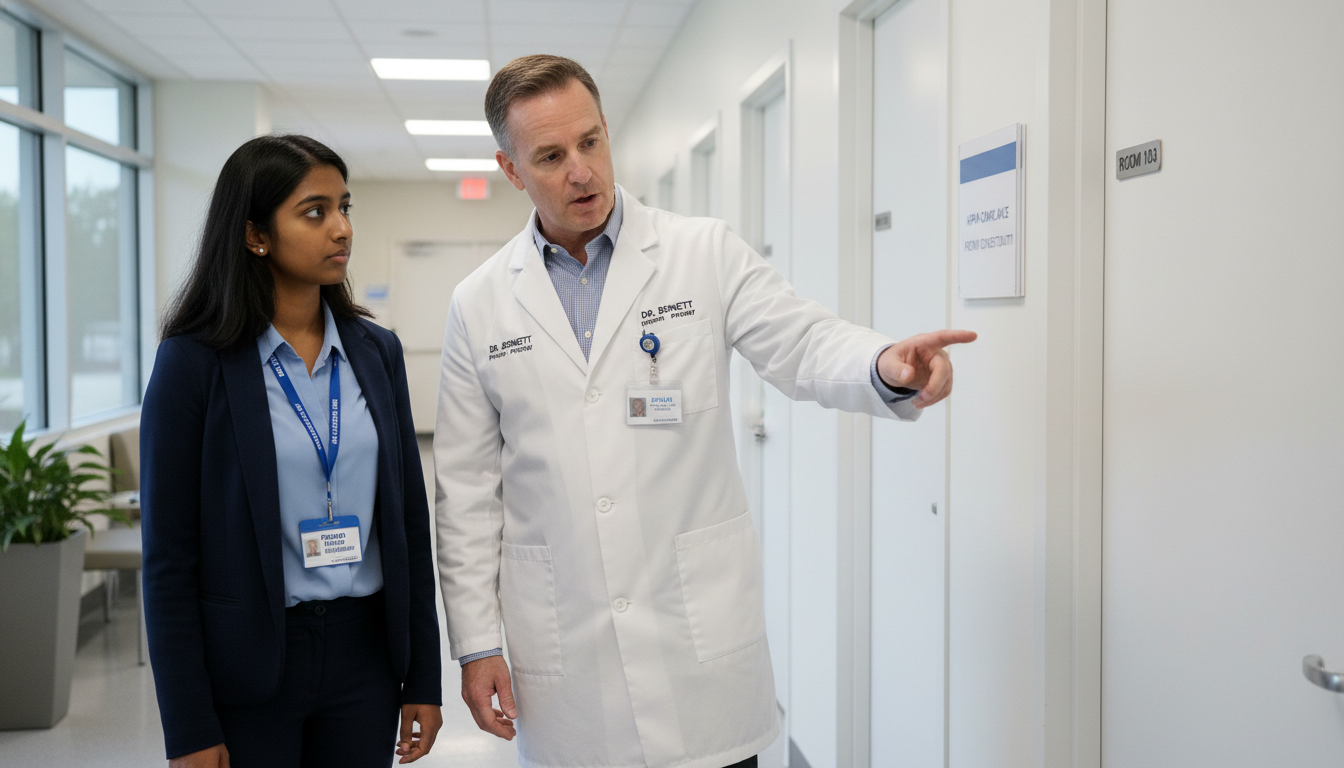
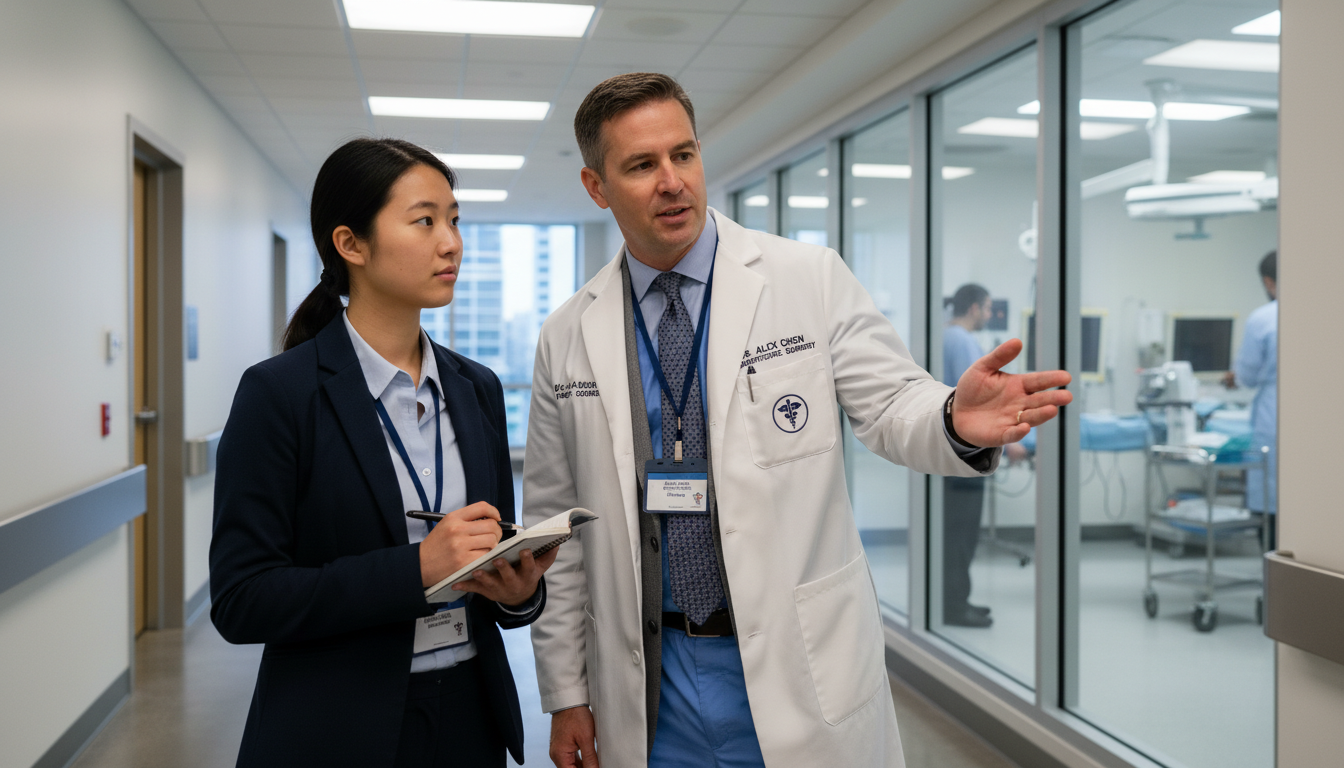
For many pre-med students, medical shadowing is the first real window into the world of healthcare careers. Long before you don a white coat or write your first prescription, you’ll likely stand quietly in the corner of an exam room, watching a physician navigate complex clinical decisions, sensitive conversations, and the realities of modern medical practice.
Medical shadowing is far more than a checkbox for your medical school application. Done well, it can:
- Clarify whether a career in medicine genuinely fits you
- Help you build early professional habits and networks
- Deepen your understanding of patient care and healthcare systems
- Provide powerful stories and reflections for secondaries and interviews
This guide will help you move from passive observer to intentional learner. You’ll learn how to prepare effectively, behave professionally, reflect meaningfully, and transform shadowing hours into authentic growth and strong evidence of your commitment to medicine.
The Impact of Medical Shadowing on Your Medical Journey
Gaining Real Insight into Day-to-Day Medical Practice
Textbooks, MCAT content, and undergraduate courses teach you what medicine is. Shadowing shows you what it feels like.
Through medical shadowing, you can observe:
- Physician–patient communication: How doctors break bad news, manage expectations, and build trust
- Clinical reasoning in real time: How they gather information, form a differential diagnosis, and make decisions with uncertainty
- Workflow and time pressures: Double-booked appointments, electronic medical records, prior authorizations, and urgent interruptions
- Interdisciplinary collaboration: Interactions with nurses, medical assistants, pharmacists, social workers, and other physicians
These experiences help answer critical questions for your own career development:
- Do you feel energized or drained by patient interactions?
- How do you react to the emotional weight of serious illness or death?
- Can you see yourself thriving in a fast-paced, often unpredictable environment?
Shadowing doesn’t need to be dramatic to be valuable. Even routine visits—follow-ups, chronic disease management, preventive care—teach you what most of a physician’s day really looks like.
Building a Professional Network in Healthcare Careers
Shadowing is often your first entry point into professional networking in medicine.
Through consistent, respectful engagement, you can:
- Develop mentors who understand your strengths and goals
- Gain insights into specialty choice and training pathways
- Learn about research, volunteering, or scribing opportunities
- Obtain strong, personalized letters of recommendation
To maximize networking during medical shadowing:
- Show reliability: Be punctual, prepared, and consistent across multiple visits
- Demonstrate curiosity: Ask thoughtful questions and follow up on previous discussions
- Stay in touch: Send occasional updates on your progress and gratitude for their mentorship
Many physicians are eager to support motivated pre-med students—but they are also busy. The more you demonstrate professionalism and initiative, the more likely they are to invest in your career development.
Strengthening Your Medical School Application and Story
Most admissions committees expect some form of clinical exposure, and medical shadowing is one of the most accessible ways to obtain it. But the quality of your shadowing experience often matters more than the raw number of hours.
Shadowing can help you:
- Confirm that you understand what the physician role actually entails
- Develop specific examples for essays and interviews (e.g., a challenging patient interaction that shaped your views on empathy or ethics)
- Reflect on your motivations for medicine with greater depth and authenticity
- Demonstrate a pattern of sustained engagement in healthcare careers over time
In your personal statement and secondaries, the best shadowing stories are not detailed case reports. Instead, they communicate:
- What you observed
- How it affected your understanding of medicine
- How it influenced your goals, values, or plans
Preparing for a High-Impact Medical Shadowing Experience

Clarifying Your Goals Before You Step into the Clinic
Before your first day, ask yourself what you hope to gain from this particular shadowing experience. Not all experiences will serve the same purpose.
Possible goals include:
- Understanding what a typical day looks like in a specific specialty
- Observing how physicians handle emotionally charged encounters
- Learning how healthcare teams collaborate in inpatient vs. outpatient settings
- Exploring how physicians balance clinical work with teaching, research, or administration
Write down 3–5 goals in a notebook or document. Refer to them after each session to gauge what you’re learning and what still feels unclear.
Researching the Physician, Practice, and Specialty
Entering a shadowing site with context shows respect and allows you to engage at a higher level.
Consider researching:
- The physician’s specialty: Internal medicine vs. family medicine vs. surgery vs. pediatrics, etc.
- Common conditions they see (e.g., hypertension and diabetes in primary care; ACL tears in orthopedics)
- Practice setting: Academic medical center, community hospital, private practice, FQHC, VA system
- Patient population: Age range, socioeconomic background, language needs, cultural diversity
You don’t need to memorize textbooks, but having basic familiarity with the field allows you to ask more precise questions like:
- “I noticed many patients had [condition]. How do you typically approach long-term management?”
- “What are some of the biggest challenges in this specialty right now?”
Understanding Logistics and Expectations
Clarify these details in advance:
- Start and end times
- Where to meet (office, lobby, hospital entrance)
- Required documents (immunization records, TB testing, HIPAA training, proof of vaccination)
- Dress code (business casual, white coat, closed-toe shoes)
- Any restrictions (e.g., no phones in clinical spaces, no note-taking in front of patients)
Professionalism starts before you arrive. Confirm details at least a few days prior and send a brief thank-you email confirming your excitement and preparedness.
Professionalism on Site: How to Conduct Yourself as a Shadow
Dressing the Part: Professional and Patient-Centered
Your appearance communicates respect for the profession and the patients you’ll encounter.
General recommendations for pre-med students:
- Business-casual attire: dress pants or khakis; blouse, collared shirt, or modest top
- Closed-toe, comfortable shoes (you may stand or walk a lot)
- Minimal jewelry and fragrance-free products (some patients have allergies or sensitivities)
- Hair neat and pulled back if long
- If a white coat is suggested, ensure it is clean and fits appropriately
Avoid wearing anything that draws attention away from the physician–patient interaction or makes patients uncomfortable. The goal is to blend in and maintain a professional, approachable presence.
Punctuality, Reliability, and Respect for Time
Arrive 10–15 minutes early. Healthcare schedules are tightly packed, and even minor delays can cascade into major disruptions.
To demonstrate reliability:
- Confirm the schedule and location in an email the day before
- Notify the physician or office staff as early as possible if you are sick or facing an unavoidable delay
- Avoid frequent cancellations—this undermines trust and may limit future opportunities
Over time, consistent professionalism helps physicians feel comfortable recommending you or inviting you back for additional experiences.
Being Present: Observing Actively and Thoughtfully
Even though your role in medical shadowing is “just observing,” you can still be an active learner.
Use active observation to notice:
- How the physician introduces you to patients
- Body language, tone, and word choice in sensitive conversations
- How information from the EHR, labs, or imaging is integrated into decisions
- Strategies for handling difficult situations (angry, scared, or non-adherent patients)
Many pre-med students find it useful to:
- Carry a small notebook to jot down general concepts (never patient identifiers)
- Create sections like “Communication,” “Clinical Reasoning,” “Systems/Logistics,” and “Personal Reflections”
- Capture questions to ask later during downtime
If note-taking is not allowed in clinical areas, write down your thoughts in detail once you leave the site (in your car, on the bus, or at home that same day).
Communicating Effectively: Questions, Boundaries, and Team Interaction
Asking Smart Questions at the Right Time
Your curiosity is an asset—but timing and sensitivity are crucial.
Appropriate moments to ask questions:
- Between patient visits in the hallway or physician office
- During lunch or scheduled breaks
- At the end of the day during a brief debrief
Questions to avoid asking in front of patients:
- Anything that might undermine patient trust or confidence
- Technical details that could confuse or alarm patients
- Questions that shift focus away from patient-centered care
Examples of strong, insight-driven questions:
- “I noticed you spent extra time with that patient. What factors made that visit more complex?”
- “How do you decide when to refer to a specialist versus managing a condition yourself?”
- “What aspects of your job do you find most rewarding, and what is most challenging?”
Avoid questions that could be easily googled (e.g., basic definitions) unless directly tied to what you just observed.
Engaging with the Entire Healthcare Team
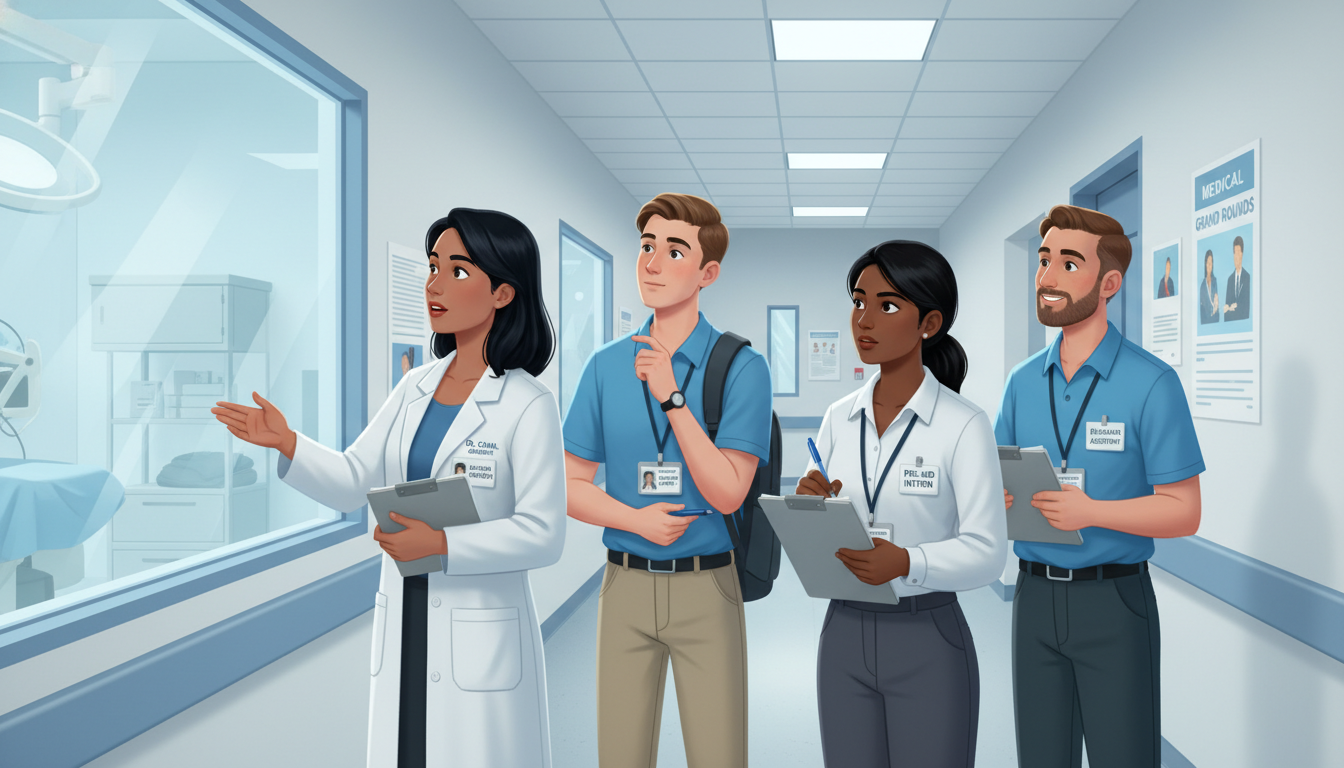
Healthcare careers are rarely solitary. Take the opportunity to learn from everyone you meet:
- Nurses and advanced practice providers can explain workflow, triage, and patient education strategies
- Medical assistants and front-desk staff can teach you about scheduling, insurance, and barriers to access
- Residents and medical students can give candid advice about medical school, exams, and specialty choice
Introduce yourself respectfully:
“Hi, my name is [Name]. I’m a pre-med student shadowing Dr. [X]. I’m interested in learning about how the whole team works together—if you’re comfortable, I’d really appreciate any insights you’re willing to share.”
Brief, respectful, and curious interactions can expand your understanding of how healthcare systems function—and they may lead to additional opportunities (e.g., volunteering, research, or future shadowing).
Patient Privacy, Confidentiality, and HIPAA
Respecting patient privacy is non-negotiable in medical education and healthcare careers.
Key guidelines:
- Never record or photograph anything in clinical areas
- Do not write down any patient identifiers (name, date of birth, MRN, address, etc.)
- Do not discuss cases outside the clinical setting in a way that could reveal identity (e.g., “I saw a 65-year-old teacher from [small town] with…” in public)
- Follow all instructions from the hospital or clinic regarding HIPAA, consent forms, and access restrictions
If a patient seems uncomfortable with your presence—or if the physician senses this—they may ask you to step out. Accept this immediately and without question. Patients’ comfort and autonomy always come first.
Reflection and Growth: Turning Hours into Insight

Developing a Shadowing Reflection Routine
Without reflection, shadowing can blur into a series of disconnected memories. With reflection, it becomes a powerful tool for career development and application writing.
After each session, spend 15–20 minutes answering questions like:
- What did I observe today that surprised me?
- How did the physician show empathy or respect?
- When did I feel excited, curious, uncomfortable, or uncertain—and why?
- What did I learn about the realities of this specialty (schedule, lifestyle, stressors)?
- How did today’s experience influence my interest in medicine or this specialty?
Capture your reflections in a dedicated shadowing journal (physical or digital). Weeks or months later, this will become a rich source of material for personal statements, secondaries, and interviews.
Identifying Strengths and Areas for Growth
As you engage in more medical shadowing experiences, start to look for patterns:
- Are you consistently drawn to complex diagnostic problems, long-term relationships, or procedures?
- How do you respond emotionally to patient suffering, death, or conflict?
- What personal traits seem to serve you well (e.g., listening skills, calm demeanor, curiosity, resilience)?
- What skills do you want to strengthen before medical school (e.g., cultural competence, communication, time management)?
Use these insights to shape your next steps in career development:
- Choose future shadowing in complementary or contrasting specialties
- Seek volunteer roles that build communication or leadership skills
- Explore research or advocacy related to issues you care about (e.g., health disparities, mental health, rural medicine)
Using Case-Based Reflection: Realistic Examples
Case Study 1: Shadowing in a Surgical Setting
Jessica, a pre-med student, arranged to shadow a general surgeon in a busy academic hospital. On the first day, she felt overwhelmed by unfamiliar terminology and the high-stress environment of the OR.
To prepare, she:
- Reviewed basic anatomy and common operations the surgeon performed (e.g., appendectomy, cholecystectomy)
- Watched brief surgical videos and read patient education materials about the procedures
During surgery, she stood quietly, watching the team coordinate roles and communicate efficiently. She noticed:
- How the surgeon discussed risks and benefits with patients pre-op
- The OR nurse’s role in maintaining sterility and anticipating needs
- The anesthesiologist’s constant monitoring and adjustments
Later, during a break, Jessica asked:
“How do you approach decision-making when surgery is high-risk but might be the only option?”
The surgeon walked her through a recent case, detailing how they balanced quality of life, comorbidities, and patient preferences. Impressed by her thoughtful question and preparation, the surgeon later agreed to write a letter of recommendation highlighting her maturity and insight.
This experience helped Jessica realize she enjoyed procedural work—but also that the surgical lifestyle might not fit her long-term goals. That clarity was invaluable when she later explored other specialties.
Case Study 2: Shadowing a Family Physician in a Diverse Community
Mark shadowed a family physician at a community clinic serving a culturally and linguistically diverse population. He was struck by how often the physician adapted their communication style and approach based on each patient’s background.
He observed:
- The physician’s use of interpreters and plain language
- Sensitivity around topics like mental health, reproductive health, and chronic disease
- How socioeconomic factors—transportation, work hours, housing—shaped the feasibility of treatment plans
During a quiet moment, Mark asked:
“How did you develop your ability to connect with patients from so many different backgrounds?”
The physician described years of experience, targeted training in cultural humility, and constant self-reflection—plus mistakes they learned from along the way. They encouraged Mark to take cultural competency workshops and volunteer in community organizations.
Mark followed that advice, later integrating these experiences into his personal statement as evidence of his commitment to patient-centered, culturally informed care. The shadowing experience didn’t just confirm his interest in family medicine—it shaped the kind of physician he wanted to become.
Practical Tips and Common Pitfalls to Avoid
Quick Tips for Maximizing Your Medical Shadowing
- Start early: Begin exploring healthcare careers in your first or second undergraduate year if possible
- Diversify: Shadow across multiple specialties and settings (clinic, hospital, OR, inpatient wards)
- Track your hours: Keep a running log with dates, physician names, specialties, and key takeaways
- Follow up: Send brief thank-you emails after each experience, mentioning something specific you learned
- Stay humble: Remember you are a guest in a clinical environment; your job is to learn and respect boundaries
Common Mistakes to Avoid
- Treating shadowing as a box to check rather than an opportunity for growth
- Using your phone in patient areas or appearing distracted
- Asking inappropriate or insensitive questions in front of patients
- Violating confidentiality by sharing case details with friends or on social media
- Failing to show appreciation or maintain professional contact with mentors
Thoughtful, well-executed medical shadowing can be the foundation of your journey in medical education and career development. It’s one of the most direct ways to test your fit for medicine, learn from role models, and start building the professional identity you’ll carry into medical school and beyond.
FAQs About Medical Shadowing for Pre-Med Students
How do I find medical shadowing opportunities?
You can start by:
- Asking your own primary care physician or specialists you see if they host pre-med students
- Contacting local hospitals, clinics, and community health centers (many have formal shadowing or volunteer programs)
- Using your college’s pre-health advising office, career center, or pre-med clubs
- Reaching out to alumni from your school now working in healthcare careers
- Leveraging family, friends, or community connections—then approaching physicians professionally, not casually
When emailing a potential mentor, briefly introduce yourself, state your interest in medicine, mention how you found them, and politely ask if they accept pre-med students for shadowing.
How many shadowing hours do I need for medical school?
There is no universal minimum, but many successful applicants have:
- Around 40–100 hours of shadowing overall
- Exposure to at least one primary care specialty
- Ideally, multiple specialties and settings
Admissions committees care more about depth and reflection than a massive number of hours. A smaller number of well-reflected, meaningful experiences can be more compelling than 300+ hours you barely remember.
Can I shadow in multiple specialties, and should I?
Yes—and you generally should. Exploring different specialties helps you:
- Understand the variety within healthcare careers
- Compare lifestyles, schedules, and patient populations
- Discover environments where you feel most engaged (clinic vs. OR vs. inpatient)
Shadow at least one primary care physician (family medicine, internal medicine, pediatrics) plus one or two specialties that interest you (e.g., surgery, emergency medicine, OB/GYN, psychiatry).
How do I ethically discuss my shadowing experiences in applications?
You can absolutely reference your medical shadowing in personal statements and interviews—as long as you:
- Protect patient privacy (no names or specific identifying details)
- Focus on your personal growth, insights, and evolving motivation
- Avoid “hero narratives” or sensationalizing suffering
- Reflect honestly on how experiences challenged or confirmed your interest in medicine
Admissions committees are skilled at recognizing genuine reflection versus superficial storytelling. Emphasize what you learned and how it shaped your path in medical education and career development.
What if I feel uncomfortable or overwhelmed during shadowing?
Feeling uncomfortable at times is normal—medicine deals with serious illness, strong emotions, and complex ethical decisions. If you feel overwhelmed:
- Tell the physician privately:
“I’m feeling a bit overwhelmed by [situation]. Could we talk about it when you have a moment?”
- Step out if you feel faint, triggered, or emotionally overloaded—this is safer for you and respectful to the patient
- Reflect later on why the situation felt uncomfortable and what it taught you about your own boundaries and values
Discomfort can be an important teacher. It doesn’t mean you’re not cut out for medicine, but it might highlight areas where you’ll need support, training, or further self-reflection.
By approaching medical shadowing with preparation, professionalism, curiosity, and consistent reflection, you transform a passive requirement into a powerful learning experience. These early encounters with real patients and real healthcare teams will shape not only your medical school application, but the kind of physician you aspire to be.