
You click through to your score report. The number sits there on the screen, red against white, like a slap. Step 1. Or maybe it's the end-of-block exam your school tells you matters more than anything else. Either way, your stomach drops to somewhere around your ankles.
Here's what I want you to know right now: this is survivable. Not just survivable, recoverable. And in some twisted way, the next twelve months might end up making you a stronger applicant than you would've been otherwise. But that only happens if you make strategic moves starting this week, not next month, not when you've "recovered emotionally." This week.
The Moment Everything Feels Like It's Falling Apart
(See also: Exactly What to Do After Failing Your First Med School Exam for a step-by-step recovery roadmap.)
The spiral hits fast. You're catastrophizing within minutes: I'll never match. My classmates all passed. What's wrong with me? Did I even belong here? The shame is the worst part, shame that your family might find out, shame that you'll have to explain it to your school, shame that somehow the version of you who walked into medical school confident just got exposed as a fraud.
Let me tell you what you're actually feeling versus what's actually true.
(Related: when to start research as a timeline question is covered in Am I Too Late to Start Research as a Rising MS1 or Senior Premed?)
What you're feeling: permanent failure, exposure, a ruined career. What's actually true: between 5-10% of medical students fail a major exam at some point. Program directors have seen this. They know how to evaluate an applicant who failed once. They have read thousands of applications. You are not breaking new ground in their experience, you're just having a really bad day.
The fear about residency isn't irrational, but it's also not the disaster your brain is telling you it is. Most specialties, even competitive ones, can absorb a single setback if everything else in your application is solid. The question isn't whether you'll match. The question is what you're going to do in the next 6-12 months to make sure you do.
This moment doesn't define your career. It requires a strategic response. That's the reframe. Not "I failed and now I'm damaged." Instead: "I failed, and now I need to build a stronger application than I would've had otherwise."
Why Research Isn't Just a Backup Plan, It's a Rebuilding Strategy
Research does something no other activity can do during academic recovery: it gives you structure and produces something tangible. You can't argue with a published abstract. You can't spiral as easily when you have a project meeting on Tuesday and a data collection deadline on Friday.
(See also: Can You Still Match After Multiple Failed Exam Attempts? for guidance on recovering from repeated setbacks.)
Here's the real difference between research as a "hiding plan" versus research as a "building plan." Hiding looks like: taking a research year, producing nothing publishable, and ending up with a gap on your ERAS. Building looks like: identifying a productive mentor, completing a chart review or case report, presenting at a conference, and having a real publication by application season.
The students who fail and recover successfully are the ones who treat research like a job, not a side hobby. They show up. They write the IRB. They do the chart pulls. They submit to conferences. They end up with a CV that shows productivity during what could've been a dead year.
Program directors know this distinction. When they see an applicant who failed an exam and then produced meaningful research, they're not thinking "this person is damaged." They're thinking "this person handles adversity and still gets things done." That's exactly the trait you want them to associate with you.
What Types of Research Actually Move the Needle After a Setback
Not all research is equal when you're in recovery mode. Let me be direct.
Clinical research tends to be more useful than basic science for your situation. Why? Because it's faster, more publishable in shorter timeframes, and easier to discuss in interviews. You don't need to learn Western blot protocols for 3 months. You need a dataset and a question.
The "quick win" projects are your friends. These are:
- Case reports (1-3 months from idea to submission)
- Retrospective chart reviews (3-6 months)
- Quality improvement projects (2-4 months)
- Database studies using public datasets like SEER or NHANES (3-6 months)
What about basic science? It works, but the timeline is brutal. If you have a year or more before your application goes out, sure. If you have 6-8 months, you won't get a paper out before ERAS locks in September. Be honest with yourself about timing.
Quality matters more than quantity. One solid publication where you understand the methodology and can defend every decision beats three half-finished projects you can't talk about intelligently. Interviewers will ask. They will dig. If you can't explain your own research, it hurts you.
Finding mentors in "recovery mode" is its own challenge. You want someone who:
- Has a track record of publishing with students
- Responds to emails within a week
- Gives you actual work, not just busy tasks
- Is invested in your success
Send cold emails. I know it feels weird. Do it anyway. Email 10-15 faculty in your target specialty. The email should be 4-5 sentences: who you are, what happened (briefly, don't overshare), what you're looking for, and what you can offer. About 30% will respond. 10% will actually meet with you. 3-5% will take you on. That's the math. Send the emails.
How to Talk About Your Exam Failure Without Making It the Whole Story
This is where most students mess up. They either over-disclose (writing their personal statement like a therapy session) or under-disclose (pretending it didn't happen and hoping nobody notices). Both are mistakes.
The framing that works: "I failed, I learned, I grew, here's the evidence."
In a personal statement, you might dedicate one paragraph, maybe two, to the experience. Acknowledge the setback. Identify what went wrong (study strategy, mental health, life circumstances, whatever it actually was). Show what you changed. Then pivot to what you did next. The research, the productivity, the growth.
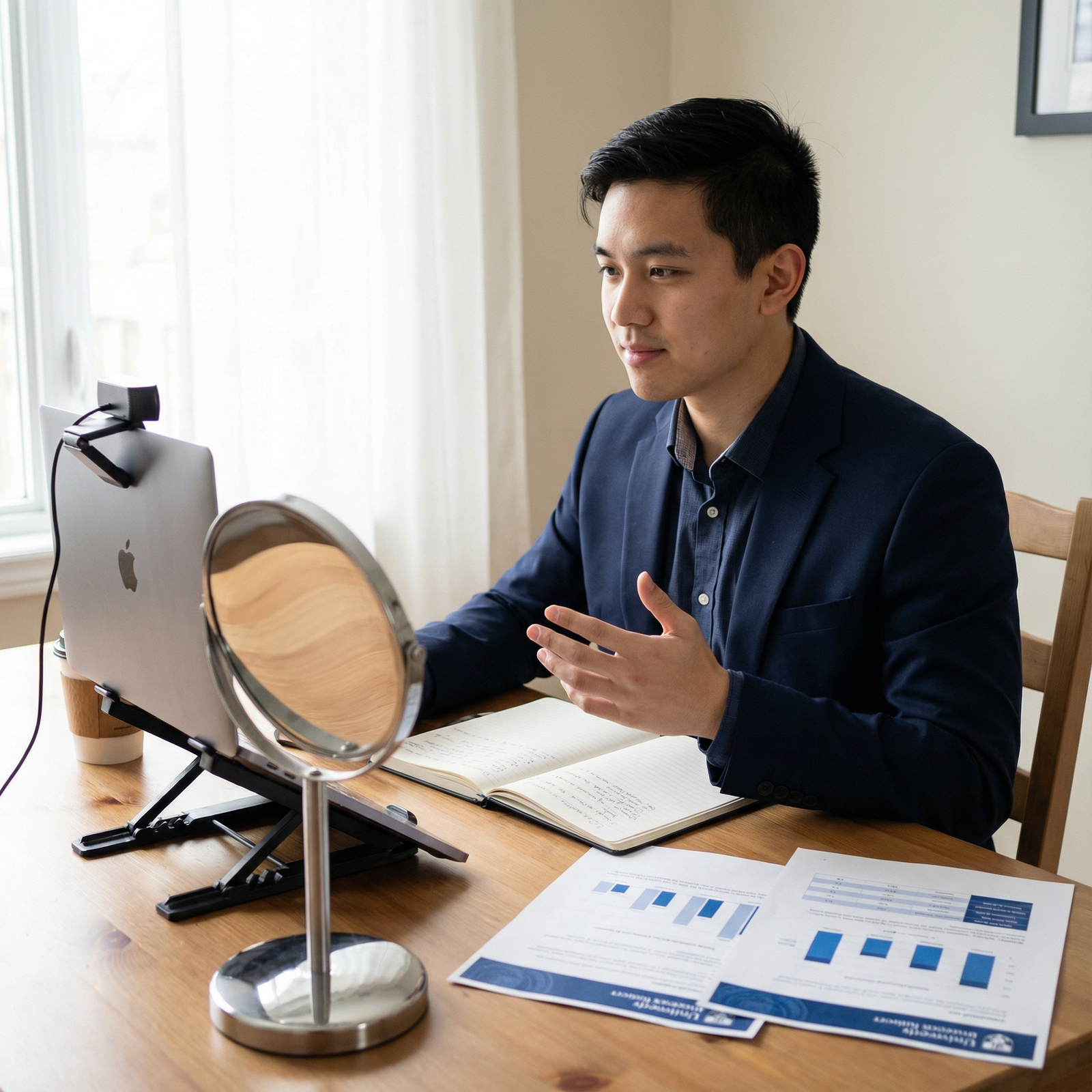
What you want program directors to think when they read your application: "This person faced a real challenge and came out the other side with tangible accomplishments. I want residents who can handle difficulty." That's the entire game.
When to disclose in interviews: only if they ask, or if you've already addressed it in your personal statement. Don't bring it up unprompted in your first two minutes. But don't dodge it either. If asked, your answer should be 30-60 seconds. State the fact, own it, describe what you learned, mention the research/retake/growth, and pivot to what you're excited about.
Research becomes your evidence of growth. This is the part students miss. The research isn't just about padding your CV. It's about having something concrete to point to when you say "I learned from that experience." Without evidence, the claim is empty. With a published abstract and a productive year, the claim is undeniable.
Timeline: When Research Actually Helps Your Application Cycle
Timing is everything. Start research at the wrong time and you produce nothing useful before ERAS locks. Start at the right time and you can have a publication by submission.
Here's the realistic timeline for most students who fail a Step or major exam:
If your exam is in May and you're applying in September of the following year, you have about 16 months. That's enough time for a real project. If you're applying 8 months out, you need to focus on quicker projects, case reports, database studies, or a poster for a regional conference.
Balancing retakes with research is doable but requires discipline. If you're retaking Step 1 in 2 months, you don't need to start a 6-month research project. Wait until after the retake. If you have 4-6 months before the retake, you can do a low-commitment project (like writing a case report that takes 2-3 hours a week) without derailing your study plan.
How to position research on ERAS: use the "Research Experience" section substantively. List the project, your specific role, the mentor, and any outputs (publications, presentations, posters). Don't undersell. Don't oversell. Just be accurate and specific.
Your Action Plan: Starting Research This Week
Stop reading articles about this. Start doing the work. Here's your week one checklist:
- Today: List 10 faculty in your target specialty (or 2-3 specialties if you're undecided) who have published in the last 3 years. Your school's faculty page makes this easy.
- Tomorrow: Draft a 5-sentence cold email template. Personalize the opening for each faculty member. Mention their specific research area.
- Day 3: Send 10-15 emails. Track who you emailed and when.
- Day 5: Follow up with anyone who hasn't responded.
- Day 7: Meet with your school's research office or student affairs dean. They often have unpublished opportunities and mentor connections.
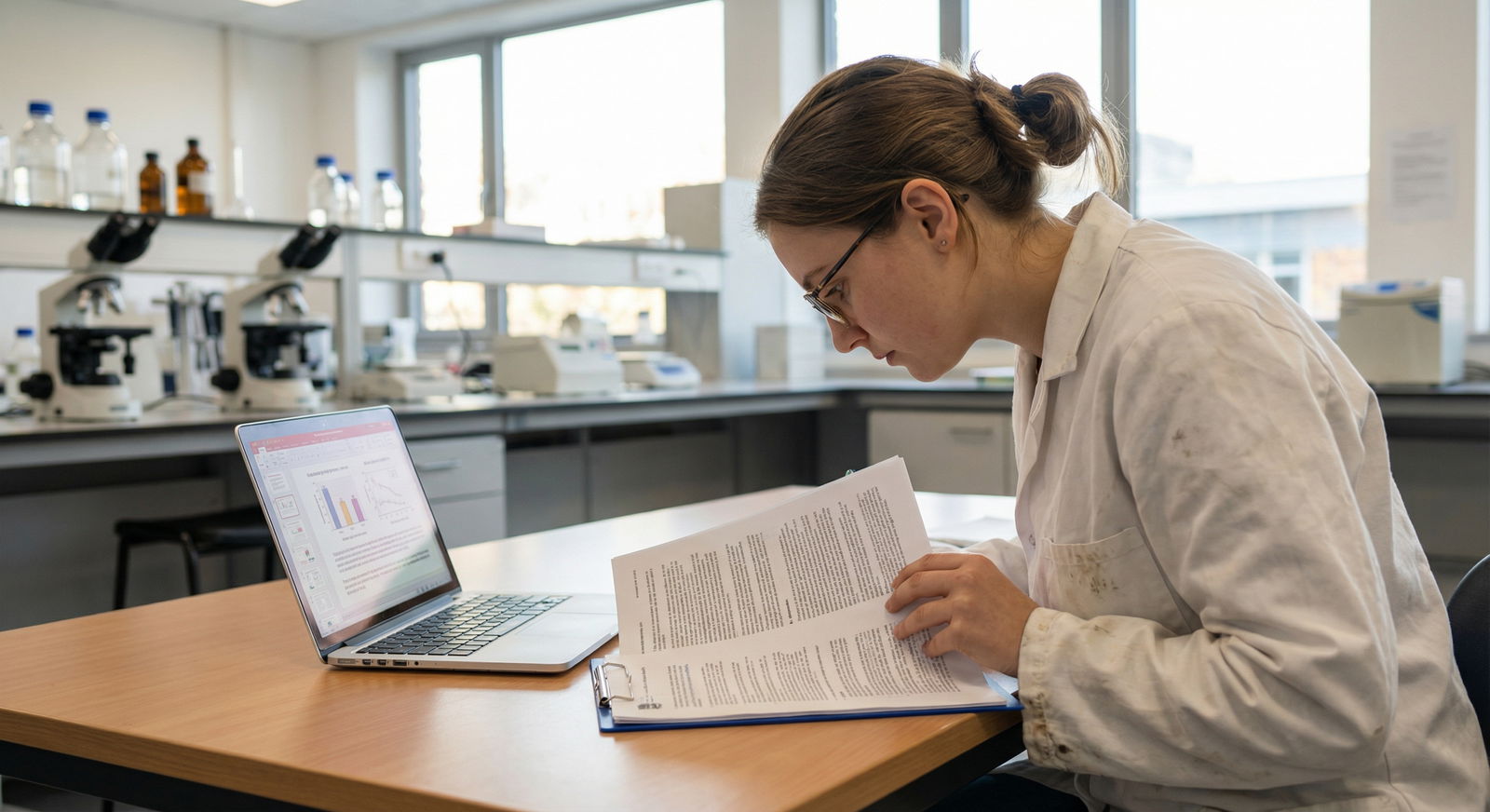
Setting realistic expectations: you probably won't get a paper in a top-tier journal. You might not even get published at all. But you can absolutely produce an abstract, present a poster, or co-author a case report. Those count. They show productivity. They give you something to talk about in interviews.
Building your support system matters as much as building your CV. Find one or two people, a trusted mentor, a friend who failed and recovered, a therapist, who you can be honest with about how this feels. Don't try to power through alone. The students who recover best are the ones who don't isolate.
Failing an exam is a setback, not a sentence. Research is one of the best tools you have to turn this moment into a stronger application than you would've had otherwise. The students who match after a setback aren't the ones who pretended it didn't happen. They're the ones who did the work, produced something tangible, and walked into interviews with evidence of growth. You can be that student. Start this week.