Why Research During Residency Matters for a DO Graduate in Neurology
For a DO graduate in neurology, research during residency is no longer optional “extra credit”—it is a powerful differentiator that shapes your career opportunities, credibility, and future advancement. Whether your primary goal is to join a competitive epilepsy fellowship, build an academic career, or become an excellent community neurologist, engaging thoughtfully in resident research projects can:
- Strengthen your candidacy for fellowships and advanced training
- Increase your competitiveness for academic positions and leadership roles
- Enhance your clinical reasoning and evidence-based practice
- Deepen your understanding of neurologic disease and therapeutics
- Help bridge any perceived gap between DO and MD pathways in academic neurology
If you are a DO graduate entering (or preparing for) neurology residency, you may also be thinking about the unique dynamics of the osteopathic residency match process, the integration of AOA and ACGME programs, and how your background fits into an increasingly research-conscious training environment. This article will walk you through why and how to pursue research during residency in neurology, tailored specifically to your perspective as a DO graduate.
Positioning Yourself as a DO Graduate in Neurology
Understanding the Landscape: DO Graduate Residency and the Neuro Match
The single accreditation system has largely unified osteopathic and allopathic pathways, but lingering perceptions remain—especially in academic-oriented neurology programs. As a DO graduate in a neurology residency, you may encounter:
- Programs where most faculty are MDs with long-standing academic profiles
- Implicit assumptions that DO graduates are more clinically focused than research focused
- Variable exposure to structured research training during medical school
Participating in research during residency is one of the clearest ways to signal that you belong in the same academic conversation as any MD peer. Fellowship directors and academic employers often look at:
- Number and quality of publications or abstracts
- Evidence of consistent scholarly productivity (not just one project)
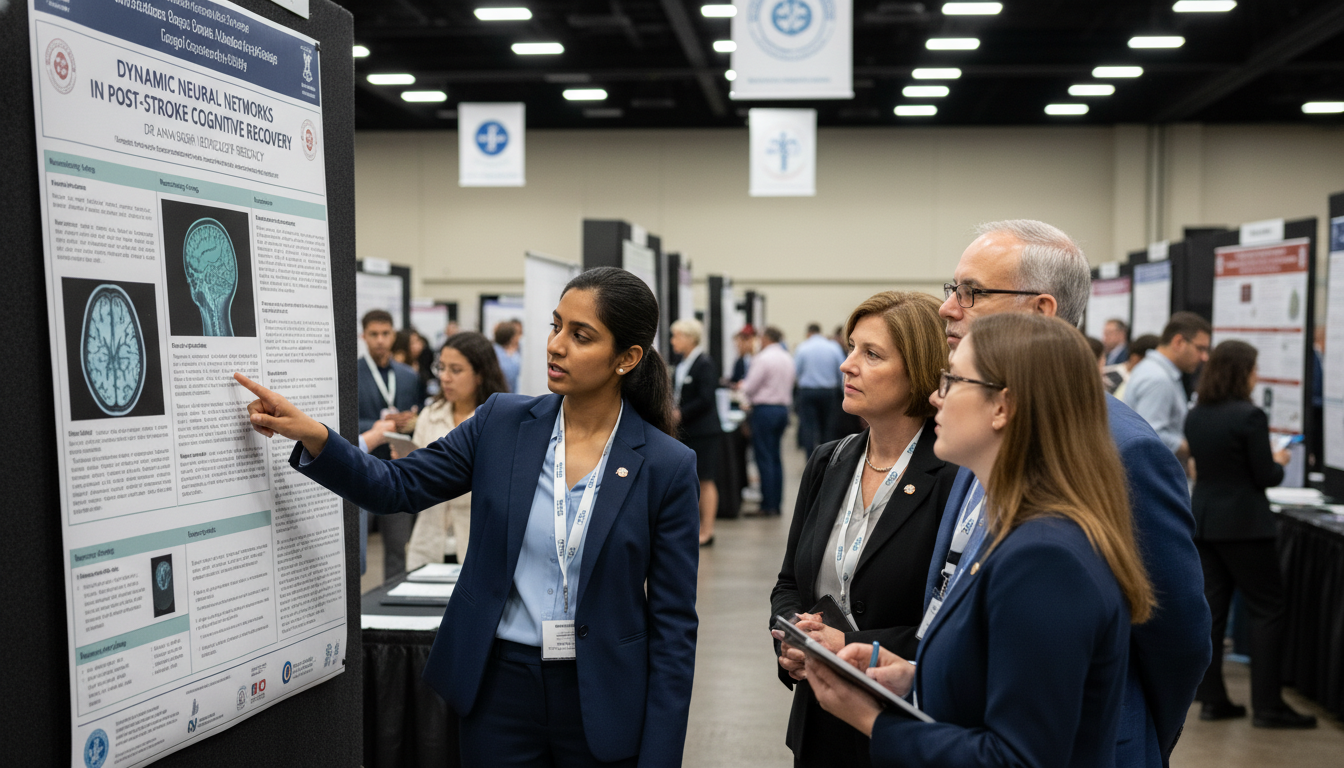
- Whether you’ve presented at national meetings (e.g., AAN, AES, ANA)
- Letters from research mentors attesting to your intellectual curiosity and follow-through
If your DO program didn’t provide extensive research opportunities, residency is your chance to close that gap.
Clarifying Your Career Goals Early
Your research strategy should be driven by your long-term goals. Ask yourself:
- Do I want an academic residency track or academic career (faculty, clinician–scientist, educator–researcher)?
- Am I aiming for a highly competitive neurology fellowship (e.g., vascular, epilepsy, movement disorders, neuromuscular, neurocritical care)?
- Do I envision a primarily clinical career in a community setting, but still want research literacy and occasional projects?
How research fits:
Academic career / academic residency track
- Aim for sustained, multi-year research involvement
- Seek first-author papers and formal mentorship
- Consider research electives, a research track, or even a research year if available
Competitive subspecialty fellowship
- Target projects in your subspecialty of interest (e.g., stroke outcomes, epilepsy surgery, demyelinating diseases)
- Try to present at at least one national meeting in that area
Community-focused neurologist
- Aim for at least a few well-defined resident research projects
- Focus on quality improvement (QI), practice-based research, and familiarity with evidence generation
Defining this early allows you to say “yes” and “no” to opportunities strategically instead of being overwhelmed.
Types of Research Neurology Residents Can Do (Even With Limited Time)
You don’t need a PhD or a fully equipped wet lab to do meaningful research during residency. In neurology, many high-yield projects fit well into a resident’s schedule and skill set.
1. Case Reports and Case Series
Best for: Early PGY-1/PGY-2 residents or those new to research.
Pros
- Ideal first step: small, contained, and feasible
- Builds familiarity with literature review and manuscript writing
- Often publishable in neurology or subspecialty journals, or as posters
Examples
- A rare neuroimmunology case with unusual imaging features
- An atypical presentation of myasthenia gravis in a young patient
- Novel adverse effect of a commonly used antiepileptic medication
Actionable steps:
- Identify a unique case on the wards or consult service
- Discuss with your attending to confirm it is publishable
- Perform a focused literature search to confirm novelty
- Outline introduction, case description, and discussion
- Target an appropriate journal (often lower impact but receptive to cases)
2. Retrospective Chart Reviews
Best for: Residents looking to develop more robust research skills.
Pros
- Can yield solid abstracts and sometimes full publications
- Doesn’t require prospective patient enrollment
- Skills learned (study design, data abstraction) translate well to future work
Examples
- Outcomes of thrombolysis in elderly stroke patients at your hospital
- Predictors of seizure recurrence after first unprovoked seizure
- Utility of certain CSF biomarkers in suspected autoimmune encephalitis
Key steps:
- Form a focused research question (PICO style if possible)
- Get IRB approval (your mentor should help guide this)
- Create a standardized data collection form (REDCap or Excel)
- Learn basic stats or partner with a statistician/biostatistical core
3. Prospective Clinical Studies
Best for: Residents in research-rich programs or on an academic residency track.
Pros
- High yield for career-building; often viewed more favorably by fellowship programs
- Opportunity to learn research ethics, patient consent, and protocol development
Challenges
- Requires more time, infrastructure, and IRB sophistication
- Must be realistic given residency workload and call schedule
Examples:
- A pilot study on a new bedside cognitive screening tool in stroke units
- Prospective registry of new-onset epilepsy patients and treatment patterns
4. Quality Improvement (QI) and Implementation Science
Best for: All residents; especially useful if you’re more clinically oriented.
Pros
- Often required by ACGME and supportable by your program
- Directly improves patient care and departmental processes
- Can still be presented and published if well-designed
Examples:
- Reducing door-to-needle times for IV tPA or tenecteplase in acute stroke
- Improving adherence to EEG monitoring protocols in the ICU
- Enhancing follow-up rates in neuromuscular clinic
QI projects often dovetail nicely with resident research projects because they overlay clinical workflow and measurable outcomes.
5. Educational and Curriculum Research
Best for: Residents interested in teaching or a clinician-educator track.
Pros
- Aligns naturally with your DO background and emphasis on holistic training
- Can lead to publications in medical education journals or neurology education sections
Examples:
- Evaluating a new simulation-based stroke code training for interns
- Assessing the impact of an osteopathic principles and practice (OPP) module on headache management in neurology clinic

Getting Started: Step-by-Step Guide for DO Neurology Residents
Step 1: Map Your Program’s Research Ecosystem
Before jumping in, learn what realistically exists:
- Is there an academic residency track or research pathway?
- Which attendings are clearly research-active? Look at:
- Their PubMed profiles
- Recent departmental publications and conference posters
- What infrastructure exists?
- Research office / coordinator
- Biostatistics support
- IRB office and standard templates
Action: Ask senior residents which faculty:
- Are good mentors
- Actually get projects to completion
- Regularly involve residents in publications
This is especially important as a DO graduate who might feel compelled to “prove” your academic engagement—choosing the right mentor will matter more than chasing the biggest-name lab.
Step 2: Choose Your Mentor Strategically
Your mentor can make or break your research experience. Look for someone who is:
- Productive (recent publications and active grants or projects)
- Accessible (willing to meet regularly in person or virtually)
- Resident-friendly (has a track record of resident co-authors)
- Subspecialty-aligned with your interests (e.g., vascular neurology for stroke, epilepsy for EEG research)
Questions to ask potential mentors:
- “How many resident projects have you overseen in the last 3–5 years?”
- “What are typical roles for residents on your research team?”
- “What kind of timeline do you expect from start to submission for a typical project?”
If you’re a DO worried about bias, remember: showing up prepared, reliable, and inquisitive quickly overrides most preconceived notions.
Step 3: Start with a Right-Sized First Project
For many DO graduates, the first neurology research project might feel intimidating. It doesn’t need to be.
Recommended first project types:
- Well-defined case report or case series
- Modest retrospective chart review with limited variables
- Ongoing project where you can contribute a manageable piece (e.g., data cleaning, literature review, creating figures)
Aim for a project that can lead to at least a poster within 6–12 months, allowing you to list something under “research during residency” by your PGY-2 or early PGY-3 year, especially if you may apply early for fellowships.
Step 4: Learn the Basics of Study Design and Statistics
You don’t need deep statistical training, but you should grasp:
- Common study designs: case-control, cohort, cross-sectional, RCT
- Basic measures: odds ratio, relative risk, confidence intervals
- p-values versus confidence intervals, and effect sizes
- Common pitfalls: small sample bias, confounding, multiple comparisons
Practical resources:
- Short online courses from Coursera, edX, or university CME modules
- Neurology-focused methods articles and reviews
- Your institution’s biostatistics workshops
This literacy makes conversations with statisticians and mentors more productive and signals academic seriousness.
Step 5: Protect Time and Build Research into Your Schedule
Balancing research during residency with clinical duties is the key barrier. Strategies:
Elective time:
- Negotiate a research elective month in PGY-2 or PGY-3
- Clarify concrete deliverables (abstract submission, manuscript draft) with your mentor and PD
Protected blocks:
- Use golden weekends or lighter rotations to batch research tasks
- Block out 1–2 consistent hours weekly just for your project (even if it’s 6–8 pm once a week)
Micro-tasks:
- Break projects into 20–30 minute tasks: reading 2–3 papers, updating an outline, polishing one figure
- Use commutes or downtime for literature review or note-taking
Most DO neurology residents underestimate how much can be accomplished with consistent, small efforts.
Maximizing Impact: Turning Effort into Scholarly Output
Target Outputs That Matter for the Neuro Match and Beyond
For future fellowships and academic positions, evaluators often look for:
- Peer-reviewed publications (especially first-author)
- National or regional presentations (AAN, AHS, AES, ANA, subspecialty societies)
- Involvement in multi-center or grant-funded projects
- Evidence of a clear scholarly theme (stroke, movement disorders, epilepsy, etc.) rather than scattered, one-off projects
As a DO graduate, even 1–2 solid peer-reviewed papers and 2–3 national posters can significantly elevate your profile relative to peers.
Writing and Submitting Abstracts
Typical pathway:
- Develop your research question and design
- Collect and analyze data
- Draft an abstract under mentor guidance
- Identify relevant meetings and deadlines (often 6–12 months in advance)
- Submit and plan for presentation logistics
Common venues for neurology residents:
- American Academy of Neurology (AAN) Annual Meeting
- American Heart Association/ASA International Stroke Conference (for vascular neurology)
- American Epilepsy Society (AES) Annual Meeting
- American Neurological Association (ANA) for more research-heavy work
Manuscript Writing for Busy Residents
Efficient writing tips:
- Start with a structured outline (Introduction–Methods–Results–Discussion)
- Write in stages: figures/tables → results → methods → discussion → introduction
- Use reference managers (Zotero, EndNote, Mendeley) from the very beginning
- Schedule 2–3 focused writing sessions around call schedules
If writing is daunting, ask your mentor to:
- Share a recent paper they wrote as a template
- Provide annotated feedback on your first draft so you can learn by iteration
Showcasing Your Work: CV, ERAS, and Interviews
For DO graduates, careful presentation of research is critical:
CV and ERAS:
- Separate sections for “Peer-Reviewed Publications,” “Abstracts/Poster Presentations,” “Resident Research Projects”
- Use consistent citation formats
Interviews (residency, fellowship, academic jobs):
- Be prepared to summarize any project in 2–3 minutes: question, methods, key findings, clinical impact
- Frame your DO background as an asset, e.g., “My osteopathic training emphasizes holistic care, which inspired my research on patient-reported outcomes in migraine.”
Your ability to articulate why your research matters clinically can distinguish you from candidates who talk only in technical terms.
Overcoming Common Challenges for DO Neurology Residents
Challenge 1: Feeling Behind Compared to MD Peers
Many DO residents feel that their MD colleagues had more pre-residency research exposure. To counter this:
- Focus on trajectory, not absolute numbers. One strong project per year is meaningful.
- Leverage your clinical strengths and patient-centered skills to identify practical, high-impact clinical questions.
- Use structured learning to rapidly upskill in research basics during PGY-1 and early PGY-2.
Challenge 2: Limited Time and Heavy Clinical Load
Solutions:
- Start small and realistic (one project at a time)
- Use research electives and lighter rotations intentionally
- Delegate where appropriate (e.g., data entry shared among residents or with students)
- Communicate openly with your mentor about schedule constraints
Challenge 3: Limited On-Site Resources
If your program is more community-based or less academic:
- Look for multi-center registry studies or collaborative studies your program might join
- Use virtual mentorship: connect with faculty at other institutions through AAN or previous rotations
- Consider systematic reviews or meta-analyses (often can be done remotely with online data)
Challenge 4: Translating Osteopathic Principles into Neurology Research
As a DO graduate, you have unique perspectives that can inform novel research questions:
- Mind–body interactions in headache, functional neurologic disorders, or chronic pain
- Impact of osteopathic manipulative treatment (OMT) on certain neurologic conditions (e.g., tension headache, concussion recovery)
- Holistic care models and patient satisfaction in neurology clinics
These can generate meaningful resident research projects that stand out for their originality and alignment with your osteopathic identity.
Integrating Research Into a Long-Term Neurology Career
Whether you’re planning to stay in academia or transition to private practice, research during residency lays important groundwork.
For an Academic Residency Track and Academic Career
Residency research helps you:
- Build early collaborations and a “niche”
- Demonstrate potential to be a clinician–scientist or clinician–educator
- Secure early-career grants (K awards, foundation grants)
Action steps:
- Maintain continuity of research from residency into fellowship
- Identify mentors who can support you past residency
- Seek out programs that explicitly support an academic residency track
For a Community or Hybrid Career
Even if you don’t plan a primarily research-focused job, your residency research experience helps you:
- Critically appraise new literature and therapies
- Implement evidence-based changes in your practice
- Participate in collaborative clinical trials or registries your hospital may join
You may not run a lab, but you’ll be comfortable contributing to the scientific ecosystem.
FAQs: Research During Residency for DO Graduates in Neurology
1. I’m a DO with minimal prior research. Is it too late to start during residency?
No. Many neurology residents—DO and MD—start research during residency. Begin with a manageable project like a case report or small chart review, find a supportive mentor, and build progressively. Fellowship directors care more about your trajectory and commitment than about whether you started in medical school.
2. How much research do I need for a competitive neuro match or fellowship?
There is no fixed number, but as a DO graduate aiming for competitive fellowships, a strong profile might include:
- 1–3 peer-reviewed publications (at least one first-author if possible)
- Several posters or oral presentations at regional or national meetings
- Clear alignment of your projects with your subspecialty interest (e.g., stroke, neurocritical care, epilepsy). Quality and relevance matter more than raw count.
3. Can quality improvement projects “count” as research during residency?
Yes, if they are well-designed, systematically implemented, and rigorously evaluated. Many QI projects lead to abstracts and publications, especially in neurology topics like stroke workflow optimization, seizure protocol adherence, or ICU practices.
4. How should I handle it if my residency program has limited research infrastructure?
Leverage what exists locally (even if modest), then expand outward:
- Partner with motivated faculty, even if they’re clinically focused
- Seek virtual mentors and collaborations through societies like AAN
- Focus on feasible designs: chart reviews, case series, systematic reviews, or educational research. Your ingenuity and persistence can compensate for some institutional limitations.
Engaging in research during residency as a DO graduate in neurology is not about checking a box; it’s about shaping the neurologist you become—more analytical, more evidence-driven, and better positioned for the career you want. With strategic planning, the right mentors, and consistent effort, you can build a meaningful scholarly portfolio that amplifies your osteopathic training and opens doors across the neurology landscape.