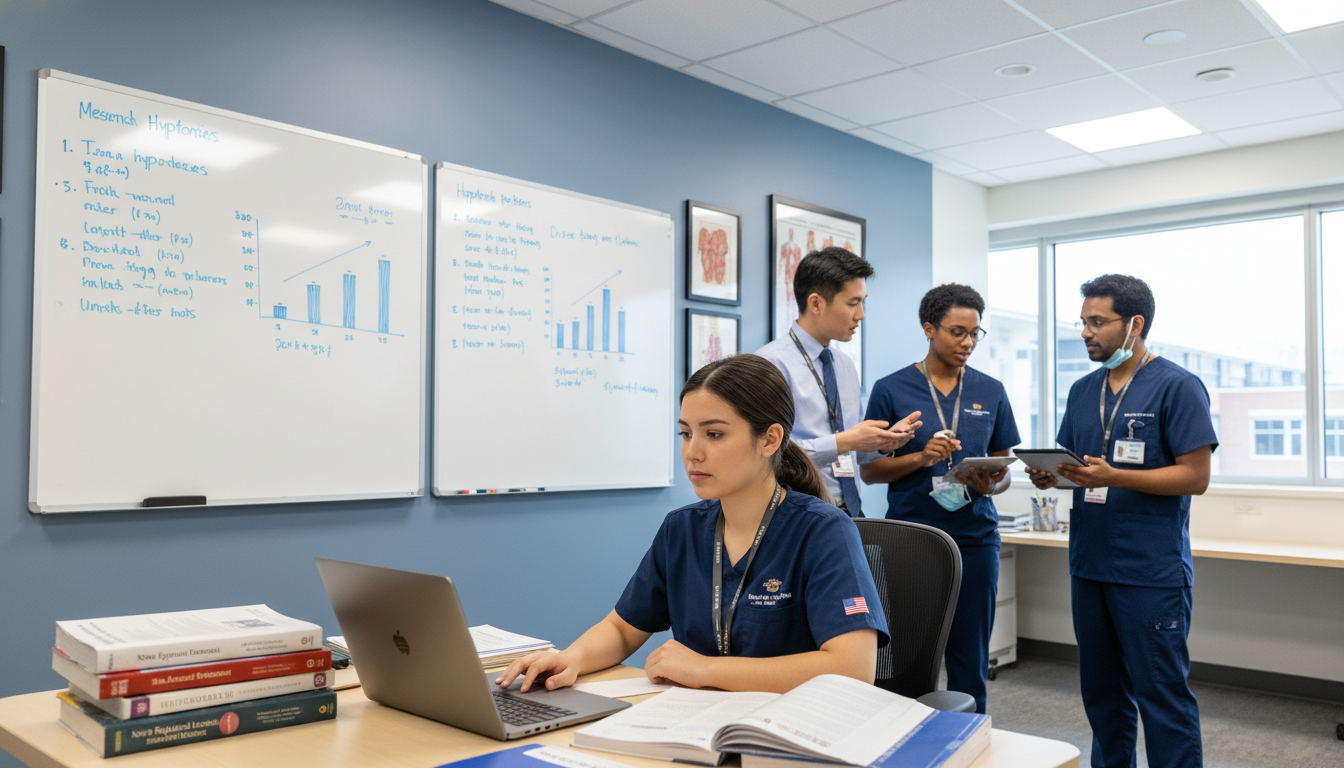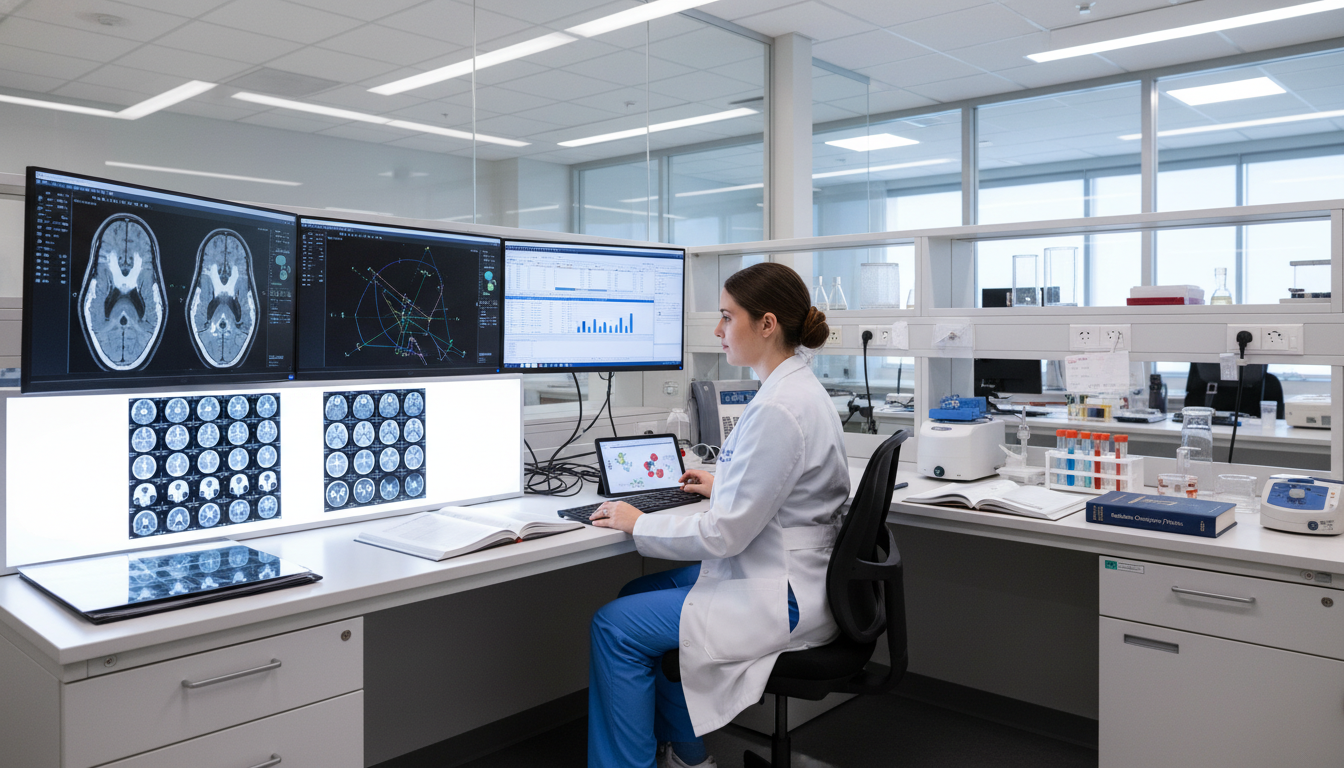
Why Research Matters in Radiation Oncology Residency
Radiation oncology is one of the most research-intensive clinical specialties. From novel radiation techniques and AI-driven treatment planning to biomarker-guided therapy and survivorship outcomes, nearly every aspect of practice is shaped by evidence.
For residency applicants and current residents, understanding research during residency in radiation oncology is crucial for three main reasons:
Career trajectory
- Academic careers (faculty positions, physician–scientist roles, leadership in cooperative groups) strongly favor applicants with a track record of meaningful research.
- Even community-based or private practice oncologists benefit from the skills gained through research—critical appraisal of literature, understanding of trial design, and data literacy.
Competitiveness in the rad onc match and beyond
- For medical students, involvement in radiation oncology research can significantly strengthen a rad onc match application.
- For residents, research output influences fellowship opportunities (e.g., proton therapy, brachytherapy, global oncology, informatics) and early-career job offers.
Impact on patient care
- Research drives advances that directly change how we contour, plan, and deliver radiation.
- Being research-literate allows you to offer patients state-of-the-art, evidence-based care and to enroll them in cutting-edge clinical trials.
This guide walks through how research fits into a radiation oncology residency, what kinds of projects are realistic, how to build an academic residency track trajectory, and how to translate resident research projects into lasting impact.
Types of Research Opportunities in Radiation Oncology Residency
Radiation oncology uniquely intersects with physics, biology, informatics, engineering, and clinical medicine. That translates into a wide spectrum of possible resident research projects.
1. Clinical Research
Clinical research is the most common and accessible domain for residents.
Examples of clinical projects:
Retrospective chart reviews
- Outcomes of patients treated with SBRT for oligometastatic disease
- Toxicity and control rates after hypofractionated breast irradiation
- Patterns of failure after dose-escalated prostate radiotherapy
Prospective observational studies
- Quality-of-life outcomes with different fractionation schedules
- Patient-reported outcomes after head and neck IMRT vs. proton therapy
- Cognitive effects of whole-brain radiation vs. hippocampal-avoidance WBRT
Clinical trials involvement
- Serving as a sub-investigator on institutional or cooperative group trials
- Helping with protocol implementation, data collection, and patient accrual
- Assisting with secondary analyses of completed trials
Why this is resident-friendly:
Clinical projects leverage existing patient data and align closely with your day-to-day work. They often require no bench infrastructure and can realistically produce abstracts and publications during a 4–5-year residency.
2. Physics and Dosimetry Research
Residents with interest in the technical side can work closely with medical physicists and dosimetrists.
Typical topics:
Treatment planning optimization
- Comparing VMAT vs. IMRT vs. proton plans for a given disease site
- Evaluating adaptive radiotherapy workflows
- Developing or testing knowledge-based planning templates
Quality assurance (QA) and technology evaluation
- Commissioning data for new linacs or treatment techniques
- Assessing the accuracy of surface-guided radiation therapy (SGRT)
- Studying dosimetric impact of motion management strategies
AI and automation
- Evaluating auto-contouring algorithms
- Developing models to predict organ-at-risk dose from clinical features
- Using machine learning to predict toxicity or tumor control
This type of work is ideal for residents on or aiming for an academic residency track who enjoy quantitative and engineering-oriented problem solving.
3. Translational and Laboratory Research
Translational research links basic science to clinical practice.
Potential areas:
Radiobiology
- Investigating cellular responses to different dose-fractionation schemes
- Exploring radiosensitizers or radioprotectors, including immunotherapy combinations
Molecular and imaging biomarkers
- Identifying genomic signatures predictive of radiation response
- Using functional imaging (PET, MRI) as predictive or prognostic tools
Preclinical models
- Tumor xenografts or organoid models exposed to various radiation regimens
- Mouse models assessing radiation–immune interactions
These projects often demand dedicated research time during residency (6–24 months) and are most suitable for programs with robust labs and mentorship infrastructure.
4. Health Services, Outcomes, and Education Research
Not all impactful research comes from the bench or physics lab.
Examples:
Health services & outcomes
- Disparities in access to radiation therapy (e.g., rural vs. urban)
- Cost-effectiveness of proton therapy vs. photon therapy for selected diseases
- Real-world utilization patterns of hypofractionation
Quality improvement (QI)
- Reducing treatment delays or replans
- Standardizing contouring practices across faculty
- Implementing checklist-based safety programs
Education and training research
- Evaluating resident contouring curricula
- Studying simulation-based training for emergent palliative RT
- Developing and assessing online educational tools for trainees or patients
These areas are ideal for residents at programs where lab resources are limited but administrative and clinical data are plentiful.

How Research Is Structured in Radiation Oncology Residency Programs
Every radiation oncology residency structures research time differently. Understanding these models helps you plan both where to train and how to use your time once you’re there.
Protected Research Time: Common Models
Block Research Time (3–12+ months)
- Residents have a contiguous block, often during PGY-4 or PGY-5, with limited or no clinical responsibilities.
- This is common at large academic centers and is ideal for substantial clinical, physics, or translational projects.
Longitudinal Research Time (½–1 day per week)
- Residents receive a set portion of each week to dedicate to ongoing projects.
- Works well for clinical or QI projects that evolve alongside your clinical experience.
Hybrid Model
- Combination of a shorter research block (e.g., 3–6 months) plus longitudinal time over other years.
- Provides both depth (during the block) and continuity (for multi-year projects).
Elective Research Year or Dedicated Track
- Some programs offer an optional or structured academic residency track with 12–24 months of research.
- Often tied to T32 training grants or physician–scientist pathways.
- Focus typically on high-impact lab work, translational projects, or advanced methodology training (e.g., biostatistics, clinical trials design).
Balancing Clinical Duties and Research
Even with “protected” time, clinical demands can encroach. Successful residents:
Clarify expectations early
- Ask: “During my research block, what clinical duties will I have? Call? Clinics? Simulation coverage?”
- Get this in writing in your schedule when possible.
Negotiate realistic goals
- For a 3-month block: plan one major manuscript plus abstract submissions, not a multi-arm trial and three R01-level grants.
- For longitudinal time: target smaller, discrete milestones (data cleaning, literature review, etc.) weekly.
Communicate with both your research mentor and clinical attending
- Let clinical attendings know your research schedule, especially during busy rotations.
- Reserve research time on your calendar as firmly as clinic appointments.
Program Culture: An Underappreciated Factor
Even with assigned time, the culture of a program determines how productive your research during residency will be:
- Are faculty engaged in active, publishable projects?
- Do residents regularly present at national meetings (ASTRO, ASCO, ESTRO, RSNA)?
- Is there infrastructure—research coordinators, statisticians, data managers, physics collaborators?
- Are residents supported (financially and logistically) to attend conferences?
When evaluating programs—as a medical student or early resident—ask senior residents directly about research feasibility and tangible outcomes (publications, presentations, grants).
Designing, Executing, and Finishing Resident Research Projects
Starting a project is relatively easy. Finishing it—through data analysis, abstract submission, and publication—is where many resident efforts stall. Systematically approaching each phase can prevent this.
1. Choosing the Right Project (and Mentor)
A “right-sized” project for residency should be:
- Feasible within your available time (3–12 months, or longitudinally)
- Supported by accessible data or infrastructure
- Aligned with your interests and career goals
- Backed by a mentor with a track record of publication and responsiveness
Red flags:
- Vague promises of “we’ll figure something out later”
- Projects with major regulatory or data access barriers that no one has started addressing
- Mentors with multiple stalled projects involving previous residents
Pro tip: Early in PGY-2 (or late in medical school if you know your match program), schedule meetings with multiple faculty to explore project possibilities. Come prepared with a few areas of interest (e.g., CNS SBRT, AI-based planning, proton therapy, health services research).
2. Study Design and IRB/Regulatory Steps
Even for retrospective chart reviews, thoughtful design matters.
Key elements:
- Clear, answerable research question (often framed as a PICO: Population, Intervention, Comparison, Outcome)
- Well-defined inclusion and exclusion criteria
- Realistic primary and secondary endpoints
- Predefined statistical plan (ideally reviewed by a biostatistician)
Institutional Review Board (IRB):
- Most retrospective studies require at least expedited review or exemption.
- Prospective studies or interventional protocols typically demand full review.
- Start IRB early—it can take weeks to months.
Don’t underestimate this step; regulatory delays are a common reason resident projects fail to finish.
3. Data Collection and Management
Efficient data collection is crucial given limited resident time.
Best practices:
- Use structured data capture tools (e.g., REDCap) instead of ad hoc spreadsheets.
- Clearly define each variable and create a data dictionary to ensure consistency.
- Pilot your data form on 5–10 patients and revise before full data collection.
- Plan for data quality checks (range checks, missing data reports).
Collaborating with research coordinators or medical students can accelerate data entry and help build mentorship skills.
4. Statistical Analysis and Interpretation
Engage a biostatistician early. They can:
- Ensure the study is adequately powered (or clearly labeled exploratory if underpowered)
- Guide appropriate tests (e.g., Kaplan–Meier survival analysis, Cox regression, logistic regression)
- Help address confounding with multivariable models or propensity score methods
As a resident, you don’t need to be a full-time statistician, but understanding the basics strengthens your ability to:
- Defend your work at conferences
- Critically appraise others’ studies
- Design stronger future projects
5. Writing Abstracts, Presentations, and Manuscripts
Aim to move quickly from analysis to dissemination.
Abstracts:
- Target major radiation oncology meetings (ASTRO, ESTRO), disease-site meetings, or national oncology conferences (ASCO).
- Follow word limits and structured formats (background, methods, results, conclusions).
- Have mentors and co-authors review early drafts.
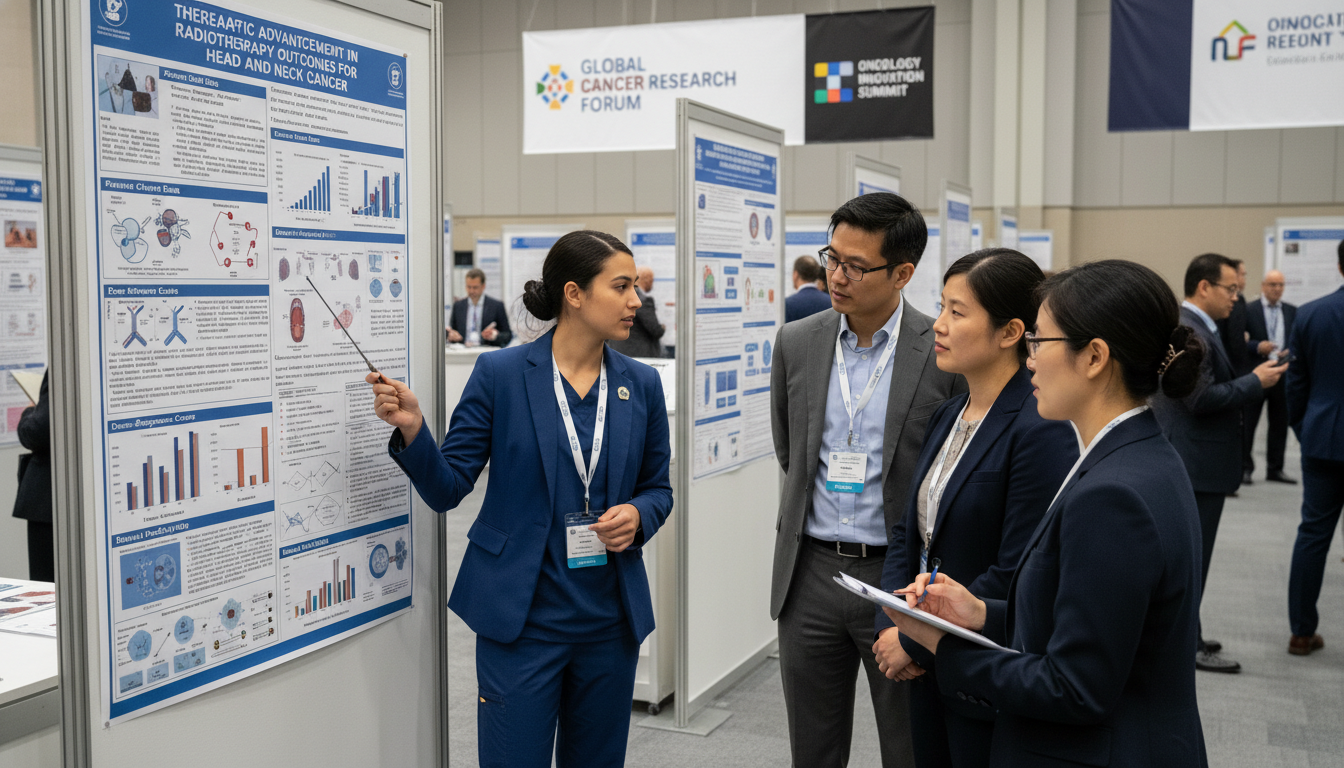
Oral and poster presentations:
- Practice succinct, clinically relevant storytelling.
- Highlight unique aspects of your findings and their limitations.
- Use clear, uncluttered figures—especially for dose–volume histograms (DVHs), survival curves, and imaging examples.
Manuscripts:
- Start with a detailed outline and assign co-author roles.
- Write methods and results first; introduction and discussion can follow the narrative of the findings.
- Anticipate and address potential reviewer criticisms in the discussion.
Set internal deadlines and meet with your mentor regularly until submission. A half-finished paper on your hard drive doesn’t help your CV or the field.
Aligning Research During Residency With Your Career Goals
Your research strategy will differ depending on where you see yourself after graduation: community practice, academic clinician-educator, or physician–scientist.
If You’re Aiming for Community or Private Practice
You do not need a massive portfolio of NIH-funded translational work, but research still benefits you.
Priorities:
- Gain competence in interpreting clinical trials and guidelines.
- Complete 1–3 solid clinical or QI-based resident research projects that reach publication.
- Focus on practical, implementation-focused studies (e.g., hypofractionation pathways, palliative radiotherapy efficiency, toxicity reduction).
Benefits:
- Demonstrates intellectual curiosity and commitment to quality care.
- Helps you stand out for leadership roles in your future practice (e.g., site-specific lead, clinical trial champion).
If You’re Targeting an Academic Clinician–Educator Path
You’ll likely need a stronger scholarly track record.
Strategies:
- Aim for multi-institutional clinical studies, secondary analyses of trials, or prospective registries.
- Combine clinical research with education research or curriculum development if you enjoy teaching.
- Present at national meetings and get involved with committees (e.g., ASTRO resident groups, disease-site groups).
Markers of progress:
- Several first-author manuscripts and national presentations by graduation
- Demonstrated ability to initiate, execute, and publish projects
- Early involvement in cooperative group trials or educational initiatives
If You’re Building Toward a Physician–Scientist Career
This path favors an academic residency track with substantial protected research time—often 12–24 months.
Key elements:
- Join a lab or translational group with a strong funding and publication track record.
- Work toward meaningful contributions that can mature into a K-award or equivalent early-career grant.
- Acquire advanced skills: molecular techniques, preclinical irradiation, imaging analysis, or robust computational methods.
You should also:
- Publish multiple first-author mechanistic or translational papers.
- Cultivate long-term mentorship relationships that extend beyond residency.
- Consider supplementary training (e.g., master’s in clinical investigation, epidemiology, or data science, if offered).
Practical Tips for Maximizing Research Productivity During Residency
Time Management and Workflow
- Front-load tasks during less intense rotations; don’t wait for the “perfect” time.
- Block specific hours weekly for research and treat them like non-negotiable appointments.
- Break large tasks (e.g., “write paper”) into actionable subtasks (e.g., “draft methods,” “generate table 1,” “write toxicity section”).
Building a Collaborative Network
- Identify synergistic collaborators: physicists, radiologists, surgeons, medical oncologists, pathologists, informaticians.
- Offer to help with ongoing projects (data collection, chart review) to quickly build your name on multiple manuscripts.
- Mentor medical students or junior residents—productive for them and helpful leverage for you.
Funding and Resources
Even as a resident, you may access small grants that support your work:
- Institutional trainee research funds
- Departmental pilot grants
- Society-sponsored awards (e.g., ASTRO, RSNA, disease-site foundations)
These can fund:
- Conference travel
- Research assistants or data abstraction help
- Lab supplies or software licenses
Learning to write small, competitive grant applications is a valuable stepping stone toward major grants later.
Common Pitfalls to Avoid
- Overcommitting: Taking on 5–6 projects at once and finishing none.
- Scope creep: Letting a manageable chart review mushroom into a multi-year, multi-site endeavor without infrastructure.
- Lack of clarity on authorship and expectations: Discuss authorship order and roles early; this avoids conflict and frustration.
- Ignoring feasibility: Choosing theoretical “high impact” over practically doable, resulting in stalled work.
A handful of completed, peer-reviewed projects will help you far more than a dozen abandoned ideas.
Frequently Asked Questions (FAQ)
1. How important is research during residency if I already matched into radiation oncology?
Research remains important even after the rad onc match is behind you. Your residency years are when you build the foundation of your academic reputation, develop critical evaluation skills, and clarify your career direction. Whether you end up in community or academic practice, having completed and published projects signals discipline, curiosity, and a commitment to evidence-based care.
2. Can I still do meaningful research at a community-oriented residency program?
Yes. While large academic centers may offer more basic science or high-profile trials, community-focused or smaller programs often have rich opportunities in clinical outcomes, QI, and health services research. You can partner with external collaborators, participate in cooperative group trials, and perform impactful resident research projects that address real-world patterns of care, access, and toxicity in understudied populations.
3. How many publications should I aim for during radiation oncology residency?
There is no fixed number, but a common benchmark for academically oriented residents is:
- Community-focused path: ~2–4 peer-reviewed papers (some as co-author, ideally 1–2 as first author)
- Academic clinician–educator path: ~4–8 papers, with several first-author works and national presentations
- Physician–scientist path: often more, including first-author mechanistic or translational studies and evidence of grant potential
Quality, relevance, and completion matter more than sheer quantity.
4. How can I align my medical school research with residency research in radiation oncology?
If you did oncology-related or methodological work in medical school (e.g., biostatistics, data science, imaging), you can leverage those skills during radiation oncology residency. When choosing a program or mentor, look for projects that extend or deepen your previous expertise—such as outcome modeling, imaging biomarkers, or informatics. This continuity is attractive when applying for fellowships or early academic positions and strengthens your narrative as a focused, evolving researcher.
By approaching research during residency in radiation oncology with intention—choosing appropriate projects, securing strong mentorship, and aligning your efforts with your long-term goals—you can transform limited trainee time into meaningful scholarship, stronger career options, and, ultimately, better care for your patients.