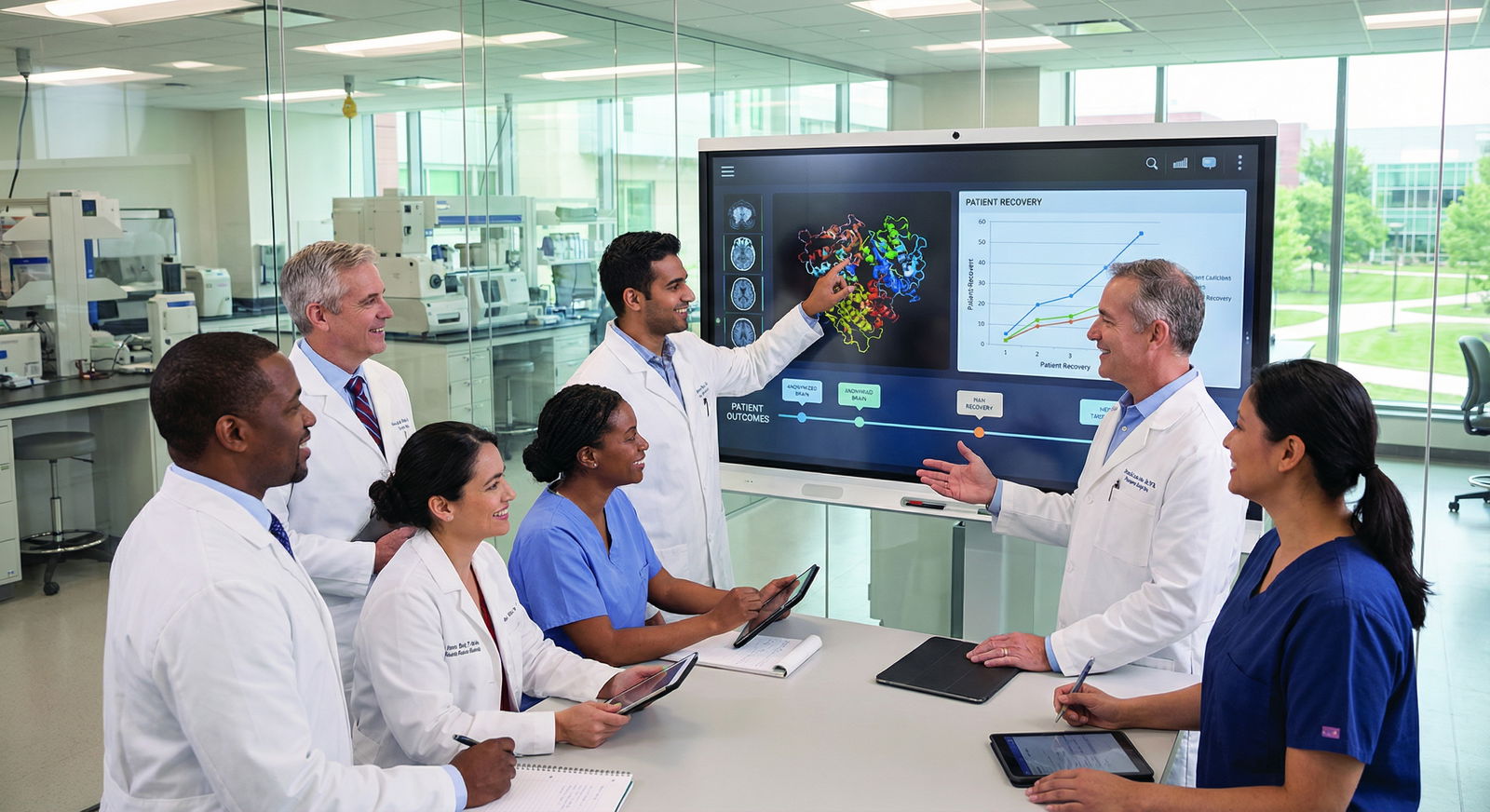
Introduction: How Medical Research Creates a Ripple Effect in Healthcare
Medical research is the engine behind nearly every major advancement in modern healthcare. From the antibiotics that treat common infections to the targeted therapies that extend survival in cancer, research quietly shapes the decisions that clinicians make every day and the policies that govern health systems worldwide.
For premed students and medical trainees, understanding this landscape is not just an academic exercise—it’s essential to becoming an informed, effective physician. Medical research drives:
- New diagnostics and treatments
- Improved patient outcomes
- Safer clinical practice
- Evidence-based health policy
- Global health progress and equity
This expanded guide explores how Medical Research generates a powerful “ripple effect”—starting with a hypothesis at the lab bench or a protocol in a clinic, then spreading outward to influence clinical trials, healthcare advancements, patient care, and Global Health initiatives. Along the way, you’ll see how you, as a future or current medical professional, can plug into this ecosystem meaningfully and ethically.
The Foundation of Medical Advancement: What Medical Research Really Is
Basic vs. Clinical Research: Two Pillars of Progress
Medical research is a broad umbrella that includes many methods and disciplines, but it is often organized into two major categories that interact constantly:
Basic (Bench) Research
Conducted primarily in laboratories, basic research aims to understand the fundamental mechanisms of health and disease:- Studies of genes, proteins, and cell signaling pathways
- Animal models of disease
- Lab-based investigations of viruses, bacteria, and immune responses
- Computational biology and bioinformatics to analyze large datasets
Basic research rarely leads to an immediate new drug or device. Instead, it builds the conceptual and mechanistic foundation upon which future therapies, diagnostics, and preventive strategies are built. For example:
- Understanding how the HIV virus enters cells led to the development of entry inhibitors.
- Discovering oncogenes and tumor suppressor genes paved the way for targeted cancer therapies.
Clinical Research
Clinical research tests hypotheses in humans and evaluates the safety, effectiveness, and real-world impact of interventions. It includes:- Clinical Trials (Phase I–IV) of drugs, devices, and procedures
- Observational Studies (cohort, case-control, cross-sectional)
- Health Services Research (care delivery, cost-effectiveness, quality improvement)
- Implementation Science, studying how to best integrate proven interventions into routine care
Clinical research translates discoveries from “bench to bedside,” and then often from “bedside to community,” impacting healthcare advancements far beyond individual patients.
Historical Milestones: How Research Reshaped Medicine
Several landmark discoveries illustrate how medical research changed the trajectory of patient outcomes and global health:
Penicillin and the Antibiotic Revolution
Alexander Fleming’s 1928 discovery of penicillin—and subsequent work to mass-produce it—turned once-fatal infections into treatable conditions. Mortality from pneumonia, sepsis, and wound infections plummeted, transforming surgery, trauma care, and maternal health.The Vaccine Era
Rigorous vaccine research and clinical trials have nearly eradicated or dramatically reduced diseases like smallpox, polio, measles, and tetanus. For example:- Global polio cases have fallen by more than 99% since 1988.
- Measles vaccination has prevented millions of deaths worldwide.
These successes are not accidents; they are the result of decades of trial design, epidemiologic research, and international collaboration.
The Human Genome Project and Genomic Medicine
Completed in 2003, the Human Genome Project created a “blueprint” for human genetics. Its ripple effects include:- Personalized medicine and pharmacogenomics (e.g., tailoring warfarin dosing based on genetic variants)
- Identification of genetic risk factors for cancer, cardiovascular disease, and rare disorders
- New screening tools and targeted therapies
When you order a genetic panel or check an antibiogram as a clinician, you are standing on the shoulders of these research milestones.
Medical Research at the Bedside: Direct Impact on Individual Patients
Expanding and Refining Treatment Options
Every new guideline, dosage adjustment, or clinical practice algorithm traces back to research. Some key ways Medical Research improves individual patient outcomes include:
Development of New Therapeutics
- Targeted cancer therapies like imatinib for chronic myeloid leukemia (CML) or trastuzumab for HER2-positive breast cancer have transformed lethal diseases into chronic, controllable conditions for many patients.
- Biologic therapies for autoimmune conditions (e.g., TNF inhibitors for rheumatoid arthritis, monoclonal antibodies for inflammatory bowel disease) emerged from meticulous studies of immune pathways.
Optimization of Existing Treatments
Research doesn’t stop when a drug is approved; it continues in the form of:- Dose-finding and comparative effectiveness trials
- Studies to reduce adverse events or drug interactions
- Research on combination therapies, as seen in HIV care
- Antiretroviral therapy (ART) combinations, informed by decades of Clinical Trials and cohort studies, converted HIV from a uniformly fatal disease into a manageable chronic condition for millions worldwide.
Non-Pharmacologic Interventions
Research also underpins advances in:- Surgical techniques (e.g., minimally invasive and robotic surgery)
- Rehabilitation protocols after stroke or joint replacement
- Behavioral interventions for diabetes, obesity, and hypertension
Clinical Trials: Where Patients and Research Intersect
Clinical trials are the bridge between innovation and routine care. For patients, participation can mean:
Access to Cutting-Edge Treatment
Patients in trials may receive promising therapies years before they become widely available, especially in oncology, rare diseases, or refractory conditions.Active Role in Healthcare Advancements
Many participants take pride in contributing to knowledge that may help future patients—even when personal benefit is uncertain.Rigorous Safety Monitoring
Contrary to common fears, well-designed Clinical Trials include:- Careful eligibility criteria
- Data and Safety Monitoring Boards
- Informed consent processes
- Clear stopping rules if harm emerges
As a future physician, understanding trial phases (I–IV), endpoints (e.g., survival, quality of life, biomarkers), and ethical oversight will help you counsel patients and critically appraise new evidence.

From Individuals to Populations: Research in Community and Public Health
Epidemiology and Population Health: Seeing the Bigger Picture
Epidemiologic and population-based studies extend the reach of Medical Research from the bedside to entire communities and nations. These studies:
Identify Risk Factors and Protective Factors
Cohort and case-control studies established links between:- Smoking and lung cancer
- Hypertension and stroke
- Diet, physical activity, and cardiovascular disease
These findings directly informed public health campaigns, screening recommendations, and clinical guidelines.
Guide Disease Surveillance and Outbreak Control
Research in infectious disease epidemiology has:- Shaped strategies for tuberculosis control
- Informed HIV prevention approaches (e.g., PrEP, harm reduction)
- Guided COVID-19 testing, isolation, mask use, and vaccine rollout
The COVID-19 pandemic highlighted how quickly Biomedical Research, epidemiology, and Clinical Trials can converge to influence policy and save lives.
Behavioral and Social Determinants of Health
Modern Medical Research increasingly recognizes that biology is only part of the story. Social, economic, and environmental factors profoundly shape Patient Outcomes:
Social Determinants of Health (SDOH)
Large-scale studies show strong links between health outcomes and:- Income and education
- Housing stability and neighborhood safety
- Access to nutritious food and healthcare
- Structural racism and discrimination
Behavioral Health Research
Interventional trials on:- Smoking cessation programs
- Nutrition and exercise counseling
- Mental health interventions in primary care
have changed how clinicians frame and address lifestyle-related disease.
For future physicians, understanding this literature is essential to practicing holistic, equitable care.
Research to Policy: How Evidence Shapes Systems
Medical research informs the “rules of the game” in healthcare systems:
Evidence-Based Guidelines
Organizations like the U.S. Preventive Services Task Force (USPSTF), WHO, and specialty societies systematically review research to create guidelines on:- Cancer screening (e.g., mammography, colonoscopy)
- Cardiovascular risk reduction (e.g., statin use, blood pressure targets)
- Vaccination schedules
These guidelines drive insurance coverage, quality metrics, and standard of care.
Health Policy and Resource Allocation
Health services and economics research guide:- Hospital staffing models
- Telehealth reimbursement
- Mental health parity laws
- Investments in primary care vs. specialty care
Advocacy and Funding
High-impact research on health disparities or neglected diseases can:- Spur advocacy campaigns
- Increase NIH and global funding
- Influence philanthropic priorities
In other words, data can become a powerful advocacy tool, shaping not just clinical decisions but the entire healthcare landscape.
Global Health: Medical Research Without Borders
International Collaborations and Global Health Programs
Medical research has transformed not just national health systems, but Global Health as a whole:
Multinational Clinical Trials
HIV, malaria, and tuberculosis research often involves large-scale, cross-country trials. These efforts:- Ensure treatments are effective across diverse populations
- Generate context-specific evidence for low- and middle-income countries (LMICs)
- Build local research infrastructure and capacity
Global Health Initiatives Guided by Research
Organizations like WHO, GAVI, and the Global Fund rely heavily on data to:- Prioritize which diseases and regions to focus on
- Optimize vaccine rollout strategies
- Monitor impact and cost-effectiveness of interventions
Maternal and Child Health
Research on antenatal care, skilled birth attendance, and neonatal interventions has:- Reduced maternal and infant mortality worldwide
- Informed “best buys” in Global Health for limited-resource settings
As a trainee interested in Global Health, becoming familiar with research ethics in cross-cultural settings, capacity-building, and local ownership of data is critical.
Technology, Data, and Innovation: A New Era of Research
The digital transformation of healthcare is another powerful ripple effect of Medical Research:
Telemedicine and Remote Monitoring
Randomized trials and implementation studies have shown that:- Telehealth can effectively manage chronic diseases like diabetes and hypertension
- Remote monitoring can reduce hospital readmissions for heart failure
- Virtual mental health services can expand access in underserved areas
Big Data, AI, and Precision Medicine
Combining electronic health records (EHRs), imaging, genomics, and wearable data enables:- Early detection algorithms (e.g., for sepsis or arrhythmias)
- Personalized risk prediction models
- New drug targets identified by machine learning
Global Disease Surveillance
Digital tools and data-sharing platforms allow near real-time monitoring of outbreaks, enabling faster responses and more coordinated Global Health strategies.
These healthcare advancements are possible only because of ongoing research in informatics, data security, ethics, and implementation science.
The Ripple Effect in Practice: Case Studies that Changed Medicine
Case Study 1: mRNA Vaccines and a Pandemic Response
The “overnight” success of mRNA COVID-19 vaccines was actually decades in the making:
Pre-Pandemic Research
Long before COVID-19, scientists were:- Studying mRNA stability, delivery systems (lipid nanoparticles), and immune responses
- Testing mRNA platforms for cancer vaccines and rare diseases
Rapid Clinical Trials and Global Rollout
Once SARS-CoV-2 was identified:- Vaccine candidates were designed within days
- Phase I–III Clinical Trials were conducted at unprecedented speed, with tens of thousands of participants
- Real-world effectiveness and safety studies continued after emergency authorization
Ripple Effects
The impact of this research extends far beyond COVID-19:- Proof-of-concept for mRNA vaccines against influenza, RSV, HIV, and certain cancers
- Improved global capacity for rapid vaccine development and distribution
- Renewed attention to research infrastructure and regulatory pathways
Case Study 2: The “War on Cancer” and the Rise of Precision Oncology
The U.S. National Cancer Act of 1971 catalyzed massive investment in cancer research:
Improved Understanding of Cancer Biology
Research elucidated:- Oncogenes and tumor suppressor genes
- Angiogenesis, metastasis, and tumor microenvironment
- Molecular subtypes of common cancers (e.g., breast, lung)
Targeted and Immunotherapies
This led to:- Targeted kinase inhibitors (e.g., EGFR, ALK inhibitors in lung cancer)
- Immune checkpoint inhibitors (e.g., PD-1/PD-L1, CTLA-4)
- CAR-T cell therapies for hematologic malignancies
Improved Survival and Quality of Life
For many cancers:- Five-year survival rates have climbed significantly (e.g., breast cancer >90% in high-resource settings)
- Treatments are increasingly tailored to tumor genomics and patient characteristics, often with fewer side effects
The ripple effect includes changes in how we design trials, interpret biomarkers, and counsel patients about prognosis and treatment choices.
How Students and Trainees Can Engage with Medical Research
Why Research Matters for Premed and Medical Students
Engaging in research early has multiple benefits:
- Deepens understanding of disease mechanisms and evidence-based medicine
- Strengthens critical thinking, statistics, and scientific writing skills
- Enhances residency applications and opens doors to academic careers
- Builds mentorship relationships with faculty and research teams
Most importantly, it teaches you how evidence is generated—knowledge that will shape your clinical practice for decades.
Practical Ways to Get Involved
Shadow or Join a Research Lab
- Reach out to faculty with ongoing projects in areas that genuinely interest you (oncology, Global Health, neurology, etc.).
- Start with tasks like data collection, literature reviews, or basic lab techniques, then grow your responsibilities.
Participate in Clinical Research Projects
- Work on chart reviews, quality improvement initiatives, or prospective observational studies.
- Learn the basics of IRB applications, informed consent, and research ethics.
Engage in Global Health Research (If Interested)
- Seek supervised collaborations with institutions in other countries.
- Prioritize respectful partnerships, local leadership, and sustainable impact.
Build Your Research Toolkit
- Take courses or workshops in biostatistics, epidemiology, and scientific writing.
- Learn to use tools like REDCap, SPSS/R, or basic coding if relevant.
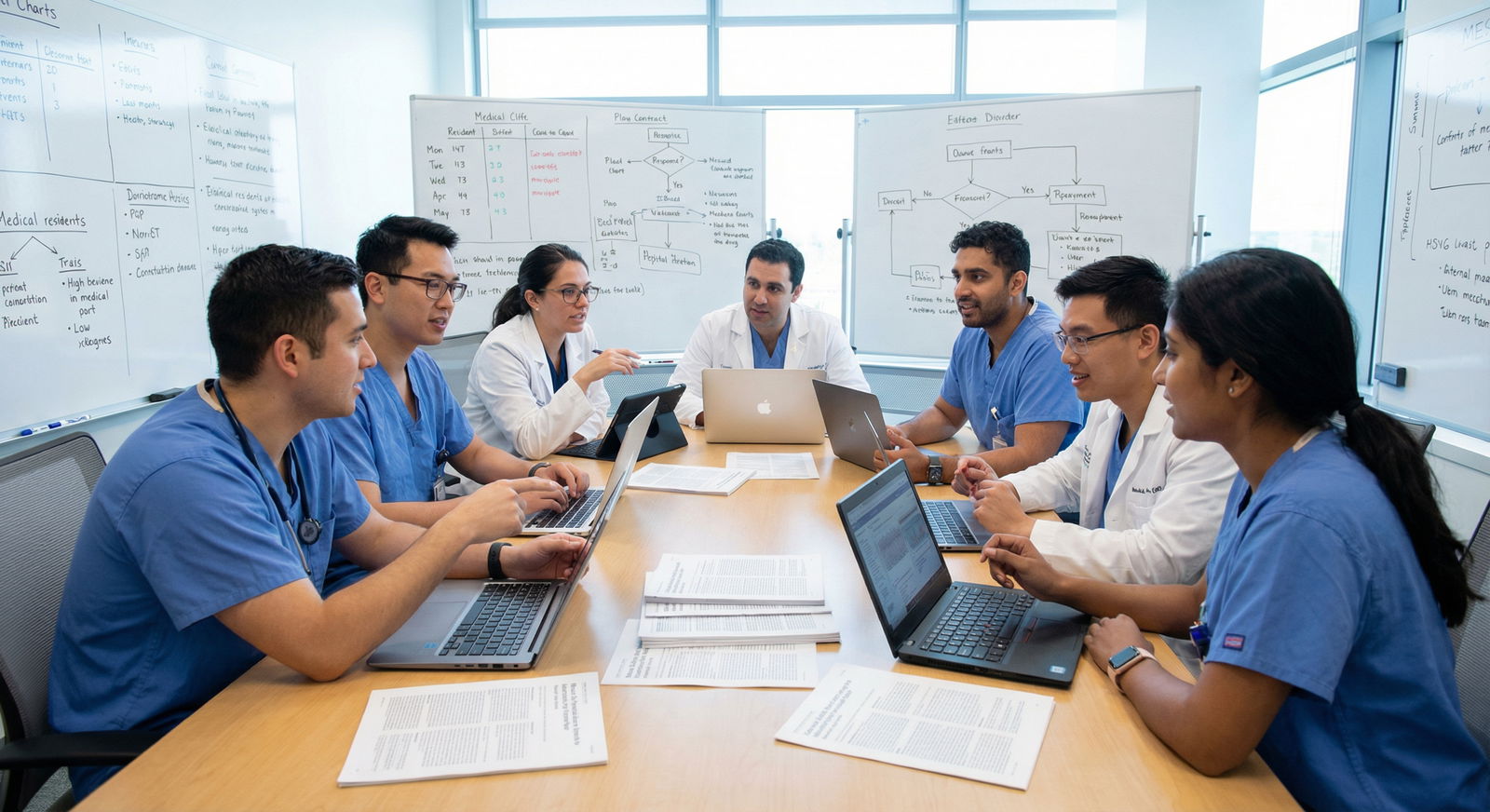
FAQs: Medical Research, Clinical Trials, and Your Future Career
1. How can I, as a premed or medical student, realistically start doing medical research?
You don’t need prior experience to begin. Start by:
- Identifying fields you’re genuinely curious about (e.g., cardiology, Global Health, psychiatry).
- Reviewing faculty profiles at your institution and emailing potential mentors with a concise, professional message and a brief CV.
- Asking about ongoing projects where you can help with literature reviews, data entry, or patient recruitment.
Many students begin with small roles and progress to co-authorship on posters or papers as they gain skills and trust.
2. What’s the difference between “clinical research” and “clinical trials”?
- Clinical Research is a broad term that includes any systematic study involving human participants or their data—this can be observational studies, surveys, retrospective chart reviews, or Clinical Trials.
- Clinical Trials are a specific type of clinical research where participants are assigned to interventions (e.g., a new drug) to test safety, efficacy, or dosing, usually in a structured, phased process (Phase I–IV).
Both contribute to evidence-based practice and improved Patient Outcomes, but trials are particularly crucial for evaluating new treatments.
3. How does medical research directly affect patient care in day-to-day clinical practice?
Every guideline you use as a clinician—antibiotic choice, hypertension targets, cancer screening ages—comes from aggregated research evidence. For example:
- A randomized trial may show that a new anticoagulant is safer than warfarin for certain patients, leading to guideline changes.
- Observational data might reveal that a specific surgical technique lowers complication rates, shifting standard practice.
Learning to interpret and apply this evidence helps you make safer, more effective decisions at the bedside.
4. Is it safe for patients to participate in clinical trials?
Well-designed Clinical Trials prioritize safety through:
- Rigorous preclinical testing and earlier-phase trials
- Ethical oversight by Institutional Review Boards (IRBs)
- Detailed informed consent explaining risks, benefits, and alternatives
- Ongoing safety monitoring and predefined criteria to pause or stop a trial
While no intervention is risk-free, Clinical Trials are structured to minimize and carefully monitor those risks. As a clinician, your role includes helping patients understand both potential benefits and limitations of trial participation.
5. Why is international collaboration so important in medical research and Global Health?
Diseases do not respect borders. International collaboration:
- Ensures that treatments work in diverse genetic, cultural, and environmental contexts
- Accelerates discovery by pooling expertise, data, and resources
- Builds research capacity in LMICs, promoting sustainable Global Health improvements
- Enables coordinated responses to pandemics and other transnational health threats
Collaborative research strengthens equity and ensures that advances benefit patients worldwide—not just those in high-income countries.
Medical research is not a distant academic exercise; it is the living backbone of modern healthcare. From laboratory discoveries to Clinical Trials, from community interventions to Global Health strategies, each study contributes a small wave that, combined with others, reshapes how we understand disease and care for patients.
As a current or future medical professional, you have the opportunity not only to apply this evidence in clinical practice but also to help generate it—continuing the ripple effect that improves Patient Outcomes and transforms healthcare for generations to come.