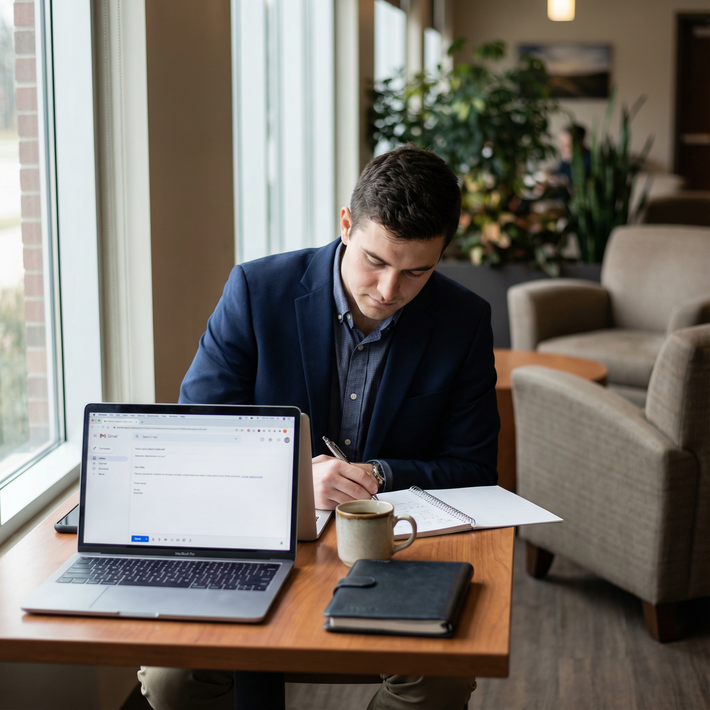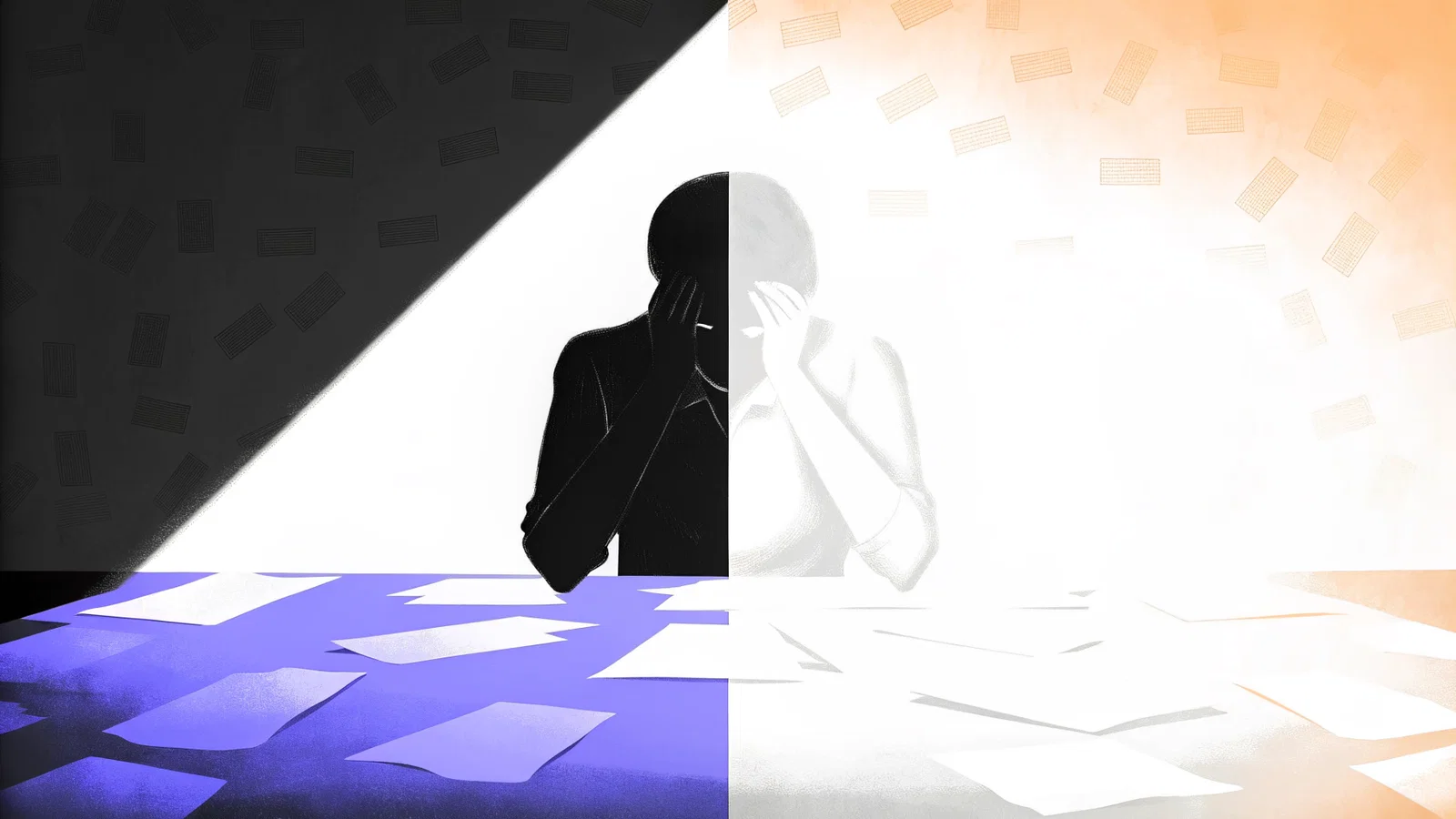
I've watched strong applicants torch their own Match chances in under thirty seconds. Not because they botched a clinical question. Not because their Step score was weak. Because they reached into a bag, pulled out a highlighter-filled notebook, and flipped it open while the program director was still finishing the first question. That single motion rewrote the entire room's opinion of them. Don't make this mistake.
The Fatal Distraction: Why 'Being Prepared' Becomes a Career Killer
Here's the core error people keep defending: "I just want to be prepared." No. Bringing physical notes into a residency interview isn't preparation. It's a public confession that you misunderstand professional conduct at the level that matters most, the interpersonal level.
The second those pages hit the table, your brain flips modes. You stop listening and start scanning. Eye contact fractures. The interviewer says something nuanced about the program's culture or a tough case, and part of your attention is already hunting for the bullet point you wrote last night. You create a disconnect that feels cold and transactional. Program directors read that as lack of confidence and shaky preparation ethics. They're not wrong.
I've seen the room change temperature the instant the notes appear. The PD's posture shifts. The smile flattens. You're no longer a future colleague who can think on their feet. You're the student who needs training wheels for a conversation.
Imagine walking in, sitting down, and within the first ninety seconds you're already rifling through color-coded cards. That moment defines your candidacy more than any research poster. Protect yourself. Leave the paper outside.
The Unwritten Rule: Professionalism Is Performative
In residency interviews, professionalism often outranks raw metrics. Step scores and publications get you the invite. How you carry yourself decides whether they rank you. Note-taking thrives in lecture halls. It dies in executive-level conversations. Different arena, different rules.
When you plant a stack of notes in front of you, the signal is loud: you do not trust your own memory or intelligence enough to speak without a script. Interviewers notice. They start wondering how you'll handle autonomy on the wards when basic human dialogue already requires external scaffolding.
Connect the dots to patient safety. A resident who leans on crutches for ordinary interpersonal exchange raises quiet flags about decision-making under pressure. Programs want people who can hold a conversation, read a room, and answer without props. Documentation is external reliance. Preparedness is internal knowledge. Confuse the two and you look like you never graduated from the classroom mindset.
Don't dress up insecurity as diligence. The people across the table have sat through hundreds of these. They've seen every version of the "helpful" binder. It never helps.
The Cognitive Load Error: You Are Dividing Your Attention Span
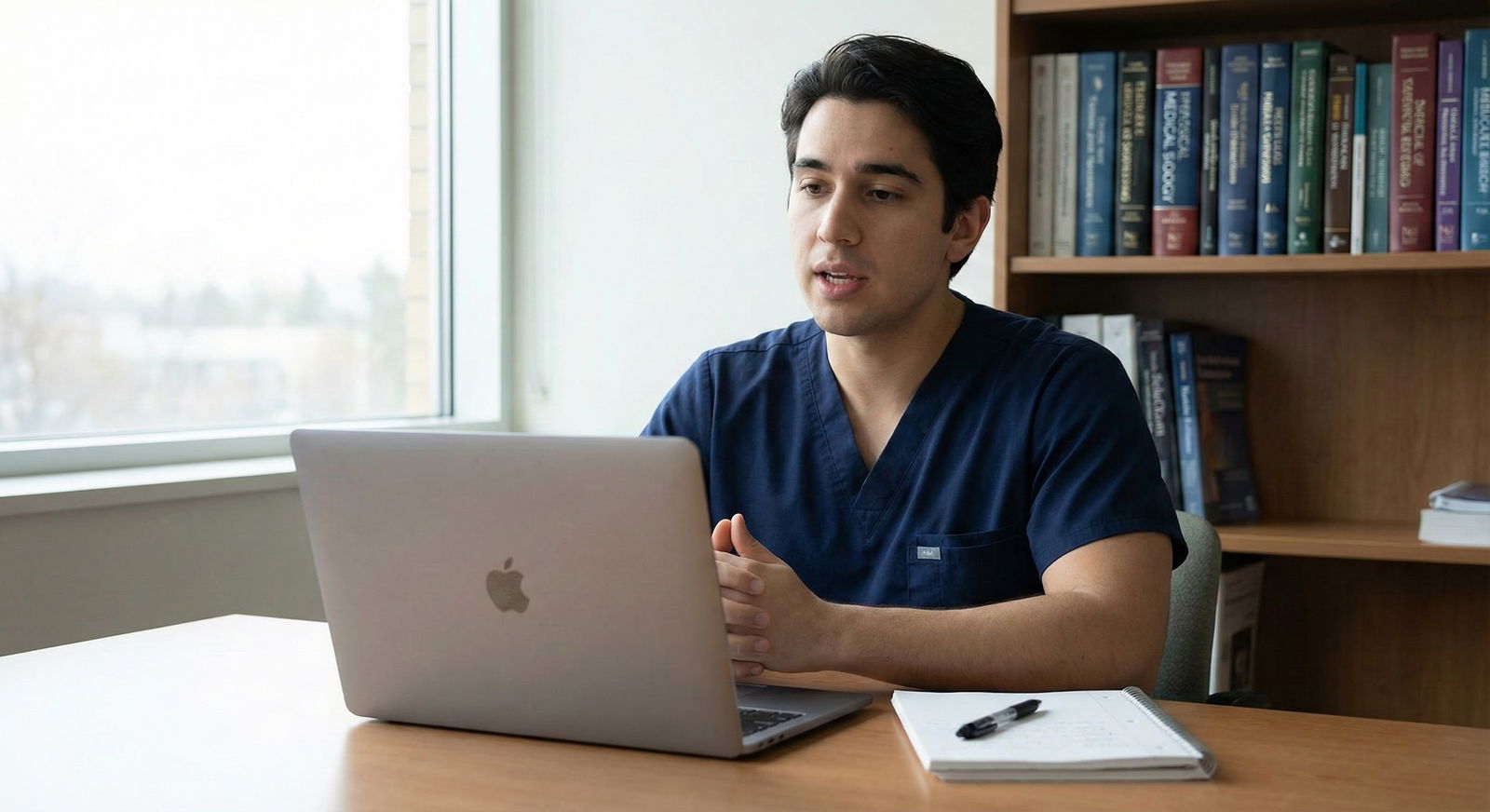
Human attention is finite. Cognitive load theory isn't abstract theory here, it's the reason your answers start sounding rehearsed and hollow. If a slice of your working memory is babysitting those notes for the next cue, you cannot fully process tone, micro-expressions, or the actual question being asked. You miss the follow-up buried in their phrasing. You answer the version you prepared instead of the one they spoke.
Then comes the glance-down trap. Even if you swear you won't read, your eyes dip. Every break in eye contact rhythm makes the exchange feel stilted and artificial. Conversational research is blunt on this: frequent gaze breaks tank perceived empathy and competence fast. After roughly two brief glances per minute, the drop gets steep. You're trying to look sharp. You look distracted and anxious instead.
The irony is almost cruel. The safety net you brought becomes the thing that makes you look unsafe.
Mistake-avoidance rule: if you still need the notes, you haven't rehearsed enough. Trust the work you already did. Or go do more of it before you walk in.
The Physical Clutter Problem: Logistics Fail Under Pressure
Nerves make hands shake. Water bottles tip. Bags snag. Now add loose index cards, sticky notes, or a fat folder to that equation and watch the cascade.
Spreading materials across a small interview table is visually intrusive. It screams "I brought my homework." Organizing those papers at the start burns thirty seconds you will never get back, thirty seconds of first-impression capital spent on paper shuffling instead of connection. And if you drop them? The awkward silence while you scramble on the floor kills momentum dead. I've watched an applicant lose the entire room retrieving a fallen stack. Recovering from that is almost impossible.
Protective advice is simple: minimize variables. Empty pockets. Clear surface. Focused mind. Every physical object you introduce is another failure point under stress. Eliminate them.
Alternatives That Actually Work: The Right Way to Prepare
Stop treating preparation like passive memorization. Build active recall so the answers live in your head, not on paper.
Technique 1: The Bullet-Point Brain Dump. The night before or the morning of, take one blank sheet. Write the key themes, your story arc, two or three clinical strengths, the honest weakness with growth, why this program. Write fast. Then leave the sheet in your bag or car. The act of writing encodes the material. Walking in empty-handed forces presence. You get the benefit of the notes without the career damage of carrying them.
Technique 2: Mental Mapping. Don't script word-for-word answers. Map the flow. "Tell me about yourself" → origin story → pivotal clinical moment → why this specialty → why this program. "Weakness" → real gap → concrete fix → current evidence of improvement. Visualize the shape of the conversation instead of reciting lines. When they ask something sideways, you still have the structure.
Technique 3: Audio Rehearsal. Record yourself answering the common questions on your phone. Play it back. You'll hear the filler words, the rambling, the places you hedge. Fix those out loud. Reading notes never catches the sound of your own hesitation the way a recording does. Do this until the answers feel like muscle memory, not retrieval.
Confidence comes from repetition, not reference materials. Never let your preparation method sabotage your delivery. The applicants who look natural didn't bring better notes. They didn't bring any.
Key Takeaways
- Bringing notes creates a physical and psychological barrier between you and the interviewer, signaling insecurity rather than diligence.
- Professionalism in interviews demands undivided attention; any prop used for note-taking distracts from eye contact, posture, and real-time listening.
- True preparedness shows up as practiced fluency and calm presence, not a safety net of written crutches.
- Eliminate every physical reference before you enter the room so your full cognitive load stays on connection and response.
- Replace written notes with pre-interview mental mapping and audio rehearsal to build reliable muscle memory.
Action Steps: Do This Before Your Next Interview
- Tonight, dump your key themes onto one sheet of paper. Then put that sheet somewhere you cannot reach during the interview.
- Record three full answers out loud. Listen once. Cut the fluff. Record again.
- Practice the entire conversation with empty hands on a table. Force the eye contact. Notice how much freer you sound.
- The morning of: clear pockets, leave the bag light or outside the room if possible, place water deliberately if you need it, and keep hands visible and empty.
- If anxiety spikes mid-interview, pause three seconds, breathe, and answer from the map you already built. A clean pause beats a frantic glance every single time.
Do the work in private. Show up empty-handed and fully present. That's how you stop looking like a student who needs props and start looking like a colleague they can trust.