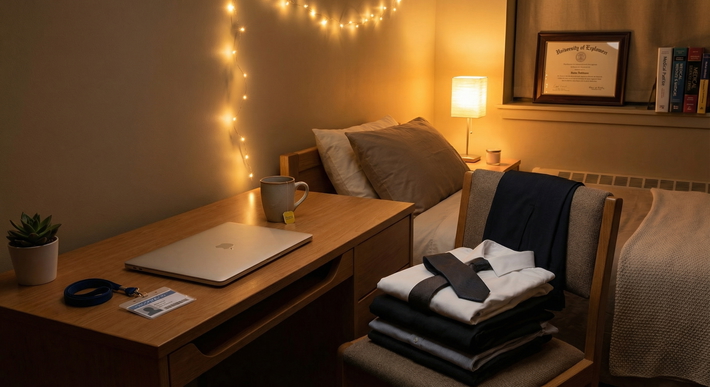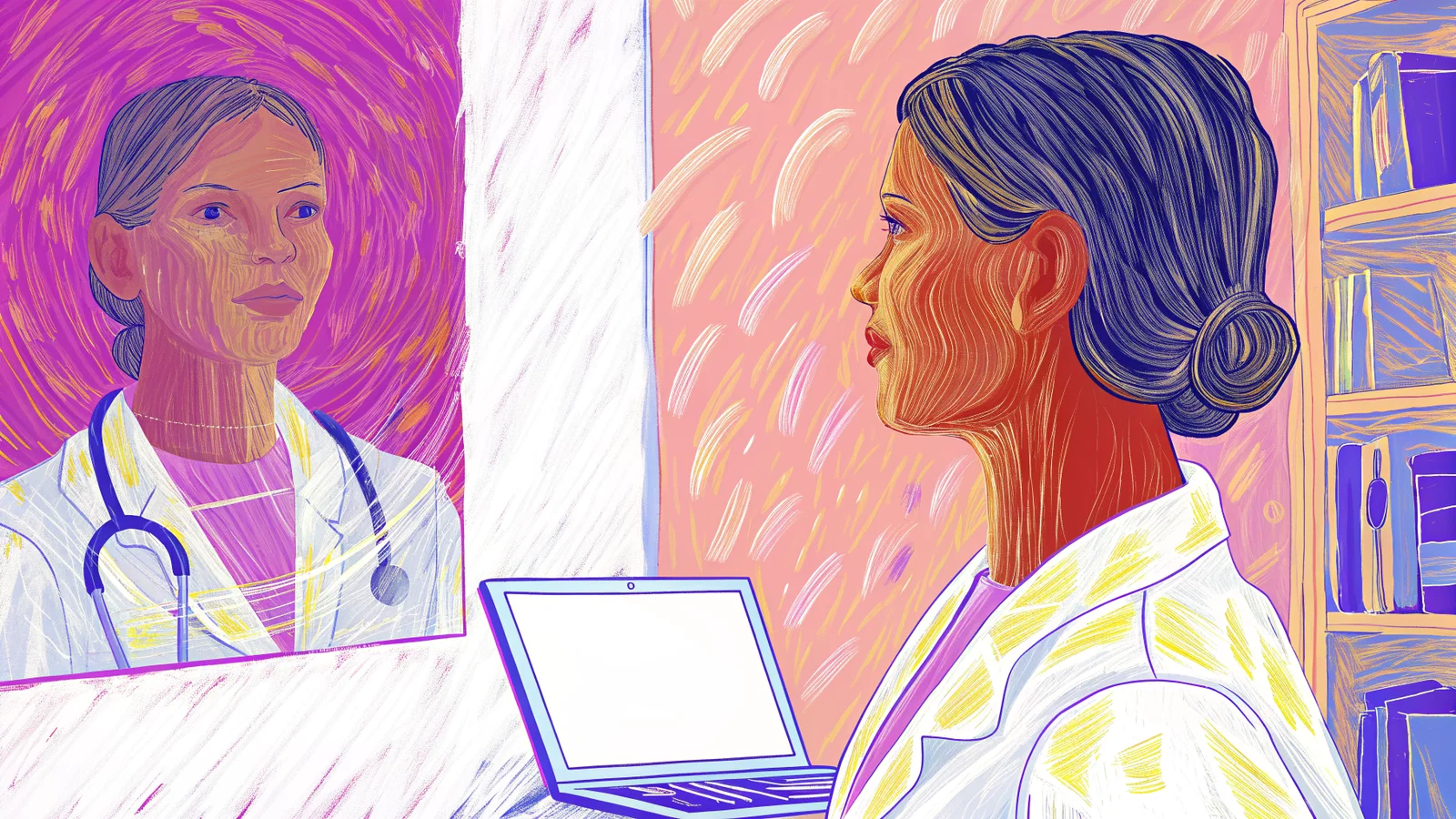
What happens when the envelope opens, the screen flashes "MATCH," and you're literally standing in the breakroom of the program that just took you?
You just matched at your away rotation site. It's a bizarre, exhilarating, and deeply awkward limbo. You're simultaneously a visitor and a future resident. It's a dual-role situation that nobody really prepares you for. One minute you're an auditioning medical student terrified of saying the wrong thing, and the next, you're a matched PGY-1 who technically belongs to the team.
Mixed emotions are completely normal here. Excitement, anxiety, and uncertainty often coexist in the same breath. You might feel a sudden wave of buyer's remorse, or you might feel an intense urge to start acting like the chief resident. Both are wrong.
Most students think matching is the finish line. It's not. It's just the end of the audition. The next few days define how you transition from 'away student' to 'matched resident.' If you handle this poorly, you'll spend your entire intern year trying to shake off a bad reputation. If you handle it right, you'll walk in on July 1st with a massive head start. Here is exactly how to play it.
First 48 Hours: Your Action Checklist
Let's be blunt. Do not wait for the program director or coordinator to find out you matched through the NRMP email blast. That makes you look passive. You need to control the narrative immediately.
Notify the program director and coordinator the second you have confirmation. Don't just send an email. Walk into the coordinator's office, shake their hand, and tell them you're thrilled to be joining the team. If the PD is on the floor, find them between cases or clinic patients and tell them in person.
Next, update your contact information and institutional credentials. The email address you used for your away rotation might be tied to a temporary visitor login. Get your permanent personal email and future institutional email sorted out. Request access to resident-only resources. Ask the coordinator when you'll get access to the resident call schedules, educational materials, and the intern prep handbook.
Finally, have an honest conversation with your current supervisor about expectations for your remaining time. This is the trickiest part. You still have to work. You still have to present patients, write notes, and do scut work. Tell your attending, "I'm incredibly excited to match here, but I want to make sure I'm still meeting your expectations as a student for the rest of this block." They will appreciate the professionalism.
Navigating the Social Minefield
The moment the match results drop, the residents know you'll be their colleague. The dynamics shift immediately. You are no longer the "auditioning student" they can brush off. You are the new intern they will be working with at 3 AM.
Be humble but confident. You're joining the team, not announcing a promotion. I've seen matched students suddenly start giving orders to nurses or acting overly familiar with attendings. Big mistake. You don't have the MD or DO yet, and you certainly don't have the hospital privileges. Stay in your lane.
Seek out your 'match mentor.' Ideally, this is a current PGY-2 or PGY-3 who matched there from an away rotation themselves. They know exactly what you're going through. They know the unwritten rules of the program, the best places to live, and the attendings to avoid. Buy them a coffee and pick their brain.
Avoid overshadowing current residents or appearing presumptuous about your new status. Don't ask about intern vacation days. Don't complain about the call schedule you haven't even started yet. Listen more than you speak. When the residents are venting about the program, just nod. Do not join in on the complaining. You aren't a resident yet, and complaining about a job you haven't started is a quick way to alienate your future peers.
The Paperwork Reality Check
Here is a hard truth: your away rotation credentials won't fully transfer. The hospital HR department does not care that you already have a visitor badge and an EMR login. Expect redundant verification processes. You are essentially being onboarded as a brand-new employee.
Start the credentialing process for hospital access, your permanent resident badge, parking, and full EMR login immediately. Visitor access usually expires the day your rotation ends. If you don't get the paperwork moving now, you'll be locked out of the hospital in June.
Verify licensure requirements and NCMS (or your state's equivalent) registration for your new state. Some states require you to apply for a training license months in advance. If you miss the deadline, you won't be legally allowed to treat patients on July 1st. Check the state medical board website today.
Then there is the money. Financial aid and loan deferment require you to update your enrollment status immediately. If your medical school marks you as "graduated" and you haven't submitted your residency verification form to your loan servicer, your student loans will kick into repayment. Don't let a bureaucratic oversight cost you thousands of dollars in unexpected payments.
Making Your Remaining Weeks Count
You're no longer auditioning. The spot is yours. Now, you're building relationships for July. This is a rare gift. Most matched students have to show up blind on orientation day. You have a head start. Use it.
Focus on learning the culture, not proving yourself. You don't need to diagnose the rarest zebra in the hospital to impress anyone anymore. Show up on time, be pleasant, and do your job well. That's all they want.
Ask to shadow procedures and workflows you'd miss as an intern, not just as a student. Ask the night float intern if you can shadow them for an evening. Ask the senior resident to show you how they run the code cart. Ask the clinic coordinator how they triage patient messages. Learn the actual mechanics of the job.

Leave positive impressions by being helpful, not by showing off. If the team is drowning in discharges, offer to help draft the summaries. If the residents are stuck doing a tedious chart review, offer to pull the old records. Be the person they think, "I'm glad they're starting in July," not the person they think, "They're going to be exhausting."
If You Have Doubts, That's Actually Normal
Let's talk about the elephant in the room. Matching doesn't mean you're locked in emotionally. It's okay to feel uncertain. In fact, it's expected.
Post-match depression and doubt are incredibly common. You just spent months stressing over the match, and now that the adrenaline is gone, your brain is looking for something to worry about. You might look around the hospital and think, "Did I make a mistake? Is this really where I want to spend the next three years?"
Don't make major decisions in the first week of emotions. Give yourself time to let the dust settle. Talk to mentors who've been through this transition. Call a trusted advisor from your home institution and vent.
Remember: most matched applicants report initial doubt that resolved with time. The grass always looks greener at the programs you didn't match at, but those programs have their own miserable call schedules and toxic attendings. You ranked this program for a reason. Trust your past self.

Key Takeaways
- Match confirmation at your away site creates a unique opportunity to build genuine relationships before residency starts, treat this as a preview, not a final exam.
- The first 48 hours are critical for administrative transitions: notify key people, update credentials, and establish your presence as a future resident.
- Social dynamics shift immediately after matching, stay humble, seek mentorship from current residents who made similar transitions, and avoid presumptive behavior.
- Mixed emotions are normal and expected; give yourself permission to process before making any major decisions about your fit.
Your Next Step: Don't just read this and close the tab. Draft your email to the program coordinator right now. Write down the names of two current residents you want to ask for coffee this week. Take control of your transition today, so you can actually enjoy the rest of your medical school experience. Go get it done.