Why Clinical Volunteering Still Matters for Residency
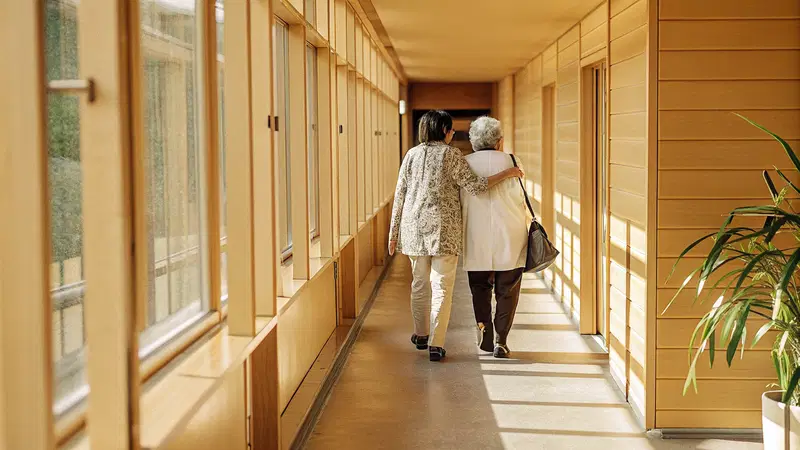
Clinical volunteering is patient-facing service in a healthcare setting, hospitals, clinics, hospice programs, free clinics, community health outreach. Not shadowing. Not "hospital volunteering" where you restock pamphlets in a lobby. Real volunteering means you're around patients, usually in a service role where you're helping someone navigate a hard moment in their life.
Residencies infer a lot from this. They see someone who chose to show up unpaid, repeatedly, around sick people. That tells them about commitment. It tells them about comfort in clinical environments, whether you freeze when a patient cries or whether you can sit with them. It signals teamwork, because almost every volunteer role puts you alongside nurses, MAs, social workers, and physicians. And it shows service orientation, which is a word accreditation bodies love and which actually does matter when you're picking people who'll care for vulnerable patients at 3 a.m.
But here's the part most applicants miss: there's a huge difference between checking a box and building something worth talking about. A few scattered Saturday events won't give you material. Six months in a free clinic will. I've reviewed applications where the volunteering section is a list of one-day health fairs, nice, but forgettable. The strong ones tell a story: this is what I did, this is what I saw, this is what I learned, and here's how it shaped why I want to be a physician in this specialty.
Residencies don't need you to have invented a clinic. They need evidence that you've been close enough to patient care to know what you're getting into, and that you kept coming back.
What Counts as High-Value Clinical Volunteering
High-value volunteering means patient contact plus consistency plus something to reflect on. Passive observation has its place, but it doesn't build the same story.
Let's rank the common options:
- Free clinic volunteering. Top tier. You'll see uninsured patients, complex social needs, real teamwork with attending physicians who often write strong letters. Great for any specialty, exceptional for primary care, family med, internal med, and psych.
- Inpatient escorting with patient contact. Wheeling patients, talking with families, helping on floors. Lower prestige but excellent exposure. You learn how hospitals actually function.
- Hospice. Profound. Tests your emotional range. Especially powerful for palliative care, oncology, geriatrics, and family medicine interests.
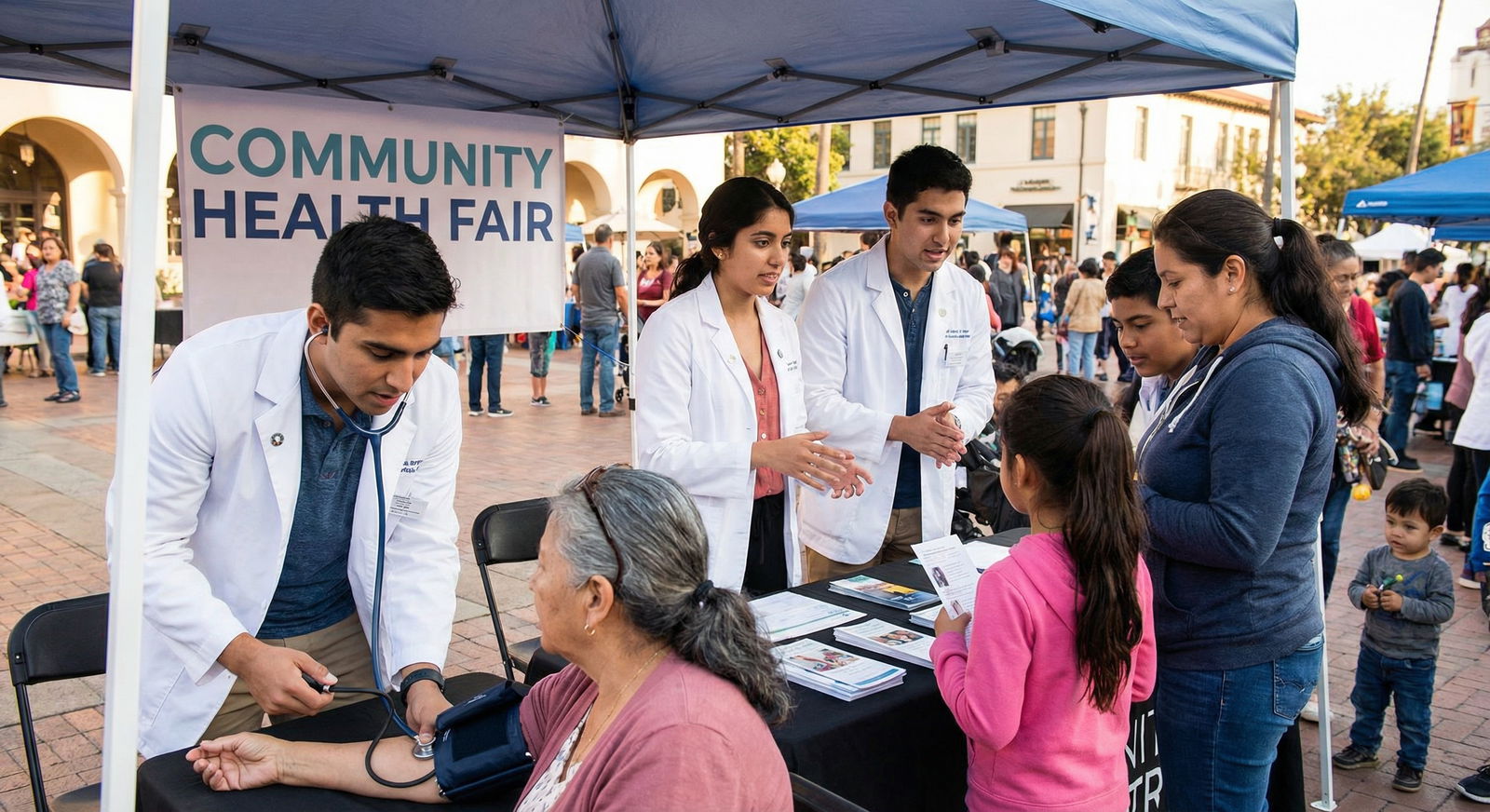
- Community health outreach. Vaccination drives, blood pressure screenings, mobile units. Strong for public health-minded applicants and those targeting primary care or pediatrics.
- ED volunteer programs. Highly variable. Some EDs let volunteers interact with patients meaningfully; others use them as wayfinding. Find out before you commit.
- Longitudinal clinic support. Working the same clinic weekly for a year or more. Consistency matters more than flashy settings.
What you want is a role where you actually speak with patients, where you're not just watching medicine happen but you're a small part of it. That's where interview stories come from.
How to Choose Volunteering That Actually Strengthens Your Application
Here's a simple decision framework. Score your potential role against these five:
- Proximity, How close are you to patient care? Front desk at a specialty office beats filing records in a basement.
- Consistency, Can you go weekly for at least six months? Episodic feels episodic on paper.
- Patient contact, Will you talk to patients? Hold hands, translate, answer questions, sit with someone? That's the whole point.
- Supervisor access, Will a physician or clinic leader actually know you well enough to write or sign off on something?
- Reflection potential, Will this role give you something to think and write about? Free clinic yes. Parking lot attendant no.
What to avoid: don't overcommit to four volunteer roles because you think more is more. It isn't. Residencies would rather see one role with 150 hours and a story than four roles with 30 hours each and no narrative. Don't pick something only because it sounds prestigious, tutoring at a famous hospital is still tutoring if you never see patients. Don't spread yourself thin across unrelated activities that confuse your narrative.
Choose with specialty goals in mind, but don't be obvious about it. If you're aiming for surgery, hospice might seem off-topic, but it shows you can handle mortality, which surgeons absolutely do. If you're targeting psychiatry, ED volunteering is fine, but a crisis line or community mental health role is sharper. Let the choice fit you, not just the strategy.
How to Turn Volunteering Into Résumé and Interview Material
The volunteering itself doesn't get you matched. What you do with it does.
Record the experiences that matter. After every few shifts, write down:
- Patient stories (de-identified). The elderly man who couldn't afford his meds. The mom navigating insurance denial for her kid. These become interview answers.
- Teamwork moments. When you helped an overwhelmed nurse, flagged a problem to a physician, or coordinated with a social worker.
- Barriers to care. Transportation, language, paperwork, distrust of the system. These show you understand real-world medicine.
- Lessons about communication. What worked when you explained something to a scared patient. What didn't.
In ERAS, write action-oriented, impact-focused entries. Not: "Volunteered at free clinic." Instead: "Provided intake and patient navigation support at a weekly free clinic serving 40+ uninsured patients; coordinated referrals to social work and followed up on medication access barriers." Specific without violating confidentiality.

For interviews, prepare three talking points:
- Why you chose the role. Not "to gain clinical experience." Something like: "I wanted to understand what happens to patients between visits, so I chose a role where I helped coordinate follow-up at a free clinic."
- What changed in your perspective. A specific shift in thinking. Maybe you used to think nonadherence was laziness; now you see the cost and access picture.
- How it shaped your service mindset. What you'll carry into residency. Be honest. Clichés get forgotten.
Common Mistakes, Realistic Time Commitments, and a Practical Plan
The mistakes are predictable but common:
- Starting too late. If you begin volunteering in your application year, you'll have nothing to talk about. Start in preclinical year.
- Doing one-off events only. Health fairs are fine as supplements, not as your entire record.
- Failing to keep records. If you don't write down what you did, you'll forget. Then ERAS reads like a blank.
- Choosing roles with no story. Candy striper at a place that doesn't let you near patients. No story, no impact.
Here's a realistic timeline:
- Preclinical year. Find one role. Commit weekly. Build the habit.
- Clinical rotations. Keep it going if you can, even monthly. If you can't, document what you've done and ask your supervisor for a letter.
- Application year. Keep volunteering if possible, but don't start something new just to add hours. Convert what you have into material.
The practical plan:
- Pick one role that fits your goals and schedule.
- Commit consistently, weekly or biweekly, for at least six months.
- Track your hours and your insights in a simple log.
- When appropriate (usually after 50+ hours and a real relationship), ask for a letter or a signed confirmation of involvement.
That's it. You don't need to be extraordinary. You need to be present, consistent, and able to talk about what you saw.
Key takeaways:
- Clinical volunteering helps residency most when it is patient-facing, consistent, and easy to discuss with concrete examples.
- The goal isn't to collect random hours; the goal is to show service orientation, communication skills, and sustained commitment to patients.
- Choose one or two meaningful roles, stay long enough to contribute, and turn the experience into strong ERAS and interview material.
If you're early in the process, the best next step is simple: find one clinical volunteering role this month, commit to showing up, and start logging what you notice. That's how the strongest residency applications actually get built, one patient encounter at a time.