
Missing a deadline or a shift is bad. Rambling about it in an interview is worse.
When an interviewer asks about a time you missed something important, they are not inviting a courtroom defense. They want a sequence. What happened, when you realized it, what you did next, who you told, and what changed afterward. That's the whole game.
If you lead with excuses, you lose control of the answer. If you lead with time and action, you sound like someone people can trust again. I've coached applicants who turned a shaky story, missed sign-out, late form submission, forgotten volunteer shift, into one of their strongest behavioral answers simply by cleaning up the timeline.
Your job is not to prove you are flawless. Nobody believes that. Your job is to show that when something goes wrong, you notice it, contain it, communicate clearly, and build a better system. That's what programs care about. Reliability after failure. Not perfection theater.
So at this point you should think in a clean sequence:
- What was missed?
- When did you notice?
- What did you do in the first few minutes?
- Who did you contact?
- How was it resolved?
- What changed so it didn't happen again?
That structure works because it sounds like real professional thinking. Not spin. Not panic. Just chronology and ownership.
Start With the Timeline, Not the Excuse
Open directly. One sentence. No winding preamble.
A strong opening sounds like this:
- "During my surgery sub-internship, I missed a 6 a.m. pre-rounding expectation because I misread an updated schedule, realized it at 6:12, called the senior resident immediately, and got to the floor within 15 minutes with a plan to catch up."
- "I once submitted a student leadership budget request a day late, noticed the miss that morning, contacted the faculty advisor before noon, and sent the completed materials the same day."
- "In my first month as a volunteer coordinator, I missed a weekend coverage shift, realized it when I got a text from the team lead, and immediately arranged backup while taking responsibility for the gap."
That's how adults tell this story. First the timeline. Then the explanation.
The clean sequence is simple:
- The expectation: what deadline or shift existed.
- The miss: what did not happen.
- The discovery: when and how you noticed.
- The immediate response: what you did first.
- Communication: who you notified and what you said.
- Resolution: how the problem was fixed.
- Prevention: what changed afterward.
Notice what's missing. Drama. Overexplaining. Long autobiographical setup. That stuff kills momentum.
Interviewers are listening for judgment under pressure. If your first 45 seconds are full of "there were a lot of moving parts" and "it was kind of confusing" and "honestly several people were involved," you sound slippery. Maybe that feels unfair. Too bad. Interviews are fast, and people make quick trust decisions.
At this point you should treat chronology as your anchor. It keeps you honest and keeps the answer compact. It also protects you from the worst trap: sounding like you still think the real problem was that people misunderstood your intentions. No. The problem was the miss. The strength is the repair.
Minute 0 to Hour 1: Stabilize the Situation and Gather Facts
The first hour matters most in real life, and it matters in the interview retelling too.
At this point you should stop guessing and lock down the facts:
- What exactly was due?
- What exact time was it due?
- How late were you?
- Who was affected?
- Was patient care, workflow, or team coverage disrupted?
- What could still be fixed immediately?
That factual posture is powerful. It shows you didn't spiral. You assessed.
Then correct the problem first if you can. If a form can still be sent, send it. If a shift needs coverage, start coverage. If a task can be finished in 20 minutes, finish it before writing a three-paragraph apology. Motion beats hand-wringing.
Then notify the right person with a brief factual update. Not a novel.
Good language:
- "I realized I had missed the deadline by two hours. I submitted the form immediately and emailed the coordinator with the completed file and an apology."
- "I saw that I was not at the scheduled shift start. I called the chief resident, confirmed coverage needs, and arrived as quickly as possible."
Own your part. Cleanly. If you caused the miss, say so. If a broken system contributed, unclear handoff, outdated shared calendar, bad group communication, you can mention it, but only as context. Never as a shield. I've seen applicants wreck an otherwise decent answer by spending 80% of it proving the schedule spreadsheet was flawed. That may be true. It's also irrelevant if you still missed the shift.
A sharp answer sounds like someone who can be trusted in the next mistake, not someone still filing an appeal.
Same Day to 48 Hours: Communicate, Document, and Learn
The same day, send the follow-up. Brief. Specific. Useful.
Your update or apology should include three things:
- What happened
- What you already did
- What happens next
Example: "I missed the noon submission deadline because I had the wrong due date in my calendar. I sent the completed document at 12:40 p.m. and confirmed receipt with the coordinator. I've also added a 24-hour reminder and same-morning check so this doesn't happen again."
That's strong because it closes loops. People relax when they know the status.
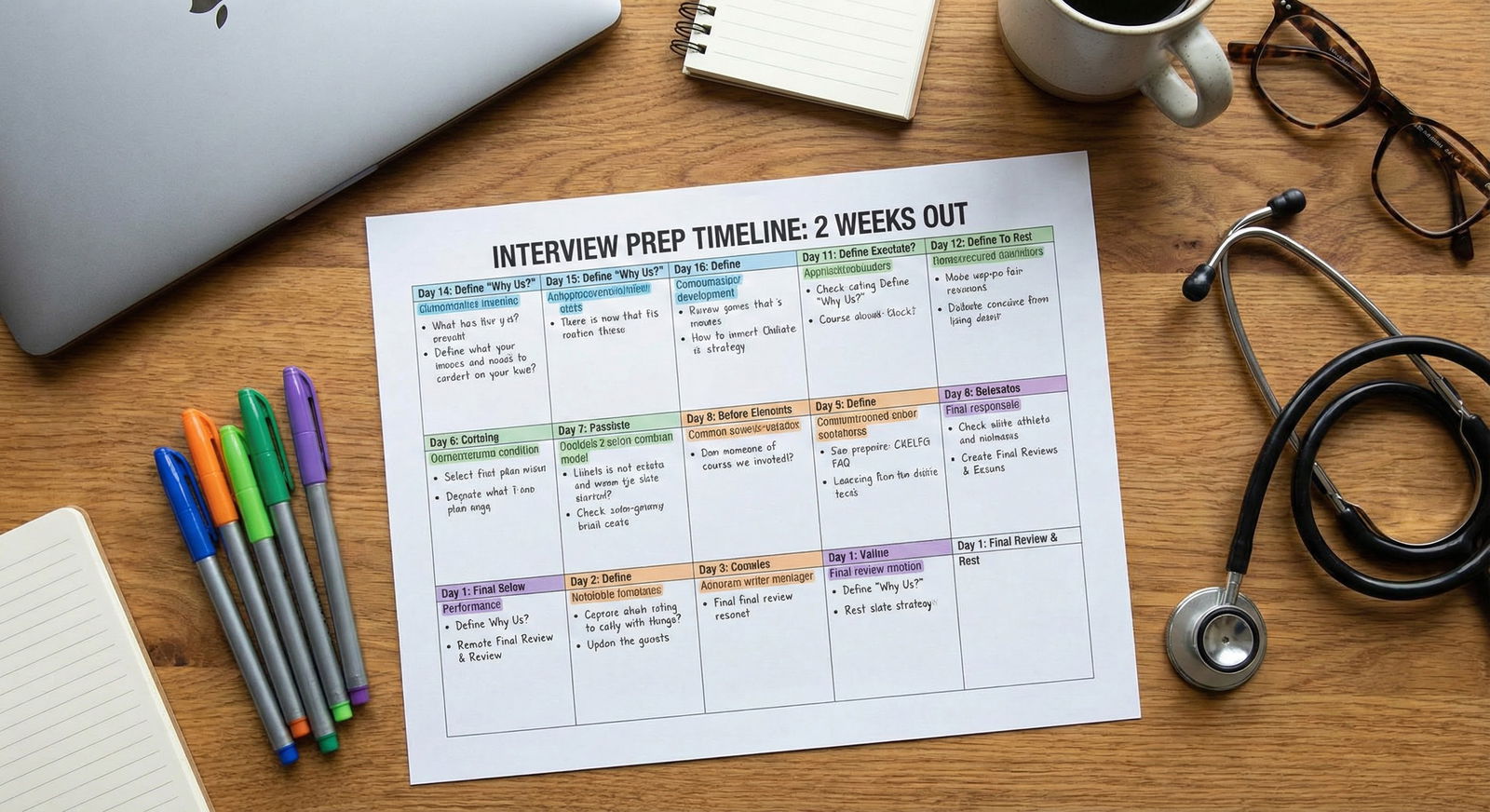
By 24 to 48 hours, write down the timeline for yourself. Do not trust memory alone, especially if the event was stressful. At this point you should note:
- The trigger
- The exact decision point
- The immediate action
- The communication step
- The result
- The prevention habit you adopted
This is where the interview answer gets accurate instead of fuzzy. Fuzzy stories feel evasive even when they aren't.
And then comes the part many applicants skip: behavioral learning. Not vague learning. Real learning.
Good lessons sound like this:
- "I now confirm every shift the night before and again the morning of."
- "I moved from one reminder to two reminders, including a 24-hour alarm."
- "I stopped relying on memory for rotating deadlines and built a visible checklist."
- "If I sense a deadline risk, I escalate earlier instead of hoping I can recover silently."
- "I now confirm handoffs directly with the responsible person rather than assuming a shared document is current."
That's what interviewers want. Process change. Not "I learned to be more careful." That phrase is empty. Everyone says it. Nobody is impressed.
Build the Interview Answer: Use a Four-Part Timeline
Now turn the event into a 30- to 60-second response. At this point you should use a four-part timeline.
Part 1: Set the scene
One sentence. Give the role and expectation.
Examples:
- "During my internal medicine sub-internship, I was expected to arrive before pre-rounds at 6 a.m."
- "As treasurer for our student organization, I was responsible for submitting funding paperwork by Friday at noon."
Part 2: State the miss
Use neutral language. Necessary context only.
Examples:
- "I entered the wrong date into my calendar and missed the deadline by several hours."
- "I misread an updated weekend schedule and did not arrive for the beginning of my assigned shift."
Keep this tight. The goal is clarity, not self-protection.
Part 3: Describe corrective action and immediate outcome
This is the heart of the answer.
Say exactly what you did:
- "As soon as I realized it, I called the senior resident, updated them on my ETA, and focused on the highest-priority tasks when I arrived."
- "I submitted the form immediately, contacted the coordinator directly, and confirmed that the delay did not affect the event timeline."
- "I reached out to the chief, helped arrange interim coverage, and came in as quickly as possible to take over responsibilities."
This section proves professionalism. Action. Communication. Damage control.
Part 4: Show prevention
End with the system you changed.
Examples:
- "After that, I started confirming all shifts the night before and using two calendar alerts instead of one."
- "I built a deadline tracker with early reminders and now review it at the start and end of each day."
- "I changed my process so I escalate any scheduling uncertainty earlier rather than assuming I can sort it out late."
A full example:
"During my pediatrics rotation, I was expected to arrive early for a Saturday clinic shift. I misread the shared schedule and realized shortly after the shift started that I was assigned that morning. I immediately called the supervising resident, apologized, confirmed that coverage was in place, and got to clinic as fast as I safely could. Afterward, I changed my process by confirming all rotating schedules the evening before and setting a separate reminder for weekend assignments. I haven't repeated that mistake."
That answer works. It's honest. It's short. It doesn't beg for sympathy. It shows repair and growth. Done.
Delivery on Interview Day: Keep It Brief, Accountable, and Forward-Looking
On interview day, shorter is better.
At this point you should aim for 30 to 60 seconds unless they ask for more. Most candidates talk too long because they're uncomfortable. That's a mistake. Long answers sound like self-justification.
Use accountable verbs:
- "I missed"
- "I realized"
- "I contacted"
- "I corrected"
- "I changed my process"
Those verbs do heavy lifting. They make you sound direct and credible.
Avoid these traps:
- Blaming others Even if someone else contributed, don't center them.
- Telling a sprawling story Nobody needs the backstory of the group chat, the weather, and your cousin visiting town.
- Sounding defensive Defensiveness reads as fragility.
- Ending without a lesson If there's no prevention habit, the story feels unfinished.
I've heard candidates give technically honest answers that still land badly because they sound annoyed that the event is being discussed at all. Wrong tone. The interviewer is not asking whether you deserved grace. They're asking whether you know how to recover.
Close Strong: End With a Reminder of Reliability
Your closing line should remind them who you are now, not just what happened then.
Good final lines:
- "That experience made me much more disciplined about confirming schedules and escalating early."
- "I'm more systematic now: I plan earlier, confirm later, and don't wait to communicate if something looks off."
- "It was a useful correction, and since then I've built habits that make me more reliable."
That's the point. A mistake is not the whole story. Your response is the story. Your repair is the story. Your prevention system is the story.
Interviewers know people miss things. What they do not forgive easily is vagueness, blame, or repeated chaos dressed up as bad luck.
So if you've missed a deadline or a shift, don't try to sound perfect. Sound organized. Sound accountable. Sound like someone who learned fast and changed the process. At this point you should be able to tell that story in under a minute, in order, without flinching.
That's how you turn a weak moment into evidence of maturity.