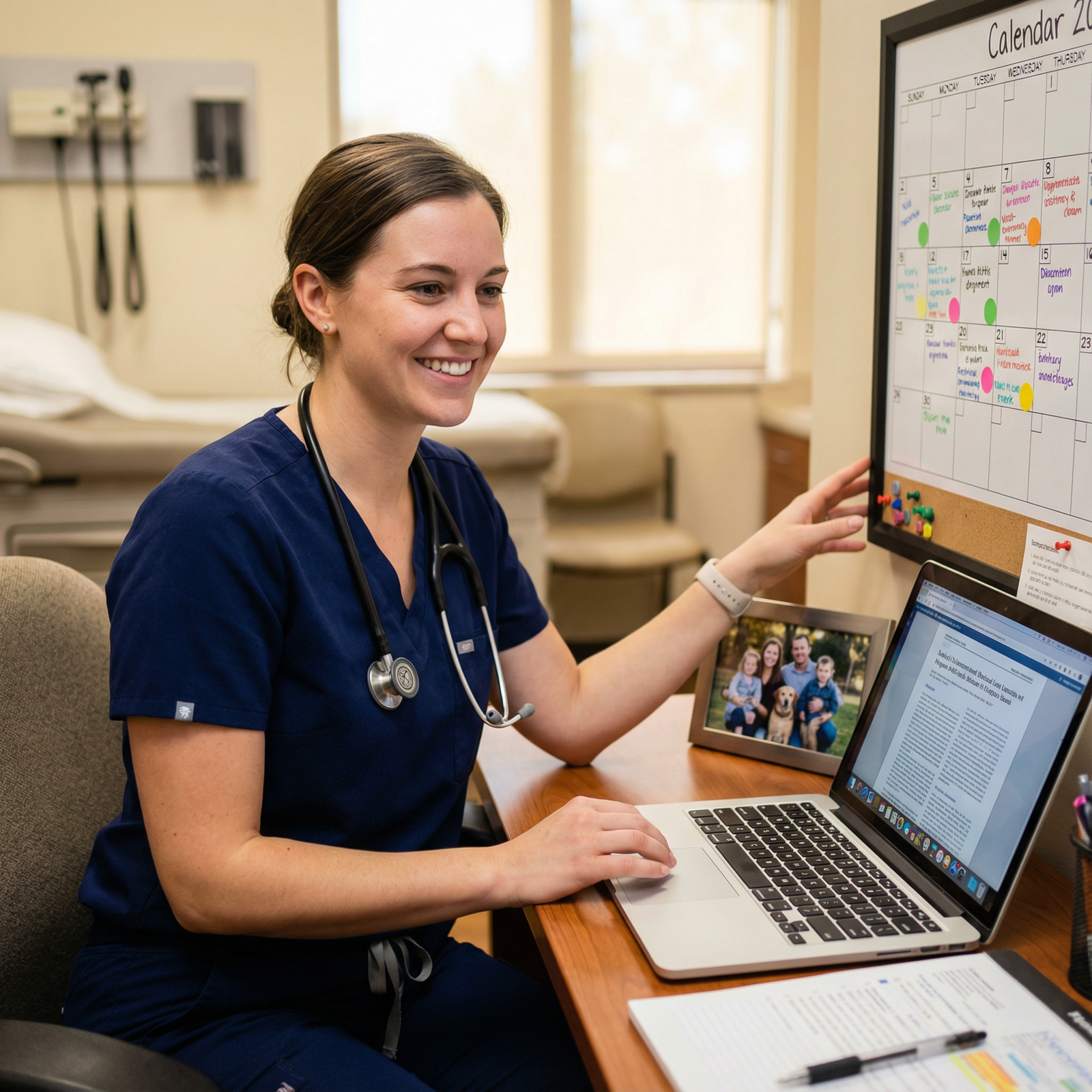
Introduction: Rethinking Work-Life Balance in Family Medicine
Transitioning from medical school to residency is one of the most demanding shifts in a physician’s training. Suddenly, the theoretical becomes practical, the schedule intensifies, and the stakes feel higher than ever. For many trainees, the question becomes: Is it possible to build a career in medicine without sacrificing your personal life and well-being?
Family Medicine, with its emphasis on continuity of care, outpatient focus, and broad scope of practice, is uniquely positioned to support better Work-Life Balance than many other specialties. But that balance does not happen automatically—it requires intentional choices, Self-Care Strategies, and clear boundaries.
Drawing on the perspective of a family medicine resident, this article explores how to create realistic, sustainable Work-Life Harmony during training. You’ll find specialty-specific insights into the Family Medicine Residency Experience, common pitfalls that lead to burnout, and practical strategies for Burnout Prevention and long-term wellness.
Understanding the Family Medicine Residency Experience
The Role and Scope of Family Medicine
Family Medicine is the backbone of primary care. Family physicians are trained to care for patients of all ages, from newborns to older adults, across a wide range of conditions. This includes:
- Preventive care and health maintenance
- Chronic disease management (e.g., diabetes, hypertension)
- Acute care for common illnesses and injuries
- Women’s health, prenatal care, and sometimes obstetrics
- Behavioral and mental health care
- Geriatric care and palliative care
- Coordination of care with specialists and community resources
This broad training equips family physicians to address not just disease, but overall wellness and the social determinants of health. That holistic philosophy naturally aligns with a broader view of wellness—including the physician’s own well-being.
The Structure of Family Medicine Residency
While details vary by program, most Family Medicine residencies share several core components:
- Outpatient Continuity Clinic: The “home base” of family medicine training, where residents follow their own panel of patients over time.
- Inpatient Rotations: Family medicine inpatient services, internal medicine wards, pediatrics, obstetrics, and ICU rotations.
- Emergency Medicine: Shifts in the emergency department to build acute care skills.
- Subspecialty Rotations: Time spent in orthopedics, dermatology, behavioral health, geriatrics, sports medicine, and more.
- Community Engagement: Experiences in community health centers, free clinics, or outreach programs.
This breadth of training is a strength, but it can also be overwhelming. Residents are constantly changing environments, expectations, and schedules. Without clear strategies for work-life balance, it’s easy to feel like residency is taking over everything.
Core Challenges to Work-Life Harmony in Family Medicine Residency

1. Long and Unpredictable Hours
Even in a relatively “lifestyle-friendly” specialty, residency hours can be demanding. Typical challenges include:
- Early pre-rounds on inpatient rotations
- Long clinic days with double-booked schedules
- Night float, weekend call, or 24-hour shifts on inpatient and obstetrics
- Documentation and inbox work that spills into evenings
These time pressures can lead to:
- Chronic fatigue and sleep deprivation
- Reduced time for exercise, hobbies, and rest
- Distancing from family and friends
- Increased risk of medical errors and emotional exhaustion
Practical Time Management Strategies
To navigate long hours more effectively:
Plan your week, not just your day.
- Use a weekly template that includes fixed commitments (clinics, call), plus protected time for sleep, meals, and study.
- Pre-plan 1–2 small but meaningful personal activities (e.g., gym twice a week, movie night, Sunday brunch).
Batch tasks when possible.
- Complete notes in focused blocks: for example, “no leaving the clinic without finishing at least 80–90% of notes.”
- Batch messages, prescription refills, and patient portal responses at set times rather than checking constantly.
Create micro-breaks.
- Use 3–5 minute breaks between patients for stretching, breathing exercises, or a quick snack and water.
- Accept that you may not get long breaks on some days—short, intentional pauses still matter.
2. Emotional Exhaustion and Burnout Risk
Family Medicine residents often care for patients facing complex, emotionally charged situations: chronic illness, life-limiting diagnoses, addiction, trauma, mental health crises, and family conflict. Over time, repeated exposure to suffering, plus limited time and resources, can feel overwhelming.
Common signs of emotional exhaustion and burnout include:
- Feeling numb or detached from patients
- Irritability with colleagues or loved ones
- Difficulty concentrating or making decisions
- Loss of enthusiasm for learning or patient care
- Persistent fatigue despite sleep
Evidence-Informed Coping and Burnout Prevention
Normalize help-seeking.
- Use your institution’s counseling or mental health services proactively—not just in crisis.
- Seek informal debriefing with trusted co-residents or attendings after challenging cases or bad outcomes.
Practice simple mindfulness techniques.
- 1–2 minutes of focused breathing before starting clinic or rounds can reset your nervous system.
- Apps like Headspace, Calm, or Insight Timer offer short meditations tailored to busy schedules.
Use reflective practices.
- Consider a brief weekly journaling routine: one meaningful patient encounter, one challenge, and one thing you’re grateful for.
- Participate in Balint groups or resident reflection sessions if your program offers them.
3. Strain on Personal Relationships
Residency often coincides with major personal milestones: long-term partnerships, marriage, having children, or caring for aging parents. The demands of training can strain these relationships:
- Missed holidays, birthdays, or important events
- Last-minute schedule changes due to call or coverage needs
- Limited emotional energy at the end of the day
Strategies to Preserve and Strengthen Relationships
Be transparent and proactive.
- Share your monthly call schedule as soon as you receive it.
- Explain what a “post-call day” really feels like, so loved ones understand your need for rest.
Prioritize consistent small connections.
- If you can’t do long phone calls, send daily short texts or voice notes.
- Schedule weekly or biweekly “non-negotiable” time (e.g., Saturday morning coffee, Sunday dinner) whenever your schedule allows.
Set realistic expectations.
- Talk honestly with partners, friends, and family about what you can and cannot commit to during residency.
- Accept that some seasons (e.g., ICU or OB rotations) will be more demanding, and plan lighter expectations at home during those months.
Why Family Medicine Can Support Better Work-Life Balance
Despite the real challenges, there are structural and cultural aspects of Family Medicine that often make long-term Work-Life Harmony more attainable than in many other specialties.
More Predictable Schedules After Training
Many attending roles in Family Medicine offer:
- Primarily daytime, outpatient work with limited nights and weekends
- Options for part-time, four-day weeks, or job-sharing, especially in large groups or academic settings
- Opportunities to reduce or eliminate inpatient or obstetrics responsibilities, if desired
- Increasing ability to work in integrated care teams, where collaboration diffuses some workload
Even during residency, programs with an outpatient-centric focus may have:
- Fewer overnight calls compared to surgical or some internal medicine programs
- More stable clinic blocks where hours are relatively predictable
- Established wellness initiatives designed to support residents’ balance and resilience
Diversity in Practice: Crafting a Career That Fits Your Life
The broad scope of Family Medicine training opens many doors that can match your professional interests and personal priorities:
- Clinic-based primary care (with or without inpatient follow-up)
- Hospitalist work with a family medicine focus
- Sports medicine, geriatrics, women’s health, or addiction medicine fellowships
- Rural practice with a broad scope and strong community ties
- Academic medicine with protected teaching and research time
- Public health, policy, or leadership roles where you can influence systems of care
This flexibility means that as your life evolves—family responsibilities, partner’s job, personal health—you can adapt your work model accordingly.
Actionable Tip: Use Residency to Explore
- Choose electives that genuinely interest you (e.g., addiction medicine, community health, behavioral health, procedures).
- Ask attendings about their schedules and career choices: Who seems to have a lifestyle you’d like 5–10 years from now?
- Reflect annually on how your interests, values, and personal needs may be shifting.
Meaningful, Long-Term Patient Relationships
A key source of satisfaction in Family Medicine is the opportunity to:
- See the same patients and families over years, even generations
- Track progress over time—hypertension controlled, diabetes improved, depression stabilized
- Support patients through major life events—pregnancy, new diagnoses, bereavement
These relationships can buffer stress and reinforce your sense of purpose. When residents see the direct, cumulative impact of their care, it can counteract the fatigue and frustration that contribute to burnout.
Example Scenario
A resident follows a patient with uncontrolled diabetes from A1c 11% to 7% over two years through medication adjustments, nutrition counseling, and consistent follow-up. Witnessing that change—and the patient’s improved quality of life—often provides a powerful reminder of why you do this work.
Practical Self-Care Strategies for Family Medicine Residents
Building a Sustainable Self-Care Routine
Effective Self-Care Strategies in residency are less about elaborate wellness plans and more about consistent, realistic habits that you can maintain even on tough rotations.
Foundational Pillars of Self-Care
Sleep
- Aim for a consistent sleep window whenever possible (even if shorter than ideal).
- On night float, anchor your schedule: same sleep and wake times daily, use blackout curtains and white noise.
- Protect your post-call time—avoid stacking major errands or social events if you are truly exhausted.
Nutrition
- Prep simple, portable meals and snacks (nuts, yogurt, fruit, pre-made salads, wraps).
- Keep a water bottle with you; dehydration worsens fatigue and headaches.
- Anticipate long days and bring snacks to avoid relying solely on vending machines.
Movement
- Micro-exercise counts: 10–15 minutes of walking, bodyweight exercises, or stretching between tasks.
- Use stairs when possible and consider walking meetings or phone calls.
- Schedule 2–3 short workouts per week and treat them like appointments.
Mental and Emotional Health
- Integrate brief relaxation: deep breathing, short mindfulness exercises, or listening to calming music during your commute.
- Maintain at least one non-medical interest or hobby, even if it’s just 15 minutes a few times a week.
Developing a Supportive Network and Mentorship
Your Residency Experience will be shaped not only by rotations, but by the people around you.
Types of Support Networks
- Peer support: Co-residents who truly understand your day-to-day challenges.
- Near-peer mentors: Senior residents or recent graduates who can offer practical advice.
- Faculty mentors: Attendings who take an interest in your growth and well-being.
- Personal network: Family, friends, partners, or faith communities outside medicine.
How to Build and Use This Network
- Attend residency social events, wellness sessions, and interest groups.
- Ask to be paired with a faculty mentor—or actively seek one whose career path you admire.
- Be open about your struggles in appropriate settings; you’ll often find others feel the same and can share coping strategies.
Setting and Enforcing Healthy Boundaries
Boundaries are essential for sustainable Work-Life Balance, especially in a service-oriented specialty like Family Medicine.
Professional Boundaries
- Clarify how and when you can be reached outside of clinic hours (through appropriate channels only).
- Learn to say “no” or “not right now” to non-urgent tasks that threaten essential rest or learning time.
- Practice delegating appropriately to nurses, medical assistants, and other team members.
Personal Boundaries
- Decide on tech boundaries: for example, no charting in bed, or no work emails during a protected evening once a week.
- Communicate proactively with loved ones about when you’re truly off and when you’ll need uninterrupted rest or study time.
- Allow yourself to be “off-duty” emotionally sometimes—residency is intense, and you’re allowed to recharge.
Choosing a Family Medicine Program with Wellness in Mind
When evaluating Family Medicine programs, think beyond prestige and fellowship match lists. If Work-Life Balance and Burnout Prevention are priorities for you (and they should be), intentionally look for:
Wellness infrastructure:
- Formal wellness curriculum, resident retreats, or protected wellness time
- Access to confidential mental health services
- Clear back-up systems for illness, emergencies, or family leave
Schedule transparency and culture:
- Honest data on average weekly hours and call frequency
- Rotation schedules that distribute heavy months rather than clustering them
- Leadership that models and supports healthy boundaries
Resident satisfaction and retention:
- Ask current residents: Would you choose this program again?
- Listen for signs that residents feel supported and heard when they raise concerns.
Flexibility and career support:
- Opportunities to tailor your experiences (electives, special tracks, research, global health)
- Mentorship for different career paths (academic, rural, outpatient-only, hospitalist, etc.)

Frequently Asked Questions About Work-Life Balance in Family Medicine Residency
1. What is a typical work schedule like for a Family Medicine resident?
Most Family Medicine residents work around 60–70 hours per week, though this can vary by program and rotation. In general:
- Outpatient-heavy blocks may resemble more predictable business hours (e.g., 8 a.m.–5 p.m.), with some evening clinics or call.
- Inpatient, ICU, or OB rotations can include nights, weekends, and longer shifts.
- Duty hour regulations (such as the 80-hour workweek and rules about days off) are meant to protect resident well-being, but how they’re implemented can vary.
When interviewing, ask specific questions about average hours, call schedules, and how duty hours are monitored and enforced.
2. How can I prevent burnout during my Family Medicine Residency?
Burnout Prevention is multifactorial. Evidence-informed approaches include:
- Maintaining core self-care (sleep, nutrition, exercise) as non-negotiables.
- Building supportive relationships with co-residents and mentors.
- Using mental health resources early if you notice signs of distress.
- Reflecting on meaningful patient encounters to reconnect with your sense of purpose.
- Advocating for reasonable workloads and participating in wellness or quality-improvement efforts that enhance the training environment.
Remember: burnout is often more about system factors than personal weakness. Seeking help is a sign of insight, not failure.
3. Is Family Medicine associated with good long-term job satisfaction?
Yes. Many surveys show that Family Medicine physicians report high levels of meaning and satisfaction in their work, largely due to:
- Long-term relationships with patients and families
- Ability to manage a wide range of conditions and make a tangible difference in daily health
- Flexibility to shape their practice (scope of practice, hours, location, and setting)
However, administrative burden (e.g., documentation, prior authorizations) and productivity pressures are real challenges. Working in supportive, team-based environments and using efficient practice models (scribes, optimized EMR workflows, team-based care) can significantly improve satisfaction.
4. What skills are most important for achieving Work-Life Harmony in residency?
Several core skills support sustainable balance:
- Time management: Prioritizing tasks, limiting procrastination, and finishing documentation efficiently.
- Communication: Setting clear expectations with patients, colleagues, and loved ones about your availability and limits.
- Boundary-setting: Knowing when to say no and how to protect rest and recovery time.
- Emotional regulation: Using coping strategies (mindfulness, reflection, therapy, peer support) to manage stress.
- Adaptability: Recognizing that different rotations will require different strategies and self-care patterns.
These are learnable skills that you can actively practice and refine throughout residency.
5. How can I identify a Family Medicine residency program that truly supports resident wellness?
When researching or interviewing:
- Talk to multiple residents at different training levels. Ask: “What does the program do well to support your well-being? What could be better?”
- Ask for specifics:
- Are there protected wellness half-days or annual retreats?
- How does the program handle sick days or family emergencies?
- Are there backup systems for coverage?
- Look at the culture:
- Do faculty model healthy boundaries and respect days off?
- Are there mechanisms for resident feedback and real change?
- Review outcomes:
- Resident retention rates, board pass rates, and where graduates go (and how they speak about the program).
By understanding both the challenges and the unique advantages of Family Medicine, you can approach residency with realistic expectations and a proactive plan for your own health. With intentional Self-Care Strategies, supportive relationships, and a program that values wellness, it is entirely possible to build a rewarding, sustainable career in Family Medicine that supports—not sacrifices—your life outside of medicine.