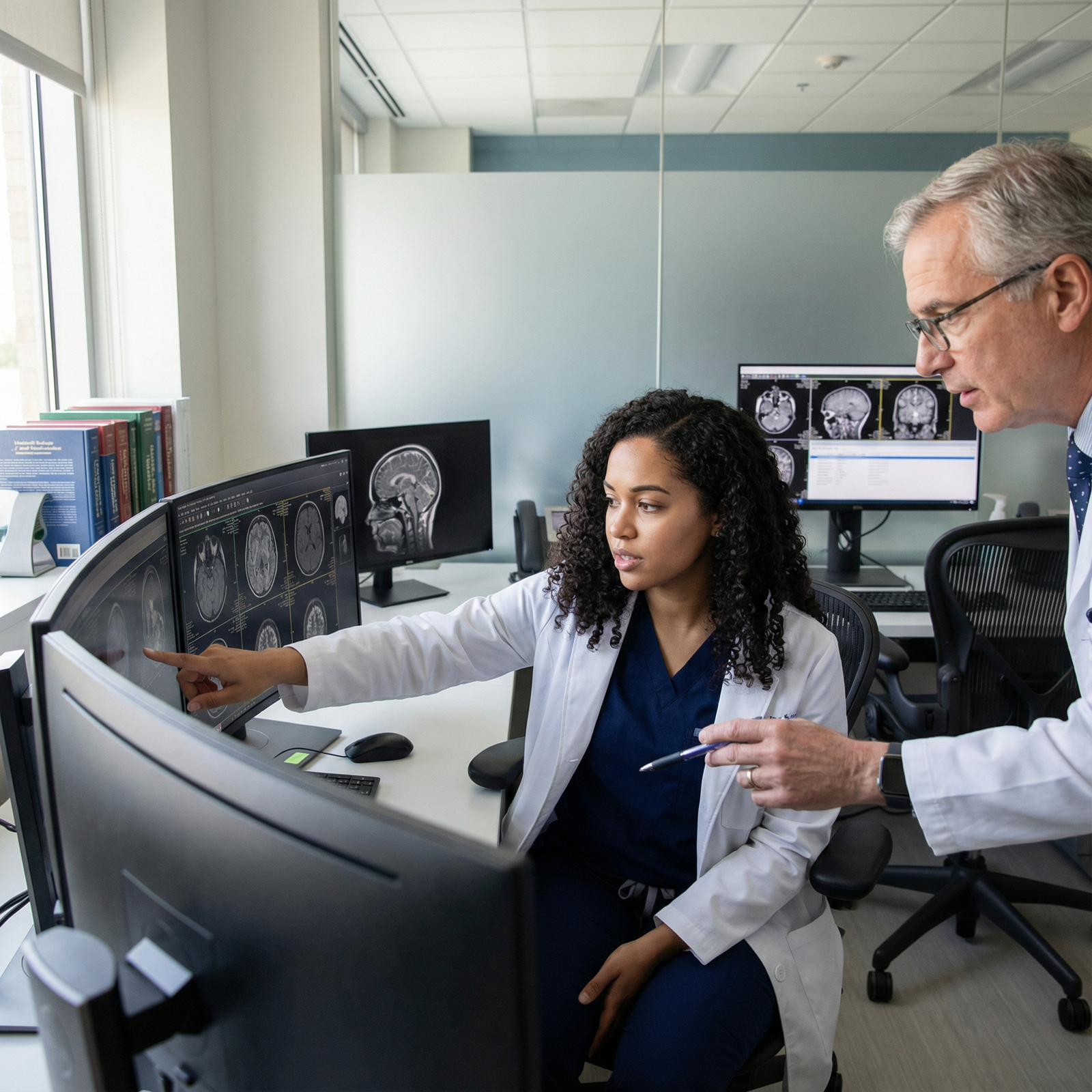
Introduction: Weighing a Future in Neurology and the Neurosciences
Choosing a medical specialty is one of the most consequential decisions in your medical education and early career. For students captivated by the brain, behavior, and the complex interface between biology and human experience, Neurology and the broader Neurosciences can be especially compelling. Yet many applicants struggle with a key question: Is a Neurology residency really right for me?
Neurology sits at the intersection of cutting-edge science, detailed clinical reasoning, and deeply personal patient care. The field is evolving rapidly with advances in neuroimmunology, neurogenetics, neuroimaging, and neurocritical care, making it an exciting time to join. But neurology also involves chronic disease management, diagnostic uncertainty, and emotionally challenging conversations with patients and families.
This guide is designed to help you thoughtfully evaluate your fit for a Neurology residency. We will:
- Clarify what Neurology as a specialty actually entails
- Describe the day-to-day realities of residency training
- Help you assess your personal and professional fit
- Outline concrete steps to strengthen your application
- Address common questions about lifestyle, competitiveness, and career paths
By the end, you should have a clearer sense of whether a Neurology residency aligns with your interests, values, and long-term goals in patient care and medical education.
Understanding Neurology as a Specialty
What Is Neurology?
Neurology is the branch of medicine focused on disorders of the nervous system—encompassing the brain, spinal cord, peripheral nerves, neuromuscular junction, and muscles. Neurologists diagnose, manage, and often follow patients longitudinally for conditions that can be acute, chronic, progressive, or episodic.
Common conditions neurologists manage include:
Stroke and cerebrovascular disease
Ischemic and hemorrhagic strokes, transient ischemic attacks, cerebral venous thrombosis, and vascular malformations.Epilepsy and seizure disorders
New-onset seizures, refractory epilepsy, genetic epilepsies, and evaluation for surgical or device-based therapies.Demyelinating and autoimmune diseases
Multiple sclerosis (MS), neuromyelitis optica spectrum disorder (NMOSD), autoimmune encephalitis, and other neuroimmunologic conditions.Neurodegenerative diseases
Parkinson’s disease, atypical parkinsonian syndromes, Alzheimer’s disease, frontotemporal dementia, ALS, and other dementias.Headache and pain disorders
Migraine, cluster headache, tension-type headache, trigeminal neuralgia, and neuropathic pain conditions.Neuromuscular and peripheral nerve disorders
Myasthenia gravis, muscular dystrophies, neuropathies (e.g., diabetic, CIDP), and motor neuron diseases.Neuro-oncology
Primary brain tumors, metastatic disease, and neurologic complications of systemic cancer or its treatment.
Behind these diagnoses lies a deep commitment to clinical neurosciences: neuroanatomy, neurophysiology, neuropharmacology, and neuroimaging. Neurology requires integrating complex data from the history, neurologic examination, and diagnostic tests into a coherent localization and differential.
Subspecialty Pathways in Neurology
Modern Neurology is highly subspecialized. After a Neurology residency, you can pursue fellowships in areas such as:
- Vascular Neurology (Stroke)
- Epilepsy / Clinical Neurophysiology
- Movement Disorders
- Neurocritical Care
- Behavioral Neurology & Neuropsychiatry
- Neuromuscular Medicine
- Headache Medicine
- Neuroimmunology / MS
- Neuro-oncology
- Interventional Neurology (in some systems)
- Autonomic Disorders
- Pediatric Neurology (via child neurology pathway)
These options allow you to tailor your career toward inpatient or outpatient practice, academic research, procedural work, or a mix of all three.
A Day in the Life of a Neurology Resident
While schedules vary by program and year of training, a typical day for a Neurology resident might involve:
Morning sign-out and rounds
Reviewing overnight events, examining patients with your team, localizing lesions, and adjusting diagnostic and treatment plans.Inpatient responsibilities
Managing stroke alerts and code strokes, evaluating new consults from other services (e.g., internal medicine, ICU, oncology), and caring for patients on the neurology ward or neuro-ICU.Outpatient clinics
Seeing follow-up patients for chronic conditions (MS, epilepsy, Parkinson’s, dementia), participating in subspecialty clinics, and learning longitudinal management.Procedures and technical skills
Performing lumbar punctures, interpreting basic EEGs, reading CT/MRI scans with neuroradiology colleagues, nerve conduction studies (NCS) and EMG (depending on program and year).Education and conferences
Attending didactics, case conferences, journal clubs, grand rounds, and multidisciplinary tumor boards to build your foundation in the neurosciences and patient care.Research and scholarly work
Depending on your interests and program structure, you may have protected time for clinical research, quality improvement projects, or work in basic/translational neurosciences.
The work can be intense and emotionally demanding, especially in rotations such as stroke, neurocritical care, and emergency neurology. Yet many residents find significant intellectual satisfaction and fulfillment in diagnosing complex problems and supporting patients and families through life-changing illnesses.
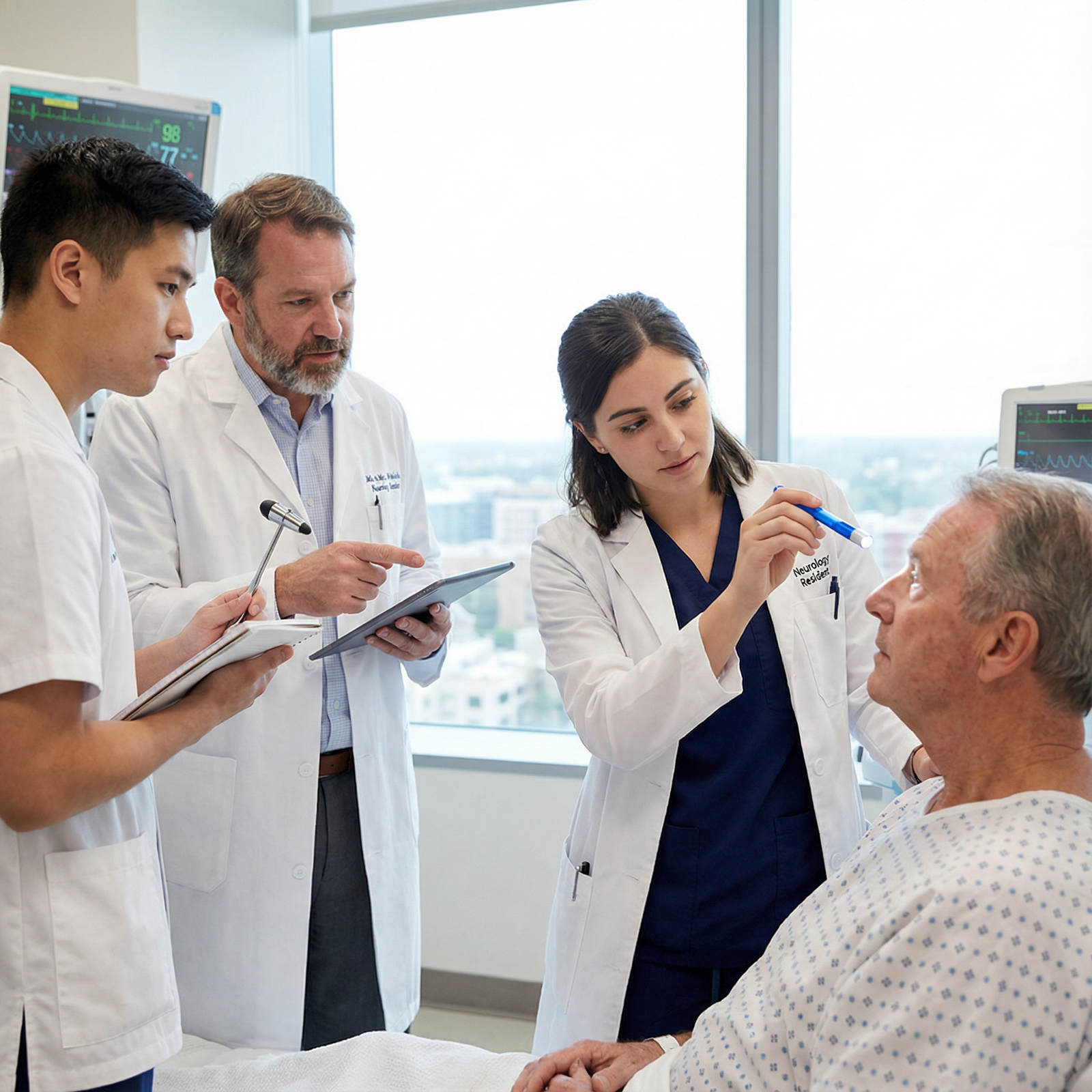
Evaluating Your Fit for a Neurology Residency
Determining if Neurology is the right medical residency for you requires self-reflection across several domains: intellectual interests, personality, communication style, tolerance for uncertainty, and lifestyle priorities.
1. Genuine Interest in the Neurosciences
Neurology is most rewarding if you are authentically fascinated by the nervous system and its disorders. Consider:
Do you enjoy neuroanatomy and localization problems?
For instance, figuring out where a lesion is based solely on exam findings and a detailed history.Are you curious about how brain circuits underlie cognition, movement, sensation, and emotion?
Do lectures on stroke mechanisms, neurotransmitters, or neuroimaging captivate you—or do they feel like a chore?
You do not need to have majored in neuroscience, but you should find yourself drawn repeatedly toward the neurosciences in your reading, clerkships, and conversations. A sustained curiosity is critical, because the field evolves rapidly and demands lifelong learning.
2. Comfort With Chronic and Progressive Illness
Unlike many surgical specialties where you often “fix” a problem, neurology frequently involves conditions that are:
- Chronic (e.g., MS, epilepsy, migraine)
- Progressive (e.g., Parkinson’s, ALS, many dementias)
- Sometimes incurable, despite optimal care
Ask yourself:
- Can you find meaning in improving quality of life, even when you cannot cure the underlying disease?
- Are you comfortable walking alongside patients and families over years, through adaptation, decline, and difficult decisions?
- How do you handle emotional situations such as delivering bad news or discussing prognosis?
If you value longitudinal patient care and find purpose in helping patients optimize function, autonomy, and dignity—Neurology can be deeply fulfilling.
3. Enjoyment of Detailed Clinical Reasoning
Neurology is often described as “internal medicine of the nervous system.” It rewards:
- Careful, hypothesis-driven history-taking
- A systematic neurologic exam and correlation with neuroanatomy
- Integration of laboratory data, imaging, EEG, EMG into a unified diagnosis
Consider whether you:
- Enjoy constructing differential diagnoses and revising them as new data appear
- Like “detective work” in medicine, dealing with diagnostic uncertainty and atypical presentations
- Are comfortable saying, “I don’t know yet, but here is my working hypothesis, and here is how we’ll test it”
If you thrive on quick, tangible procedural success or immediate visual results (e.g., surgery, interventional fields), you may still enjoy neurology, but you should be honest with yourself about whether the cognitive nature of the work will sustain you.
4. Communication, Empathy, and Patient-Centered Care
Neurological conditions can profoundly affect identity, independence, communication, and family dynamics. Successful neurologists tend to:
- Communicate clearly and compassionately about complex topics
- Break down imaging findings and pathophysiology in accessible language
- Engage in shared decision-making when benefits and risks are uncertain
- Support caregivers and families, not just the patient
Reflect on:
- Do you feel energized or drained by long, nuanced conversations with patients and families?
- Are you willing to improve your skills in serious illness communication, including discussions about prognosis, goals of care, and end-of-life issues?
- Can you maintain empathy and professionalism when patients have cognitive or behavioral changes that make interactions challenging?
Strong interpersonal skills—and a commitment to honing them—are essential in Neurology.
5. Academic Preparation and Aptitude
Neurology does not require you to be a basic scientist, but it does demand:
- Solid grounding in internal medicine, as many neurologic issues intersect with systemic illness (e.g., hypertension, diabetes, cancer, infections).
- Comfort with neuroanatomy, neurophysiology, and pharmacology.
- An openness to ongoing learning in rapidly advancing areas like neuroimmunology, neurogenetics, and neuroimaging.
Ask yourself:
- Did you find your neuroanatomy and neurology clerkship intellectually engaging?
- Are you willing to independently review neuroimaging, read the primary literature, and keep up with evolving guidelines?
A strong academic foundation and curiosity will set you up for success throughout residency and your career.
6. Lifestyle Considerations in Neurology
Neurology has historically been viewed as a specialty with relatively favorable lifestyle compared to many procedural and surgical fields, but the reality is nuanced:
Work hours
During residency, 60–80 hours per week is common, especially on inpatient and call-heavy rotations (stroke, neuro-ICU, general consults). Outpatient-focused rotations tend to be more predictable.Call responsibilities
Code stroke coverage, acute neurology consults, and seizure emergencies can create intense periods, particularly in academic centers.Post-residency practice
- Outpatient-focused neurologists (e.g., general clinic, MS, headache) often have more regular hours.
- Inpatient and acute subspecialties (neurocritical care, vascular neurology) may involve shift work, nights, or weekends.
Burnout and resilience
Chronic illness, cognitive decline, and limited disease-modifying options (in some disorders) can be emotionally wearing. Healthy coping strategies and institutional support are important.
When considering lifestyle, think beyond the average hours and consider the emotional intensity of the work and what environment (academic vs. community, inpatient vs. outpatient) you envision for yourself long-term.
Preparing for a Strong Neurology Residency Application
Once you have a preliminary sense that Neurology aligns with your interests and values, the next step is to deliberately shape your experiences to confirm your fit and strengthen your application.
1. Clinical Experiences in Neurology and Neurosciences
Early and meaningful clinical exposure is critical. You can:
Maximize your core neurology rotation
Show up prepared, ask questions, practice localization, volunteer to give short presentations, and seek feedback.Pursue neurology electives or sub-internships
Choose subspecialty clinics (e.g., stroke, epilepsy, movement disorders, neuromuscular, MS) or a neurology sub-I to demonstrate commitment and get to know faculty.Explore related fields in the neurosciences
Consider rotations in neurosurgery, psychiatry, neuroradiology, neurocritical care, or rehabilitation medicine to see how different specialties collaborate around neurologic disease.Shadow practicing neurologists
If available, shadow both academic and community neurologists to understand different practice models and patient populations.
During these experiences, pay attention to what energizes you and what drains you. This will help clarify whether Neurology truly suits you.
2. Research and Scholarly Work in Neurology
Research is not mandatory for every Neurology applicant, but it can significantly enhance your application, especially for more competitive programs or academic careers. Options include:
Clinical research projects
Retrospective chart reviews, clinical trials, quality improvement initiatives in stroke care, epilepsy workups, or headache management.Basic or translational neuroscience research
Labs studying neurodegeneration, synaptic plasticity, neuroimmunology, or neuro-oncology, often at academic centers.Case reports and small series
Writing up interesting cases from your clinical rotations can be a manageable way to start, especially with a supportive mentor.Conferences and presentations
Present at local, regional, or national neurology or neurosciences meetings (e.g., American Academy of Neurology or similar regional societies). Poster or oral presentations demonstrate engagement and communication skills.
Choose projects where you have a genuine interest and a mentor who is invested in teaching you, not only adding your name to a paper. Depth of involvement can matter more than sheer quantity on your CV.
3. Building Strong Relationships and Letters of Recommendation
Letters of recommendation (LORs) are especially influential in Neurology, as programs seek evidence of your clinical acumen, professionalism, and fit for patient-centered care.
To secure strong LORs:
Identify potential mentors early
Attendings from your neurology core rotation, sub-I, or research projects who have observed you closely over time.Be proactive and reliable
Show up prepared, volunteer for tasks, follow through on responsibilities, and demonstrate initiative and curiosity.Ask for an “enthusiastic” or “strong” letter
When the time comes, ask explicitly and give them a chance to decline if they do not feel they can write you a strong letter.Provide supporting materials
Share your CV, personal statement draft, and a brief summary of your work with them and your career goals in Neurology to help them write a detailed and personalized letter.
Ideally, you will have at least one or two letters from neurologists who can attest to your clinical performance and potential in the field.
4. Crafting a Compelling Personal Statement in Neurology
Your personal statement should go beyond “I like the brain.” Use it to:
- Describe specific experiences that solidified your interest in Neurology (e.g., a patient with stroke whose recovery you followed, or a clinic session that changed how you view dementia care).
- Reflect on what you value in patient care—such as longitudinal relationships, interdisciplinary collaboration, or communication of complex information.
- Highlight relevant experiences in neurosciences, research, teaching, or leadership.
- Connect your past experiences with your future goals (e.g., desire to pursue stroke fellowship, interest in academic neurology, or commitment to underserved populations with neurologic disease).
Avoid generic statements and clichés. Concrete stories and honest reflection will stand out.
5. Understanding Competitiveness and Program Fit
Neurology as a whole has historically been moderately competitive, with more favorable match rates than many surgical subspecialties, but this can vary:
- Prestigious academic programs or those in highly desirable locations may be more competitive.
- Programs differ in research intensity, patient population, call structure, and emphasis on subspecialty training.
To find good program fit:
- Look closely at curriculum (breadth of subspecialties, EEG/EMG exposure, neuro-ICU experience).
- Consider geographic preferences and support systems.
- Ask about wellness resources, mentorship structures, and outcomes (fellowship match, board pass rates).
- Speak with current residents candidly about culture and workload.
A realistic self-assessment of your application—USMLE/COMLEX scores, clinical performance, research experience—combined with mentorship from neurology faculty or advisors, can help you craft an effective application strategy.
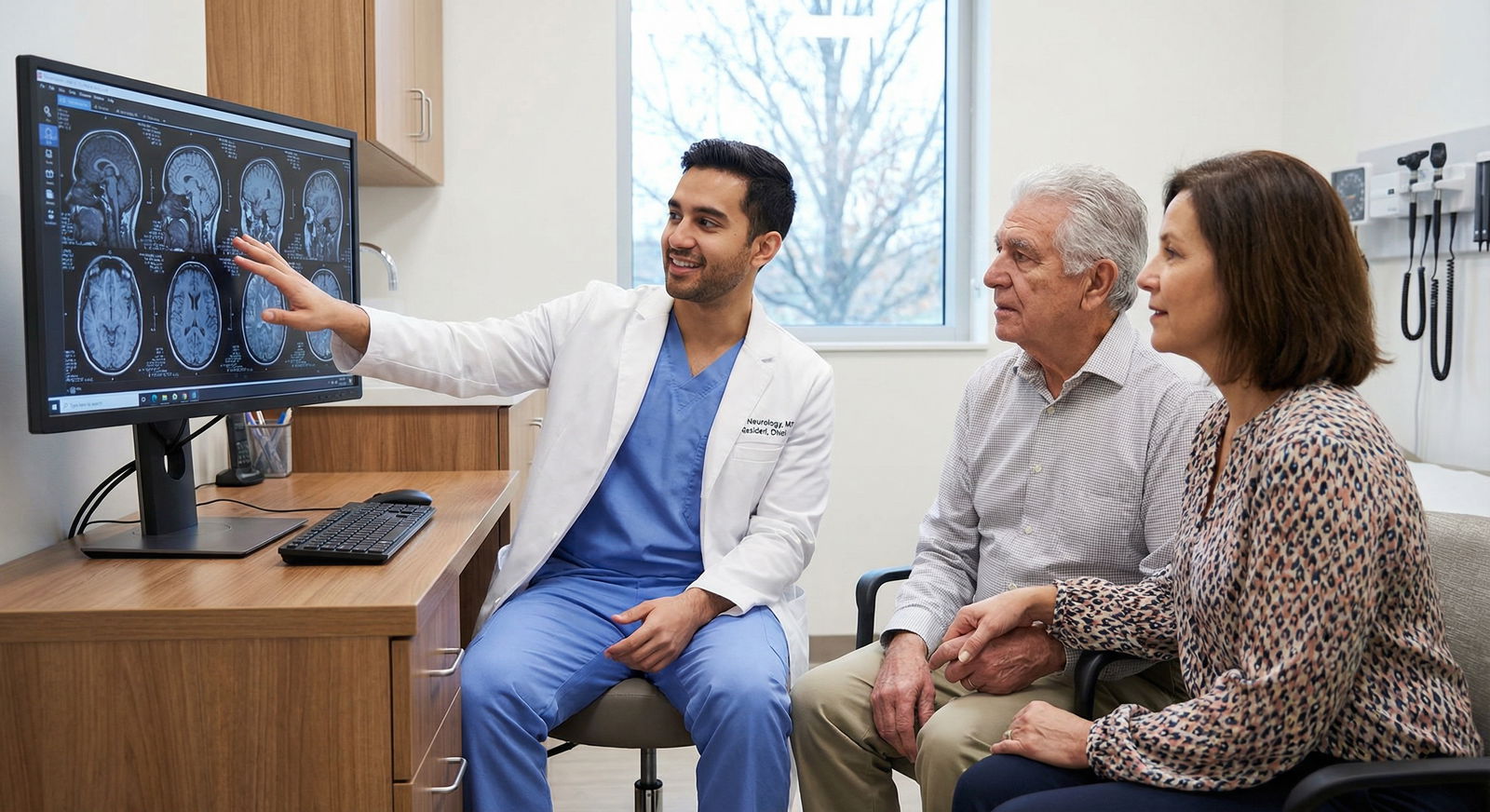
FAQs: Neurology Residency, Patient Care, and Career Planning
1. What does a typical week look like in a Neurology residency?
A typical week in Neurology residency often includes a mix of:
Inpatient responsibilities (ward, neuro-ICU, consults):
Daily rounds, new consults from the ED or other services, managing stroke alerts and acute neurologic emergencies, and coordinating care with multidisciplinary teams.Outpatient clinics:
One or more half-days per week in continuity clinic or subspecialty clinics (e.g., epilepsy, MS, movement disorders, neuromuscular), where you see follow-up patients and new referrals.Educational activities:
Morning report, noon conference, journal club, bedside teaching, grand rounds, and board review sessions focused on neurology and broader neurosciences.Average hours:
Depending on rotation and institution, you can expect roughly 60–80 hours per week during more intense rotations (stroke, neuro-ICU) and somewhat lighter schedules on outpatient blocks.
Schedules vary significantly by program, hospital type, and PGY year, so always ask programs directly about typical rotations and duty hours.
2. How competitive is Neurology as a specialty, and what can I do to stand out?
Neurology is competitive but generally more accessible than many surgical subspecialties. To stand out:
- Demonstrate genuine interest in Neurology and the neurosciences through electives, sub-Is, and shadowing.
- Engage in neurology- or neuroscience-related research or scholarly work, if possible.
- Obtain strong letters of recommendation from neurologists who can describe your clinical skills, professionalism, and potential.
- Show evidence of academic strength (solid grades, board scores, improvement over time) and a commitment to ongoing learning.
- Highlight communication skills and empathy—for example, through volunteer work, teaching, or experiences with chronic illness care.
Programs are looking for residents who are motivated, collegial, thoughtful, and ready to grow—not just those with perfect scores.
3. What skills are most important for a successful career in Neurology?
Key skills and attributes include:
Clinical reasoning and problem-solving
Ability to localize lesions, integrate complex information, and generate thoughtful differentials.Strong communication
Explaining diagnoses and treatment options clearly to patients and families; collaborating with other specialties; teaching learners.Empathy and emotional resilience
Comfort with serious illness conversations, chronic disease, cognitive decline, and associated family distress.Teamwork and leadership
Working effectively within multidisciplinary teams (nursing, therapists, social workers, neuropsychologists, neurosurgeons).Lifelong learning mindset
Staying current with evolving treatments, guidelines, and innovations in neurosciences and patient care.
These skills can be developed and refined during training; what matters most is your willingness to grow.
4. Are there good research and academic opportunities in Neurology?
Yes. Neurology is at the forefront of many scientific advances. Opportunities include:
- Clinical trials for stroke, epilepsy, MS, migraine, neurodegenerative diseases, and rare neurologic disorders.
- Translational research connecting lab discoveries to bedside therapies (e.g., monoclonal antibodies in MS, gene therapies, disease-modifying treatments for neurodegeneration).
- Health services and outcomes research in stroke systems of care, tele-neurology, and access disparities.
- Basic neuroscience studying neuronal circuits, synaptic plasticity, neuroinflammation, or neurogenetics.
Many academic Neurology departments provide structured research tracks, protected time, and mentorship for residents interested in an academic career.
5. How can I be sure Neurology is the right choice before applying?
You may never feel 100% certain, but you can greatly increase your confidence by:
- Spending time on neurology services and reflecting honestly on your experience.
- Talking with current neurology residents and attendings about their day-to-day work, job satisfaction, and challenges.
- Comparing your neurology experiences with other specialties you enjoyed or disliked, and identifying patterns in what you value.
- Considering where you see yourself in 10–15 years: type of patients, setting (clinic vs. hospital), level of procedural involvement, and research/teaching interests.
- Seeking career advising from faculty mentors who know you and can offer perspective on your strengths and fit.
If you consistently find yourself drawn to neurologic patients, concepts, and clinical reasoning, a Neurology residency is likely a strong option.
If you resonate with the complexities of the brain and nervous system, value in-depth patient relationships, and enjoy clinical problem-solving, Neurology offers a rich, evolving, and impactful career path in modern medicine. By thoughtfully exploring your interests, seeking out meaningful clinical and research experiences, and building strong mentorship relationships, you can make an informed decision about whether a Neurology residency is the right next step in your medical education and future in patient care.