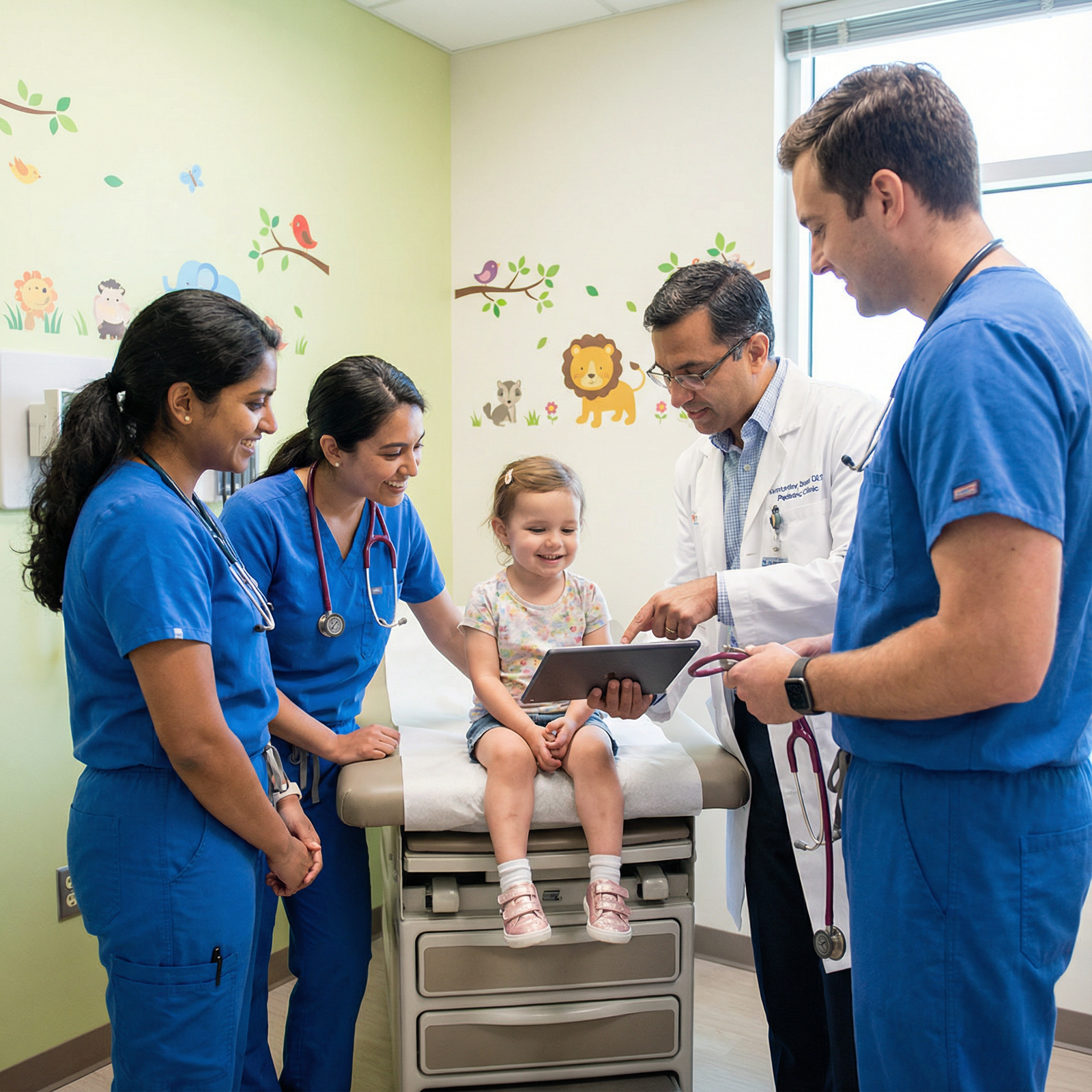
Introduction: Why Choose a Pediatrics Residency?
Selecting a medical specialty is one of the most defining moments in your professional life. If you’re drawn to the unique complexity of child development, energized by working with infants, children, and adolescents, and motivated by healthcare advocacy for vulnerable populations, a Pediatrics Residency may be an excellent fit.
Pediatrics is more than diagnosing ear infections or managing asthma. It is a longitudinal, relationship-based field focused on Child Health—supporting physical, emotional, social, and developmental well-being from birth through young adulthood. Pediatricians care for the child in the context of the family and community, and they often serve as the first line of defense for issues ranging from developmental delays to social determinants of health.
In this guide, we’ll explore:
- What pediatrics really entails as a specialty
- The structure and day-to-day life of a Pediatrics Residency
- Core competencies you’ll gain during training
- Career pathways, including pediatric specialties and non-traditional roles
- The vital role of community engagement and advocacy in pediatric practice
Whether you’re a medical student deciding on your match list or a pre-med exploring future options, this overview will help you determine if pediatrics aligns with your skills, values, and long-term goals.
Understanding Pediatrics: A Holistic, Developmental Specialty
Pediatrics is the branch of medicine dedicated to the health of infants, children, and adolescents—typically from birth to 18 or 21 years old, depending on the system. Pediatric care is inherently holistic: visits often address not just physical illness, but also behavior, development, nutrition, mental health, and family dynamics.
Core Concepts in Pediatric Medicine
1. Child Development as a Clinical Lens
Unlike adult medicine, pediatrics is fundamentally developmental. Every encounter is filtered through questions like:
- Is this finding normal for this age?
- Is the child meeting expected developmental milestones?
- How does illness today impact long-term growth and neurodevelopment?
Pediatricians must know normal and abnormal development in:
- Gross and fine motor skills (e.g., sitting, walking, pincer grasp)
- Language and communication (e.g., early babbling, two-word phrases, school-age literacy)
- Social and emotional development (e.g., attachment, peer relationships, behavior)
- Cognitive development (e.g., problem-solving, attention, learning)
This understanding allows pediatricians to identify early signs of developmental delay, autism, learning disorders, and mental health conditions—and coordinate timely interventions.
2. Preventive Care as a Foundation
Preventive care is at the heart of Child Health:
- Well-child visits focus on screening, anticipatory guidance, and vaccines.
- Immunizations protect not only the child but also the community, making pediatricians central to public health.
- Screenings often include hearing, vision, anemia, lead exposure, depression (in adolescents), and more.
- Anticipatory guidance covers topics like injury prevention, sleep hygiene, nutrition, digital media use, and substance use.
Because pediatricians see children at regular intervals across years, they have a unique opportunity to promote lifelong health habits and prevent chronic disease.
3. Family-Centered and Culturally Sensitive Care
Pediatric patients depend on caregivers for nearly every aspect of their health. As a result:
- Every clinical decision must consider parents’ beliefs, stressors, and resources.
- Communication often involves both age-appropriate explanations to the child and comprehensive counseling for caregivers.
- Cultural sensitivity is essential when addressing topics such as discipline, feeding practices, sleep arrangements, and mental health.
Family-centered care means partnering with caregivers, respecting their perspectives, and empowering them with clear, actionable information.
What to Expect in a Pediatrics Residency
A Pediatrics Residency in the United States is typically a three-year program following medical school. It is structured to develop competence across the full spectrum of child health—from healthy newborns to critically ill adolescents.
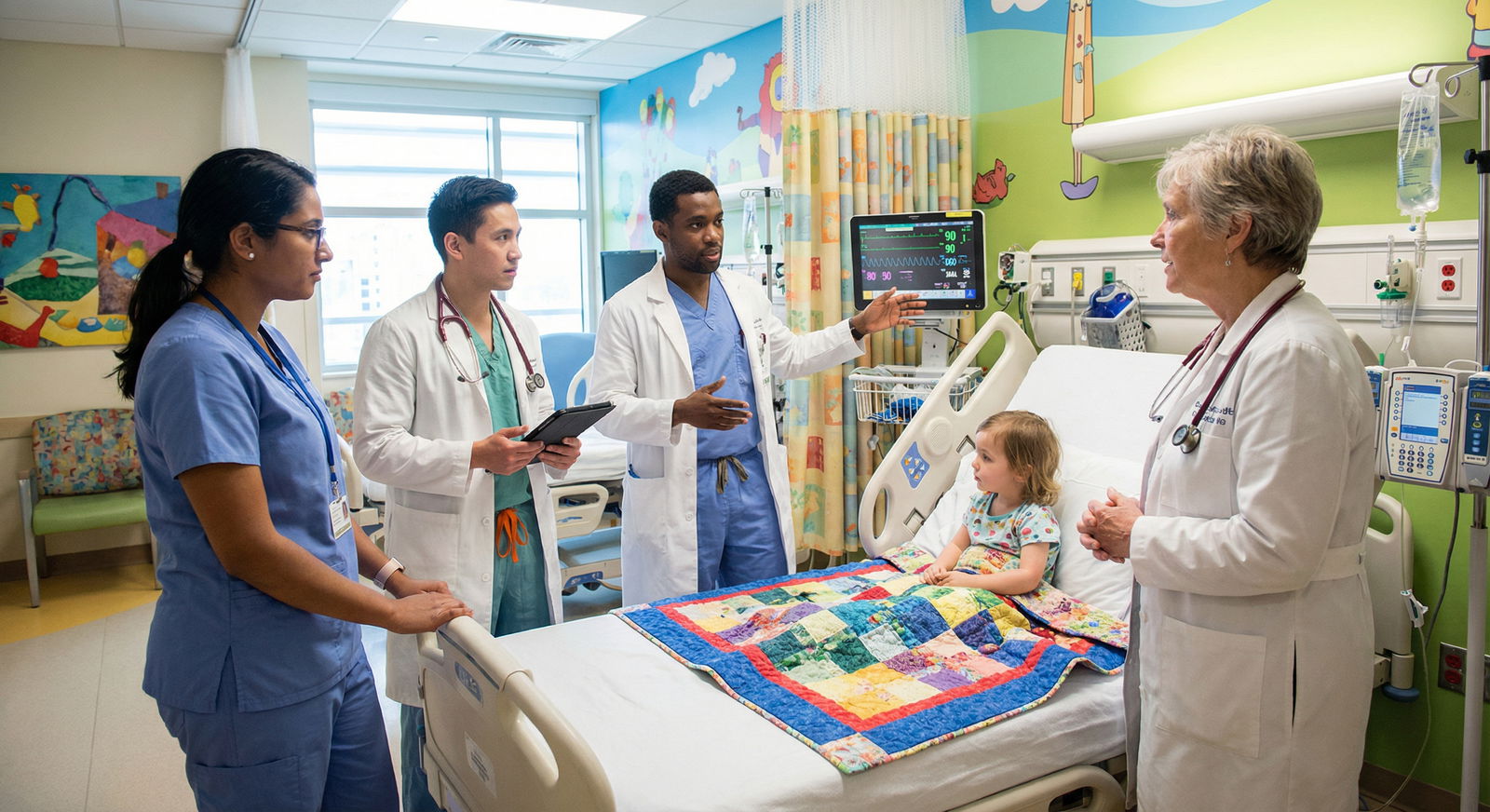
Structure of Training: Rotations and Curriculum
While each program differs, most share core components:
Inpatient Pediatric Wards
You’ll manage hospitalized children with conditions such as:
- Respiratory infections, asthma exacerbations
- Dehydration, gastroenteritis
- Seizures, diabetic ketoacidosis
- Complex chronic conditions with acute decompensation
Responsibilities include writing daily notes, adjusting care plans, coordinating consultants, and communicating with families about progress and discharge.
Newborn Nursery and Neonatal Intensive Care Unit (NICU)
- Newborn nursery: Assess term infants after birth, perform well-baby exams, manage jaundice, feeding difficulties, and parent education on newborn care.
- NICU: Care for premature infants and critically ill newborns requiring ventilators, IV nutrition, or complex procedures. This is often one of the most technically demanding rotations in pediatric training.
Outpatient and Continuity Clinics
Ambulatory pediatrics is where you learn to be a primary care pediatrician:
- Conduct well-child checks and acute visits.
- Manage common issues like otitis media, eczema, ADHD, and anxiety.
- Provide vaccinations and preventive counseling.
- Build longitudinal relationships with patients and families in continuity clinic, often following the same patients for all three years.
Pediatric Emergency Medicine
In pediatric emergency departments or mixed EDs with pediatric sections, you’ll:
- Triage and manage acute presentations—from minor injuries to life-threatening emergencies.
- Learn to rapidly assess sick children, stabilize airways, start IVs/IOs, and coordinate multidisciplinary care.
- Gain confidence in recognizing subtle signs of serious illness in children who may not verbalize symptoms clearly.
Subspecialty Rotations
To broaden exposure to pediatric specialties, residents typically rotate through areas such as:
- Pediatric cardiology
- Pediatric endocrinology
- Pediatric gastroenterology
- Pediatric hematology/oncology
- Pediatric infectious diseases
- Pediatric neurology
- Developmental-behavioral pediatrics
- Adolescent medicine
These rotations help you decide whether to pursue fellowship and deepen understanding of complex chronic conditions.
Daily Life: A Day in the Life of a Pediatrics Resident
Your day will depend heavily on the rotation, but a typical inpatient day might look like:
Morning
- Pre-rounding: Review overnight events, lab results, and imaging. Examine your patients.
- Team rounds: Present each patient to the attending and team, propose assessments and plans, and finalize orders. This is a key teaching time.
Afternoon
- Executing care plans: Place orders, follow up on new results, consult subspecialties, update families.
- Admissions: Evaluate new patients from the ED or clinic; complete H&Ps and initial management plans.
- Educational conferences: Noon conferences, grand rounds, journal clubs, or simulation labs to reinforce medical training.
Evening and Night
- Sign-out: Transfer care to the night team or receive sign-out if you’re on call.
- On-call duties: Cross-cover existing patients, respond to rapid responses or codes, and admit new patients.
Ambulatory days feel very different: blocked clinic schedules, back-to-back patient visits, precepting with faculty, and often more predictable hours.
Challenges and Rewards of Pediatric Training
Emotional and Clinical Challenges
- Emotional strain: Caring for critically ill or abused children can be heart-wrenching.
- Communication complexity: You may need to deliver bad news to families or navigate parental disagreements about care.
- Diagnostic nuance: Children can’t always describe symptoms, and physical exam findings can be subtle.
- Systems barriers: Social determinants (housing instability, food insecurity, limited access to care) frequently impact child health.
Developing resilience, seeking mentorship, and using institutional wellness resources are crucial during residency.
Deeply Meaningful Rewards
- Watching a preterm infant you cared for in the NICU return for a thriving follow-up visit.
- Seeing a child with poorly controlled asthma finally stabilize after careful education and management.
- Partnering with families over years and witnessing children grow into confident adolescents and young adults.
- Knowing your work directly influences the lifelong trajectory of a person’s health and potential.
For many, the relationships and visible long-term impact are what make pediatrics uniquely fulfilling.
Core Competencies Gained in a Pediatrics Residency
Pediatrics residency is more than earning a title—it’s a structured pathway to developing essential skills that translate across clinical, academic, and advocacy roles.
1. Advanced Clinical Skills in Child Health
- Age-appropriate history-taking from infants, school-age children, and adolescents
- Pediatric-specific physical exam techniques (e.g., infant heart murmurs, developmental assessments, neurologic exams)
- Constructing and narrowing differential diagnoses that account for age-related disease prevalence
- Evidence-based management of both acute and chronic pediatric conditions
You’ll also learn procedural skills such as lumbar punctures, IV placement in tiny veins, neonatal resuscitation, and possibly more advanced procedures depending on your program.
2. High-Level Communication and Counseling
Effective communication is central to pediatric care:
- Explaining medical concepts at a child’s developmental level
- Counseling parents about complex topics (e.g., vaccine hesitancy, behavioral challenges, chronic illness)
- Navigating conversations around prognosis, goals of care, and palliative options when appropriate
- Collaborating with multidisciplinary teams including nurses, social workers, child life specialists, and therapists
These skills make pediatricians well-prepared for leadership roles in any healthcare setting.
3. Crisis Management and Acute Care
Pediatrics exposes you to acute, high-stakes situations:
- Recognizing early signs of decompensation in infants and children
- Leading resuscitations in the ED, PICU, or NICU
- Stabilizing trauma or sepsis while coordinating rapid multidisciplinary input
- Making decisions under time pressure while communicating succinctly with teams and families
This training builds confidence and competence in managing crises that can arise suddenly in any setting.
4. Healthcare Advocacy and Systems-Based Practice
Pediatricians routinely engage in healthcare advocacy at both individual and population levels:
- Connecting families with community resources (e.g., WIC, early intervention, mental health support)
- Writing letters for school accommodations or disability services
- Participating in hospital-based quality improvement projects
- Advocacy at regional or national levels on issues like vaccination policies, child safety laws, and access to healthcare
Residency typically includes formal teaching on health policy, social determinants of health, and quality improvement methodology.
5. Scholarship, Research, and Lifelong Learning
Many pediatrics programs encourage or require scholarly activity:
- Participating in clinical research, quality improvement projects, or educational scholarship
- Presenting at local or national pediatric conferences
- Learning to appraise evidence and integrate it into clinical practice
This scholarly foundation supports future careers in academic pediatrics or simply strengthens your ability to practice evidence-based medicine over a long career.
Career Paths After Pediatrics Residency
Completing a pediatrics residency opens a broad array of professional options. You can remain in broad-based general pediatrics or pursue focused pediatric specialties through fellowship.
General Pediatrics: Primary Care and Hospitalist Roles
Outpatient General Pediatrics
- Work in community clinics, private practices, or academic primary care settings.
- Longitudinally manage well-child care, common illnesses, chronic diseases, and behavioral/mental health concerns.
- Ideal if you value continuity, preventive care, and deep relationships with families.
Pediatric Hospitalist Medicine
- Care for hospitalized children with a wide range of conditions.
- Focus on inpatient care, teaching, and quality improvement.
- Often involves shift-based work with blocks of days on/off, which some find conducive to work–life balance.
Fellowship Training and Pediatric Subspecialties
After residency, many pediatricians pursue 2–3 years of fellowship in a subspecialty such as:
- Neonatology: Care for premature and critically ill newborns in the NICU.
- Pediatric Cardiology: Manage congenital and acquired heart disease; perform specialized imaging and procedures.
- Pediatric Hematology/Oncology: Treat childhood cancers and blood disorders; often academically oriented.
- Pediatric Endocrinology: Manage diabetes, growth disorders, thyroid disease, and more.
- Pediatric Emergency Medicine: Provide high-acuity care in pediatric EDs; often with a shift-based schedule.
- Pediatric Infectious Diseases: Focus on complex infections, antimicrobial stewardship, and outbreak management.
- Pediatric Rheumatology, Gastroenterology, Neurology, Pulmonology, Nephrology, and others.
Fellowship leads to advanced expertise, academic roles, and often more procedural or research opportunities, depending on the field.
Non-Traditional and Hybrid Career Paths
A background in pediatrics is also valuable beyond traditional clinical roles:
- Community and Public Health: Work with health departments, NGOs, or school-based health centers on programs targeting vaccination, nutrition, mental health, or injury prevention.
- Health Policy and Administration: Contribute to policy development at institutional, state, or national levels; work with organizations like the AAP or government agencies.
- Global Child Health: Provide pediatric care and build capacity in resource-limited settings, engage in global health education and research.
- Medical Education: Teach and mentor medical students and residents; develop curricula and educational tools.
- Research: Focus on clinical trials, outcomes research, or implementation science related to children’s health.
Pediatrics offers remarkable flexibility—many physicians combine clinical work with education, research, administrative leadership, or advocacy.
The Essential Role of Community and Advocacy in Pediatrics
Pediatrics fundamentally extends beyond clinic and hospital walls. Because children are so influenced by their environments, pediatricians frequently engage with schools, community organizations, and public health agencies.
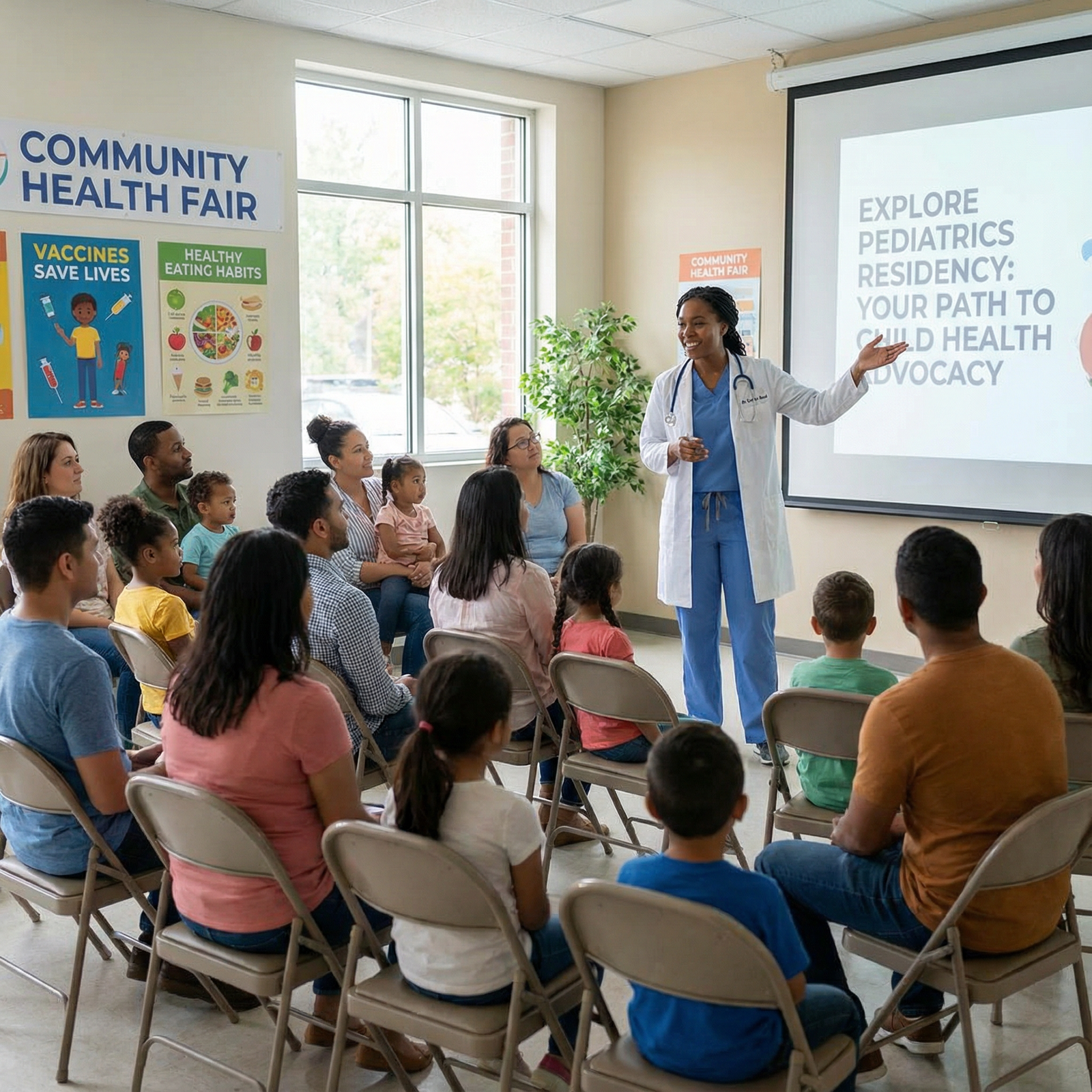
Community Engagement in Child Health
Pediatricians often collaborate on:
- School health initiatives: Vision/hearing screenings, asthma management programs, mental health support.
- Nutrition and obesity prevention: Community workshops, public campaigns, or partnering with local organizations to improve access to healthy foods.
- Violence and injury prevention: Programs addressing safe sleep, car seat safety, firearm safety, bullying, and teen dating violence.
- Mental health advocacy: Increasing access to counseling, supporting school-based services, reducing stigma.
These activities amplify the impact of individual clinical encounters by improving health at the population level.
Healthcare Advocacy as a Professional Responsibility
Child health is particularly susceptible to policy decisions around:
- Insurance coverage and Medicaid access
- Vaccination and public health regulations
- Environmental exposures (lead, air pollution, climate impacts)
- Educational resources and early intervention services
As a pediatrician, you may:
- Testify at legislative hearings.
- Write op-eds or policy briefs.
- Serve on committees within professional organizations.
- Advocate for institutional changes that support vulnerable populations.
Residency often introduces you to advocacy skills—helping you translate clinical experience into meaningful policy discussions.
Is Pediatrics the Right Residency for You?
When considering a Pediatrics Residency, reflect on questions like:
- Do you enjoy interacting with children and adolescents at different developmental stages?
- Are you energized by explaining complex concepts in simple, reassuring ways?
- Can you see yourself working closely with families and caregivers for years?
- Are you comfortable with the emotional weight of caring for very sick or vulnerable children?
- Do you value preventive medicine, child health advocacy, and community engagement?
If these resonate with your values and interests, pediatrics may offer a deeply satisfying and impactful career.
Frequently Asked Questions (FAQ)
How competitive is pediatrics residency, and how can I strengthen my application?
Pediatrics is moderately competitive compared to some other specialties, but strong applicants still stand out through:
- Solid academic performance and strong clinical evaluations in pediatric rotations
- Letters of recommendation from pediatric faculty who know you well
- Evidence of interest in Child Health (pediatric research, community work, advocacy projects, pediatric electives)
- A personal statement that clearly articulates your motivations and understanding of the field
Electives in pediatric subspecialties, away rotations at programs of interest, and involvement in organizations like the American Academy of Pediatrics (AAP) can also enhance your application.
What does work–life balance look like for pediatricians?
Work–life balance varies by practice setting and subspecialty:
- Outpatient general pediatrics: Often more predictable daytime hours, though some call or after-hours triage may be required.
- Hospitalist and emergency pediatrics: Shift-based schedules can offer clear time off but may include nights and weekends.
- Subspecialties: Ranges widely—some are more clinic-based, others more intensive and hospital-focused.
Many pediatricians find the field family-friendly, especially in outpatient or hybrid roles. During residency, hours can be long, but duty hours are regulated and programs increasingly emphasize resident wellness.
Can I combine pediatrics with another specialty, like internal medicine or psychiatry?
Yes. There are combined training programs such as:
- Internal Medicine–Pediatrics (Med-Peds): A four-year combined residency leading to board eligibility in both fields; prepares you to care for patients across the lifespan.
- Pediatrics–Psychiatry–Child and Adolescent Psychiatry (Triple Board): A five-year program for those interested in integrated medical and psychiatric care for children.
These pathways are ideal if you’re interested in transition-of-care medicine (e.g., adults with congenital conditions) or intersecting mental and physical health.
What are some of the hardest parts of being a pediatrician emotionally?
Common emotional challenges include:
- Caring for children with life-limiting illnesses or severe trauma.
- Managing cases of abuse, neglect, or significant social adversity.
- Supporting families through grief, uncertainty, or chronic disease burdens.
Residency programs typically provide support through mentorship, debriefing sessions, mental health resources, and peer support networks. Many pediatricians find that these difficult moments, while challenging, also underscore the meaning and importance of their work.
How important is research experience if I’m interested in a pediatric subspecialty?
Research is helpful—but not always mandatory—for fellowship, depending on the subspecialty and competitiveness of programs. It can:
- Demonstrate academic curiosity and perseverance.
- Help you build mentorship relationships in your field of interest.
- Strengthen your fellowship application, especially for research-focused or academic programs.
If you’re targeting competitive pediatric specialties like neonatology, pediatric cardiology, or heme/oncology, seek out research or quality improvement projects during residency and aim to present or publish your work when possible.
A Pediatrics Residency offers a unique blend of science, compassion, education, and healthcare advocacy. It allows you to shape the lives of children and their families at some of their most vulnerable and formative moments. If you’re drawn to long-term relationships, preventive care, and the challenge of integrating developmental, social, and medical perspectives, pediatrics can be an extraordinarily rewarding way to grow your passion for children’s health into a lifelong career.