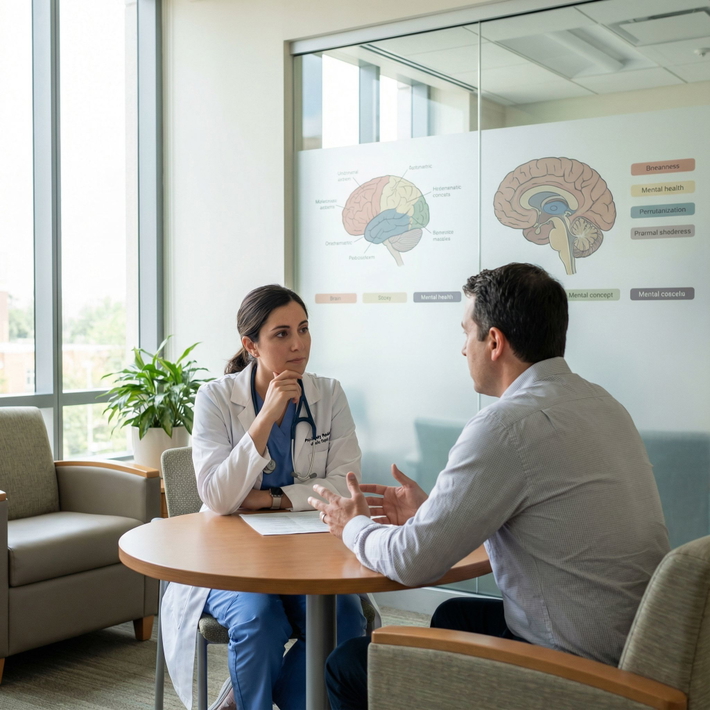
Embarking on a Family Medicine residency means stepping into one of the most diverse and relationship-centered paths in the healthcare profession. Your days will blend outpatient continuity clinics, inpatient medicine, obstetrics, emergency care, and behavioral health—all while you build longitudinal relationships with patients and families across generations.
Understanding what a typical day looks like can help you decide whether this specialty aligns with your goals, strengths, and lifestyle preferences. The exact schedule will vary by program, rotation, and year of training, but certain themes in residency life are nearly universal.
Below is a detailed, realistic look at a day in the life of a Family Medicine resident, with practical tips on how to thrive during this intense but deeply rewarding phase of medical training.
Early Morning: Setting the Tone for the Day
Typical Start Time: 5:30 AM – 6:30 AM (earlier on some inpatient or obstetric rotations)
Family Medicine residency life often starts before sunrise, especially on inpatient, ICU, or obstetrics rotations. How you structure these early hours can set the tone for your day in both patient care and your own well-being.
Pre-Round Preparation and Personal Routine
Most residents develop a consistent morning routine to anchor their day:
- Wake-up and personal care: Quick shower, coffee or tea, and a simple breakfast—often something you can eat on the go.
- Review the schedule: Check your EHR inbox, clinic schedule, sign-out notes, and any new labs or imaging on your patients.
- Preview key patients:
- Inpatients: Skim overnight notes, vitals, nursing concerns, and new orders.
- Outpatients: Review the day’s schedule, especially complex chronic care or new patient visits.
Actionable tip:
Many residents find it helpful to create a “pre-round checklist” (e.g., vitals, I/Os, overnight events, labs, medication changes). Having a structured approach helps you move efficiently from patient to patient and minimizes omissions during attending rounds.
Team Huddle and Morning Rounds
Typical Time: ~7:00 AM
On inpatient rotations, your day formally begins with team-based work:
- Team meeting: Residents, interns, medical students, nurses, pharmacists, and the attending may huddle briefly to:
- Assign new admissions
- Prioritize sick patients
- Set goals for each patient (e.g., disposition planning, diagnostic work-up)
- Bedside rounds:
- Conduct focused history updates and physical exams
- Review overnight events and nursing concerns
- Discuss differential diagnosis and management plans
- Communicate the plan clearly to the patient and family
Because Family Medicine emphasizes comprehensive patient care, rounds often include:
- Social context: Housing insecurity, insurance status, caregiving responsibilities, work constraints
- Behavioral health factors: Depression, anxiety, substance use, coping skills
- Family dynamics: Care coordination among multiple family members with complex conditions
You are not just managing a disease; you are caring for the whole person within their family and community environment—a defining aspect of this medical training path.
Mid-Morning: Clinical Work in Outpatient and Inpatient Settings
Typical Time Frame: 8:30 AM – 11:30 AM
After early rounds or team huddles, your day transitions into intensive clinical work. The specific mix depends heavily on rotation.

Outpatient Clinic: The Heart of Family Medicine
On continuity clinic days, residents typically spend the morning in the ambulatory setting, often seeing:
- A broad age range: From newborns and children to pregnant patients and elderly adults
- A wide spectrum of care needs:
- Acute visits: Cough, back pain, rashes, minor injuries
- Chronic disease management: Diabetes, hypertension, COPD, heart failure
- Preventive care: Annual physicals, cancer screening, vaccinations
- Women’s health: Pap smears, contraceptive counseling, prenatal visits
- Behavioral and mental health: Depression, anxiety, ADHD, substance use
You might see 10–14 patients as a junior resident and 16–20+ as a senior, depending on program expectations and clinic structure.
Key skills you refine in clinic:
- Prioritizing the problem list efficiently in a 15–20 minute visit
- Conducting focused, yet empathetic, history-taking
- Developing patient-centered, realistic care plans
- Counseling on lifestyle, preventive measures, and medication adherence
- Coordinating referrals and managing follow-up
Example morning clinic flow:
- 8:30 AM – New patient visit: Comprehensive history, med reconciliation, chronic conditions.
- 9:00 AM – Pediatric well-child check: Developmental screening, vaccinations, parent education.
- 9:20 AM – Acute visit: Sore throat and fever, rule out strep, address school/work notes.
- 9:40 AM – Chronic disease follow-up: Hypertension and diabetes, adjust medications, review home BP/glucose logs.
- 10:00 AM – Women’s health visit: Pap smear, contraception counseling, STI screening.
- 10:20 AM – Medicare wellness visit: Preventive screenings, fall risk assessment, cognitive screening.
Inpatient Service: Hospital-Based Family Medicine
On inpatient rotations, your mid-morning often focuses on:
- Completing detailed progress notes
- Writing and adjusting orders
- Coordinating multidisciplinary care: PT/OT, social work, case management
- Communicating with consultants: Cardiology, pulmonology, psychiatry, surgery
- Calling families: Updating them on clinical status and discharge plans
Family Medicine inpatient teams frequently manage:
- COPD and heart failure exacerbations
- Diabetic complications (DKA, hyperglycemia, infections)
- Pneumonia, sepsis, and other infectious conditions
- Complex polypharmacy and multimorbidity in geriatric patients
This side of Family Medicine deepens your internal medicine, hospital management, and team coordination skills—critical foundations for any future practice setting.
Midday: Lunch, Documentation, and Structured Learning
Typical Time Frame: 11:30 AM – 1:00 PM
While many schedules list “lunch break,” residents quickly learn that this block is more than just food—it’s a key pivot point in the day.
Lunch and Micro-Recovery
- Quick meal: Often 15–30 minutes to eat in a resident lounge, conference room, or cafeteria.
- Peer support: Informal debriefs about challenging cases, ethical dilemmas, or personal stressors with co-residents.
- Personal tasks: Respond to messages, check personal email, or briefly call family.
Protecting even a short break markedly improves focus and resilience for the afternoon.
Documentation and Inbox Management
Between patients or while eating, residents often:
- Complete unfinished clinic notes
- Respond to patient portal messages
- Review new lab and imaging results
- Refill medications with appropriate safety checks
- Send referrals and coordinate follow-up appointments
Efficient documentation is a core part of residency life and directly affects patient care and continuity. Developing templates, smart phrases, and a standardized note structure early in training is extremely helpful.
Noon Didactics and Educational Sessions
Most Family Medicine programs incorporate daily or weekly structured didactics, often around lunchtime:
- Formal lectures: Topics span common outpatient and inpatient conditions, practice management, billing, and emerging guidelines.
- Case conferences: Residents present real cases, walk through diagnostic reasoning, and discuss management decisions.
- Journal club: Review primary literature, evaluate evidence, and discuss how new data impacts everyday patient care.
- Board review sessions: Question-based learning aimed at ABFM exam preparation.
- Interprofessional training: Sessions with pharmacists, behavioral health providers, and social workers.
These sessions reinforce your medical training, keep your knowledge up to date, and create protected time dedicated to learning—not just service.
Afternoon: Continued Patient Care, Procedures, and Teaching
Typical Time Frame: 1:00 PM – 5:00 PM (often later)
Afternoons in Family Medicine residency continue to combine clinical responsibilities with ongoing education and team-based care.
Continuity Clinic and Follow-Ups
Afternoon clinics often emphasize follow-up and continuity, a cornerstone of Family Medicine:
- Chronic disease follow-ups: Diabetes, hypertension, hyperlipidemia, asthma, depression
- Post-hospital follow-up: Ensuring medication reconciliation, early complications detection, and re-education
- Prenatal visits: Monitoring maternal and fetal health, prenatal counseling, coordinating obstetric care
- Complex care patients: Those with multiple comorbidities, frequent hospitalizations, or significant social barriers
You learn to:
- Track trends over months to years
- Build long-term trust with patients and families
- Recognize subtle shifts in physical and mental health
- Integrate social determinants of health into every care plan
Procedures in Family Medicine
Depending on your program and clinic setup, afternoons may include hands-on procedures such as:
- Joint injections (knee, shoulder, trochanteric bursa)
- Simple skin procedures (shave biopsies, cryotherapy, punch biopsies, excisions)
- Laceration repair and wound care
- IUD insertions/removals, Nexplanon insertions
- Endometrial biopsies and Pap smears
- Basic office spirometry
These procedural skills not only enhance your scope of practice but also increase your versatility in different future practice settings.
Teaching and Mentoring Roles
As you progress through residency, you increasingly:
- Supervise and teach medical students and junior residents
- Lead case discussions or mini-lectures at the bedside or in clinic
- Model clinical reasoning, communication, and professionalism
Teaching reinforces your own knowledge and helps you develop leadership skills that are vital for future roles in academic medicine or practice leadership.
Late Afternoon and Early Evening: Wrap-Up, Handoffs, and Reflection
Typical Time Frame: 5:00 PM – 7:00 PM (or later on busy rotations)
The official clinic day may end, but your responsibilities often continue.
Evening Rounds and Final Check-Ins
On inpatient rotations, late afternoon or early evening often involves:
- Touch-base rounds: Briefly revisiting patients who were unstable or had significant changes during the day.
- Discharge tasks: Finalizing discharge summaries, scripts, and follow-up appointments.
- Interdisciplinary communication: Ensuring nurses and overnight teams understand the plan and know warning signs.
Handoffs and Sign-Out
High-quality sign-out is crucial for patient safety:
- Summarize key problems, clinical status, active concerns
- Highlight what to watch for overnight
- Provide contingency plans (e.g., “If BP > X, do Y”)
- Make sure pending labs and imaging are clearly delineated
Family Medicine residents often cross-cover patients on different services, so clear communication is essential for safe, comprehensive patient care.
Documentation and End-of-Day Tasks
Before leaving, you:
- Finish any remaining notes
- Close the loop on critical labs or imaging
- Tie up EHR messaging for urgent concerns
- Write to-do lists for the next day
Nights and Call: Overnight Responsibilities in Family Medicine
Not every day includes night work, but call and night shifts are integral parts of most Family Medicine residency schedules.
Typical Night Responsibilities
Night shifts vary by program but may include:
- Admitting patients: From the Emergency Department to Family Medicine or hospitalist services
- Cross-covering inpatients: Managing overnight acute changes—chest pain, shortness of breath, altered mental status, uncontrolled pain
- Obstetrics: Managing laboring patients, triaging pregnant patients, and assisting with deliveries
- Emergency department coverage: Evaluating and stabilizing a range of acute complaints, from minor injuries to serious medical emergencies
Night shifts are intense but can foster rapid growth in clinical confidence, decision-making, and autonomy.
Managing Night Float and Fatigue
To sustain yourself during nights:
- Prioritize sleep before starting a stretch of nights
- Use caffeine strategically but avoid it near the end of the shift
- Eat light, frequent snacks instead of heavy meals
- Debrief emotionally difficult cases with co-residents or faculty
Learning to manage fatigue while maintaining safe, compassionate care is a critical professional skill in the healthcare profession.
Real-World Case Examples: Learning Through Patient Care
Family Medicine residency life is full of clinical scenarios that integrate medical knowledge, communication skills, and systems-based practice.
Case Example 1: Complex Diabetes Management
A 55-year-old patient with poorly controlled type 2 diabetes (A1c 10.5%) returns for follow-up:
- Clinical tasks:
- Review self-monitored glucose logs, if available
- Confirm medication adherence, dosing, and administration
- Screen for complications: neuropathy, nephropathy, retinopathy
- Assess comorbidities: hypertension, hyperlipidemia, obesity
- Family Medicine perspective:
- Explore barriers: Cost of medications, dietary habits, work schedule, transportation
- Initiate or intensify therapy (e.g., add GLP-1 agonist or basal insulin if appropriate)
- Arrange nutritionist referral and retinal exam
- Schedule closer follow-up and provide written instructions
You practice blending evidence-based medicine with practical, patient-centered strategies that fit real-world lives.
Case Example 2: Pediatric Respiratory Illness
A 3-year-old presents with cough, fever, and increased work of breathing:
- Evaluation:
- Detailed history from caregivers (onset, feeding, urine output, sick contacts, vaccine status)
- Physical exam for signs of distress: retractions, nasal flaring, grunting, oxygen saturation
- Management:
- Diagnose likely viral bronchiolitis vs. pneumonia vs. asthma exacerbation
- Decide on outpatient vs. inpatient management
- Provide clear, written return precautions and instructions
Here, you practice communicating with anxious parents, using age-appropriate examination techniques, and making safe triage decisions.
Case Example 3: Behavioral Health in Primary Care
A 40-year-old patient presents with fatigue and sleep disturbance, gradually revealing significant depressive symptoms:
- Tasks:
- Screen with PHQ-9 or similar tool
- Assess for suicidal ideation, plan, and means
- Explore psychosocial stressors: job loss, relationship issues, financial strain
- Discuss treatment options: therapy, medication, lifestyle adjustments
- Family Medicine role:
- Treat depression as a chronic condition with frequent follow-up
- Collaborate with behavioral health specialists
- Address stigma and build a supportive, nonjudgmental environment
These encounters highlight how Family Medicine integrates mental health into routine patient care.
Wellness, Self-Care, and Sustainability in Residency Life
Residency is demanding. Sustaining yourself in this healthcare profession requires deliberate attention to wellness.
- Physical health: Short exercise sessions, stretching, staying hydrated, and choosing the healthiest food options available.
- Mental health: Accessing counseling services when needed, practicing mindfulness, and maintaining connections with friends and family.
- Boundaries: Learning to say no to extra responsibilities when overwhelmed, using vacations fully, and taking scheduled days off seriously.
- Community: Leaning on your co-residents, program leadership, and mentors for support and guidance.
Developing these habits early in your medical training will serve you throughout your career.

Frequently Asked Questions (FAQs) About Family Medicine Residency Life
1. What is the typical work schedule and workload for a Family Medicine resident?
Most Family Medicine residents work 60–80 hours per week, depending on rotation and program rules. Your schedule usually includes:
- Outpatient continuity clinics several half-days per week
- Inpatient, obstetrics, emergency medicine, pediatrics, and ICU rotations
- Day shifts, night shifts, and weekend call
- Protected time for didactics and scholarly activity
Work hours are governed by ACGME duty-hour rules, but days can still be long and intense. Time management and prioritization are essential skills.
2. How many patients does a Family Medicine resident see in a typical day?
This varies by year of training, clinic setting, and program:
- Outpatient clinic:
- Interns: Often 8–12 patients per half-day
- Senior residents: 10–14 patients per half-day or more
- Inpatient service:
- Managing a census typically ranging from 5–12+ patients, depending on team structure
Over time, your efficiency and confidence grow, allowing you to manage higher volumes while maintaining high-quality, patient-centered care.
3. What are the most common procedures Family Medicine residents learn?
Family Medicine offers a broad procedural repertoire, which can vary by program emphasis. Common procedures include:
- Skin procedures: biopsies, excisions, cryotherapy, incision and drainage
- Musculoskeletal: joint and bursal injections, splinting
- Women’s health: IUD and implant insertion/removal, Pap smears, endometrial biopsies
- Office-based procedures: laceration repair, foreign body removal, simple wound care
- Obstetrics (program-dependent): vaginal deliveries, perineal repair
Residents interested in a more procedural-heavy practice can seek extra training or fellowships (e.g., sports medicine, maternal-child health).
4. How can I prepare in medical school for a Family Medicine residency?
You can set yourself up for success by:
- Completing strong core rotations in Family Medicine, Internal Medicine, Pediatrics, and OB/GYN
- Seeking sub-internships or acting internships in Family Medicine
- Gaining experience in outpatient primary care and community health settings
- Building communication and counseling skills
- Participating in quality improvement, advocacy, or research projects relevant to primary care
- Developing habits in organization, documentation, and self-care
Letters of recommendation from Family Medicine faculty and clear, authentic interest in comprehensive, longitudinal patient care will strengthen your application.
5. Is Family Medicine a competitive specialty, and what are the career options after residency?
Family Medicine is generally less competitive than some subspecialties, but strong applicants still distinguish themselves through:
- Solid clinical performance
- Evidence of commitment to primary care
- Professionalism and teamwork
- Clear career goals and fit with the specialty
After residency, career paths are diverse:
- Outpatient primary care (urban, suburban, rural)
- Hospitalist medicine (in some settings)
- Academic medicine and teaching
- Sports medicine, geriatrics, palliative care, or other fellowships
- Community health centers, FQHCs, or global health
- Administrative roles, quality improvement, and healthcare leadership
The broad-based Medical Training in Family Medicine gives you a flexible foundation for many roles across the healthcare profession.
A day in the life of a Family Medicine resident is demanding, varied, and deeply meaningful. From early morning rounds to late-night admissions, from caring for newborns to supporting older adults with complex conditions, you will experience the full spectrum of human health and illness. If you value continuity, versatility, and whole-person care, Family Medicine residency can be an exceptionally fulfilling next step in your medical journey.