
Introduction: Why Underserved Areas Belong in Your Residency Search
Choosing a medical residency is one of the most consequential decisions in any physician’s career. Applicants spend months evaluating specialty options, program prestige, geographic preferences, research opportunities, and work–life balance. Yet one powerful factor often remains underexplored: training and practicing in underserved areas.
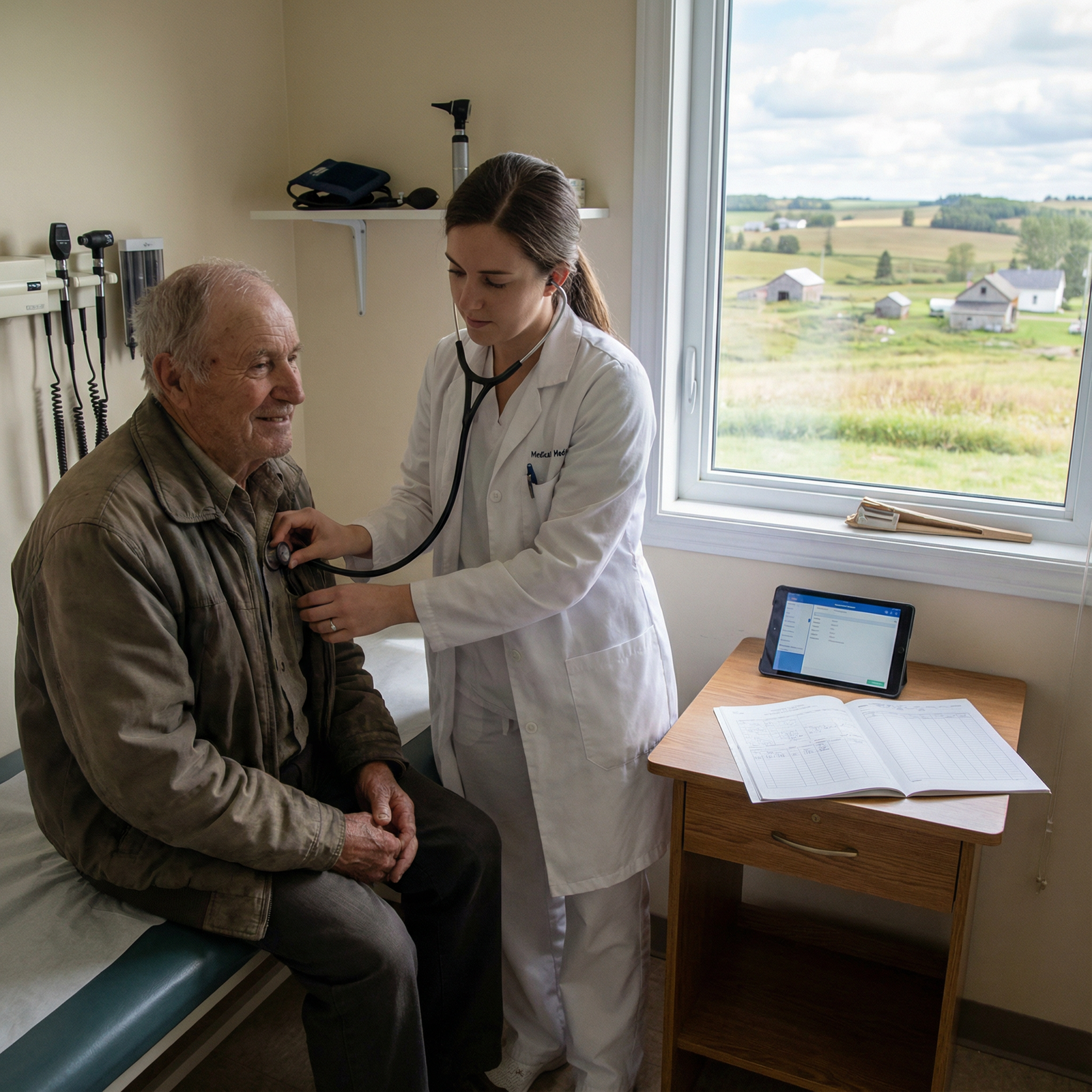
Residency programs rooted in underserved rural regions or high-need urban neighborhoods play a critical role in addressing healthcare disparities and strengthening community health. For many physicians, these settings offer unmatched breadth of clinical experience, accelerated autonomy, and deep professional meaning—elements that can shape long-term physician career paths in transformative ways.
This guide explores what it truly means to pursue a Medical Residency in an underserved area, highlighting:
- How underserved communities are defined and designated
- The real-world impact on patients, communities, and your career
- Unique benefits and common challenges of training in these settings
- How to strategically find, evaluate, and match into programs focused on underserved care
Whether you are strongly committed to health equity or simply curious about this “road less traveled,” understanding this pathway can help you make a more informed—and potentially life-changing—residency decision.
Understanding Underserved Areas and Healthcare Disparities
What Are “Underserved Areas” in Medicine?
“Underserved” is more than a vague descriptor. Several specific designations and characteristics help identify communities with limited access to healthcare:
Health Professional Shortage Areas (HPSAs)
Designated by the Health Resources and Services Administration (HRSA), HPSAs are areas, populations, or facilities with shortages of primary care, dental, or mental health providers. They are often prioritized for loan repayment and other incentives.Medically Underserved Areas/Populations (MUA/Ps)
Also designated by HRSA, these take into account provider supply, infant mortality, poverty levels, and percentage of elderly residents.Geographically Isolated Rural Communities
Many rural communities lack local hospitals, specialists, or even primary care clinics. Patients may travel hours for basic services, and social services can be sparse or fragmented.Urban Underserved Neighborhoods
Within large cities, certain neighborhoods experience marked healthcare disparities due to poverty, underinsurance, housing instability, food insecurity, immigration status, language barriers, and systemic racism.Communities with High-Risk or Special Needs Populations
These may include areas with higher proportions of elderly adults, people with disabilities, migrant workers, refugees, Native American/Tribal communities, or populations experiencing homelessness.
Understanding these definitions is essential when researching residency programs; many explicitly state their focus on HPSAs, MUA/Ps, or rural/urban underserved care.
Why Underserved Areas Need Physicians Now
Multiple national organizations, including the Association of American Medical Colleges (AAMC), project a substantial physician shortage in the coming decade. The shortfall—estimated to be as high as 124,000 physicians by 2034—will not be distributed equally. It will be felt most acutely in the same places that already struggle with limited access.
In underserved areas, this shortage translates into:
- Long wait times for basic appointments
- Limited access to specialists (e.g., psychiatry, OB/GYN, cardiology)
- Emergency departments serving as primary care for chronic conditions
- Preventive care and screening being delayed or skipped entirely
For residents and early-career physicians, this reality means that your decision about where to train can directly influence who receives care at all.
The Impact of Practicing in Underserved Communities
Tackling Healthcare Disparities at the Front Lines
Choosing a residency in an underserved setting allows you to engage directly with healthcare disparities you may have only read about in public health lectures:
Common patterns you will encounter include:
Higher prevalence of chronic diseases
Diabetes, uncontrolled hypertension, asthma, COPD, chronic kidney disease, and obesity frequently occur at higher rates in underserved populations.Increased mental health and substance use disorders
Limited access to mental health professionals coupled with social stressors and trauma drives higher rates of depression, anxiety, PTSD, alcohol use disorder, and opioid use disorder.Lower rates of preventive care and screening
Mammograms, colonoscopies, childhood immunizations, and prenatal care are more likely to be delayed, incomplete, or missed altogether.
Working in such settings pushes you to think beyond isolated diagnoses and consider social determinants of health—housing, employment, food access, transportation, education, and legal status—that shape your patients’ outcomes.
You’re not only treating individuals; you are contributing to community health in a tangible way.
Building Deep, Long-Term Community Relationships
Residency in an underserved area frequently involves continuity clinics or community-based primary care, where you follow the same patients and families over years. This continuity fosters:
- Strong patient–physician trust
- Insight into cultural beliefs about illness and treatment
- Understanding of family dynamics and community networks
- Respectful, culturally sensitive communication strategies
For example, in a rural residency clinic, you may care for multiple generations of the same family, attend community events, and collaborate with local leaders. In an urban community health center, you might work closely with interpreters, community health workers, and legal aid organizations to address social barriers to care.
This immersion can change how you view medicine—from isolated clinical encounters to a shared, long-term investment in community health.
Professional Fulfillment and Meaningful Physician Career Paths
Many physicians who train and practice in underserved settings describe:
- A stronger sense of purpose and alignment with their values
- Satisfaction in knowing their work fills a critical gap in the healthcare system
- Closer, more personal patient relationships
- Reduced feelings of “assembly line medicine”
While burnout is a risk in any high-intensity environment, research suggests that physicians who experience meaningful work and strong connections with patients and colleagues often find more sustainable satisfaction in their careers.
For some, this pathway leads to long-term careers in:
- Rural family medicine or internal medicine
- Urban community health centers or Federally Qualified Health Centers (FQHCs)
- Public health, advocacy, or health policy roles
- Academic leadership in community-based programs
Your residency choice can be the first deliberate step toward a career centered on equity, service, and community impact.
Benefits of Medical Residency in Underserved Areas
Broad, Hands-On Clinical Experience
Residents in underserved settings often encounter a wide spectrum of pathology and are guided to take on more responsibility earlier, within appropriate supervision.
You may experience:
- Managing complex, multi-morbid patients who rarely see specialists
- Performing more procedures (e.g., joint injections, skin procedures, IUD insertions, point-of-care ultrasound)
- Handling urgent and emergent conditions in resource-limited settings
- Learning to make sound clinical decisions with limited testing availability
This broad exposure can accelerate your clinical growth and make you a more adaptable, confident physician regardless of your final career path.
Development of Systems Thinking and Resourcefulness
Underserved environments require you to think beyond the standard clinical algorithm:
- What if your patient can’t afford the recommended medication?
- What if the nearest specialist is 3 hours away and fully booked for months?
- How do you modify your plan when your clinic lacks certain diagnostics?
These realities foster:
- Creative problem-solving and triage skills
- Cost-conscious care and judicious use of resources
- Strong collaboration with nursing, pharmacy, and social work
- Comfort practicing in dynamic, unpredictable conditions
These are invaluable skills if you later work in global health, health policy, hospital leadership, or disaster response.
Financial Incentives and Loan Repayment Programs
For many residents and new physicians, student loan burden is a major source of stress. Training and working in underserved areas can open access to meaningful financial support:
National Health Service Corps (NHSC)
- Offers generous loan repayment for physicians who commit to working in approved HPSAs.
- Available to primary care specialties, psychiatry, and some subspecialties depending on program rules.
State Loan Repayment Programs (SLRPs)
- Many states have their own programs providing loan repayment in exchange for service in rural or underserved communities.
- Eligibility and benefits vary by state; residents should explore state health department websites early.
NHSC and HRSA Scholarship Programs (for some trainees)
- For medical students who commit early to serving in primary care in high-need areas.
Hospital or Health System Incentives
- Sign-on bonuses, housing assistance, relocation support, and retention bonuses are sometimes offered by rural hospitals or community health centers.
These resources can make an underserved-focused Physician Career Path not only meaningful but also financially sustainable.
Competitive Edge for Future Opportunities
Residency in underserved settings can strengthen your CV for:
- Leadership positions in community clinics or FQHCs
- Academic roles in community-engaged or public health programs
- Global health fellowships or NGOs
- Health policy organizations, think tanks, and advocacy groups
Your documented experience working in underserved areas signals resilience, cultural humility, and a commitment to equity—qualities many employers and institutions value.
Challenges and Realities of Training in Underserved Areas
Resource Limitations and System Constraints
Underserved hospitals and clinics frequently operate under:
- Limited staffing (physicians, nurses, social workers, behavioral health)
- Older or fewer diagnostic tools (e.g., imaging, specialized labs)
- Fewer on-site specialists or subspecialty clinics
- Tight budgets and occasionally unstable funding
As a resident, this can mean:
- Higher patient-to-provider ratios and busy clinical days
- Greater reliance on telehealth or phone consults for specialist input
- Needing to manage complex patients longitudinally rather than transferring care
These constraints can be stressful, but they are also where you learn system-level thinking and leadership skills—how to advocate for resources, streamline workflows, and participate in quality improvement initiatives.
Lifestyle and Social Adjustments
Living and working in an underserved area can require meaningful lifestyle adaptation:
Rural settings
- Limited entertainment, dining, and cultural options
- Greater distance from major airports, friends, or extended family
- Potential for long commutes or on-call responsibilities if you cover multiple sites
Urban underserved neighborhoods
- Higher exposure to poverty, violence, or structural inequities
- Safety considerations during off-hours
- Emotional toll of seeing persistent social injustice
It’s important to reflect honestly on what environments you—and potentially your partner or family—will find sustainable and fulfilling.
Risk of Burnout Without Support
High clinical demand, emotional strain, and limited resources can contribute to burnout. Key protective factors you should look for when evaluating programs include:
- Strong mentorship and approachable faculty
- Formal wellness initiatives and mental health support
- Reasonable call schedules and duty hour compliance
- Team-based care models (e.g., integrated behavioral health, case managers, community health workers)
- A culture that values feedback and continuous improvement
Underserved-focused residency programs can be incredibly rewarding, but only if they are structurally supportive of their residents and faculty.
Strategically Pursuing a Residency in Underserved Areas
Clarify Your Motivations and Long-Term Vision
Before you start building your rank list around underserved programs, take time to reflect:
- What draws you to underserved work—personal experience, values, prior service, or professional goals?
- Are you more interested in rural medicine, urban underserved, or a mix?
- Do you envision a primary care-focused career, or are you planning a subspecialty that still serves high-need populations?
This clarity helps you craft compelling personal statements and answer interview questions authentically, while also ensuring your choices align with your values and lifestyle preferences.
Build Early Exposure in Medical School
If you’re still in medical school, you can “test drive” this path:
- Electives at rural training sites or community health centers
- Rotations in FQHCs, free clinics, jail/prison health, or homeless outreach
- Involvement with student-run free clinics or mobile health units
- Research projects or quality improvement initiatives focused on healthcare disparities
These experiences help you confirm your interest, build your skills, and strengthen your residency application.
Identify Programs with a Clear Mission to Serve Underserved Communities
When researching residency programs, look for:
- Explicit language about serving underserved communities or health equity in their mission statement
- Rural Training Tracks (RTTs) in Family Medicine or Internal Medicine
- Urban residency programs with continuity clinics in FQHCs or safety-net hospitals
- Dedicated “underserved medicine,” “rural health,” or “community health” tracks
- Partnerships with community organizations, public health departments, or tribal health systems
Don’t hesitate to email program coordinators or residents to ask:
- Where do most graduates practice?
- Do alumni often stay in underserved areas?
- How much time do residents spend in community-based settings vs tertiary hospitals?
Their answers reveal how committed the program truly is to serving underserved populations and preparing you for similar physician career paths.
Consider Fellowships and Advanced Training
If you want further specialization after residency, consider:
- Rural Medicine Fellowships (often in Family or Internal Medicine)
- Community Medicine or Underserved Care Fellowships
- Addiction Medicine, HIV Medicine, or Palliative Care with underserved focus
- Public Health or Preventive Medicine residencies
- Global Health Fellowships that also emphasize domestic disparities
These paths can position you as a leader in addressing healthcare disparities, shaping policy, and directing community health programs.
Cultivate Mentors and a Supportive Network
Mentorship is critical for navigating this unique career path. To build your network:
- Connect with faculty and residents who work in underserved settings
- Join professional organizations (e.g., Society of Teachers of Family Medicine, National Rural Health Association, primary care societies with health equity sections)
- Attend conferences dedicated to rural medicine, urban health, or community-based care
- Engage in online communities or interest groups focusing on underserved populations
Strong mentors can help you evaluate programs, negotiate job offers involving HPSAs, and maintain resilience throughout your career.

FAQ: Residency and Physician Careers in Underserved Areas
1. What types of medical specialties are most involved in underserved areas?
Primary care specialties are most common, including:
- Family Medicine
- Internal Medicine (especially primary care tracks)
- Pediatrics
- Psychiatry (particularly in areas with severe mental health provider shortages)
However, many subspecialists also serve underserved populations, particularly in rural regional centers or safety-net hospitals—examples include OB/GYN, general surgery, emergency medicine, and hospital medicine.
2. How can I find residency programs with a strong focus on underserved communities?
You can:
- Use online databases (e.g., FREIDA) and filter for rural tracks, community-based programs, or FQHC affiliations.
- Review program websites for mission statements mentioning underserved areas, health equity, rural health, or community health.
- Ask current residents directly about their continuity clinic locations and patient populations.
- Look for programs that list FQHCs, Indian Health Service sites, or safety-net hospitals as training locations.
3. Are there real financial benefits to working in underserved areas?
Yes. Many physicians in underserved settings benefit from:
- NHSC Loan Repayment for service in HPSAs
- State Loan Repayment Programs (SLRPs)
- Loan forgiveness options related to non-profit or government employment (e.g., Public Service Loan Forgiveness, PSLF)
- Additional signing bonuses or retention packages offered by rural hospitals or community health centers
These programs can significantly reduce your educational debt while you pursue meaningful work.
4. How do I know if I’m a good fit for training in an underserved area?
Consider whether you:
- Are energized by broad, generalist medicine and complex patient stories
- Are comfortable with uncertainty and limited resources
- Value close, long-term relationships with patients and communities
- Can adapt to lifestyle differences (rural isolation or intense urban environments)
- Feel strongly about equity, social justice, and community health
If these resonate with you, residency in an underserved area may be an excellent fit.
5. Can I still subspecialize if I do residency in an underserved-focused program?
Absolutely. Many residents from community- and underserved-focused programs successfully match into fellowships, particularly in:
- Cardiology, GI, pulmonary/critical care, and other IM subspecialties
- Addiction medicine, geriatrics, palliative care, and HIV medicine
- Academic general pediatrics or subspecialties
Your broad clinical experience and demonstrated resilience can actually strengthen your fellowship application. If you plan to subspecialize, discuss this early with program leadership so they can support research, mentorship, and elective experiences aligned with your goals.
Training in an underserved area is, indeed, the “road less traveled” in medical residency—but for many physicians, it becomes the most meaningful and professionally fulfilling path. By intentionally choosing programs that prioritize underserved communities, you not only shape your own development as a clinician but also contribute directly to a more equitable, responsive healthcare system.