
You're in a camp clinic. The generator is coughing. You have 40 patients with hypertension, diabetes, asthma, epilepsy, and what's on the shelf today won't be there next week. Protocols from Geneva assume a steady supply. You don't have that luxury. If you're in this situation, here's what to do.
This article is for educational purposes only. It is not financial advice, not legal advice, and not tax advice. Figures vary by individual circumstances, so consult a qualified professional before acting.
The Reality Check: Assessing Your Immediate Constraints
Forget what the textbook says you should give. Start with what you actually have. That is the Resource-Aware mindset.
If you're running chronic disease care in a humanitarian setting, your treatment plan isn't a prescription. It's a bet on logistics. And you will lose that bet if you write a plan that only works when the supply chain works.
First 24 hours on site, do this:
1. Count the real inventory. Not what the manifest says. Not what the last team logged. Open every box. Count blister packs, count vials. Check expiry dates. I've seen a pharmacy list show 3 months of metformin while the actual boxes were empty and filled with paracetamol. Believe your eyes.
2. Identify the Golden Hour. For chronic diseases, this isn't trauma. It's the window before decompensation. A patient with type 1 diabetes has maybe 24 hours without insulin before DKA. A hypertensive patient has weeks. An asthmatic might have hours if their inhaler runs out during a dust storm. List your patients by time-to-crash.
3. Establish no-lab baselines. Your glucometer will break. Your lab will close. You need metrics you can get with your hands and your questions. Can the patient walk up a small hill without chest pain? How many times are they urinating at night? Are their ankles more swollen than yesterday? Write these down. They become your labs.
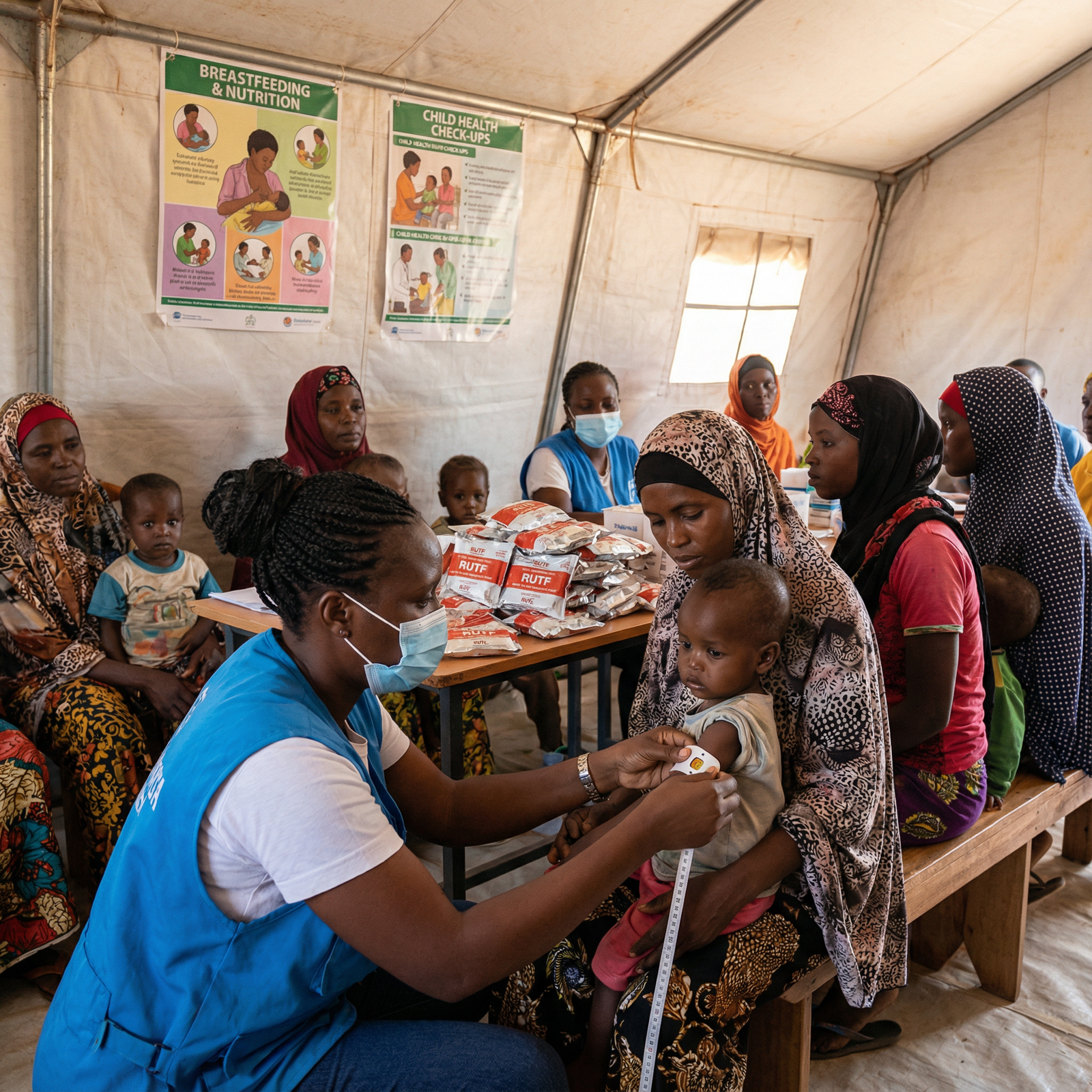
You are not providing sub-standard care. You are providing care that survives reality. That's a different standard. A better one for this context.
Prioritization Framework: Who Gets Care When Supply Is Scarce
You cannot give everyone everything. Trying to will mean everyone gets nothing for a week. Triage is not just for the ED.
If you're facing a critically low stock, stop thinking about long-term guidelines. Think immediate harm.
Here's the framework I use when the truck is two weeks late:
Acute decompensation comes first. Always. DKA, hypertensive emergency with end-organ damage, status asthmaticus, status epilepticus. These patients get the rescue resources even if it means zeroing out your reserve.
Symptom control is second. Pain, breathlessness, uncontrolled blood sugar causing daily misery. You treat what makes life unbearable today.
Disease modification and prevention is third. That statin for 10-year cardiovascular risk? That ACE inhibitor for proteinuria with no symptoms? If you're rationing, those get delayed. It feels wrong. It's not. It's math.
Your best friend here is the WHO Essential Medicines List. Not because it's perfect, but because it was built for this reality. It prioritizes generics that are cheap, temperature-stable, and have proven alternatives. Donor agencies swap brands constantly. If you anchor to the EML, you have a pre-approved substitution list in your head.
I draw a simple matrix on paper when I'm overwhelmed. It keeps me honest.
Low resource, high urgency = full rescue. High resource, low urgency = you can afford prevention. Everything else? You make hard, transparent calls. Document why.
Therapeutic Adaptation: Managing Common Conditions Without Standard Drugs
This is where textbook medicine dies and field medicine starts. You will not have the right drug. You will have to make the wrong drug work safely.
If you're managing diabetes with unreliable insulin:
Stop prescribing complex basal-bolus regimens that require carb counting and four injections a day. They fall apart on day three when the family has to flee or the fridge dies. Rigid, twice-daily biphasic insulin is ugly, but it's predictable and uses fewer syringes. If you have oral agents, metformin is your workhorse. It doesn't need cold chain. It doesn't kill people if they miss a meal.
And no glucose strips? I've been there. In South Sudan, we ran out for six weeks. You monitor with a symptom cluster interview. Are you thirsty all the time? How many times are you peeing at night? Any recent weight loss despite eating? Blurred vision? Recurrent skin infections? It's crude. It's also how diabetes was managed for 50 years before glucometers. Pair it with aggressive diet counseling using local food. Don't tell people to eat quinoa. Tell them to cut the sugar tea from three cups to one and fill half the plate with the leafy stew they already have.
If you're managing hypertension with no ARBs or CCBs:
Stockpile thiazides. Hydrochlorothiazide is boring. It's also cheap, heat-stable, and one pill lasts all day. Newer agents are sexy in high-income settings. In a camp where temps hit 45C, they degrade or disappear. Build your protocol around thiazides and older beta-blockers like atenolol. Then push non-pharmacologic measures like your life depends on it, because it does. No salt added at the cooking pot. Walk to the water point instead of waiting for a cart. I cut a patient's systolic by 20 points just by getting the communal kitchen to stop adding salt to bread.
If you're managing asthma/COPD and nebulizers are broken:
Nebulizers fail. Compressors die. Tubing gets lost. Switch everyone who can to MDIs with spacers. And you can make a spacer from a 500ml plastic water bottle. Cut a hole for the inhaler mouthpiece, have the patient breathe through the bottle opening. I've taught this to grandmothers. It works about 70% as well as a commercial spacer. Which is 100% better than no drug at all. Your other job: prevent exacerbations. Masks for dust storms, keep cooking fires outside the shelter, treat reflux and secondhand smoke exposure.
If you're managing mental health without a psychiatrist:
You are not a psychiatrist. You don't have to be. Depression, anxiety, PTSD, these destroy chronic disease adherence faster than any supply chain issue. Train your community health workers to do three things: listen without fixing, monitor pill counts weekly, and flag suicidal ideation. Simple behavioral activation, getting someone to walk with a neighbor each morning, beats a missing antidepressant refill. Don't underestimate it.
The principle is minimum effective dose. What is the least amount of medicine that keeps this person out of crisis and functioning? Preserve the rest.
Logistics and Community Integration: Building Resilience
Supply chain management is clinical care here. Period.
FIFO is not optional. First-In, First-Out. When a new shipment arrives, you put it behind the old stock. In extreme heat, this prevents you from discovering expired amlodipine six months later when you desperately need it. Keep insulin out of direct sun and off the floor. If you have no fridge, use a zeer pot, clay pot inside clay pot with wet sand between. Evaporative cooling can drop temps 8-10 degrees. It's not perfect refrigeration. It keeps insulin alive for two extra weeks. I watched it save a whole batch in Chad.
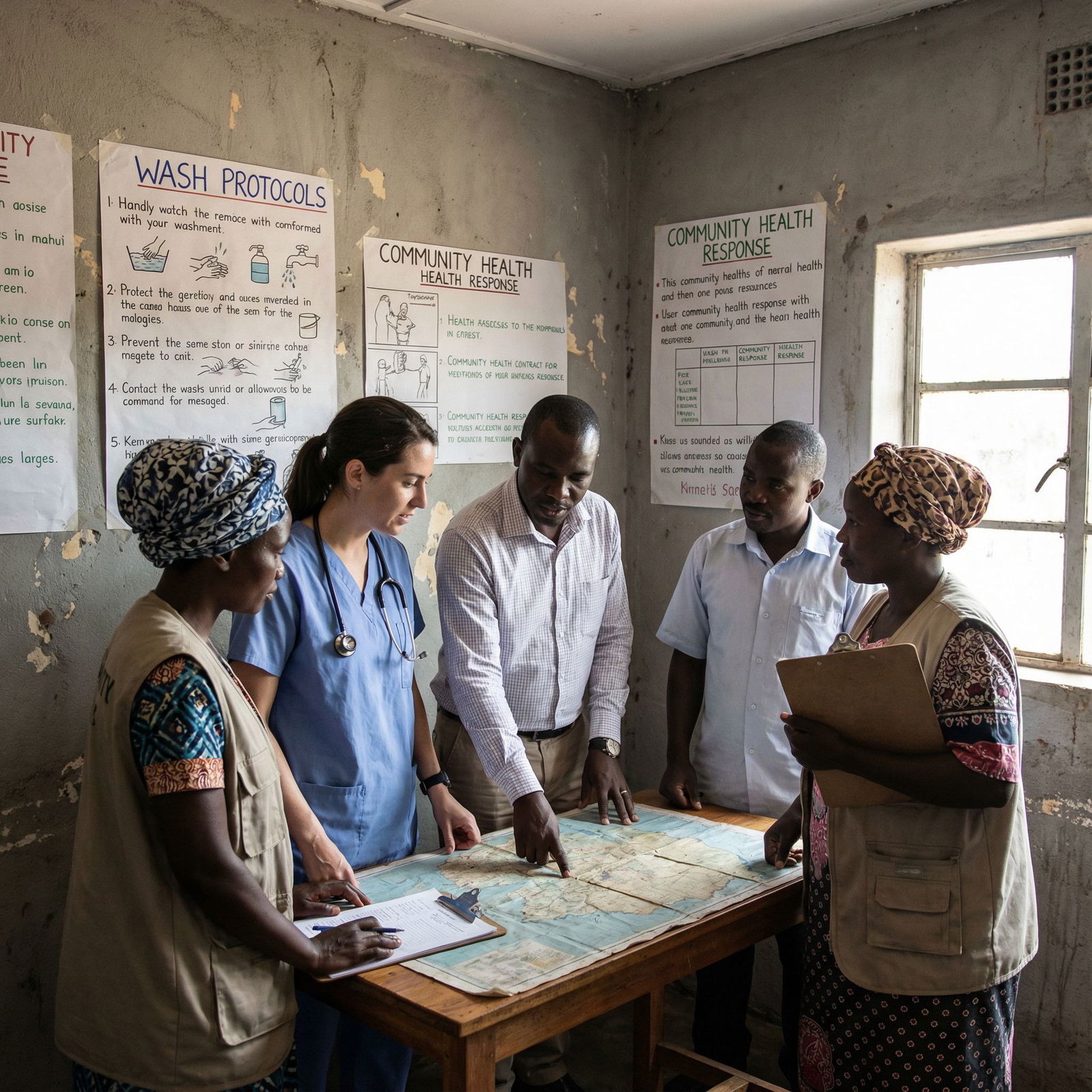
Your supply chain is bigger than the NGO warehouse. Walk to the local market pharmacy. Talk to the private pharmacist. Talk to traditional healers. You don't have to agree with everything they do. You need to know what they have. If the district hospital has phenobarbital when you don't, formalize a sharing agreement before you run out. That relationship is your backup generator.
Training caregivers beats writing complex notes. If transport blackouts mean patients miss refills for weeks, teach the family how to split pills safely, how to recognize red flags, and what to do when there's nothing. Give them a paper card. No apps. Paper survives dust and dead phones.
Paper tracking. Get a hardbound logbook. One page per chronic disease. Columns: name, diagnosis, last refill, next due, symptoms at last visit. When the tablet dies, this book is your EMR. It also becomes your advocacy data when you need to prove to donors that you actually need 500 more bottles of metformin.
Ethical Decision-Making in Resource-Limited Settings
This part hurts. It will keep you up at night.
Justice demands transparency. If you have to ration, tell people why. Say it out loud: "We have enough insulin for five patients for one week. I have ten patients. Here is how I am choosing." Explain your criteria, highest immediate risk first. If you ration in secret, you destroy trust. Trust takes months to build in a camp. Takes one rumor to destroy.
Beneficence is not doing everything. Sometimes it's stopping something. Continuing a marginally effective drug that uses up your last syringes for a stable patient while another is in DKA is not beneficence. It's harm. Learn to withdraw. Document it. "Treatment X stopped due to resource constraint and low immediate risk, patient counseled, plan to resume when supply allows."
Document the rationing. Not to cover yourself. For advocacy. Every time you write "forced to substitute due to stockout" or "patient missed dose due to supply failure," you create data that funders read. That data gets next year's shipment increased. Your notes are your weapon.
And take care of your own moral injury. You trained for ideal care. You will not give ideal care here. That gap feels like failure. It isn't. The goal shifts. From cure to stability and dignity. Holding that line is real medicine. Talk to your team. Debrief. If you burn out, no one gets care.
Summary and Actionable Next Steps
Rigid protocols break. Flexible clinicians don't.
If you remember nothing else, remember this: flexibility and prioritization beat perfection when the supply chain collapses. Adopt that minimum effective dose philosophy early. Shrink your dependence on labs and machines. Make community relationships your logistics strategy, local pharmacists and healers expand what you can offer more than any email to headquarters.
Build those relationships before the crisis hits. Visit the market pharmacy on day two, not day twenty when you're out of everything.
Your job here isn't to cure hypertension in a refugee camp. It's to keep people stable, functional, and dignified until stability returns. Adapt your algorithms daily based on what you see. What works survives. What doesn't, you drop. Fast.