
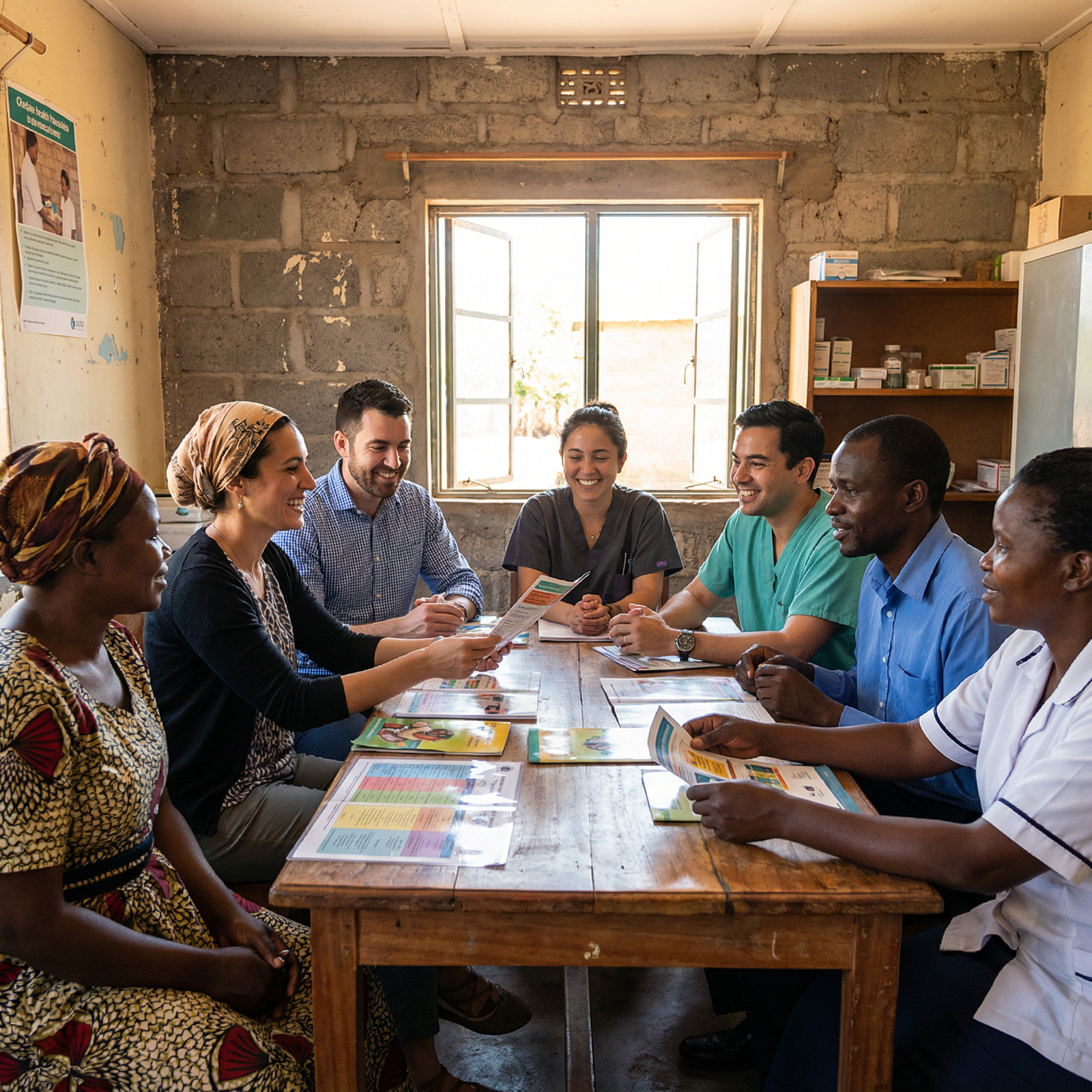
Introduction: Why Cultural Competence Matters in Global Health
Cultural competence has become a core requirement—not an optional skill—for anyone involved in Global Health, Health Equity, and Public Health Strategies. As medical professionals, residents, and trainees increasingly participate in international electives, humanitarian responses, and cross‑cultural care at home, the ability to work effectively within different cultural contexts directly shapes patient outcomes and the success of health programs.
In global health initiatives, the most technically sound intervention can fail if it ignores local beliefs, values, power structures, or historical experiences with healthcare systems. Cultural competence is the framework that helps you bridge those divides. It moves you from “delivering care” to “co-creating health” with communities.
This expanded guide explores:
- What Cultural Competence means in a global health context
- The key components and skills you need to build it
- How it improves outcomes and advances Health Equity
- Real-world examples from major global health organizations
- Practical strategies and Public Health Strategies you can apply as a student, resident, or early-career clinician
The goal is to help you think beyond checklists and instead cultivate a mindset and practice of respectful, effective, and ethical engagement across cultures.
Understanding Cultural Competence in Global Health
Cultural competence in healthcare is often defined as the ability to provide care that is respectful of, and responsive to, the health beliefs, practices, and cultural and linguistic needs of diverse patients and populations. In global health, that definition expands to include systems, organizations, and policies—not just individual clinicians.
Cultural Competence vs. Cultural Humility
Many educators now pair “Cultural Competence” with “Cultural Humility”:
- Cultural competence emphasizes knowledge and skills: learning about cultures, communication approaches, and appropriate adaptations in care.
- Cultural humility emphasizes a lifelong stance of curiosity, self-reflection, and recognition of power imbalances. Instead of “mastering” a culture, you acknowledge limits to your understanding and commit to learning with the community.
For global health work, both are essential. Competence gives you tools; humility keeps you grounded, ethical, and responsive.
Key Components of Cultural Competence
A widely used model describes five interrelated components. In global health, each of these has specific implications.
Self-Awareness (Awareness of Your Own Culture and Biases)
- Recognize your own cultural identity: professional, national, ethnic, religious, socioeconomic.
- Identify assumptions about “good health,” “compliance,” “evidence,” and “modern medicine.”
- Reflect on how your training, privilege, or positionality shape your interactions with communities.
- Example: A resident on a short-term mission who assumes that Western biomedical approaches are always superior may unintentionally dismiss effective traditional practices, damaging trust.
Cultural Knowledge
- Learn about local beliefs related to illness, healing, gender roles, family structures, stigma, and death.
- Understand historical context—such as colonization, prior unethical research, or political conflict—that shapes how people perceive foreign health workers.
- Appreciate how religion, spirituality, and traditional medicine systems (e.g., Ayurveda, traditional Chinese medicine, indigenous healers) influence care-seeking behavior.
- Importantly: avoid stereotyping. Knowledge should guide questions, not replace listening.
Cultural Skills
- Conduct culturally informed history-taking (e.g., asking open-ended questions about how patients understand their illness).
- Use interpreters effectively and ethically.
- Modify counseling, shared decision-making, and risk communication to align with local values and norms.
- Design and implement Public Health Strategies that adapt to local concepts of health, family, and community.
Cultural Encounters
- Seek direct, meaningful engagement with patients, families, traditional leaders, and community organizations.
- Observe local health practices respectfully (e.g., birth, end-of-life rituals, healing ceremonies) with permission.
- Learn by participating in community meetings, home visits, and outreach campaigns.
- Over time, repeated encounters refine your understanding and challenge assumptions.
Cultural Desire (Motivation and Commitment)
- Move beyond obligation to genuine interest in learning from others.
- Prioritize partnership over performance—asking, “What would be most helpful here?” rather than “How can I show what I know?”
- This intrinsic motivation is what sustains growth and prevents cultural competence from becoming a superficial checkbox.
When these elements come together, Cultural Competence becomes an ongoing, dynamic process rather than a fixed end-point.

The Critical Role of Cultural Competence in Global Health Initiatives
Cultural competence directly shapes the effectiveness, ethics, and sustainability of Global Health and Public Health Strategies. Below are some of the key domains where it makes a measurable difference.
1. Improving Health Outcomes and Program Effectiveness
Global health initiatives often target communities facing multiple barriers: poverty, limited infrastructure, and historical marginalization. If the intervention clashes with local beliefs or daily realities, uptake will be low—even if it is clinically sound.
How Cultural Competence Improves Outcomes:
- Better adherence and follow-up: When treatment plans align with patients’ economic constraints, gender roles, and religious practices, adherence rises.
- Accurate diagnosis: Understanding local explanatory models of illness can help differentiate between culturally bound syndromes, stigma-related presentations, and biomedical conditions.
- Higher participation in prevention programs: Campaigns designed with local languages, images, metaphors, and messengers are more likely to influence behavior.
Example: Vaccination Campaigns in Migrant Communities
Public health teams working with immigrant populations in high-income countries often encounter vaccine hesitation rooted in past experiences, rumors, or mistrust of authorities. Studies have shown that when campaigns:
- Partner with trusted community leaders
- Acknowledge concerns without judgment
- Provide information in native languages
- Respect religious and cultural norms
…vaccination rates improve significantly. This is a concrete demonstration of how Cultural Competence supports global and local Health Equity.
2. Addressing Health Disparities and Advancing Health Equity
Healthcare diversity—in both workforce and practice—is deeply connected to Health Equity. Cultural competence helps:
- Recognize structural barriers such as discrimination, racism, gender inequities, or legal status that shape who gets care and who does not.
- Design targeted interventions that meet the needs of groups experiencing disproportionate burdens (e.g., LGBTQ+ persons, ethnic minorities, refugees, people in conflict zones).
- Avoid “one-size-fits-all” approaches that inadvertently reinforce disparities by favoring the values or norms of dominant groups.
Case Example: HIV/AIDS Outreach in Minority Communities
In the U.S., minority communities often faced higher HIV incidence but lower testing and treatment rates. Culturally tailored initiatives developed by agencies such as the CDC:
- Engaged faith-based organizations, local activists, and peer educators
- Designed messages reflecting community languages, values, and concerns
- Addressed historical distrust of medical institutions
These strategies not only boosted testing and treatment uptake but also helped dismantle stigma within communities. The same principles are applied globally in HIV prevention among key populations (e.g., sex workers, men who have sex with men, people who inject drugs), where stigma and legal issues intersect with culture.
3. Building Trust, Legitimacy, and Long-Term Collaboration
Trust is central to every successful Global Health project. Communities may have deep-seated reasons to distrust outsiders—especially in areas with histories of exploitation, unethical research, or political conflict.
Cultural competence:
- Signals respect for local knowledge and autonomy.
- Encourages shared decision-making with community representatives about program priorities, implementation, and evaluation.
- Shifts the role of foreign professionals from “experts” to partners and allies.
Example: The Community Health Worker (CHW) Model
CHWs are usually selected by their own communities and trained to provide basic health education and services.
- They understand cultural and linguistic nuances intuitively.
- They act as bridges between formal health systems and local populations.
- Their presence can dramatically increase community trust in unfamiliar interventions (e.g., new vaccines, screening programs, mental health services).
The success of CHW programs for tuberculosis DOTS programs, maternal and child health, and chronic disease management in countries like Ethiopia, Rwanda, and Brazil illustrates how culturally grounded models can transform outcomes.
4. Ethical Global Health Practice and Avoiding Harm
Poorly adapted interventions can cause harm, even when well-intentioned:
- Counseling that ignores gender or power dynamics may put a patient at risk of domestic violence.
- Research that fails to consider community norms may be experienced as exploitative or disrespectful.
- Short-term “medical mission trips” that perform procedures without follow-up or local coordination can undermine local health systems.
Cultural competence helps clinicians and program designers:
- Anticipate these risks.
- Seek community input before launching initiatives.
- Design ethically robust programs aligned with international guidelines (e.g., CIOMS, WHO ethics frameworks).
Real-World Applications: Cultural Competence in Leading Global Health Organizations
Many major global health organizations have integrated Cultural Competence and Healthcare Diversity into their operational strategies. These examples illustrate how principles can be translated into practice.
1. WHO’s “Cultural Competence for Health Workers” Initiatives
The World Health Organization (WHO) has supported and disseminated frameworks to help health workers improve culturally responsive care, particularly in contexts such as migrant health, maternal care, and chronic disease management.
Key features of WHO-aligned training programs often include:
- Modules on social determinants of health and local context
- Case-based learning about miscommunication and cultural conflict
- Tools for working effectively with interpreters
- Reflections on professional ethics, power, and bias in cross-cultural settings
For residents involved in WHO-affiliated projects or using WHO guidelines, these resources can shape how you design, evaluate, and adapt your interventions for specific populations.
2. The Global Fund: Community-Led, Culturally Adapted Responses
The Global Fund to Fight AIDS, Tuberculosis and Malaria has made community engagement a core requirement for approved grants. This includes:
- Funding community-based organizations that deeply understand local cultural dynamics.
- Supporting peer educators who are part of key populations.
- Allowing local partners to adapt messages to their own languages, idioms, and cultural frameworks.
For instance, TB education campaigns might look very different in a rural village in Papua New Guinea versus an urban slum in India. By empowering local organizations to lead, the Global Fund ensures that public health messages and service delivery models are relevant and acceptable.
3. Partners In Health (PIH): Accompaniment and Local Leadership
Partners In Health, working in countries such as Haiti, Rwanda, and Peru, is known for its philosophy of “accompaniment”—standing with patients and communities for the long term.
Their approach to Cultural Competence and Health Equity includes:
- Hiring and training local staff at all levels, from CHWs to senior leadership.
- Integrating local healing practices when safe and acceptable, while gradually building trust in biomedical services.
- Respecting community preferences around home-based care, family involvement, and spiritual support.
For trainees, PIH offers an instructive model of how to combine technical excellence with deep cultural respect and solidarity, shaping sustainable global health systems.
Practical Strategies to Foster Cultural Competence in Healthcare and Global Health Work
For medical students, residents, and early-career professionals, Cultural Competence is both a personal and institutional responsibility. Below are actionable strategies at multiple levels.
1. Training and Education: Building Foundational Skills
- Seek out formal curricula on global health ethics, Cultural Competence, and Healthcare Diversity, whether within your residency program, school of public health, or professional societies.
- Use frameworks such as the LEARN model (Listen, Explain, Acknowledge, Recommend, Negotiate) during cross-cultural encounters.
- Engage in role-plays, OSCEs, or simulations that include language barriers, differing health beliefs, or spiritual considerations.
- Reflect on cases where communication or cultural misunderstandings affected outcomes.
2. Developing Language and Communication Capacity
- Learn at least basic greetings and health-related phrases in local languages when working abroad—this can be a powerful sign of respect.
- Use professional medical interpreters wherever possible rather than relying on family members, especially children.
- Learn best practices for interpreter use:
- Speak directly to the patient, not the interpreter.
- Use short, clear sentences and avoid jargon.
- Check understanding regularly.
3. Building Diverse, Multidisciplinary Teams
Diversity in the healthcare workforce itself is a form of Cultural Competence:
- Advocate for recruitment and mentorship of trainees from underrepresented backgrounds in global health.
- Include social workers, anthropologists, community representatives, and local researchers in project planning.
- Establish leadership pathways for local partners, not just visiting faculty or residents.
Diverse teams can anticipate challenges, design more relevant interventions, and challenge each other’s blind spots.
4. Deep Community Engagement and Co-Design
Move from “community outreach” to community partnership:
- Involve community leaders, traditional healers, women’s groups, youth representatives, and marginalized populations from the earliest stages of planning.
- Use participatory methods (e.g., community mapping, focus groups, photovoice) to identify priorities and barriers.
- Co-create Public Health Strategies with communities—for example, designing antenatal care programs that respect women’s roles, mobility restrictions, and family decision-making dynamics.
- Build feedback loops so communities can critique and refine interventions over time.
5. Continuous Self-Reflection and Supervision
Cultural competence requires ongoing self-examination:
- Maintain a reflective journal during global health electives or rotations. Ask:
- What surprised me about today’s encounters?
- Where might my biases have influenced my reactions or decisions?
- How might patients or community members have perceived me?
- Seek mentorship from faculty or supervisors experienced in global health ethics and cross-cultural practice.
- Welcome critical feedback from local colleagues—they often see what you miss.
6. Institutional and Policy-Level Advocacy
Cultural Competence is not just an individual skill; it is also a systems issue.
- Advocate for language access policies, interpreter services, and multilingual educational materials in your hospital or clinic.
- Encourage global health programs to develop ethical guidelines for short-term experiences, emphasizing sustainability and local leadership.
- Support national and international policies that promote Health Equity, such as inclusive health coverage for migrants and refugees.
- When involved in research, ensure that protocols include culturally appropriate consent processes and community benefit.
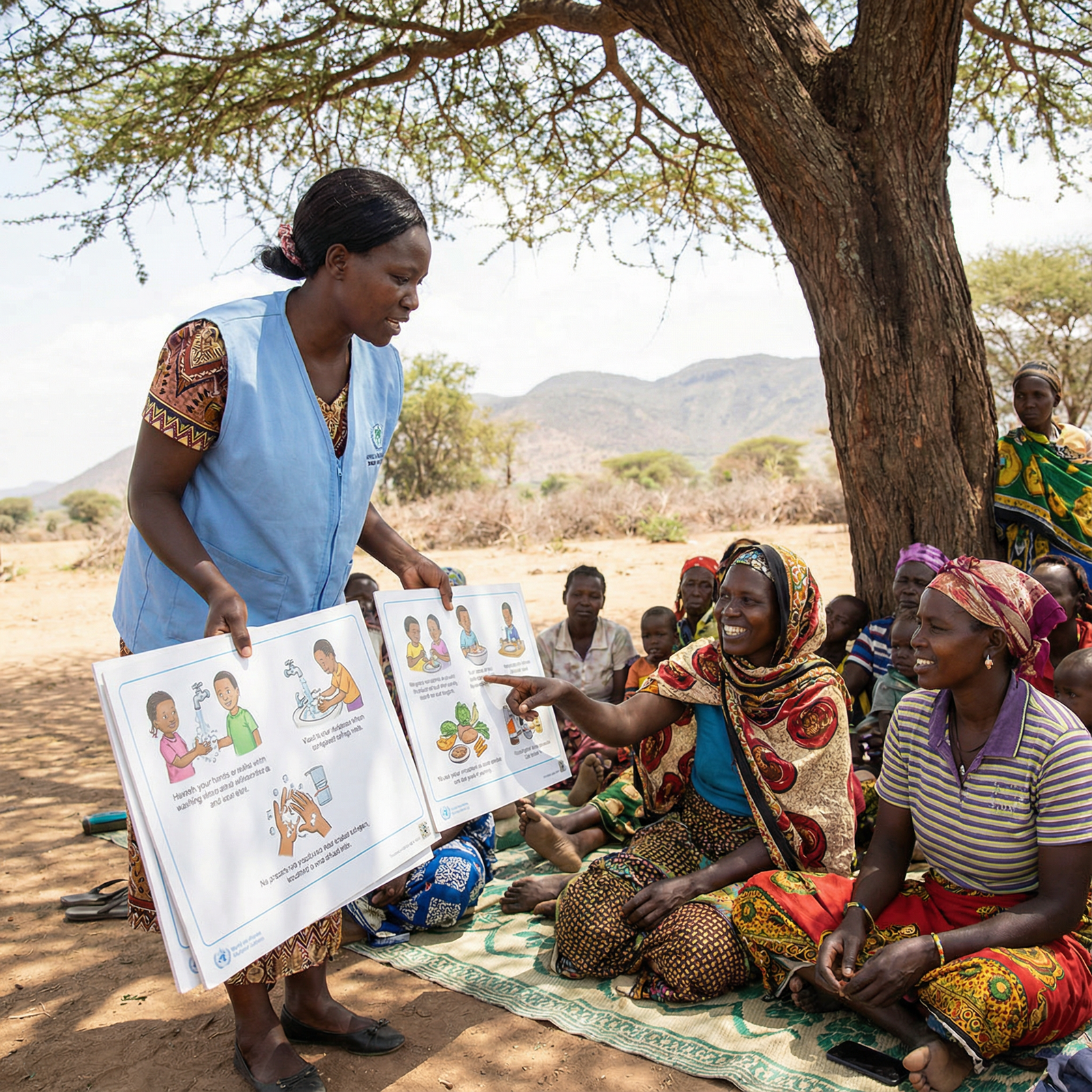
Conclusion: Cultural Competence as a Core Professional Responsibility
In an interconnected world, Cultural Competence is not a niche interest—it is central to ethical, effective Global Health practice and to advancing Health Equity in every setting.
For residency applicants and early-career physicians, demonstrating Cultural Competence signals:
- Readiness to care for increasingly diverse patient populations
- Ability to work effectively on multidisciplinary, multicultural teams
- Awareness of context, systems, and structural determinants of health
- Commitment to respectful, collaborative, and sustainable global health engagement
By cultivating self-awareness, cultural knowledge, communication skills, and genuine curiosity, you not only enhance patient care but also contribute to more just and inclusive health systems worldwide. Cultural Competence, anchored in humility and partnership, is one of the most powerful tools you can bring to any global health initiative.
FAQs on Cultural Competence in Global Health
1. What is Cultural Competence in healthcare and global health?
Cultural Competence in healthcare is the ability of professionals and systems to deliver care that is respectful of and responsive to patients’ cultural, linguistic, and social backgrounds. In global health, it extends to designing, implementing, and evaluating policies and programs in ways that recognize local beliefs, histories, and power structures. It is an ongoing process that combines knowledge, skills, self-reflection, and partnership with communities.
2. Why is Cultural Competence essential for Health Equity and Global Health initiatives?
Cultural Competence reduces miscommunication, mistrust, and mismatched interventions that disproportionately harm marginalized populations. By tailoring care and Public Health Strategies to the realities of different communities, it:
- Increases access and adherence
- Reduces health disparities across groups
- Supports ethical practice and community ownership
This alignment is central to Health Equity, which aims for everyone to have a fair opportunity to attain their highest level of health.
3. How can medical students and residents practically improve their Cultural Competence?
Practical steps include:
- Taking electives or courses on global health, social determinants of health, and cross-cultural communication
- Practicing structured communication frameworks (e.g., LEARN, Kleinman’s questions)
- Engaging with interpreters and learning basic local language phrases
- Participating in community clinics or outreach programs serving diverse populations
- Seeking feedback from patients, local colleagues, and mentors, and reflecting regularly on your own biases and assumptions
4. What are examples of culturally competent global health initiatives?
Examples include:
- WHO-supported training programs that teach culturally responsive care to health workers
- The Global Fund’s requirement for community-led projects and culturally adapted campaigns to fight HIV, TB, and malaria
- Partners In Health’s long-term partnerships that prioritize local leadership, community health workers, and respect for local traditions
- Community-based maternal health programs that incorporate traditional birth attendants while strengthening safe referral systems
All of these initiatives embed Cultural Competence into design, staffing, communication, and evaluation.
5. How can organizations and training programs promote Cultural Competence and Healthcare Diversity?
Organizations can:
- Implement mandatory training on Cultural Competence, racism, and bias
- Recruit and support a diverse workforce, especially in leadership roles
- Provide robust language access services and culturally adapted patient education materials
- Involve community representatives in governance and program design
- Develop institutional policies that support Health Equity, including inclusive care for migrants, refugees, and marginalized groups
Residency programs that integrate these elements prepare clinicians to lead in an increasingly diverse healthcare landscape and to engage responsibly in global health work.


