From Local to Global: How Your Health Career Can Make a Worldwide Impact
Introduction: Connecting Your Daily Work to Global Health
Every day, healthcare professionals diagnose, treat, counsel, and advocate for patients in clinics, hospitals, and community settings. At first glance, this work can feel intensely local and immediate. Yet in an increasingly interconnected world, the line between “local” and “global” is thinner than ever.
A respiratory infection in one city can become a multinational outbreak in weeks. A community-based diabetes program can inform national guidelines and influence international standards. A resident’s quality improvement (QI) project can feed into policy discussions on health systems strengthening.
Whether you are a medical student, resident, nurse, allied health professional, public health practitioner, or researcher, your career in healthcare can meaningfully shape Global Health. You do not need to work at the World Health Organization (WHO) or move overseas to have a worldwide impact. By aligning your clinical practice, research, education, and Health Advocacy efforts with global priorities, you can build a career that advances health equity across borders.
This guide explores how to understand Global Health, the roles professionals can play, concrete pathways into global work, and practical steps you can take now—no matter your stage of training or specialty—to expand your impact from local to global.
Understanding Global Health: Beyond Geography and Borders
What Is Global Health Really About?
Global Health is often misunderstood as “healthcare in low-income countries” or “overseas missions.” In reality, it is a field focused on improving health and achieving equity in health for all people worldwide, regardless of where they live.
Key elements of Global Health include:
- Transcending borders: Addressing health issues that cross or are shared across national boundaries, such as pandemics, antimicrobial resistance, pollution, and climate-related health threats.
- Equity and justice: Recognizing health as a human right and working to reduce unfair and avoidable differences in health outcomes between and within countries.
- Interdisciplinary collaboration: Drawing on medicine, nursing, public health, economics, law, sociology, environmental science, and more to tackle complex problems.
- Systems and structures: Focusing not just on diseases, but on health systems, financing, policy, supply chains, and the social determinants of health.
In practice, Global Health is as much about how care is delivered and who gets access as it is about specific diseases.
Why Global Health Matters to Every Healthcare Career
Whether you plan to practice in a rural clinic in your home country or conduct research in another region of the world, Global Health concepts are increasingly central to modern Healthcare Careers.
Here’s why a global perspective should matter to you:
Epidemiological Interdependence
Infectious diseases (like COVID-19, Ebola, HIV, TB), non-communicable diseases (NCDs), and environmental exposures do not respect borders. Outbreaks and health trends in one setting can rapidly influence others. Local surveillance data, clinical insights, and research can help inform global responses.
Ethics, Equity, and Health Justice
Massive gaps persist in access to quality care, essential medications, surgery, mental health services, and preventive care—both between and within countries. Engaging in Global Health is fundamentally about Health Advocacy for equitable systems that serve all populations, not just those with resources or political power.
Alignment with the Sustainable Development Goals (SDGs)
The United Nations’ SDGs—particularly SDG 3 (Good Health and Well-being)—highlight the need for universal health coverage, maternal and child health, mental health, NCD control, and emergency preparedness. Healthcare professionals are central to achieving these targets.
Resilient, Learning Health Systems
Global Health initiatives often focus on building resilient health systems that can prevent, detect, and respond to emerging threats—from pandemics to climate disasters. Local quality improvement, digital health innovations, and community-based programs can be adapted across countries.
Your Career Longevity and Relevance
As Global Health challenges increasingly shape national policies, funding priorities, and training requirements, professionals with a global mindset—comfortable with Public Health, Community Outreach, and cross-cultural collaboration—will be better equipped to lead.
The Role of Health Professionals in Global Health Impact
Global Health is not a single job title; it is a lens you can apply to your existing or future role. Below are key ways health professionals contribute to global impact, often starting with local actions.
1. Research, Education, and Community Outreach
Translating Local Research into Global Insights
Your research does not have to be international to be relevant to Global Health. For example:
- A resident studying hypertension management in an underserved urban clinic can generate data that informs broader strategies for NCD control in similar communities worldwide.
- A nurse conducting a study on vaccine hesitancy in a local immigrant population may contribute insights that help shape international communication strategies.
Actionable steps:
- Design research projects with equity and generalizability in mind.
- Share findings at global or regional conferences and in open-access journals.
- Engage with global consortia, registries, or multi-center trials.
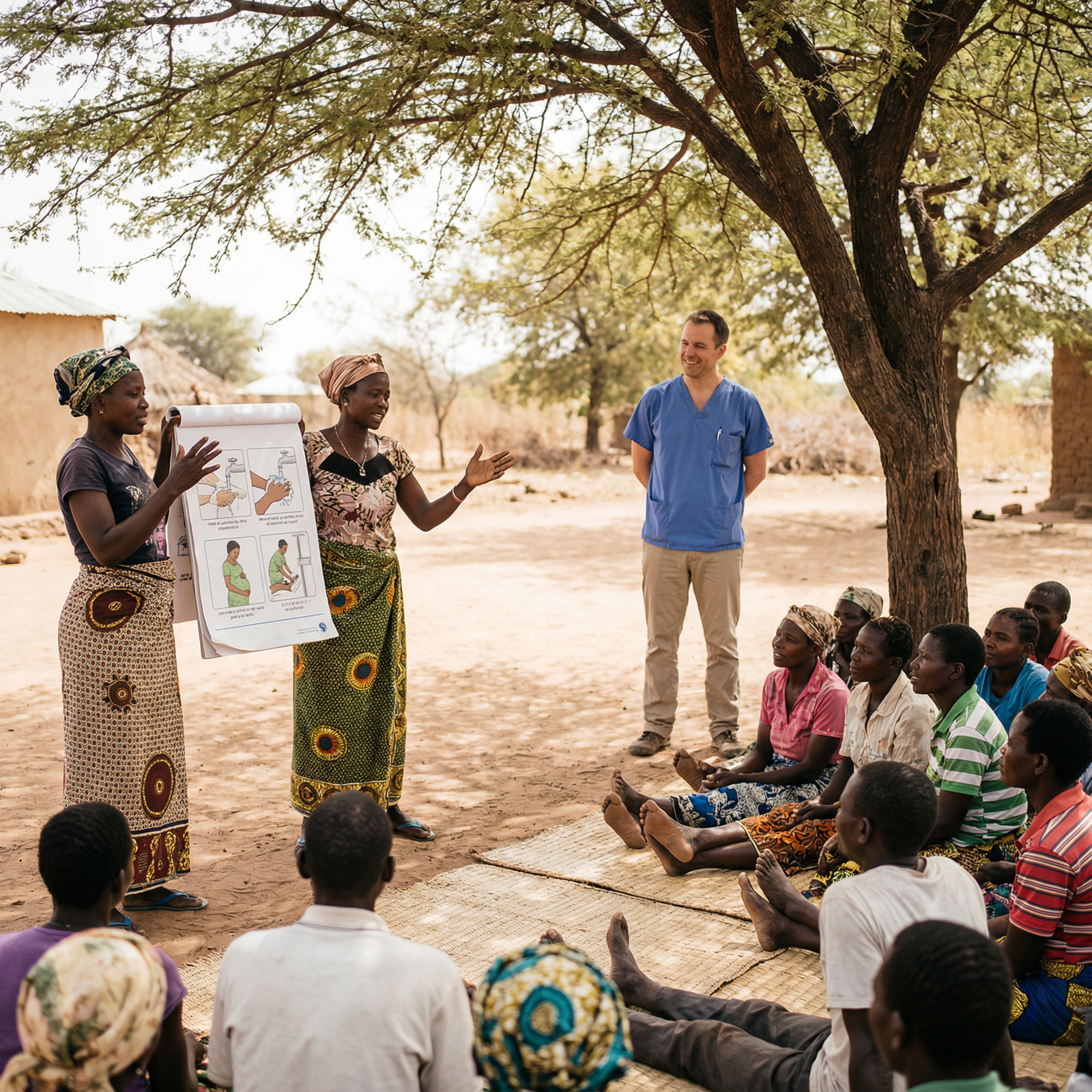
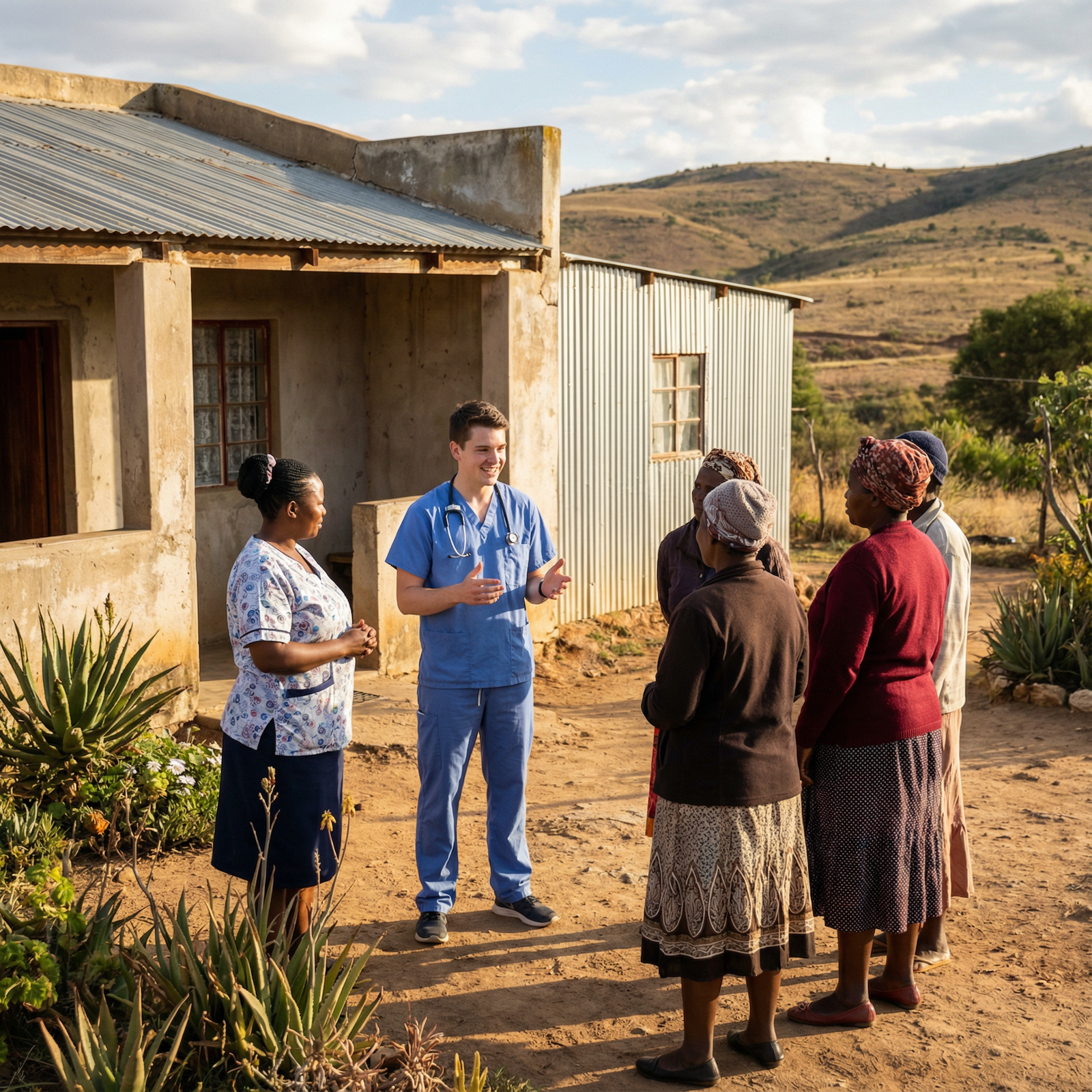
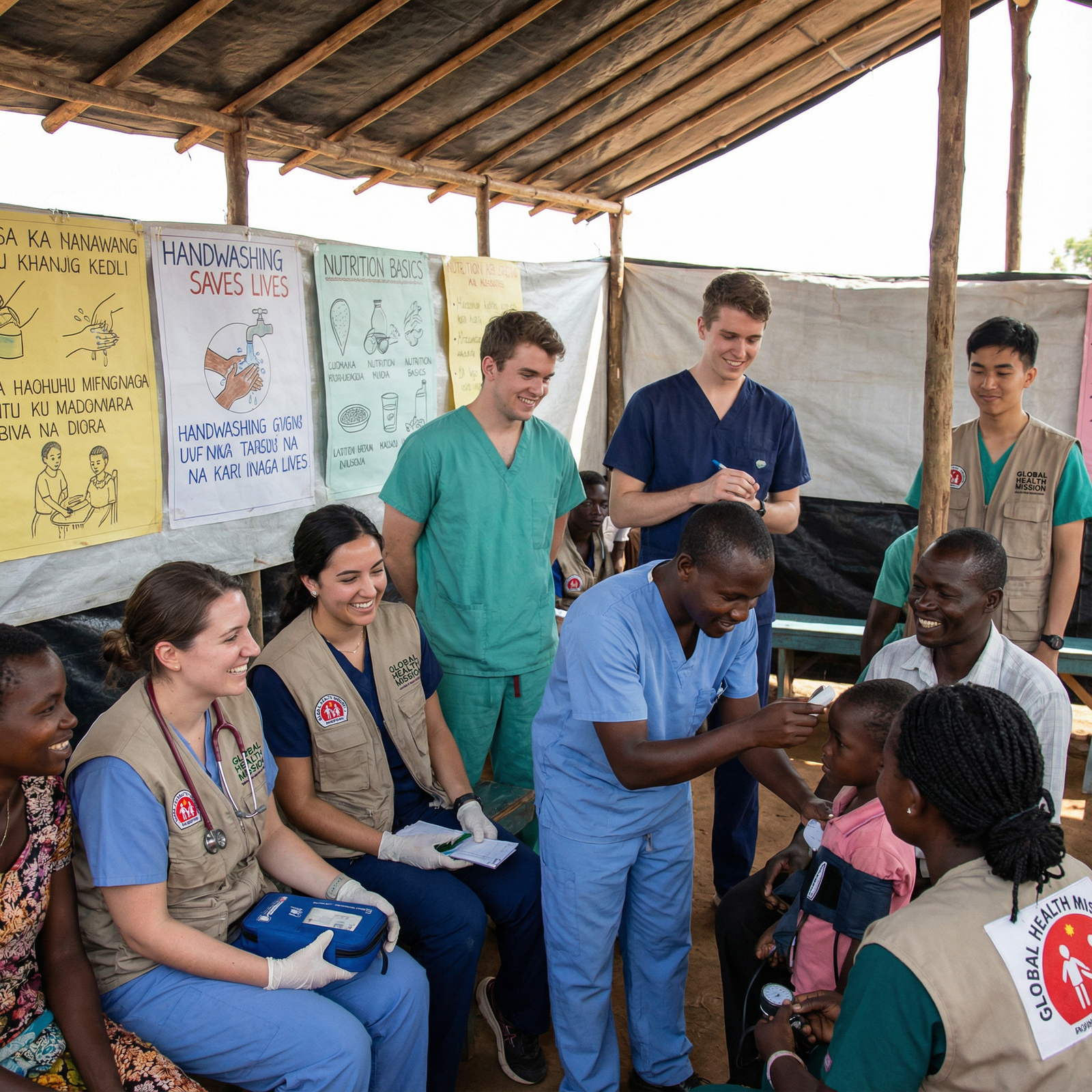
Community Outreach as Global Health in Action
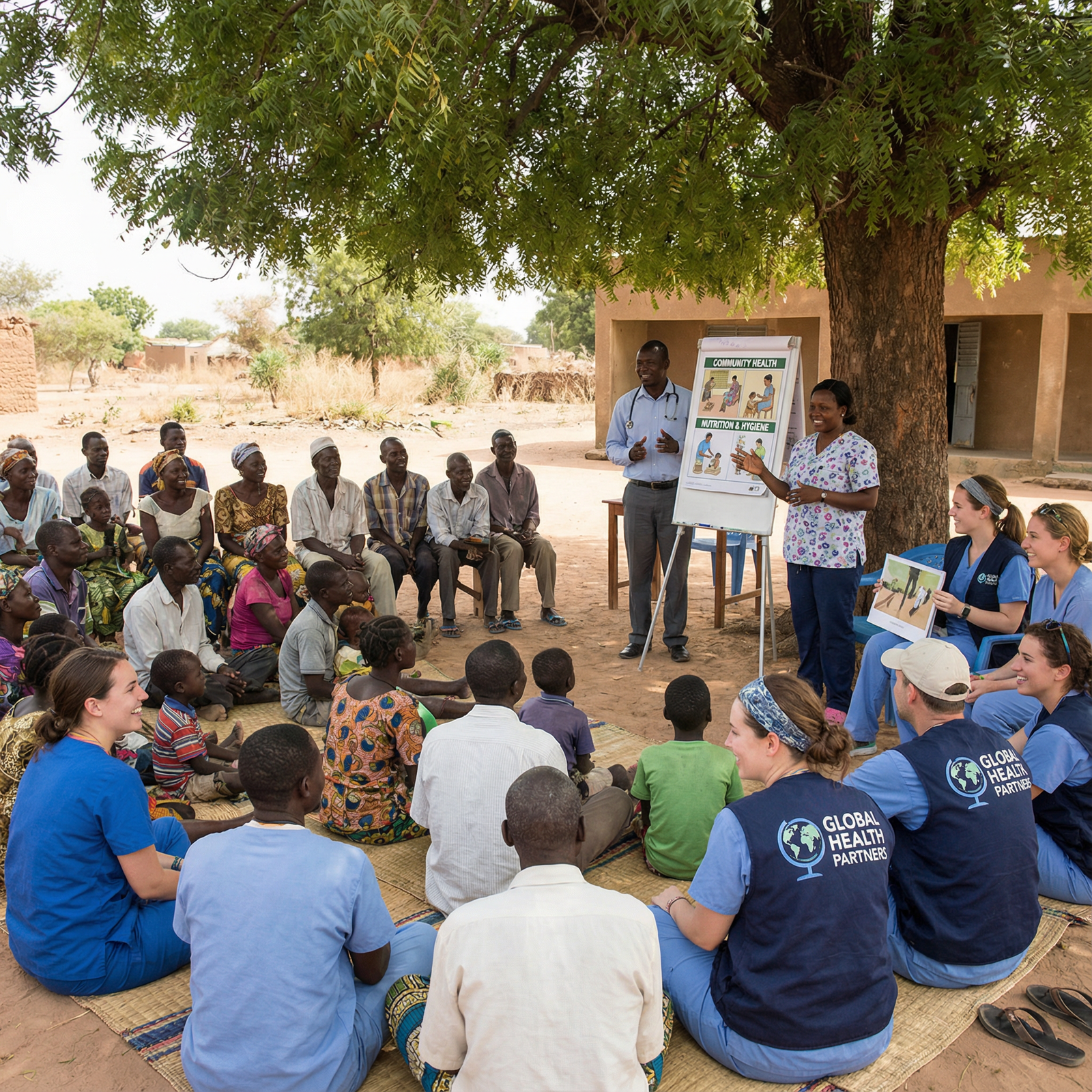
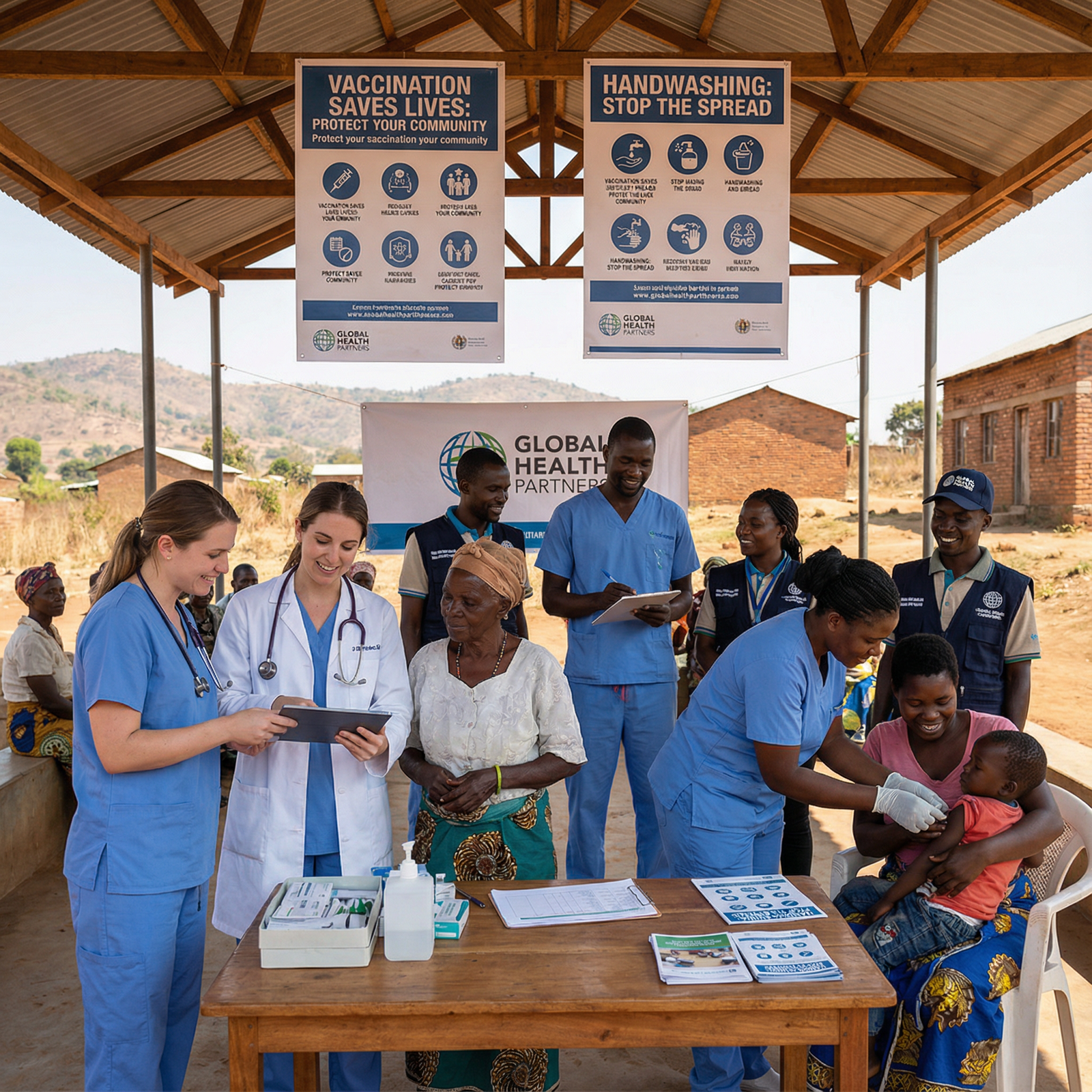
Community Outreach programs are essential bridges between clinical care and Public Health. They can:
- Improve health literacy and preventive care.
- Address social determinants of health (e.g., housing, food security, transportation).
- Generate models that can be adapted across borders.
Examples:
- A student-run free clinic that develops an effective diabetes education curriculum in multiple languages can share materials with international partners.
- A community mental health outreach program piloting group therapy for trauma survivors may influence programs in post-conflict or refugee settings.
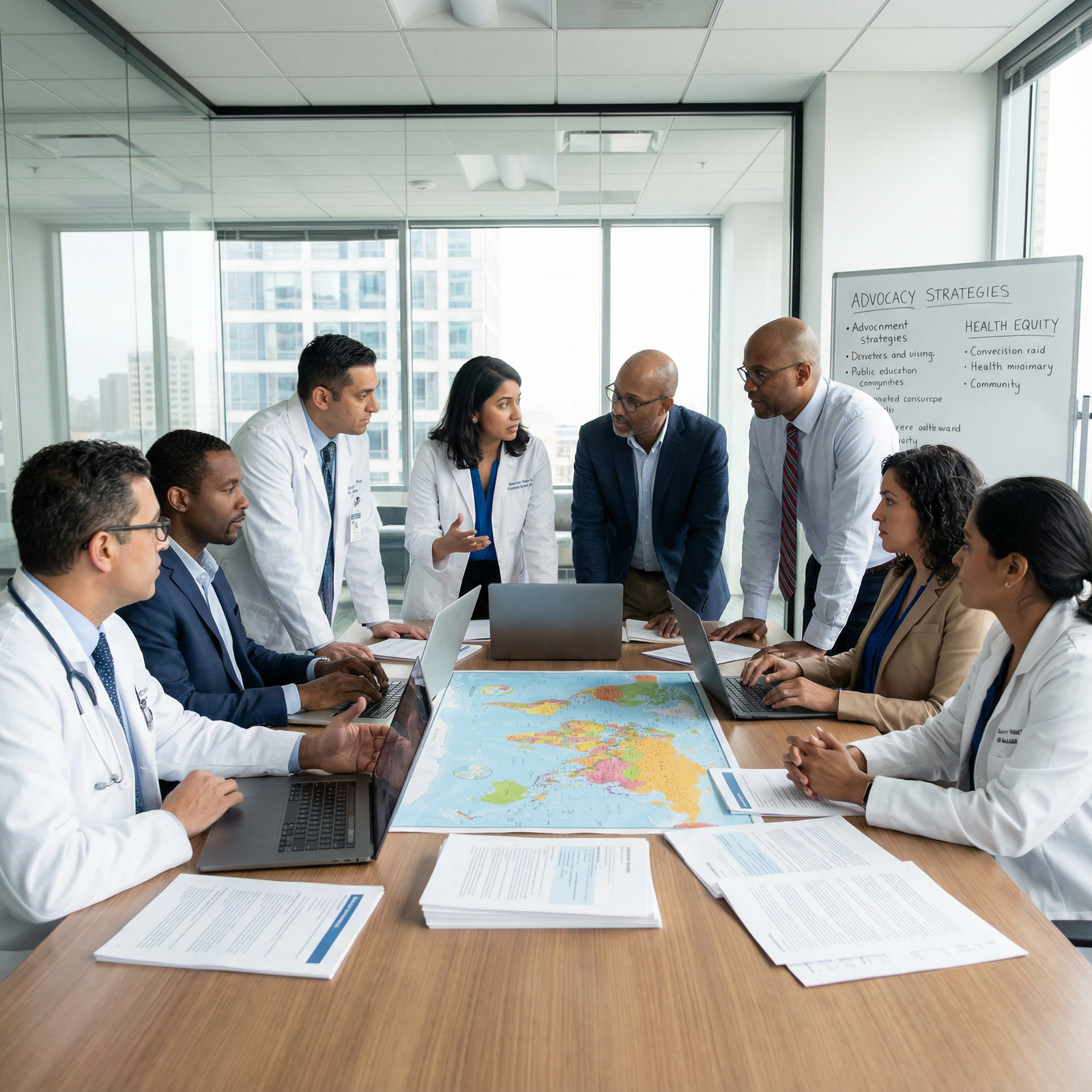
2. Health Advocacy and Policy Influence
Health Advocacy is one of the most powerful ways clinicians can impact Global Health—often from within their own institutions or countries.
Advocating Locally with a Global Perspective
You might:
- Testify or submit written input to local or national policymakers on:
- Access to medications or essential surgeries
- Environmental health regulations
- Policies affecting migrants, refugees, or marginalized communities
- Advocate within your hospital:
- For language interpretation services
- For integration of global health topics into curricula
- For equitable care pathways regardless of insurance status
These local policy changes can serve as models in global discussions on human rights, universal health coverage, or migrant health.
Collaborating with Global Organizations
Partnering with established organizations amplifies your voice:
- Join advocacy campaigns with:
- Médecins Sans Frontières (Doctors Without Borders)
- Partners In Health
- Global Health Council
- National and international medical associations
- Participate in letter-writing campaigns, sign-on letters, and position statements on:
- Vaccine equity
- Access to essential medicines
- Gender-based violence
- Climate and health
Through these efforts, your expertise shapes the global discourse on ethical healthcare delivery.
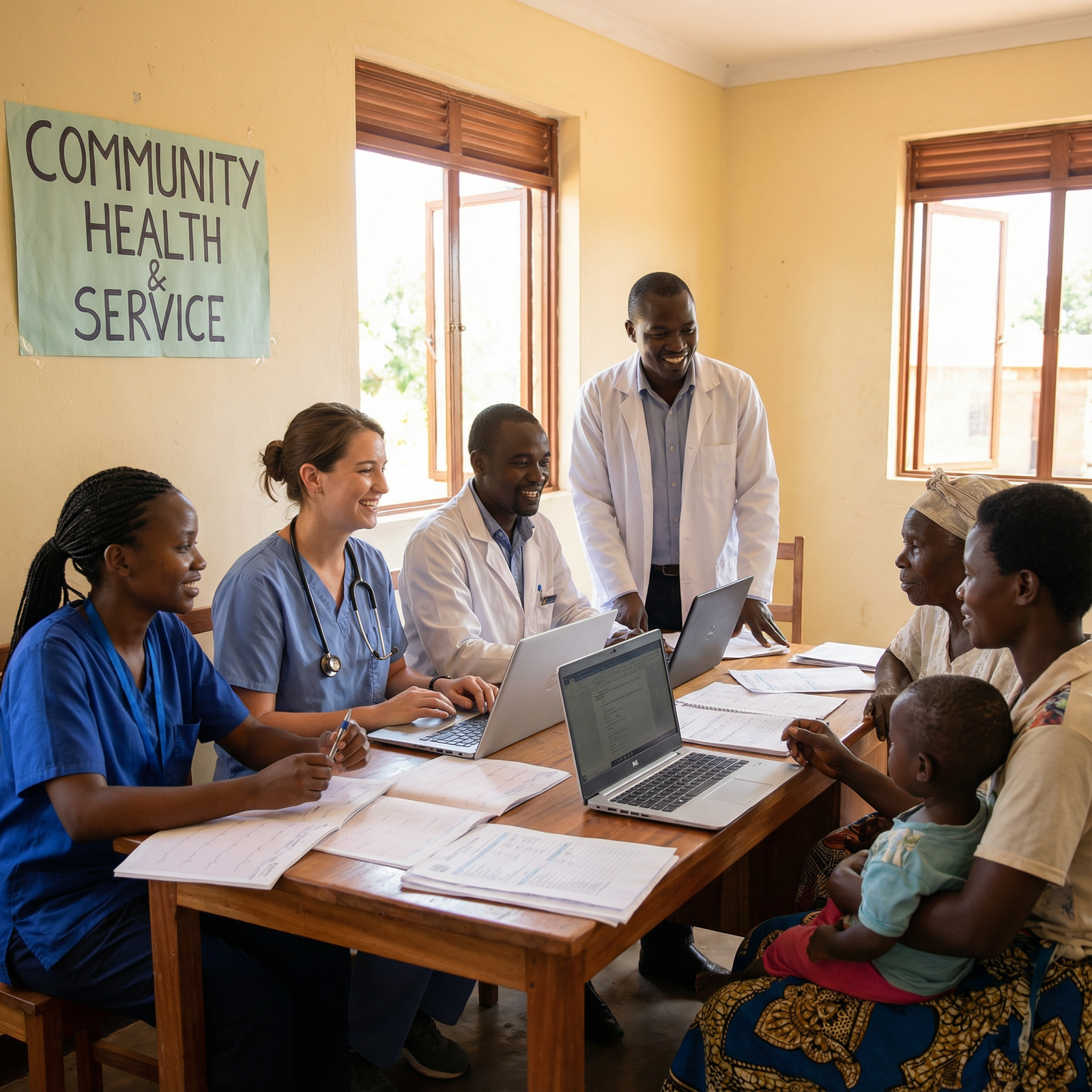
3. International Collaboration and Professional Networking
International collaboration is central to sustainable Global Health—and it often begins by building genuine, long-term partnerships rather than short-term “mission trips.”
Ways to Build Global Networks
- Conferences and Workshops
- Attend global or regional conferences (e.g., Consortium of Universities for Global Health, World Congress on Public Health).
- Present your local projects in poster or oral sessions to connect with others tackling similar challenges.
- Professional Societies
- Join specialty societies with Global Health sections (e.g., infectious diseases, surgery, pediatrics, psychiatry).
- Engage in working groups on topics such as migrant health, climate change, digital health, or capacity building.
- Academic Partnerships
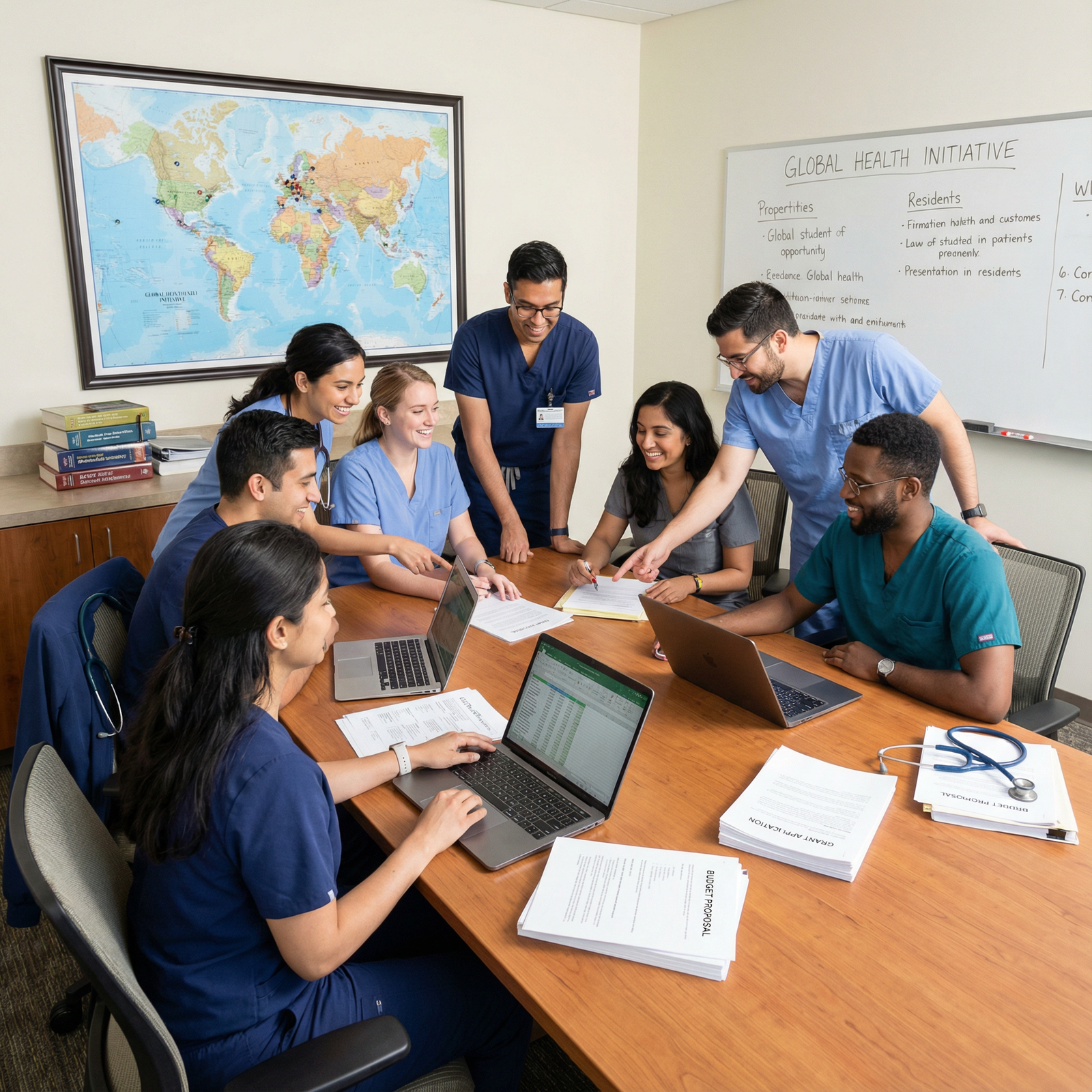
- Participate in institutional partnerships where universities or hospitals collaborate across countries on education, research, and training programs.
Collaboration should aim for mutual learning and capacity strengthening—not one-way “helping.”
Building a Pathway to a Global Health Career
Whether your goal is an occasional international project or a fully Global Health–focused career, there are multiple entry points and training routes.
1. Education and Formal Training
Degrees and Certificates
Consider formal training that aligns with your interests and career stage:
- Master of Public Health (MPH) with a Global Health concentration
- Master of Science (MS) in Global Health, Epidemiology, or Health Policy
- Diplomas or certificates in:
- Tropical medicine
- Refugee and migrant health
- Global surgery
- Global mental health
These programs help you:
- Understand health systems and financing.
- Analyze epidemiologic data.
- Learn methods for program design, monitoring, and evaluation.
- Develop skills in leadership, ethics, and cross-cultural communication.
Integrating Global Health into Existing Training
Even if you are not pursuing a new degree, you can:
- Enroll in elective courses in Global Health, Public Health, health policy, or medical ethics.
- Seek global health tracks within residency or fellowship.
- Participate in journal clubs or reading groups discussing global topics and landmark studies.
- Complete online courses from WHO, CDC, or major universities on:
- Outbreak investigation
- Health systems strengthening
- Humanitarian response
2. Hands-On Experience: Local and International
Hands-on practice is indispensable for understanding the complexity of Global Health.
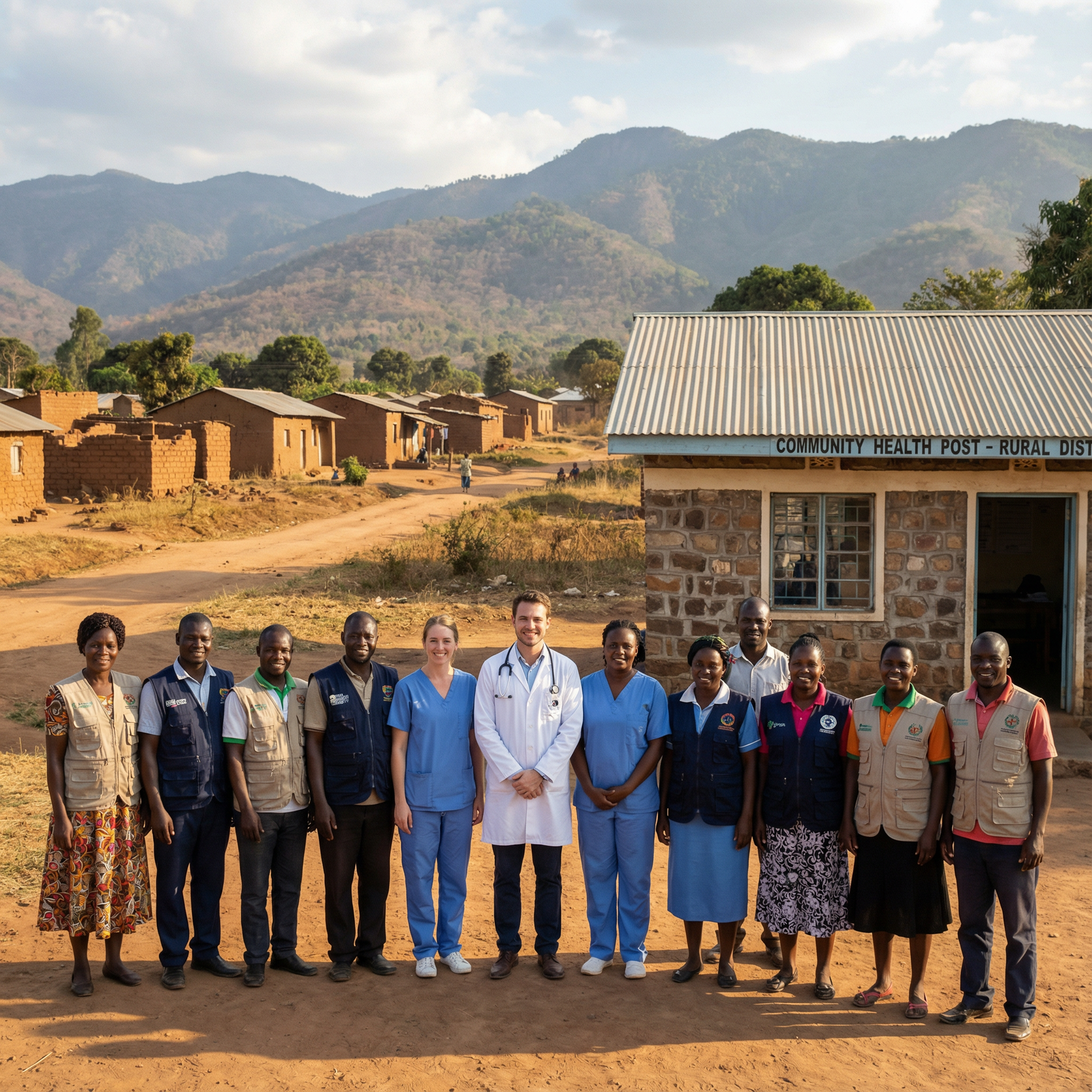
Local Global Health Work
You do not have to leave your city to gain Global Health experience. Many communities host:
- Refugee or migrant health clinics
- Free or low-cost community health centers
- Mobile health outreach for people experiencing homelessness
- Clinics for people who use drugs or those with HIV, TB, or mental health conditions
Working in these settings helps you:
- Address inequities in access and quality of care.
- Develop cultural humility and language skills.
- Understand structural barriers affecting health.
These experiences are directly transferable to work in other countries or international organizations.
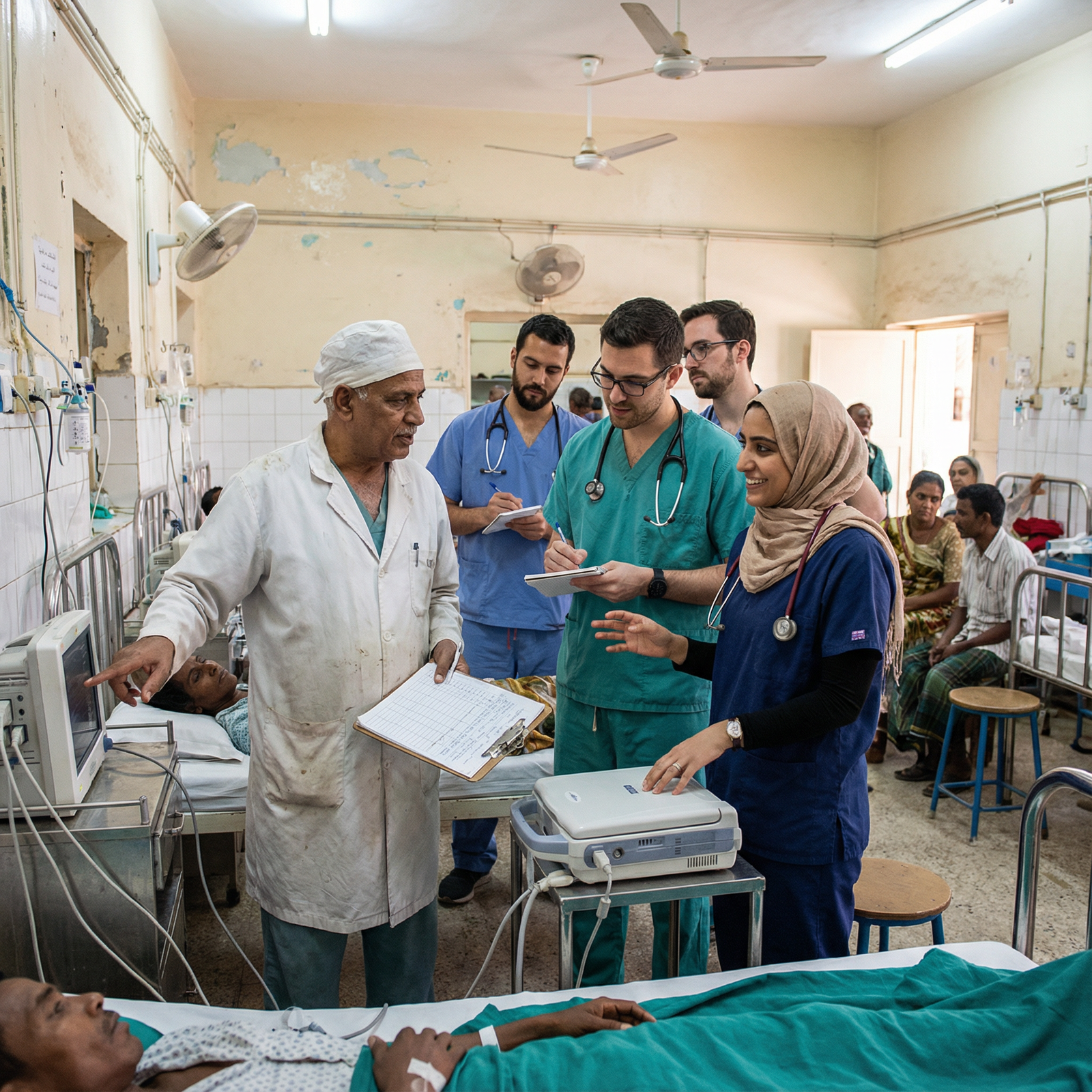
International Opportunities
Well-designed international experiences can deepen your perspective if they are:
- Ethically structured
- Supervised by experienced mentors
- Grounded in long-term partnerships with local institutions
Possibilities include:
- Short- or long-term placements through:
- Academic global health programs
- Non-governmental organizations (NGOs)
- Faith-based or community-based health organizations
- Global Health electives during residency or fellowship with:
- Defined learning objectives
- Clear roles and responsibilities
- Mutual benefit to host and visiting institutions
When considering an opportunity, assess:
- How local partners define the project and priorities.
- Whether there is a plan for sustainability after you leave.
- How your involvement will build (not replace) local capacity.
3. Specialty Training and Focused Skills
Depending on your interests, additional specialization can make your contributions more impactful.
Clinical Specialties Relevant to Global Health
Commonly intersecting fields include:
- Infectious diseases and HIV medicine
- Pediatrics and maternal–child health
- Emergency medicine and disaster response
- Surgery and anesthesia (Global Surgery)
- Psychiatry and Global Mental Health
- Family medicine and primary care
However, every specialty has Global Health implications. For example:
- Cardiology and NCD prevention
- Oncology and access to cancer care
- Dermatology and diseases of poverty or neglected tropical diseases
- Radiology and diagnostic access in low-resource settings
Fellowships and short courses may focus on:
- Field epidemiology
- Health systems management
- Humanitarian emergencies
- WASH (Water, Sanitation, and Hygiene)
- Climate change and health
Cross-Cutting Skills
Valuable competencies across Global Health roles include:
- Program design and evaluation
- Grant writing and fundraising
- Data analysis and health informatics
- Culturally sensitive communication and negotiation
- Leadership and team management in diverse settings
These skills enhance your ability to design, implement, and sustain impactful initiatives.
Real-World Examples: Local Work, Global Impact
Case Examples of Global Health Leadership
Dr. Paul Farmer and Partners In Health (PIH)
Dr. Farmer’s work began with clinical care and Community Outreach in rural Haiti. Over time, local programs in HIV and TB treatment became models for delivering complex care in low-resource settings. PIH’s approach—prioritizing social determinants, health system strengthening, and long-term partnerships—has influenced Global Health policy worldwide, demonstrating that high-quality care is possible even in resource-limited contexts.Nurses and Midwives Improving Maternal Health
In many countries, locally trained nurses and midwives have led efforts to reduce maternal and neonatal mortality. Their local innovations—such as simplified protocols for managing postpartum hemorrhage or community-based antenatal care groups—have been adapted and scaled across regions through Global Health networks and WHO guidelines.Residents Leading Policy Change at Home
Residents in internal medicine and pediatrics have successfully advocated for:- Hospital policies guaranteeing interpreter services
- Streamlined care for patients without insurance
- Screening and referral pathways for food insecurity and housing instability
These initiatives align with global priorities on universal health coverage and social determinants of health, illustrating how “local” policy work contributes to global best practices.
Collaborative Global Initiatives
Global Health is also about large-scale collaborations:
The Global Fund to Fight AIDS, Tuberculosis and Malaria
Combines international financing with country-led programs to expand access to diagnosis, treatment, and prevention. Healthcare professionals contribute by:- Conducting clinical trials
- Participating in guideline development
- Implementing and evaluating funded programs
Global Polio Eradication Initiative
Involves coordinated vaccination campaigns, surveillance, and communication strategies. Local health workers, data analysts, and community leaders all play key roles, contributing to a global public good: near-eradication of polio.
These programs depend on countless individuals whose careers may be based in local hospitals or clinics, yet whose contributions ripple globally.
Practical Steps to Start Expanding Your Global Health Impact Today
No matter where you are in your training or career, you can begin aligning your work with Global Health principles.
For Students and Trainees
- Join your institution’s Global Health interest group or start one.
- Seek mentors involved in Public Health, Community Outreach, or international collaborations.
- Integrate Global Health topics into required assignments or capstone projects.
- Apply for summer research or practicum experiences with a Global Health focus.
- Learn or improve skills in one additional language commonly used in health settings where you may work.
For Residents and Early-Career Professionals
- Incorporate Global Health–relevant quality improvement projects into your training.
- Participate in local Community Outreach that focuses on marginalized populations.
- Attend at least one Global Health or Public Health conference and present your work.
- Collaborate with interdisciplinary teams (social work, community organizations, legal aid) to address social determinants of health.
For Mid- and Late-Career Professionals
- Mentor students and residents interested in Global Health.
- Advocate for institutional support for Global Health programs, such as:
- Protected time for research or collaboration
- Bilateral partnerships with institutions in other countries
- Contribute to national or international guideline committees, working groups, or task forces.
- Consider part-time or consultancy roles with NGOs, multilateral organizations, or ministries of health.
FAQs: Building a Global Health–Focused Healthcare Career
1. How can I get involved in Global Health if I can’t travel internationally?
You can make substantial contributions without crossing borders:
- Work or volunteer in local clinics serving refugees, migrants, or underserved communities.
- Join advocacy campaigns for equitable healthcare, such as vaccine access or universal health coverage.
- Collaborate remotely on research, education, or capacity-building projects with international partners via virtual platforms.
- Contribute to open-source educational materials, clinical guidelines, or translations that can be used globally.
- Participate in online Global Health working groups, webinars, and conferences.
Your expertise and commitment are valuable even if your work is exclusively “local.”
2. What qualifications are most helpful for a Global Health career?
There is no single path, but common qualifications include:
- A clinical degree (MD, DO, RN, NP, PA, PT, OT, etc.) or public health degree (MPH, MS).
- Additional training in Global Health, Public Health, epidemiology, or health policy.
- Demonstrated experience in:
- Community-based projects
- Quality improvement in low-resource settings
- Research on health disparities or implementation science
- Skills in program management, monitoring and evaluation, and data analysis.
Equally important are soft skills: cultural humility, adaptability, ethical awareness, and the ability to collaborate with diverse teams.
3. Can I balance Global Health work with a full-time local clinical practice?
Yes. Many professionals integrate Global Health into their careers in flexible ways:
- Dedicating a portion of their time each year to:
- Short-term overseas projects in ongoing partnerships
- Remote mentorship, telemedicine, or virtual teaching
- Leading Global Health–related research or QI projects within their local hospitals.
- Working with professional societies on Global Health task forces or guideline development.
- Providing supervision or mentorship for trainees engaged in Global Health projects.
Intentional planning, clear boundaries, and strong partnerships help maintain balance and prevent burnout.
4. Is learning another language essential for Global Health work?
It is not mandatory, but it is highly beneficial:
- Improves patient trust and communication.
- Deepens your understanding of local cultures and contexts.
- Makes you more competitive for certain roles or sites.
You can still contribute significantly with interpreters and multilingual team members, but even basic proficiency in widely spoken languages (e.g., Spanish, French, Arabic, Swahili) can enhance your effectiveness.
5. What role does technology play in modern Global Health?
Technology is transforming Global Health in multiple ways:
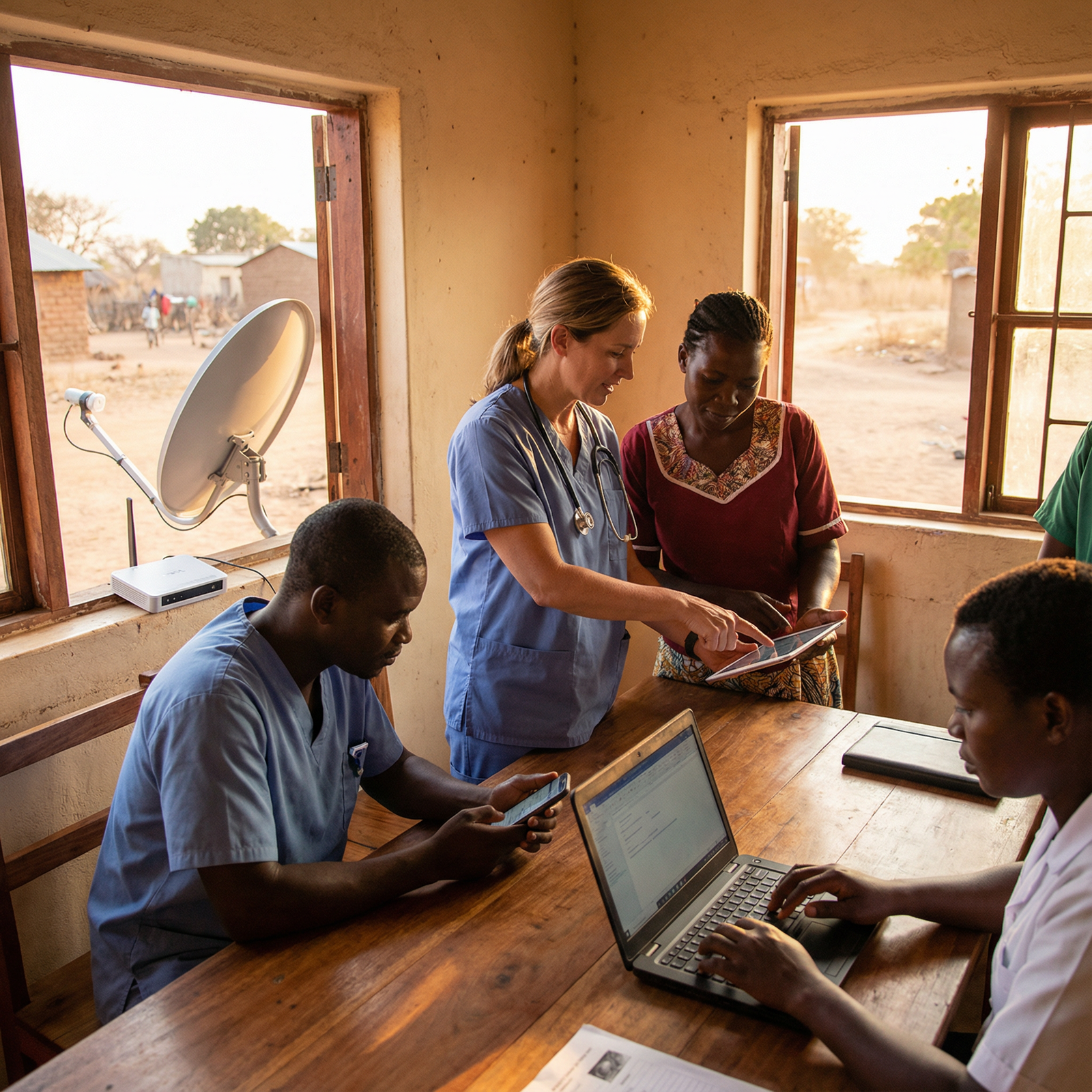
- Telemedicine and tele-education expand access to specialists and continuous medical education in remote areas.
- Mobile health (mHealth) apps support disease surveillance, adherence tracking, and health education.
- Electronic health records and data platforms enable large-scale research and more efficient program monitoring.
- AI and data science tools support outbreak prediction, resource allocation, and diagnostic decision support.
Healthcare professionals can engage by:
- Participating in digital health pilots or research.
- Co-designing tools that are user-friendly and context-appropriate.
- Advocating for equitable digital infrastructure and data governance.
By intentionally aligning your clinical practice, research, teaching, and advocacy with Global Health principles, you can transform a local healthcare career into a powerful vehicle for worldwide impact. The most meaningful and sustainable contributions often begin exactly where you are—caring for one patient, improving one clinic, or amplifying one community’s voice—and then scaling those lessons to shape a healthier, more just world for all.