Why Passion Drives Successful Careers in Global Health
Introduction: Passion at the Heart of Global Health and Health Equity
In an era marked by pandemics, forced migration, climate-related disasters, and widening health disparities, the demand for committed professionals in global health has never been greater. Whether you are a medical student, resident, or early-career clinician, you are entering a world where your choices can shape health systems, influence policy, and transform the lives of entire communities.
What separates those who build meaningful, sustainable careers in global health from those who burn out or drift away? Beyond academic achievement, technical expertise, or prestigious degrees, one factor consistently stands out: passion.
Passion for global health and health equity:
- Sustains long hours under difficult conditions
- Fuels innovation when conventional solutions fail
- Drives advocacy on behalf of marginalized populations
- Anchors ethical decision-making when resources are limited
This article explores why passion is such a powerful driver of career success in global health, how it shapes your growth as a clinician and leader, and concrete steps you can take to cultivate and channel that passion into a purposeful, sustainable career.
Understanding Global Health: Beyond Borders and Disciplines
Before exploring the role of passion, it is critical to clarify what we mean by global health—and what it is not.
What Is Global Health?
Global health focuses on health issues that transcend national boundaries and require cooperative, cross-sector solutions. It is not limited to work “overseas”; instead, it emphasizes:
- Shared health challenges (e.g., pandemics, antimicrobial resistance, noncommunicable diseases)
- Interconnected systems (trade, migration, climate change, digital technology)
- Structural determinants of health (poverty, racism, gender inequity, conflict, governance)
- Commitment to health equity (reducing unfair and preventable differences in health outcomes)
Common areas within global health include:
- Infectious disease control (HIV, TB, malaria, emerging pathogens)
- Maternal, newborn, and child health
- Noncommunicable diseases and mental health
- Humanitarian response and disaster medicine
- Health systems strengthening and primary care
- Climate change and planetary health
- Digital health and data innovation
- Policy, financing, and governance
Globalization and Interdependence
The COVID-19 pandemic made one reality unmistakably clear: what happens in one part of the world does not stay there. Viruses cross borders; so do supply chains, misinformation, and political decisions. A physician in New York, Nairobi, or New Delhi is now part of a shared ecosystem of risk and responsibility.
For medical trainees and residents, this means:
- Clinical work is linked to national and global policy decisions
- Local health inequities (e.g., in refugee communities or under-resourced rural hospitals) are global health issues
- Cultural humility and cross-cultural communication are essential competencies, not “extras”
Core Competencies in Global Health
Effective global health professionals typically blend:
- Clinical expertise appropriate to their setting
- Public health and epidemiology skills
- Cultural competence and humility
- Ethical reasoning and human rights frameworks
- Program design, implementation, and evaluation skills
- Advocacy and communication abilities
Passion does not replace these competencies—but it determines how deeply you pursue them, how you apply them under pressure, and how long you stay engaged in the work.
How Passion Drives Success in Global Health Careers
Passion in global health is not just emotional enthusiasm; it is a sustained commitment rooted in values like justice, solidarity, and respect for human dignity. That commitment shapes multiple dimensions of career success.
1. Passion Fuels Intrinsic Motivation and Long-Term Commitment
Intrinsic motivation—the internal drive to work on something because it matters to you—is central to staying in global health for the long haul.
Passionate global health professionals are not primarily motivated by prestige, salary, or titles. Instead, they are driven by:
- A desire to reduce suffering and inequity
- A sense of solidarity with marginalized communities
- Curiosity about complex systems and cross-cultural collaboration
- Commitment to justice and human rights
This intrinsic motivation matters because global health work is often:
- Slow (policy change and health systems reforms take years)
- Frustrating (bureaucracy, unstable funding, shifting priorities)
- Emotionally taxing (exposure to trauma, loss, moral distress)
Yet, those who remain engaged despite these challenges often report a deep sense of purpose and meaning—key components of sustainable career satisfaction.
Example: Dr. Paul Farmer’s Legacy
Dr. Paul Farmer, co-founder of Partners In Health, exemplified how passion for health equity can reshape global health practice. His belief that “the idea that some lives matter less is the root of all that is wrong with the world” fueled:
- Innovative models of community-based care in Haiti, Rwanda, and beyond
- Long-term partnerships with ministries of health
- A generation of learners inspired to link clinical excellence with social justice
His impact was not the result of intelligence alone; it was the product of persistent, values-driven motivation over decades.
2. Passion Sparks Innovation and Creative Problem-Solving
Global health challenges are inherently complex. They are shaped by politics, culture, economics, and environment—not just biology. Passionate professionals are often more willing to:
- Question the status quo
- Build interdisciplinary teams
- Experiment with novel technologies or delivery models
- Integrate community knowledge and lived experience into solutions
This openness drives innovation.
Innovation in Action: mHealth and Digital Solutions
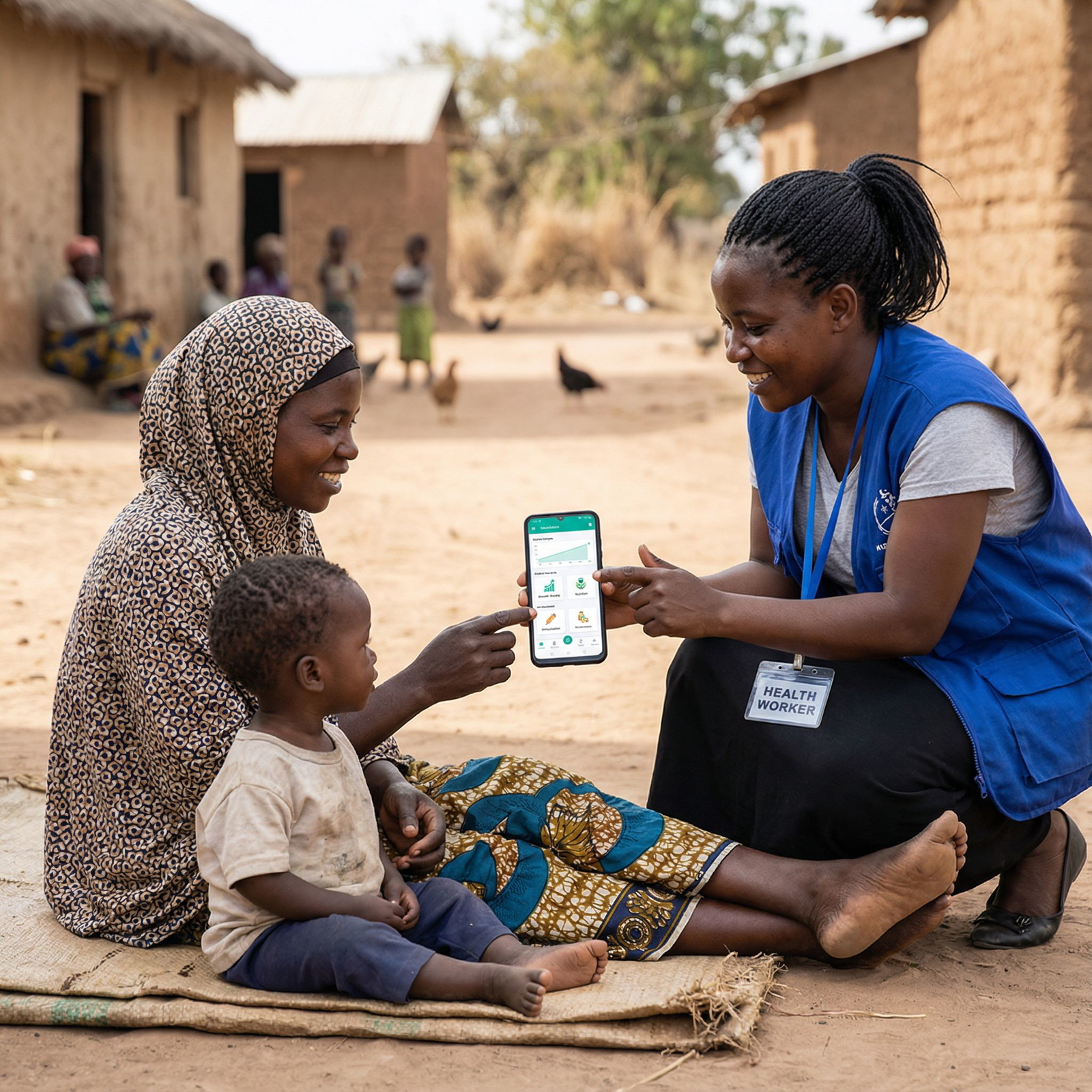
The rise of mobile technologies has transformed how we approach global health. Passionate teams have:
- Created SMS reminders to improve medication adherence in HIV and TB
- Built apps that allow community health workers to triage and refer patients
- Developed telehealth platforms connecting remote clinics to specialists
These advances were not solely technological; they stemmed from passionate individuals asking, “How can we meaningfully improve access and equity with the tools we have?”
For residents and trainees, passion for innovation can lead to:
- Designing QI (quality improvement) projects that address system gaps
- Piloting telemedicine for rural populations or refugee clinics
- Creating culturally adapted mental health interventions
- Using data science to identify inequities in hospital outcomes
3. Passion Drives Advocacy and Systems-Level Change
Global health is as much about systems, structures, and power as it is about individual patients. Passion is often what transforms clinicians into advocates and leaders.
Passionate global health professionals:
- Speak up about inequities in access, funding, and policy
- Partner with civil society, communities, and policymakers
- Use research and data to push for more just resource allocation
- Challenge harmful narratives that stigmatize vulnerable groups
Example: Dr. Gro Harlem Brundtland and Global Health Advocacy
As former WHO Director-General and a strong voice for sustainable development, Dr. Gro Harlem Brundtland helped bring health, equity, and environmental sustainability into the same policy conversation. Her passion for both planetary and human health:
- Elevated climate change as a public health emergency
- Influenced global agreements and cross-sector collaboration
- Showed how committed leaders can reshape priorities at the highest levels
For trainees, advocacy may start more locally:
- Presenting disparities data to hospital leadership
- Joining or forming institutional global health or health equity committees
- Writing op-eds, blog posts, or policy briefs on issues like migrant health, mental health access, or climate impacts on patients
- Collaborating with patient and community groups to co-create solutions
Over time, these roles can evolve into impactful careers in policy, leadership, and global health diplomacy.
4. Passion Sustains Resilience in Difficult and Uncertain Contexts
Global health work often unfolds in environments marked by instability:
- Fragile political contexts or active conflict zones
- Under-resourced health systems with frequent stockouts
- Natural disasters or climate-induced emergencies
- Heavy clinical loads with limited specialist support
In these settings, burnout, moral injury, and disillusionment are real risks. Passion—grounded in clear values and community connection—helps professionals:
- Reframe challenges as part of long-term struggle for equity
- Maintain empathy and ethical standards under pressure
- Continue learning and adapting rather than withdrawing
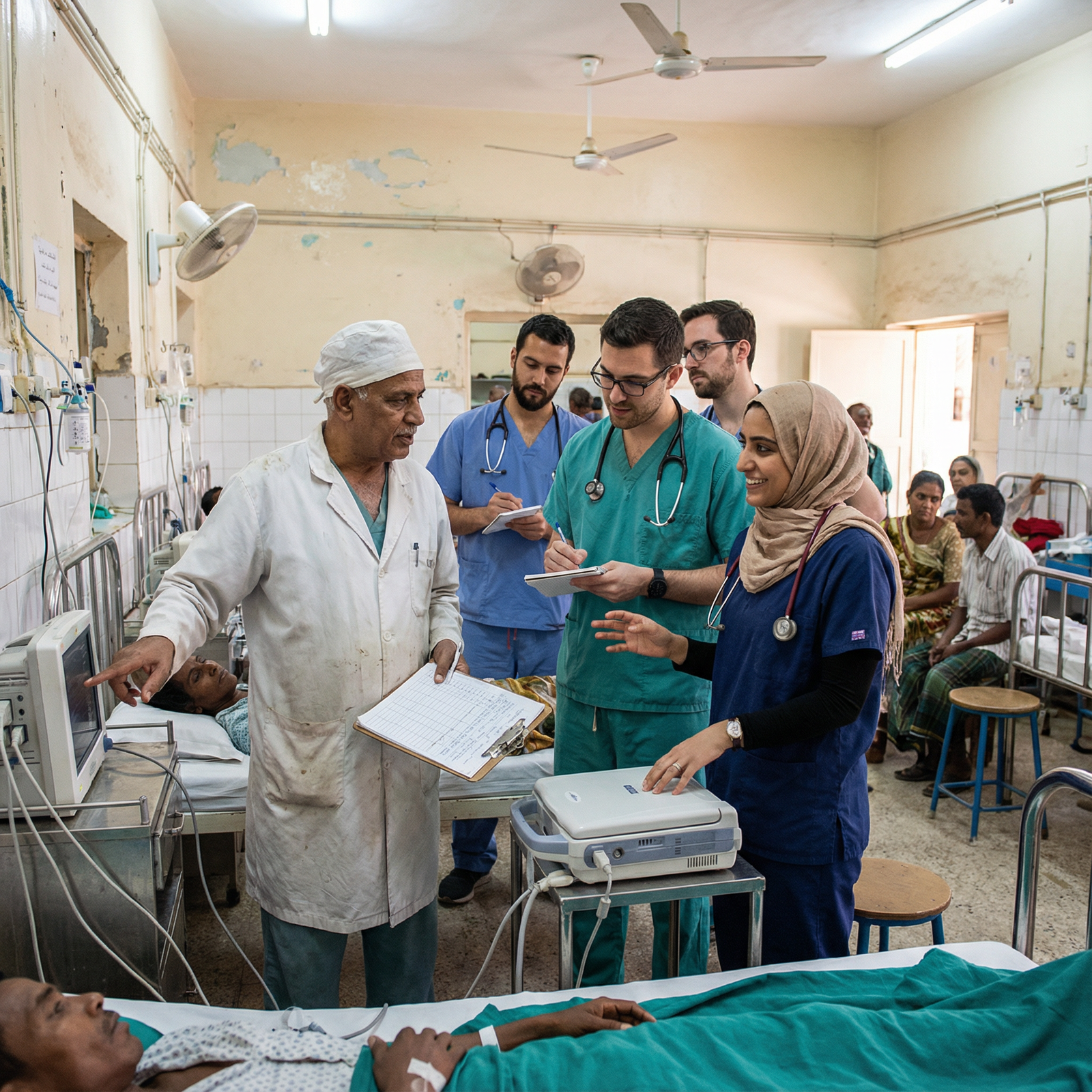
Professionals working in Syria, Yemen, South Sudan, or in refugee camps across the world often endure threats to their own safety, frequent loss, and logistical chaos. Many remain, not because they underestimate the risks, but because their conviction about the importance of their work is profound.
For residents and students, resilience may be tested through:
- Rotations in under-resourced safety-net hospitals
- Witnessing preventable suffering due to lack of insurance or social support
- Confronting racism, sexism, or other forms of discrimination within health systems
When grounded in passion and purpose, these experiences can deepen your commitment to health equity rather than push you away from it.
5. Passion Deepens Community Engagement and Ethical Partnership
Global health has evolved from short-term, externally driven projects toward models emphasizing partnership, co-creation, and empowerment. Passionate professionals are more likely to:
- Invest time in learning local languages and cultural norms
- Build long-term, bidirectional relationships with community leaders
- Recognize and challenge power imbalances in partnerships
- Treat community members as experts in their own context
Effective, ethical global health is not about “saving” others—it is about standing in solidarity and working with communities to achieve shared goals.
Example: Community-Led Approaches
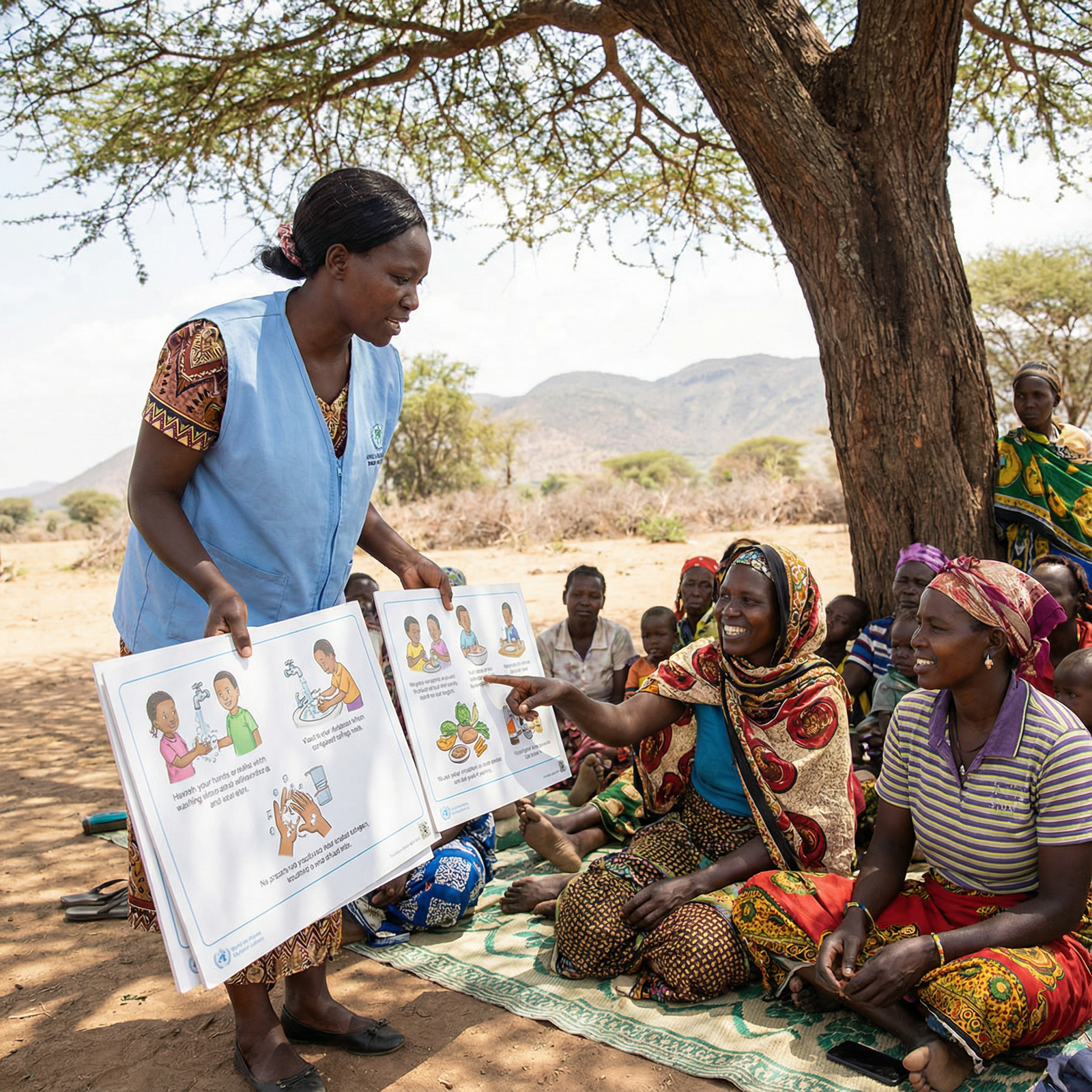
Initiatives like those supported by the Global Fund to Fight AIDS, Tuberculosis and Malaria often rely on community health workers, peer navigators, and local NGOs. Passionate local leaders:
- Design outreach strategies that resonate culturally
- Address stigma directly and sensitively
- Hold global partners accountable to local priorities
For trainees, passion for respectful partnership means:
- Listening more than you speak during international electives
- Asking what local teams need rather than what project you want to do
- Ensuring your research or QI projects have local co-authors and shared ownership
- Reflecting critically on the ethics of “voluntourism” and short-term missions
Building a Passion-Driven Career in Global Health: A Roadmap for Trainees and Residents
Passion alone is not enough; it must be cultivated, focused, and connected to practical skills and opportunities. For medical students, residents, and early-career clinicians, there are deliberate steps you can take to build a meaningful path in global health and health equity.
1. Identify and Refine Your Areas of Passion
“Global health” is a vast field. Clarifying what truly energizes you will guide your training, projects, and mentorship choices.
Ask yourself:
- Which patient stories stay with me the longest—and why?
- Do I feel most drawn to direct clinical care, systems improvement, policy, research, or education?
- Am I particularly motivated by issues like refugee health, maternal mortality, mental health, HIV, climate change, or surgical care?
- Do I see myself working primarily in low- and middle-income countries, or addressing global health issues in my own country (e.g., migrant health, Indigenous health, urban poverty)?
Practical steps:
- Keep a reflection journal during clinical rotations and electives
- Attend global health or health equity seminars and note what topics resonate
- Explore literature, podcasts, and documentaries about specific global health challenges
- Seek informational interviews with professionals working in areas you find compelling
Over time, your passion will likely evolve, but early clarity helps you build relevant skills more efficiently.
2. Gain Relevant, Ethical, and Progressive Experience
Experience in global health should be intentional, mutually beneficial, and ethically grounded.
Options include:
- Local opportunities with global relevance
- Work with clinics serving immigrants, refugees, Indigenous communities, or homeless populations
- Join hospital or community projects addressing language access, digital divides, or social determinants of health
- Structured global health electives or rotations
- Look for programs with long-term, equitable partnerships (not one-off trips)
- Prioritize settings where you will be supervised appropriately and not working beyond your competence
- Research and implementation projects
- Join faculty-led research on topics like maternal health, mental health, epidemiology, or implementation science
- Focus on projects with local co-PIs and clear plans for knowledge sharing and local benefit
- Humanitarian and NGO engagement
- Consider organizations such as Médecins Sans Frontières, Partners In Health, International Rescue Committee, or local NGOs
- As a trainee, you might start with research support, remote analysis, or advocacy, then transition to field work with appropriate preparation
Throughout, ask: “Who benefits from this experience?” Strive for arrangements where both you and the host community gain.
3. Build a Network and Find Mentors in Global Health
You will rarely find your way in global health alone. Mentorship and professional networks are crucial.
Practical networking strategies:
- Join your institution’s global health or health equity track, if available
- Attend global health conferences (e.g., Consortium of Universities for Global Health) and regional meetings
- Connect with global health interest groups in your specialty (e.g., global surgery, global psychiatry)
- Reach out to faculty doing work you admire and request short meetings to learn about their path
When seeking mentors, consider:
- Having multiple mentors for different roles (e.g., research, career planning, personal support)
- Asking about their mistakes and what they would do differently
- Looking for mentors who value ethical partnership and humility, not just high-profile publications
These relationships can lead to collaborative projects, letters of recommendation, fellowship opportunities, and long-term guidance.
4. Pursue Education and Lifelong Learning in Global Health
Formal training can deepen your understanding, expand your toolbox, and strengthen your career trajectory.
Common educational pathways:
- Certificates or tracks in global health during medical school or residency
- Master of Public Health (MPH) with a global health or epidemiology focus
- Master’s degrees in global health, health policy, or humanitarian medicine
- Short courses on topics like implementation science, outbreak response, or ethics
Institutions such as Johns Hopkins, Harvard, London School of Hygiene & Tropical Medicine, and George Washington University—and many others worldwide—offer specialized programs.
Even without formal degrees, continuous learning is essential:
- Follow leading global health journals and reports (e.g., Lancet Global Health, WHO, World Bank)
- Enroll in online courses (Coursera, edX) on global health, health equity, climate and health, or health systems
- Keep up with evolving ethical frameworks and guidelines for global health engagement
5. Integrate Advocacy and Leadership into Your Career from the Start
Advocacy is not a “later in my career” activity; it can begin during training in ways that are appropriate and impactful.
Concrete advocacy actions:
- Present disparities or outcomes data from your clinical setting to quality committees
- Join or organize institutional efforts on language access, equity in care, or climate-smart healthcare
- Contribute to policy briefs, opinion pieces, or social media campaigns on health equity issues
- Engage with professional societies’ global health or advocacy committees
Leadership can also be local:
- Co-lead a global health interest group at your medical school or residency program
- Help develop curricula on cultural humility and health equity
- Mentor more junior trainees interested in global health
Over time, these experiences can build toward roles in hospital leadership, national policy, or international organizations—while keeping your passion anchored to real-world impact.

FAQ: Building a Passionate and Sustainable Career in Global Health
1. What skills are essential for a successful career in global health?
Key skills include:
- Clinical competence in your specialty
- Public health and epidemiology (understanding populations, data, and interventions)
- Cultural competence and humility (listening, learning, and adapting across cultures)
- Communication and advocacy (speaking with policymakers, communities, media)
- Project management and leadership (planning, budgeting, supervising teams)
- Research and evaluation (designing and interpreting studies, implementation science)
Just as important are personal qualities like resilience, adaptability, and a strong ethical compass.
2. How can I gain experience in global health without a medical degree?
Global health is multidisciplinary. You can contribute meaningfully from backgrounds such as public health, nursing, social work, data science, engineering, law, or economics. Consider:
- Volunteering or interning with NGOs focused on health, human rights, or humanitarian response
- Working on health policy analysis, program evaluation, or health economics
- Joining research teams that include community outreach and data analysis
- Supporting digital health or mHealth initiatives with technical skills
No matter your training, grounding yourself in principles of health equity, ethics, and community partnership is essential.
3. What are common career paths in global health?
Global health careers span multiple sectors:
- Clinical roles: global health-focused physicians, nurses, midwives, mental health professionals
- Public health and research: epidemiologists, implementation scientists, health systems researchers
- Policy and governance: health policy advisors, diplomats, WHO or ministry of health staff
- Program management and NGO leadership: program directors, country coordinators, technical advisors
- Academic and educational roles: faculty in global health centers, educators developing curricula
- Innovation and technology: digital health entrepreneurs, data scientists, implementation specialists
Many professionals blend roles over time—for example, combining clinical practice with research and advocacy.
4. How does passion practically affect success in global health?
Passion shapes success by:
- Sustaining your motivation through long, challenging projects
- Encouraging innovation when standard approaches fail
- Driving you to advocate for populations with limited power or voice
- Enhancing your resilience in the face of resource limitations and setbacks
- Deepening your relationships with communities and partners, which is essential for ethical, impactful work
Passion alone is not enough—skills, mentorship, and ethical reflection are also critical—but without passion, it is difficult to stay engaged at the depth and duration global health often requires.
5. How can I prevent burnout while pursuing a passionate career in global health?
To sustain your passion:
- Set realistic expectations about timelines and impact
- Build strong peer and mentor support networks
- Reflect regularly on your values and boundaries
- Prioritize rest, mental health, and time away from crisis settings when needed
- Diversify your work (e.g., blend clinical care with teaching, research, or policy)
- Celebrate small wins and recognize the dignity and strength of the communities you serve
A sustainable career in global health is a marathon, not a sprint—anchored in passion, guided by ethics, and supported by community.
By cultivating and channeling your passion thoughtfully, you can build a global health career that is not only successful on paper, but deeply meaningful—advancing health equity, driving innovation, and shaping a more just and healthier world.