
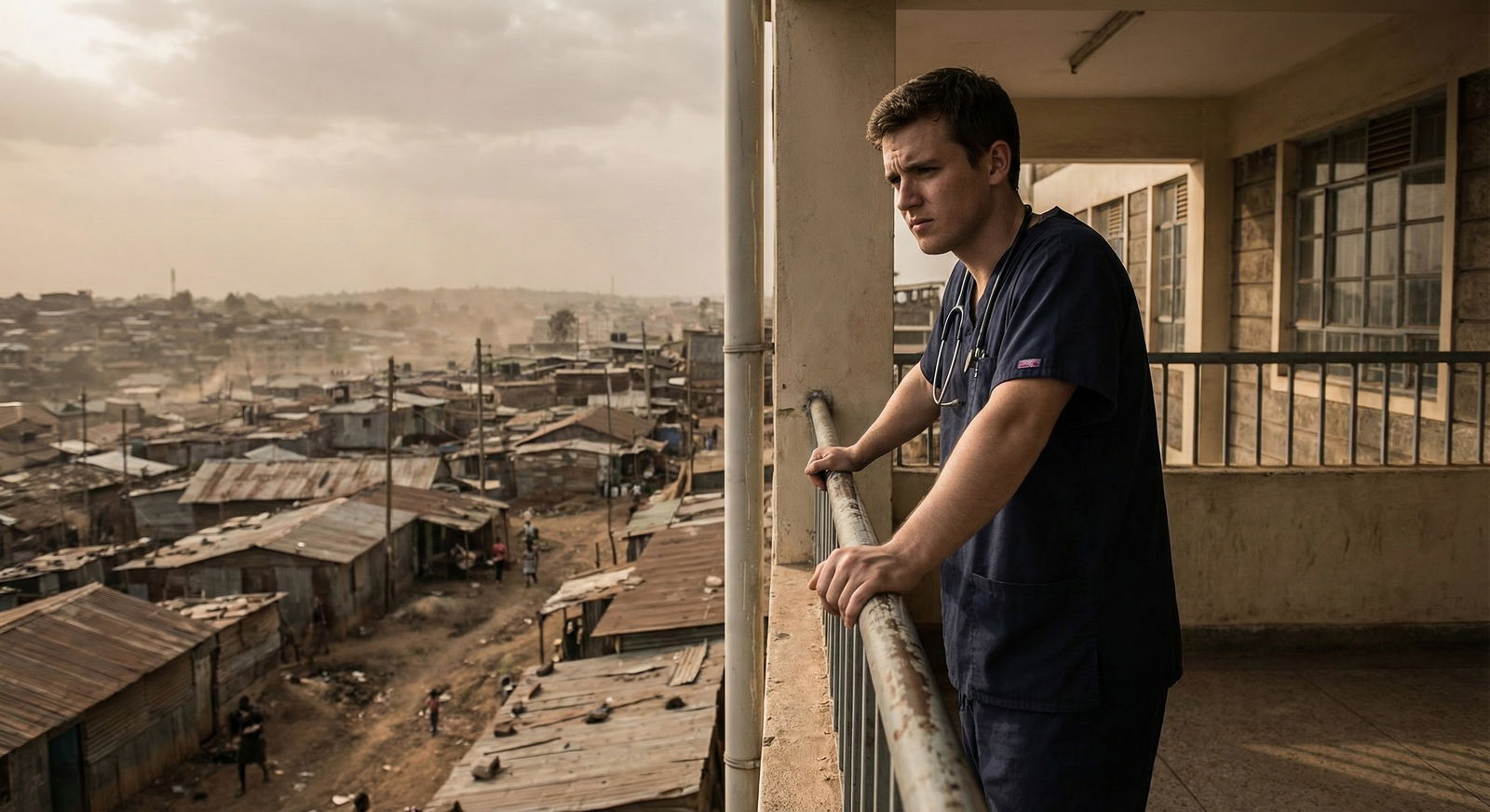
You’re Here
You’re staring at that global health elective brochure or fellowship page. There’s a smiling group of residents in scrubs, standing in front of a rural clinic somewhere far away. And instead of feeling inspired, your brain jumps straight to:
“What if I get kidnapped on the way from the airport? What if the hospital is targeted? What if they say it’s safe but it’s actually not and I’m too junior to know the difference?”
You google the country. Up pops a State Department warning, some sketchy travel blog, a Reddit thread with people arguing about whether it’s “actually fine” or “absolutely insane.” Your school calls it a “low‑resource setting.” Your brain translates: “potentially unstable, maybe dangerous, good luck.”
Everyone else seems… weirdly chill. They’re talking about “broadening horizons” and “cultural humility.” You’re thinking about exit routes, power outages, political coups, and whether your family will ever forgive you if something happens.
You’re not overreacting. You’re just the one actually picturing what could go wrong.
Let me walk through how physicians who do this regularly really manage security risks. Not the glossy version they put on brochures. The actual back‑of‑your-mind, “are we sure this is okay?” stuff.
The Ugly Truth: Safety Abroad Is Managed, Not Guaranteed
Here’s the uncomfortable baseline: no one can promise you 100% safety. Not at home, not abroad, not walking from the parking garage to the hospital at night. But in global health, the risk profile is different, and pretending otherwise is stupid.
Experienced global health physicians aren’t fearless. They’re calculating.
They go through a constant, low‑level risk calculus that looks something like:
- How stable is the region this month (not last year)?
- Is there targeted violence against foreigners or health workers?
- What’s the crime pattern: pickpocketing vs carjacking vs kidnappings?
- Who is actually responsible for my safety on the ground?
- Do I have real options to leave if things go sideways?
The big myth? That “the program will take care of it.” Sometimes they do. Sometimes they’re… optimistic. Or outdated. Or more focused on educational value than your anxiety level.
People who do this long‑term divide locations into “acceptable risk with mitigation” vs “nope.” It’s not heroic to ignore red flags. It’s just reckless.
What Real Risk Management Looks Like (Not the Brochure Version)

| Step | Description |
|---|---|
| Step 1 | Choose Country |
| Step 2 | Check Official Advisories |
| Step 3 | Talk to Program Lead |
| Step 4 | Proceed to Local Details |
| Step 5 | Do Not Go |
| Step 6 | Housing and Transport Plan |
| Step 7 | Emergency Contacts Ready |
| Step 8 | Decide Go or No Go |
| Step 9 | High Risk? |
| Step 10 | Clear Plan? |
When you see people who seem very relaxed about going abroad, it’s usually because they’ve done the paranoid thinking ahead of time. They know the answers to questions you’re just starting to ask.
Here’s what they actually do behind the scenes:
They check multiple advisory sources. Not just the U.S. State Department page, but also UK, Canada, maybe WHO, plus local NGO updates. If the State Department says Level 3 or 4 (“Reconsider travel” / “Do not travel”), serious programs pause, scale back, or cancel. I’ve seen electives pulled 48 hours before departure because of a sudden protest wave or election unrest. Annoying, but that’s what responsible looks like.
They lean on people who actually live there. Not just the visiting professor who comes once a year and says, “Oh, it’s fine.” They talk to in‑country partners: local physicians, clinic directors, NGO staff. They’ll ask very concrete questions like, “Would you send your medical students to stay in this neighborhood right now?” and “How has the security situation changed in the last 6 months?”
They get specific about where you’ll physically be. Not “in [Country].” Exactly where. Which city. Which neighborhood. How far from the clinic. Who drives you. Is it a marked hospital vehicle, a private taxi, a rideshare? Is it safe after dark or not? Do you ever move around alone?
They plan around predictably bad times. Elections. Religious holidays that sometimes come with tensions. Known protest seasons. If a country has a pattern of unrest every election cycle, people who’ve been around long enough simply don’t schedule electives then. Or they cut the trip shorter and move you out well before things peak.
They draw hard red lines. I’ve seen programs say flat‑out: no work near border regions, no overland night travel, no student presence during mass demonstrations, no travel without telling the local coordinator. People who stay safe tend to be somewhat boring. They skip the “adventure” parts that end up in the news.
So if you’re anxious and everyone else is nonchalant, it doesn’t necessarily mean they’re braver. Sometimes it means they haven’t thought everything through yet.
The Part No One Likes to Say Out Loud: You Can Say No
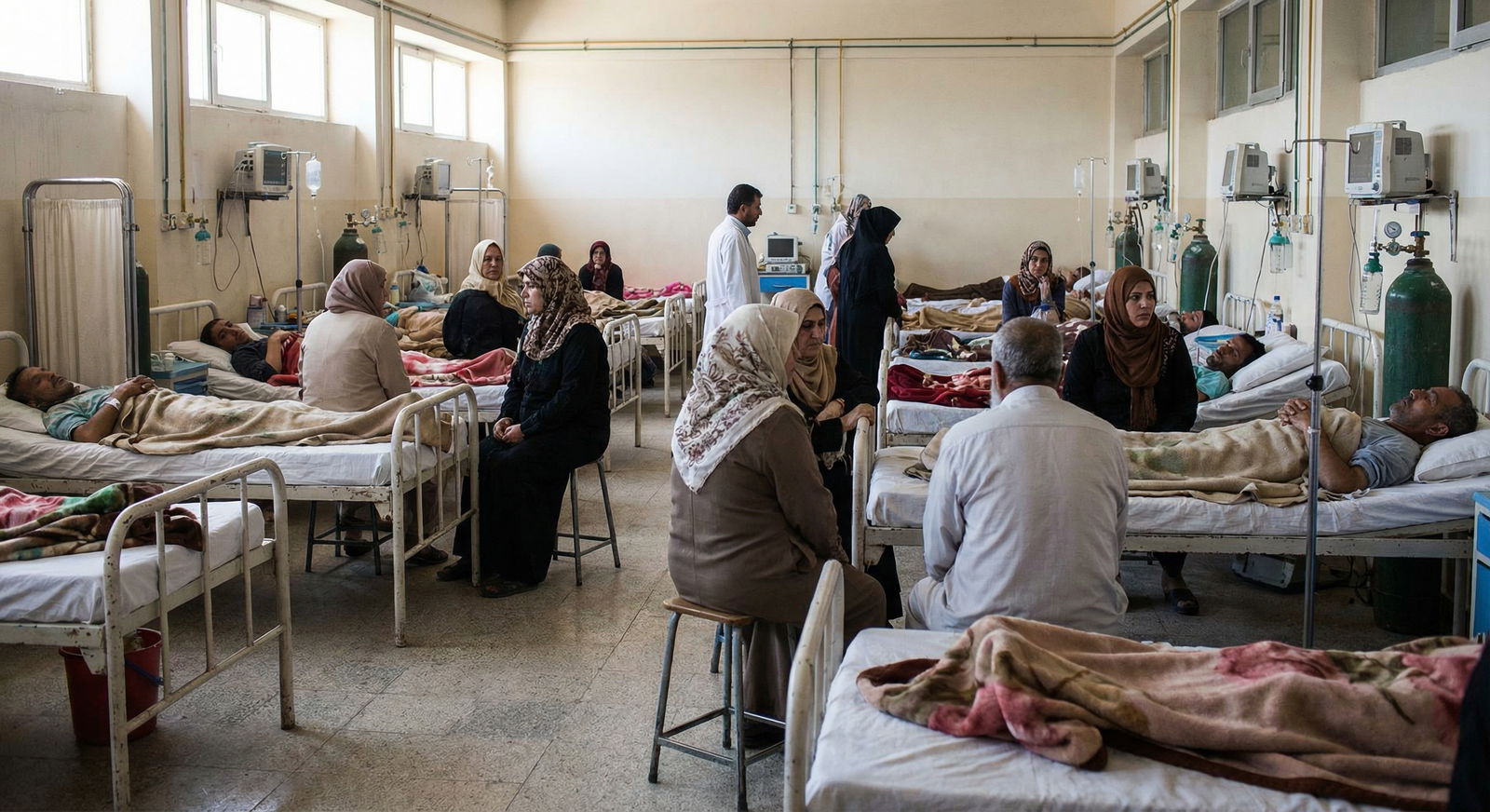
You are allowed to decide: “This doesn’t feel safe enough for me.” And you’re not weak or dramatic for that.
Global health people sometimes get very romantic about “serving in challenging environments.” And that’s great, when it’s thoughtful. But there’s a line where it slips into subtle pressure: “Well, there’s always some risk, and the people there live with this every day, so…”
Yes. They do. They also often don’t have an option to leave. You do.
Here’s the blunt reality: faculty who’ve been doing this for years might be comfortable with a level of risk you are not ready for as a student. They have more experience, more language skills, better local networks, and more authority to say “no” if something feels wrong on the ground.
You’re not obligated to match their threshold.
Red flags that you’re being pushed into an unsafe situation:
- Your questions about safety get vague answers like, “We’ve never had a problem.”
- No one can clearly articulate what happens if the political situation worsens while you’re there.
- Housing is “still being worked out” close to departure.
- People dismiss your concern with “it’ll be fine” instead of specifics.
If you’re already lying awake gaming out hostage scenarios, that’s your brain asking for a clearer plan. Or an exit.
What Physicians Actually Do Day to Day to Stay Safe
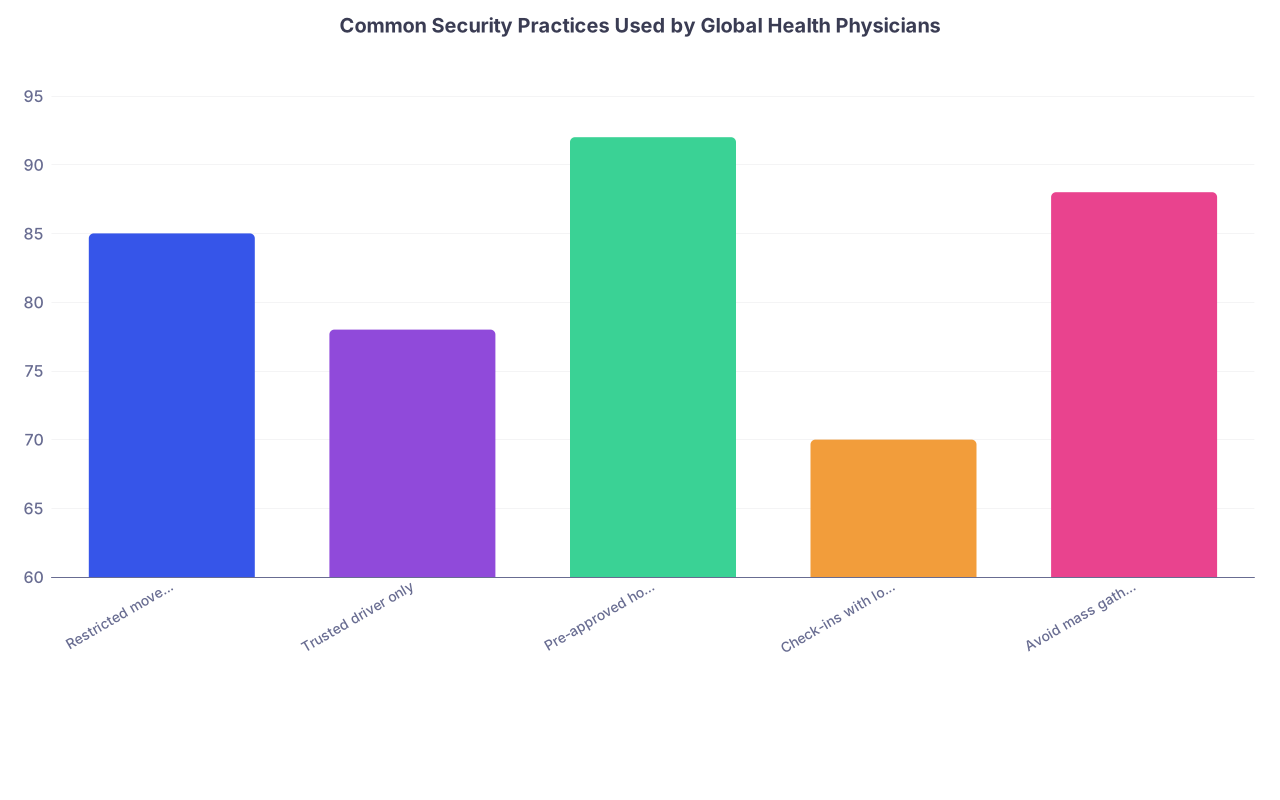
Let’s get concrete. What does it look like on the ground when someone is taking safety seriously, not just hoping for the best?
| Category | Value |
|---|---|
| Restricted movement after dark | 85 |
| Trusted driver only | 78 |
| Pre-approved housing | 92 |
| Check-ins with local contact | 70 |
| Avoid mass gatherings | 88 |
They drastically simplify their movement. Going from airport → guesthouse → clinic → guesthouse. Maybe one or two vetted restaurants. That’s it. No solo exploring at night, no “this alleyway shortcut looks faster,” no random bars. People who’ve done this a long time still get warned by locals: “Don’t walk here after dark. Don’t take that road now.” They listen.
They elevate boredom over risk. A quiet evening in your room, reading or working on notes, is far safer than trying to “see the city” by wandering. Everyone back home imagines your trip as this wild adventure. In reality, the safest physicians have pretty monotonous routines: clinic, debrief, dinner, sleep.
They stay hyper‑aware of where their ID, phone, and cash are. Petty theft is way more common than movie‑style violence. Wallet in a front pocket, cross‑body bag, no flashy electronics, photocopies of passport. If they get robbed, the goal is to hand over the stuff and walk away unhurt. They’re not trying to be heroes over a smartphone.
They trust local instincts over their own. If a local colleague says, “We should leave now,” they leave. Even if they don’t feel unsafe yet. You’ll see experienced folks defer quickly: “If you think it’s not a good day to go to that site, we won’t.” That humility keeps people alive.
They have layered communication. Local phone with a bit of data. Offline maps downloaded. At least two people know exactly where they’re staying and when they’re expected back. They set check‑in routines with someone on site and often someone back home. If they miss a check‑in, people notice fast.
They keep a go‑bag mentally packed. Not a full-on doomsday bag, but they know: if we have to leave quickly, what do I grab? Passport, money, meds, one outfit, phone, charger. That’s it. This isn’t paranoia; it’s just removing one more decision in a worst‑case scenario.
And no, most days are not dramatic. Most days it’s just hot, crowded, and emotionally heavy, not physically dangerous. But the people who don’t get into trouble are the ones quietly doing all of this in the background.
When Things Actually Go Wrong (And How People Respond)
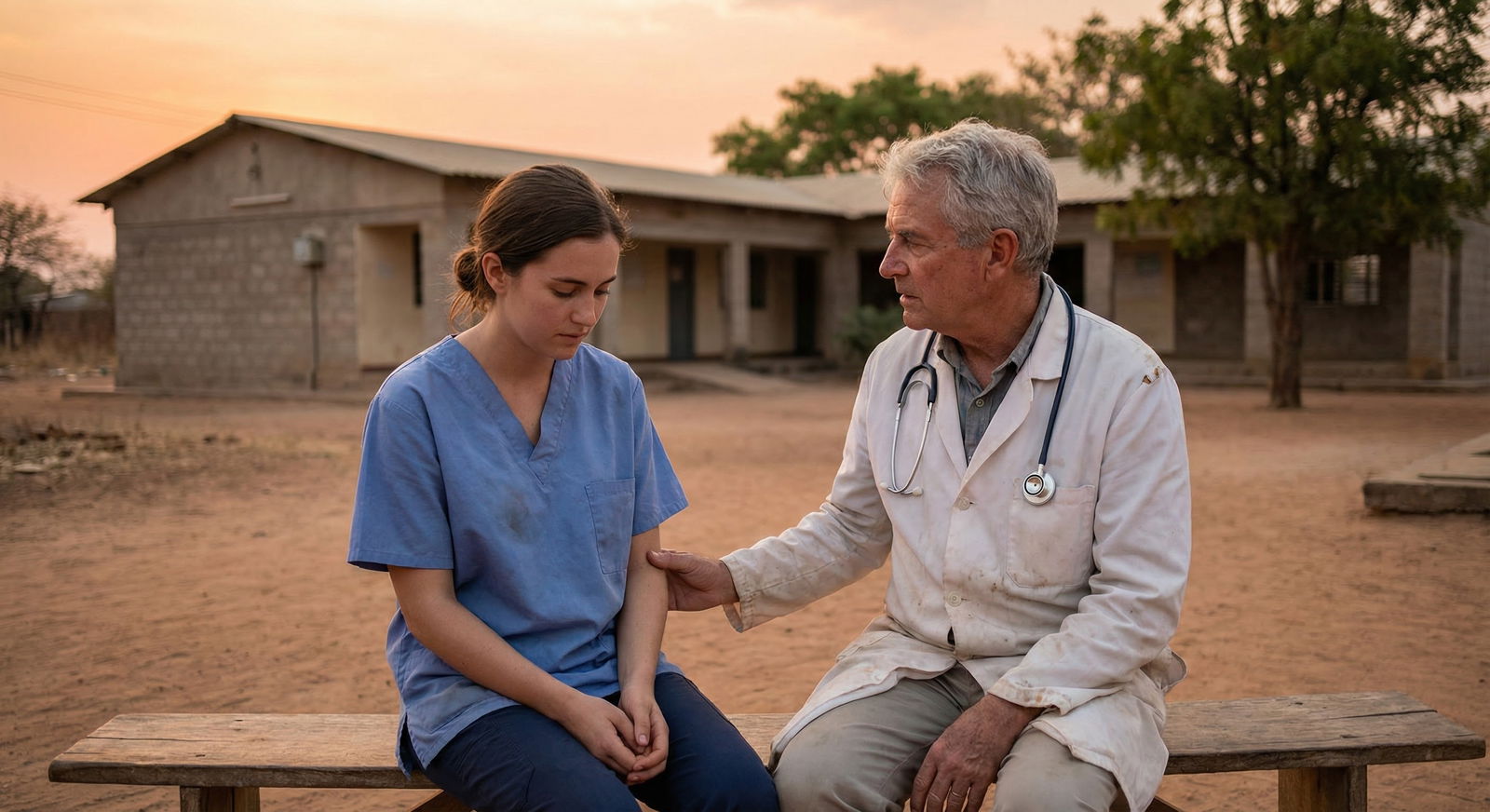
I wish I could tell you nothing ever happens. That would be a lie.
I’ve seen:
- Teams evacuated early because protests spread and roads were blocked.
- Overnight curfews declared suddenly, forcing everyone to stay put.
- A hospital locked down because of nearby gang violence.
- Road travel cancelled last minute due to credible kidnapping risks on that route.
- People stuck at airports for 24+ hours when a security threat shut everything down.
What usually doesn’t happen? The dramatic kidnapping/hostage situation you’re probably replaying in your brain at 2 a.m. Those are extremely rare, and when risk is that high, good programs simply don’t go.
When moderate bad things happen, here’s what the response tends to look like:
They shrink your radius. No more outreach sites, no external clinics. Just the main hospital and your housing, or maybe just housing if needed. Less movement = less risk.
They shorten or suspend the rotation. You might come home early. Is that disappointing? Yes. Is it the correct call? Also yes. I’ve seen students furious in the moment, and then completely relieved two weeks later when the situation worsened after they left.
They layer in escorts or secure transport. Local partners sometimes arrange drivers they trust personally. You may feel slightly coddled. That’s fine. Better coddled than stuck in a sketchy situation.
They go into “buddy system on steroids” mode. No one goes anywhere alone. Bathroom? You tell someone. Quick walk for snacks? You’re with another person. You do not just disappear for a few hours “to clear your head.”
They keep you out of decisions you shouldn’t have to make. Good leaders don’t make a stressed‑out student vote on whether to evacuate. They gather information from local partners, they check guidance from their institution, and they call it.
Your job in a crisis isn’t to be brave. It’s to be available, honest about your comfort level, and willing to follow instructions fast.
You, Ethical Worries, and the “Is This Worth It?” Question
The ethics layer makes the anxiety worse, right? It’s not just “am I safe?” It’s “is it morally okay to go somewhere that might be dangerous for me when locals deal with this constantly and can’t leave?”
Here’s the hard but honest answer: you going or not going doesn’t change the underlying injustice. It changes your personal risk and your role.
Ethical global health work tries to thread a needle:
- Don’t treat local populations as your “training ground” or your adventure.
- Don’t charge in during active crises without skills that are truly needed.
- Don’t become a burden or a liability that local staff have to protect.
So if your anxiety is sky high and you know you might freeze or crumble in a tense situation? That matters. You’re not just putting yourself at risk. You’re potentially adding stress to a team that already has too much.
You don’t have to prove your commitment to underserved communities by tolerating a level of physical risk that feels wrong to you. You can contribute meaningfully through domestic safety‑net settings, refugee health at home, telehealth projects, research collaborations, policy work. None of that is “less real.”
Choosing a safer path isn’t cowardice. It’s alignment.
What You Should Actually Do Before You Say Yes
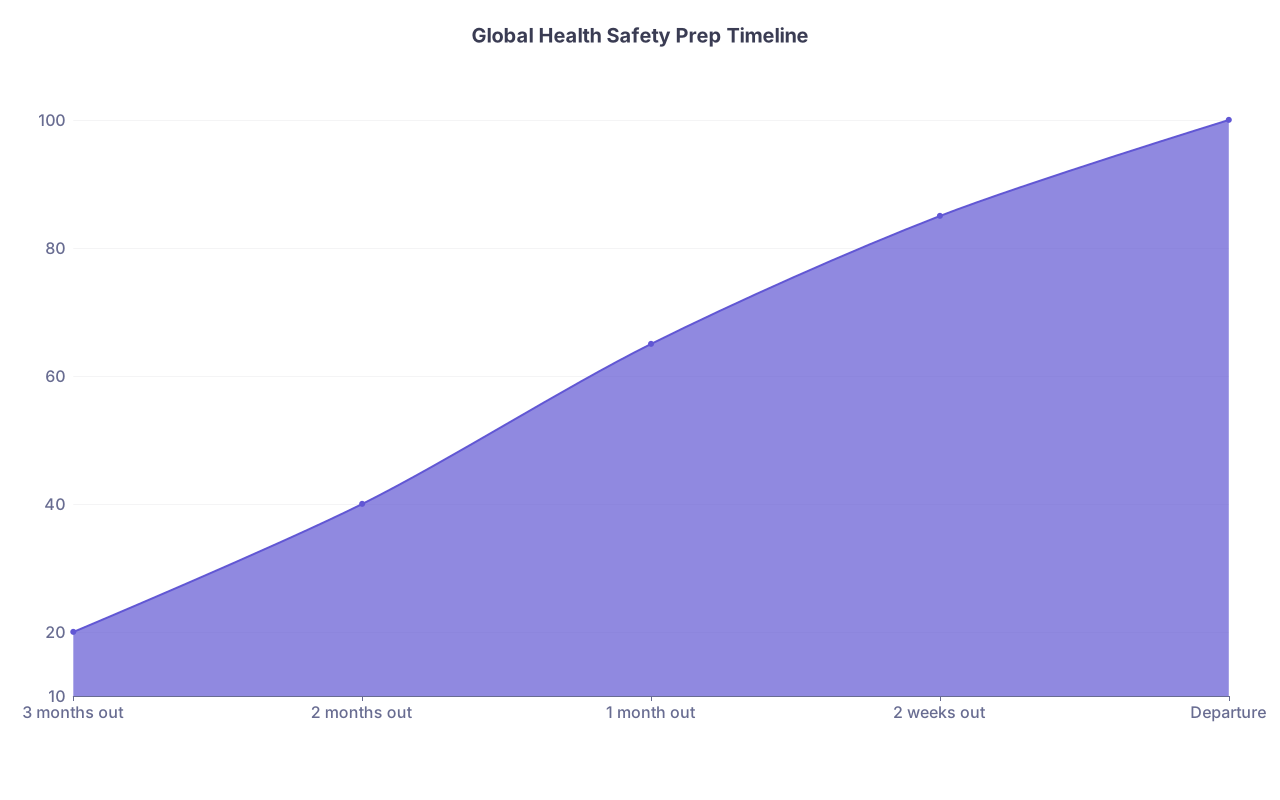
| Category | Value |
|---|---|
| 3 months out | 20 |
| 2 months out | 40 |
| 1 month out | 65 |
| 2 weeks out | 85 |
| Departure | 100 |
Here’s the anxiety‑driven checklist I’d want you to walk through before committing:
Talk to someone who’s just come back from that exact site in the last 12 months. Ask: Did you ever feel unsafe? What surprised you? What would you have wanted to know before going?
Ask your institution, flat out: “Who is responsible if there’s a security event? What’s the evacuation plan? Who calls it?” If the answer is hand‑wavy, that’s a problem.
Clarify where you’re living. Get photos if possible. Ask who lives nearby, who has keys, how far it is from the clinic, how people usually get to work.
Ask locals (through your program) what they advise for foreigners: places to avoid, clothing norms, behaviors that draw negative attention. Don’t assume you can just “blend in.” Most of the time, you won’t.
Buy travel insurance that explicitly includes security evacuation, not just medical. Yes, it’s more money. Yes, it’s worth it.
And then, this is the hardest part: listen to your body. If, even after real info and planning, you’re still feeling sick with dread, that’s telling you something. You’re not required to override that.
FAQ – Exactly What You’re Afraid to Ask Out Loud
1. Is it selfish to prioritize my safety when people there face danger every day?
No. You’re not abandoning anyone by refusing a high‑risk elective. You didn’t create the instability, and you can’t fix it by showing up as a short‑term trainee. Prioritizing your safety is rational. You can still commit to global health in contexts that don’t demand a level of personal risk you’re not ready for.
2. How do I know if a program is actually taking safety seriously?
They should have specific, written policies about safety, not just “trust us.” Clear housing details. A named on‑site contact. Guidance based on current conditions, not just tradition. An evacuation plan they can explain in plain language. If they get defensive when you ask about risk, I’d be worried.
3. What if my friends are going and I’m scared to be the only one who backs out?
You’re the one who has to live inside your body and your brain, not them. Being the one who says, “I’m not comfortable with this,” feels awful in the moment and incredibly right months later when your anxiety finally calms down. Peer pressure is a stupid reason to roll the dice on your safety.
4. Are some countries just automatically too dangerous to consider?
Yes. Any place with active armed conflict, widespread kidnapping, targeted violence against foreigners, or a “Do Not Travel” advisory from multiple governments? Students and residents have no business there. That’s not about “courage.” That’s about reality and power dynamics.
5. If I decide not to go abroad, will residency programs think I’m less committed to global health?
Not if you use your time well. Programs care more about sustained, thoughtful engagement than about one flashy trip. Long‑term work with immigrant communities, domestic underserved clinics, advocacy, language skills — all of that is real global health. You can absolutely build a strong global health profile without putting yourself somewhere that keeps you up at night.
Key points: You’re not wrong to fixate on safety — experienced global health physicians quietly do the same, all the time. Real security abroad isn’t about being fearless; it’s about being boring, prepared, and willing to say no when conditions or your gut say, “Not this one.”


